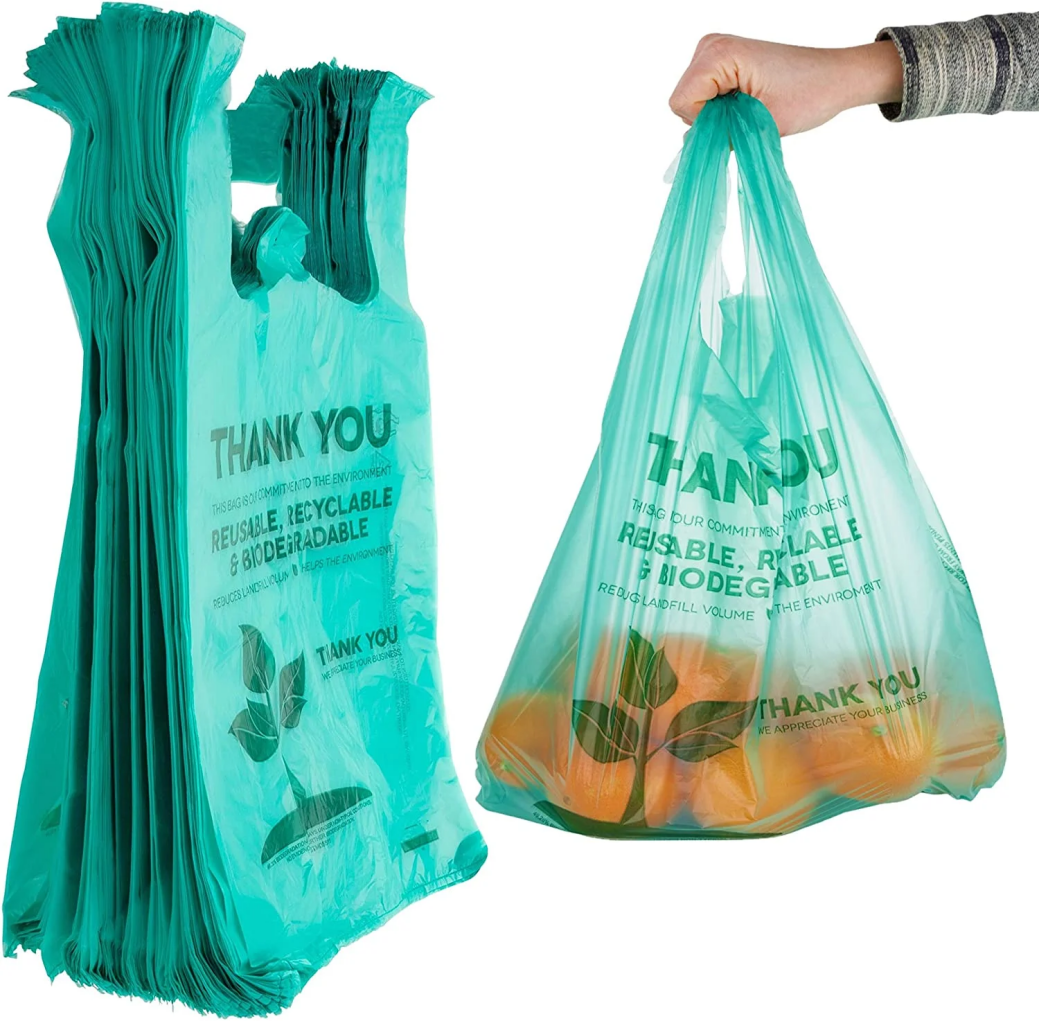
Large plastic bags, often used for moving, storage, or as heavy-duty trash bags, have become ubiquitous in our daily lives. However, their convenience comes at a significant environmental cost. This article explores the lifecycle of large plastic bags, from production to disposal, and examines their impact on ecosystems, wildlife, and climate change.
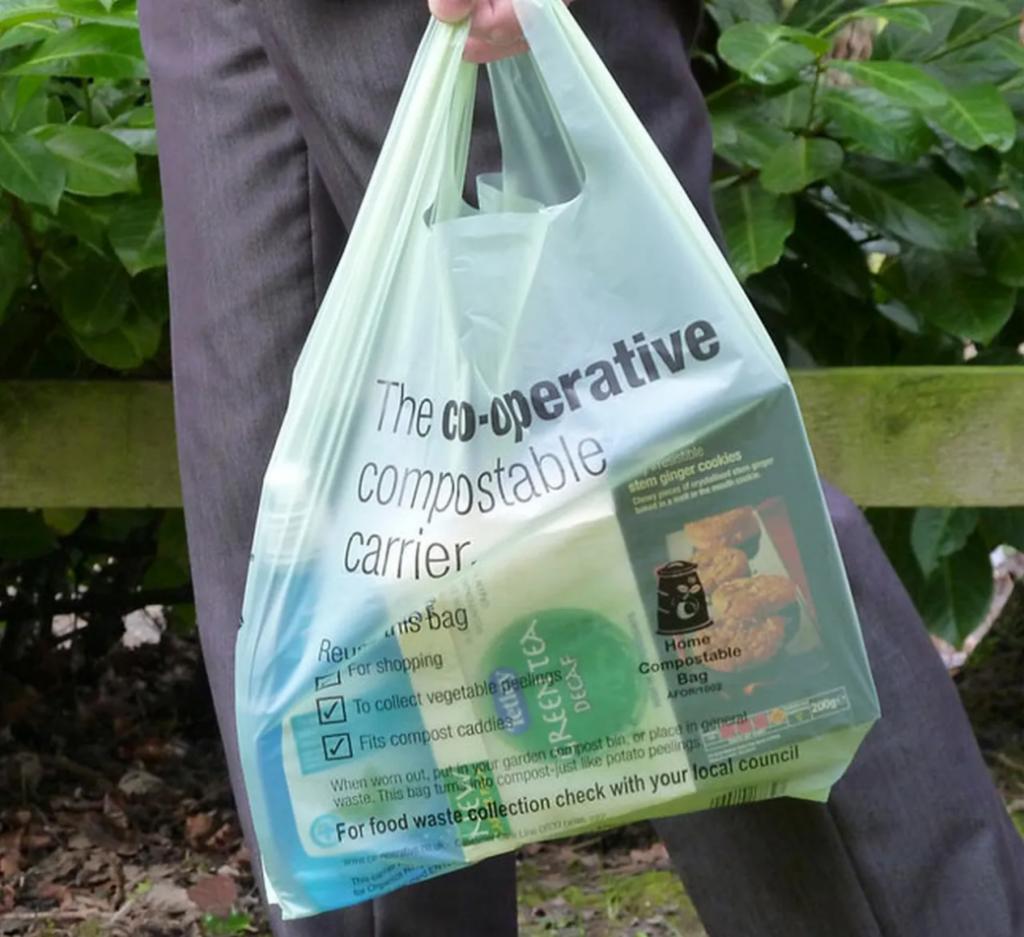
Table of Contents
Production and Materials
Large plastic bags are typically made from polyethylene, a type of plastic derived from fossil fuels. The extraction and processing of these materials contribute to greenhouse gas emissions and resource depletion. The manufacturing process itself also emits significant amounts of carbon dioxide and other pollutants.
Environmental Impact
The environmental impact of large plastic bags is multifaceted:
- Pollution and Litter: These bags are often not disposed of properly and end up in waterways, forests, and oceans. They can entangle or be ingested by wildlife, causing harm or death.
- Microplastics: When plastic bags break down, they form microplastics that enter the food chain and contaminate water sources.
- Greenhouse Gas Emissions: The production and disposal of plastic bags contribute to methane emissions from landfills, exacerbating climate change.
Alternatives and Solutions
To mitigate these impacts, alternatives such as reusable bags or biodegradable materials are gaining popularity. However, even these alternatives have environmental footprints that must be considered. For instance, reusable bags often require more resources to produce but can significantly reduce waste if used frequently.
Conclusion
In conclusion, large plastic bags pose significant environmental challenges, from pollution to climate change. Transitioning to sustainable alternatives and improving waste management practices are crucial steps towards reducing these impacts. By understanding the lifecycle of plastic bags and adopting more environmentally conscious practices, we can work towards a cleaner future.
How to purchase:https://looperbuy.com/search?keywords=large+plastic+bags
Frequently Asked Questions
- What are large plastic bags made of?
- Large plastic bags are typically made from polyethylene, a type of plastic derived from fossil fuels.
- How do large plastic bags affect wildlife?
- Large plastic bags can entangle or be ingested by wildlife, leading to harm or death.
- What are some alternatives to large plastic bags?
- Alternatives include reusable bags made from durable materials or biodegradable bags.
- How do large plastic bags contribute to climate change?
- They contribute to greenhouse gas emissions during production and disposal, particularly methane from landfills.
- Can large plastic bags be recycled?
- Generally, large plastic bags are difficult to recycle due to their material composition and size.