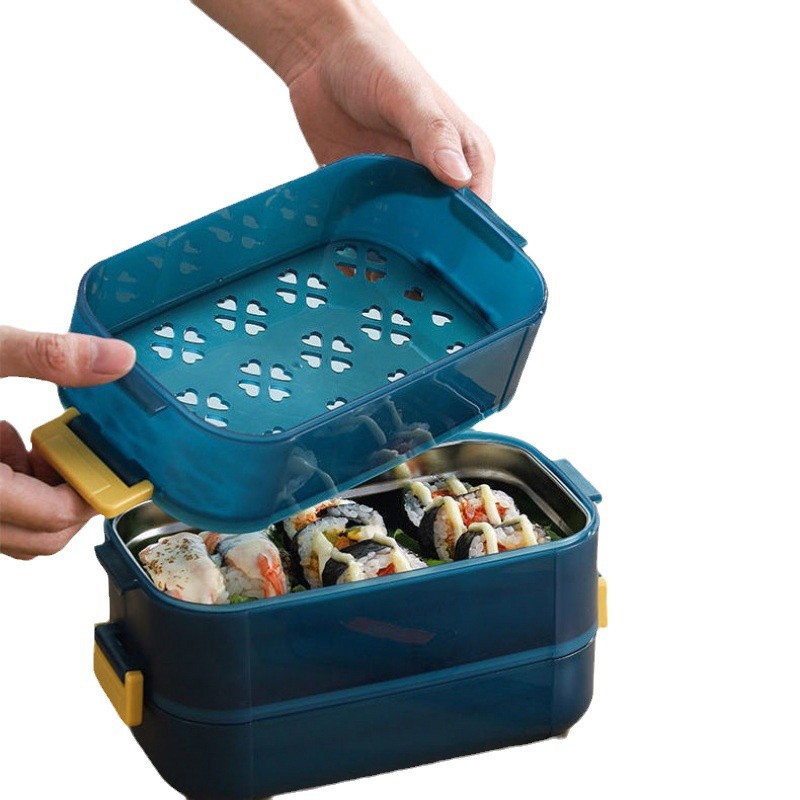
In today’s fast-paced world, enjoying a warm meal during lunch can be a challenge, especially for those who are always on the go. Whether you’re a busy professional, a student, or a parent packing lunches for your kids, keeping food warm until it’s time to eat is essential. This is where heat packs for lunch boxes come into play. In this article, we will explore the various types of heat packs available, how they work, their benefits, and tips for using them effectively.
Table of Contents
Understanding Heat Packs
What Are Heat Packs?
Heat packs are portable devices designed to retain and provide heat to food items. They come in various forms, including electric heating bags, chemical heat packs, and reusable microwaveable packs. Each type has its unique features and benefits, making them suitable for different needs and preferences.
How Do Heat Packs Work?
Heat packs typically work by either generating heat through chemical reactions or by using electrical energy. Chemical heat packs often contain substances that, when activated, produce heat through an exothermic reaction. On the other hand, electric heat packs use a heating element that warms up when plugged into a power source.

Types of Heat Packs for Lunch Boxes
1. Electric Heat Packs
Electric heat packs are designed to be plugged into a power source, making them ideal for use in offices or places where electricity is available. They often come with a warming plate that heats the food container placed inside. One popular option is the Bentgo Heat Electric Lunch Bag, which can warm food for over 45 minutes, ensuring that your meal is hot and ready to eat when you are.
2. Chemical Heat Packs
Chemical heat packs are convenient and portable, making them perfect for outdoor activities or places without access to electricity. These packs usually require activation by snapping or shaking, which initiates a chemical reaction that generates heat. They are often compact and can be easily stored in a lunch box.
3. Microwaveable Heat Packs
Microwaveable heat packs are filled with materials like rice, corn, or beans that can be heated in a microwave. After heating, they retain warmth for a considerable time, making them suitable for keeping food warm in lunch boxes. They are reusable and can be customized with various fillings to suit personal preferences.
Benefits of Using Heat Packs
1. Convenience
Heat packs provide a simple solution for keeping food warm, allowing you to enjoy a hot meal without the need for a microwave or stove. This is especially beneficial for those who work in environments where heating food is not feasible.
2. Versatility
Heat packs can be used for various types of food, from soups and stews to sandwiches and pasta. This versatility makes them an excellent addition to any lunch box, accommodating different dietary preferences and meal types.
3. Cost-Effective
Investing in a heat pack can save money in the long run. Instead of purchasing hot meals from restaurants or cafes, you can prepare and pack your meals at home, ensuring you eat healthily while saving on food costs.
Tips for Using Heat Packs Effectively
1. Preheat Your Containers
Before packing your food, preheat your containers by filling them with hot water for a few minutes. This helps maintain the temperature of your food for a longer period.
2. Pack Food Tightly
When packing your lunch, ensure that the food is packed tightly in the container. The less air there is in the container, the longer the food will stay warm.
3. Use Insulated Lunch Bags
Pair your heat pack with an insulated lunch bag to enhance heat retention. Insulated bags help keep the warmth in and prevent heat loss, ensuring your meal stays hot until lunchtime.
4. Choose the Right Heat Pack
Select a heat pack that suits your lifestyle and needs. If you often eat at your desk, an electric heat pack may be ideal. For outdoor activities, consider a chemical heat pack for its portability.
5. Monitor Heating Times
If using an electric heat pack, be mindful of the heating times. Overheating can lead to food being too hot to eat, while underheating may not keep the food warm enough.
Popular Heat Packs on the Market
1. Bentgo Heat Electric Lunch Bag
The Bentgo Heat Electric Lunch Bag is a top choice for those looking for an efficient way to keep their meals warm. It features a sleek design and can heat food for over 45 minutes, making it perfect for work or school.
2. Lava Lunch Bag
The Lava Lunch Bag is another excellent option, designed with separate compartments to keep food at the right temperature. It can keep meals warm for up to five hours, making it ideal for long days out.
3. Reusable Microwaveable Heat Packs
These packs are filled with natural materials and can be heated in the microwave. They are eco-friendly and can be customized with different fillings, making them a popular choice for families.
How to Choose the Right Heat Pack for Your Needs
Consider Your Lifestyle
When selecting a heat pack, consider your daily routine. If you often eat at your desk or have access to power outlets, an electric heat pack may be the best option. For those who are frequently on the move or enjoy outdoor activities, a chemical heat pack or microwaveable option may be more suitable.
Evaluate the Size and Capacity
Heat packs come in various sizes and capacities. Choose one that fits well in your lunch box and can accommodate the amount of food you typically pack. A larger heat pack may be necessary for bigger meals, while smaller packs are ideal for snacks or lighter lunches.
Look for Durability
Invest in a heat pack made from high-quality materials that can withstand regular use. Check for reviews and ratings to ensure that the product is durable and reliable.
Check for Safety Features
If you opt for an electric heat pack, ensure it has safety features such as automatic shut-off and heat-resistant materials. This will help prevent accidents and ensure safe usage.
Creative Ways to Use Heat Packs
1. Keeping Baby Food Warm
For parents on the go, heat packs can be a lifesaver when it comes to keeping baby food warm. Simply pack the food in a container with a heat pack, and you can ensure your little one enjoys a warm meal, even when you’re out and about.
2. Outdoor Picnics
Heat packs are perfect for outdoor picnics, allowing you to enjoy warm meals in nature. Pack your favorite dishes along with a heat pack to keep everything at the right temperature, making your picnic experience more enjoyable.
3. Meal Prep for the Week
If you prepare meals in advance, heat packs can help keep your prepped meals warm until you’re ready to eat. This is especially useful for busy weekdays when you may not have time to heat up your food.
4. Sports Events
For those who attend sports events, heat packs can keep your snacks warm while you cheer on your favorite team. Whether it’s chili, nachos, or hot dogs, a heat pack can ensure your food stays delicious throughout the game.
The Science Behind Heat Packs
Understanding the science behind heat packs can enhance your appreciation for these handy tools. Chemical heat packs typically contain a supersaturated solution of sodium acetate. When activated, the solution crystallizes, releasing heat in the process. This reaction can be repeated multiple times by boiling the pack in water to reset it.
Electric heat packs, on the other hand, utilize resistive heating. When electricity flows through a resistive material, it generates heat. This principle is similar to how electric stoves work. The efficiency of electric heat packs often makes them a preferred choice for those who have access to power.
The Environmental Impact of Heat Packs
As with any product, it’s essential to consider the environmental impact of heat packs. Many chemical heat packs are single-use and can contribute to waste. However, there are eco-friendly options available, such as those made from natural materials or designed for multiple uses. When selecting a heat pack, consider its lifespan and the materials used in its construction.
Customizing Your Heat Pack Experience
One of the joys of using heat packs is the ability to customize your experience. For microwaveable heat packs, you can experiment with different fillings. For instance, adding dried lavender or essential oils can provide a soothing aroma while keeping your food warm. Additionally, you can create packs of various sizes to suit different meals, from snacks to full lunches.
Meal Ideas for Heat Packs
To make the most of your heat pack, consider the types of meals that work best. Here are some ideas:
- Soups and Stews: These are perfect for heat packs, as they retain heat well. Pack them in insulated containers to keep them warm.
- Pasta Dishes: Dishes like macaroni and cheese or spaghetti can be kept warm with heat packs, making them ideal for lunch.
- Casseroles: These hearty meals can be packed in containers with heat packs to ensure they stay warm until lunchtime.
- Grilled Sandwiches: Wrap grilled cheese or paninis in foil and place them in a heat pack to keep them warm and melty.
Safety Considerations
When using heat packs, safety should always be a priority. For electric heat packs, ensure that the cords are not frayed and that the pack is used according to the manufacturer’s instructions. For chemical heat packs, avoid using them on sensitive skin or for extended periods, as they can cause burns if not handled properly.
The Future of Heat Packs
As technology advances, the future of heat packs looks promising. Innovations in materials and design may lead to more efficient and eco-friendly options. For instance, researchers are exploring biodegradable materials for chemical heat packs, which could reduce environmental impact. Additionally, smart heat packs that can be controlled via smartphone apps may become available, allowing users to set precise heating times and temperatures.
Conclusion
Heat packs for lunch boxes are a practical solution for anyone looking to enjoy warm meals on the go. With various options available, from electric to chemical and microwaveable packs, there is a heat pack to suit every need. By following the tips outlined in this article, you can ensure that your meals stay warm and delicious until it’s time to eat.
How to purchase:Online B2B sourcing platform, China purchase, Chinese suppliers – LooperBuy
Frequently Asked Questions
1. How long do heat packs stay warm?
Heat packs can stay warm for varying lengths of time depending on the type. Electric heat packs can keep food warm for about 45 minutes to an hour, while chemical heat packs can last for 30 minutes to several hours, depending on the brand and usage.
2. Can I use a heat pack for all types of food?
Yes, heat packs can be used for a variety of foods, including soups, stews, pasta, and sandwiches. However, it’s essential to ensure that the food is packed properly to retain heat effectively.
3. Are heat packs safe to use?
Most heat packs are safe to use when following the manufacturer’s instructions. Always check for any specific safety guidelines, especially for electric heat packs.
4. How do I clean my heat pack?
Cleaning methods vary by type. For microwaveable heat packs, you can spot clean with a damp cloth. Electric heat packs should be wiped down with a damp cloth, avoiding any electrical components.
5. Can I make my own heat pack?
Yes, you can make your own heat pack using materials like rice or beans. Simply fill a fabric pouch with the material, sew it shut, and heat it in the microwave for a few minutes.
HOT TAG: heat pack, lunch box, warm meals, electric lunch bag, microwaveable heat pack, chemical heat pack, food warmer, insulated lunch bag, meal prep, portable heat pack