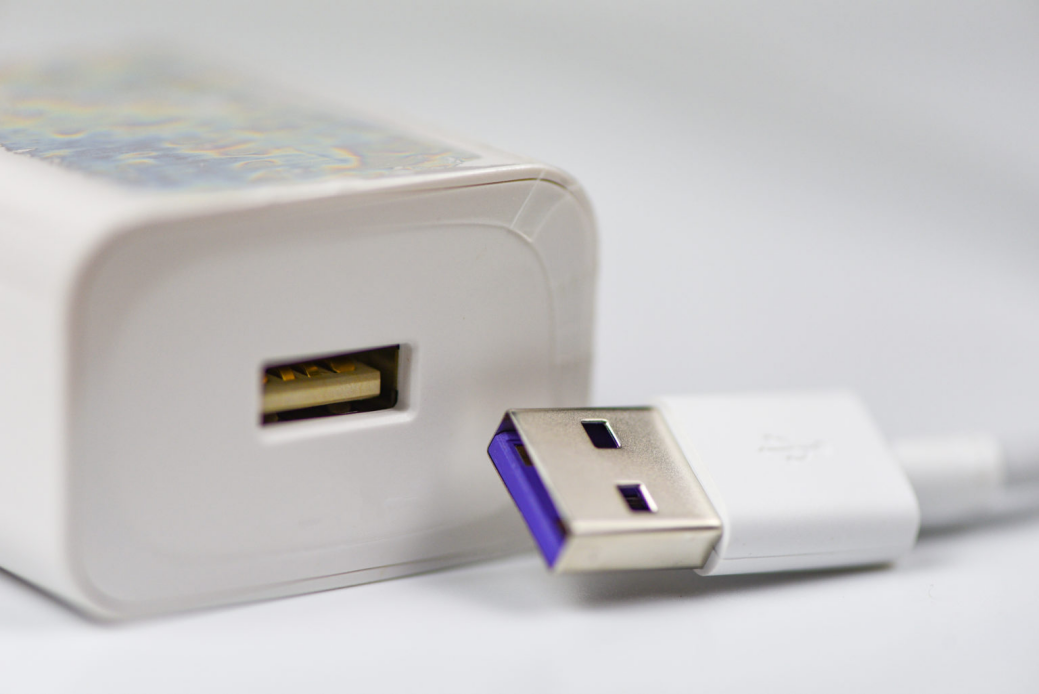
When a phone charger gets wet, it can be a cause for concern. Water and electronics do not mix well, and the implications of a wet charger can range from minor inconveniences to serious safety hazards. In this article, we will explore the potential risks, what to do if your charger gets wet, and how to prevent damage in the future.
Table of Contents
Understanding the Risks of a Wet Charger
1. Electrical Shock Hazard
One of the most immediate concerns when a phone charger gets wet is the risk of electrical shock. Water is a conductor of electricity, and if a charger is plugged in while wet, it can create a dangerous situation. This risk is particularly high if the charger is submerged in water or has been exposed to a significant amount of moisture. Electrical shock can lead to severe injuries or even fatalities, especially if the person is in contact with a grounded surface. It’s essential to understand that even a small amount of moisture can create a path for electricity to flow, making it crucial to handle wet chargers with extreme caution.
2. Damage to the Charger
Water can cause corrosion and damage to the internal components of a charger. Even if the charger appears to be functioning after getting wet, it may have sustained damage that could lead to failure in the future. This is especially true for chargers that are not designed to be water-resistant. Corrosion can occur on the metal contacts and internal circuitry, leading to poor connectivity or complete failure. Additionally, moisture can create short circuits, which can further compromise the charger’s functionality. Regularly inspecting your charger for signs of wear and tear can help you catch potential issues before they become serious problems.
3. Impact on the Device
Using a wet charger can also affect the device being charged. If moisture from the charger enters the device’s charging port, it can lead to short circuits or damage to the internal components of the phone. This can result in costly repairs or even the need for a replacement device. The charging port is particularly vulnerable, as it is designed to connect with the charger and can easily allow moisture to seep into the device. Furthermore, if the device is powered on while connected to a wet charger, the risk of internal damage increases significantly, potentially affecting the battery, motherboard, and other critical components.
What to Do If Your Charger Gets Wet
1. Unplug Immediately
If you notice that your charger has gotten wet, the first step is to unplug it from the wall outlet and disconnect it from your device. This will help prevent any electrical shock and minimize the risk of damage. It’s important to act quickly, as the longer the charger remains plugged in while wet, the greater the risk of electrical hazards. If you are unable to reach the outlet safely, do not attempt to unplug it while standing in water or on a wet surface, as this can increase the risk of shock.
2. Dry the Charger
After unplugging, dry the charger thoroughly. Use a soft, absorbent cloth to wipe off any visible moisture. If the charger has been submerged, you may need to let it air dry for an extended period. Avoid using heat sources like hair dryers, as they can cause further damage. Instead, place the charger in a well-ventilated area and allow it to dry naturally. You can also use silica gel packets or rice to help absorb moisture, but ensure that no particles enter the charger’s ports.
3. Inspect for Damage
Once the charger is dry, inspect it for any signs of damage. Look for frayed wires, discoloration, or any other abnormalities. If you notice any issues, it is best to replace the charger rather than risk using a potentially dangerous device. Pay close attention to the connectors and the cable itself, as these areas are often the most susceptible to damage from moisture. If you have any doubts about the charger’s condition, err on the side of caution and do not use it.
4. Wait Before Using
Even if the charger appears dry, it is advisable to wait at least 24 hours before attempting to use it again. This allows any remaining moisture to evaporate completely. Patience is key in this situation, as using a charger that may still contain moisture can lead to further damage to both the charger and your device. If possible, keep the charger in a warm, dry place to expedite the drying process.
5. Test the Charger
After waiting, plug the charger into a wall outlet and check if it functions properly. If it does not work or if you notice any unusual behavior, discontinue use immediately. Testing the charger in a safe environment, away from water sources, can help ensure that you are not putting yourself at risk. If the charger shows any signs of malfunction, such as overheating or failure to charge, it is best to replace it to avoid potential hazards.
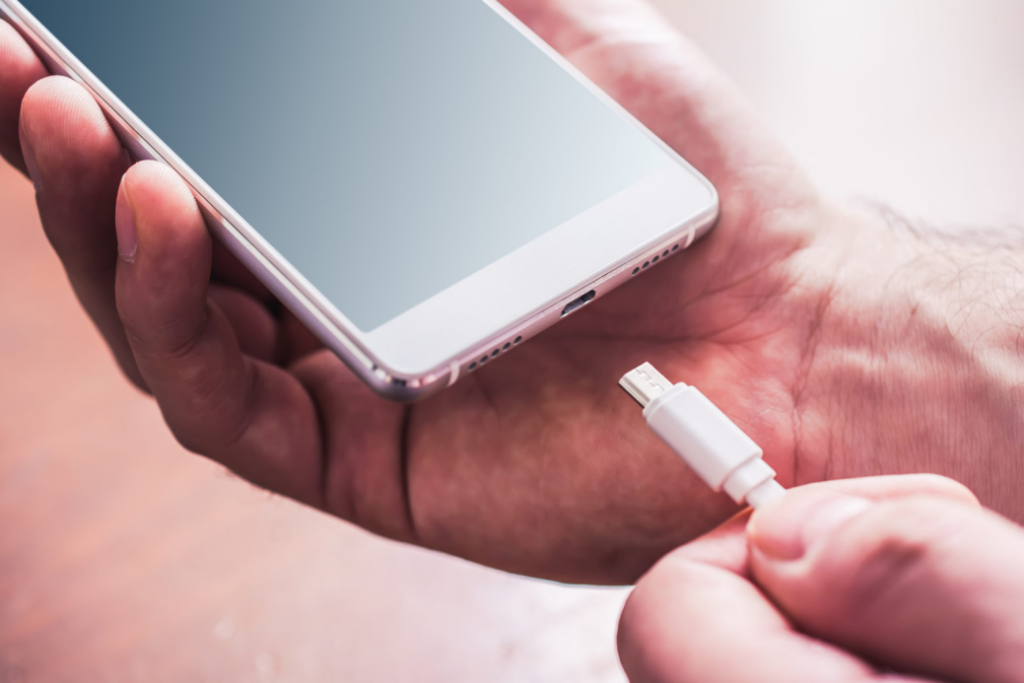
Preventing Future Incidents
1. Use Water-Resistant Chargers
Consider investing in water-resistant chargers, especially if you frequently use your devices in environments where they may be exposed to moisture, such as near pools or in the bathroom. Water-resistant chargers are designed to withstand exposure to moisture and can provide an extra layer of protection for your devices. Look for chargers with an IP rating, which indicates their level of water resistance.
2. Keep Chargers Dry
Make a habit of keeping your chargers in dry areas. Avoid placing them near sinks, bathtubs, or other locations where they could easily get wet. Designate a specific spot for your chargers that is away from potential water sources. Additionally, consider using cable organizers or holders to keep your chargers neatly stored and protected from accidental spills.
3. Use Protective Cases
If you often use your phone in wet conditions, consider using a protective case that can help shield both the phone and the charger from moisture. Waterproof cases are available for many smartphone models and can provide peace of mind when using your device in challenging environments. These cases can also protect against drops and other physical damage, making them a worthwhile investment.
4. Educate Others
If you share your charging equipment with family or friends, educate them about the risks of using wet chargers and the importance of keeping them dry. Awareness is key to preventing accidents, and ensuring that everyone understands the potential dangers can help create a safer environment. Consider discussing safe charging practices and the importance of inspecting chargers regularly.
Conclusion
A wet phone charger can pose serious risks, including electrical shock and damage to both the charger and the device. If your charger gets wet, it is crucial to act quickly by unplugging it, drying it thoroughly, and inspecting it for damage. To prevent future incidents, consider using water-resistant chargers and keeping your charging equipment in dry areas. By taking these precautions, you can ensure the safety and longevity of your devices.
How to purchase:https://looperbuy.com/search?keywords=how+many+packs+are+in+a+booster+box
Frequently Asked Questions
1. What should I do if my charger gets wet?
Unplug it immediately, dry it thoroughly, and wait at least 24 hours before testing it again.
2. Can I still use my charger if it got wet?
Only if it has dried completely and shows no signs of damage. If in doubt, replace it.
3. How can I prevent my charger from getting wet?
Keep it in dry areas, use water-resistant chargers, and avoid using it near water sources.
4. What are the signs of a damaged charger?
Look for frayed wires, discoloration, or any unusual behavior when plugged in.
5. Is it safe to use a wet charger on my phone?
No, it is not safe. Using a wet charger can cause electrical shock and damage to your phone.