Learn how to build an organic dropshipping business for sustainable profit in 2026. Discover profitable eco niches, find certified suppliers, design a trust‑building store, and grow with long‑term organic channels instead of depending on paid ads.

Table of Contents
Why I Bet on Organic Dropshipping
When I first started advising merchants on dropshipping, most of them were obsessed with quick wins from paid ads. Over the past few years, I’ve watched that mindset shift. More founders want leaner customer acquisition, stronger brand loyalty, and products that actually do less harm to the planet. That’s exactly where organic dropshipping—sustainable products plus unpaid, long‑term traffic channels—stands out as a serious business model rather than a side hustle trend. [blog.bdroppy]
In this article, I’ll walk you through how to build an organic dropshipping business that can realistically survive the next five years: from choosing a profitable “green” niche, to finding certified suppliers, to building a store and marketing engine that brings in customers without constant ad spend. I’ll also highlight where a B2B platform like Looperbuy can plug into your supply chain to reduce the cost and complexity of sourcing from China while keeping your operations as lean as possible.
What Is Organic Dropshipping, Really?
From a practitioner’s perspective, organic dropshipping has two layers:
– You sell organic or eco‑friendly products – items that are better for people or the planet (organic skincare, sustainable fashion, eco home goods, etc.).
– You grow the business using unpaid marketing channels like search, community content, social media, and email instead of relying primarily on ads. [blog.bdroppy]
Put simply, you’re building a store that:
– Aligns with rising consumer demand for transparency and sustainability
– Doesn’t require an ever‑growing ads budget to stay alive
– Leverages time, content, and authentic relationships as your main growth engines
For merchants working with Chinese supply chains, this model is especially attractive: you can test more eco‑friendly products, avoid over‑stocking, and use a sourcing partner like Looperbuy to handle fulfillment while you double down on brand and content.
Why Organic Dropshipping Is a Smart Bet in 2026
Growing demand for organic and eco‑friendly products
Global demand for organic and sustainable products has grown consistently over the last decade, and it’s no longer restricted to food. Shoppers now look for organic skincare, eco fashion, non‑toxic cleaning products, and sustainable pet items as part of their everyday consumption. This isn’t a temporary trend; it reflects a long‑term shift in buyer values.
A leaner, lower‑risk business model
Combining organic products with dropshipping gives you several advantages: [blog.bdroppy]
– Low upfront capital: You don’t buy inventory before validating demand.
– Lower operational risk: No warehouses, minimal staff, and fewer fixed costs.
– Faster product testing: You can launch and test new organic SKUs quickly without committing to large MOQs.
– Better fit for long‑term brands: Organic marketing (content, community, email) compounds over time rather than resetting every time you stop spending on ads. [blog.bdroppy]
In other words, you’re building a business that is easier to start, cheaper to operate, and more resilient in a volatile ad environment.
Step 1: Choose a Focused, Profitable Organic Niche
One of the biggest mistakes I see beginners make is launching a store that tries to sell “all sustainable products to everyone.” That spreads your attention too thin and makes it almost impossible to stand out.
High‑potential organic dropshipping niches in 2026
Based on the latest market dynamics, these categories show strong and durable demand:
– Organic skincare and personal care
Natural deodorants, sulfate‑free shampoos, zero‑waste moisturizers, solid bars, and fragrance‑free lines for sensitive skin.
– Sustainable fashion and accessories
Organic cotton basics, bamboo loungewear, hemp tote bags, and recycled‑fiber sportswear that ship well and photograph nicely.
– Eco‑friendly home and cleaning essentials
Biodegradable cleaners, refillable spray bottles, reusable kitchen cloths, and compostable bags.
– Wellness and lifestyle products
Herbal teas, organic bath salts, essential‑oil based sleep aids (in compliance with local regulations).
– Organic pet care
Natural treats, organic grooming products, compostable poop bags, and durable, non‑toxic toys.
When you pick your niche, look for the intersection of:
– A clear, urgent problem (e.g., “my skin reacts to harsh chemicals”)
– A visible community (forums, Facebook groups, TikTok tags)
– Products that ship well (not too fragile, oversized, or heavily
Step 2: Source Certified Products and Trustworthy Suppliers
Your entire brand promise rests on whether your products are genuinely organic and responsibly made. That starts with the suppliers you choose.
What to insist on from suppliers
From working with multiple merchants, I’ve seen that the most resilient organic dropshipping businesses all demand the same things:
– Verifiable certifications – Documentation such as USDA Organic, ECOCERT, COSMOS, or other recognized regional standards, where applicable.
– Clear ingredient and material lists – Full transparency on what goes into each product, including allergens.
– Responsible manufacturing and packaging – Preference for recycled, recyclable, or compostable packaging and reduced plastic.
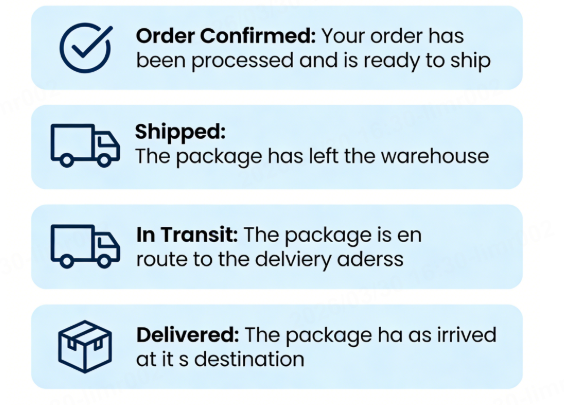
– Consistent lead times and tracking – Reasonable shipping times, stable processing SLAs, and trackable parcels.
If you’re sourcing from China, a B2B platform like Looperbuy can drastically reduce your due‑diligence workload. Instead of validating dozens of factories yourself, you work with a partner that:
– Pre‑vet suppliers for quality and compliance
– Standardizes product data (titles, specs, variants)
– Synchronizes inventory and automates order forwarding
– Aggregates shipping so customers get predictable delivery windows
This structure lets you keep your front‑end promise (authentic green products) while outsourcing most of the back‑end complexity.
Step 3: Build a Store That Communicates Your Values
Your store has to do two jobs at once: convert visitors and communicate why your organic products deserve trust.
Core elements of an effective organic store
From an experience perspective, here’s what tends to move the needle for eco‑conscious buyers: [kibocommerce]
– A clear value proposition above the fold
One short statement that explains who you serve and what makes your organic products different.
– Detailed, honest product pages
Transparent ingredients, clear usage instructions, care guides, and realistic photos. Avoid exaggerated promises.
– Visible proof of quality
Logos of relevant certifications, short origin stories (“crafted in… using…”), and authentic customer reviews.
– Simple, mobile‑first navigation
Collections built around real user needs: “Sensitive Skin Essentials,” “Zero‑Waste Kitchen,” “Organic Pet Care,” rather than only technical categories.
If you serve B2B buyers (resellers, Amazon sellers, boutique owners), add:
– Case packs, shipping cost estimates, and MOQs where applicable
– Clear information about dispatch times and fulfillment process
– Contact options for larger or custom orders
Step 4: Organic Marketing Channels That Actually Work
Organic dropshipping depends on consistent, unpaid exposure across platforms. The goal is not to be everywhere, but to own a few channels deeply. [blog.bdroppy]
Key organic channels to prioritize
– Organic search
Educational blog posts, comparison guides, and how‑to content targeting specific problems in your niche. [blog.bdroppy]
– Social platforms
Regular short‑form video and visual storytelling on TikTok, Instagram, and Pinterest to show products in real life.[shopify]
– Email newsletters
Simple flows that turn first‑time visitors into subscribers with helpful tips, then into customers through targeted product recommendations.[shopify]
– Communities and forums
Value‑first participation in Facebook groups, Reddit threads, and niche communities where your audience already talks about their problems.[shopify]
The merchants I work with who win in organic dropshipping treat these channels like long‑term assets, not as one‑off campaigns.
Step 5: Day‑to‑Day Tactics for Sustainable Growth
To move from theory to results, you need repeatable routines. Below are practical tactics you can implement even as a solo founder.
1. Publish problem‑focused content
Create content that answers specific questions and shows your product as a natural solution.[shopify]
For example:
– “How to reduce plastic in your kitchen in 7 days”
– “Organic deodorant vs. conventional: what actually changes?”
– “How to build a low‑waste bathroom routine”
Each piece should:
– Address a real pain point
– Offer clear steps or frameworks
– Show your products in context (not as the only answer, but as a logical next step)
2. Encourage and reuse user‑generated content
User‑generated content (UGC) is one of the strongest drivers of trust for dropshipping brands.[shopify] Practical moves include:
– Adding a card in each parcel asking buyers to share a photo or short video with a branded hashtag
– Featuring genuine customer photos and short quotes on product pages
– Creating highlight reels on social media showcasing “real customer routines”
Research shows that shoppers actively look for ratings and reviews before choosing where to buy, and they tend to trust content from real customers more than conventional influencer campaigns.[shopify] That’s exactly the social proof an organic brand needs.
3. Maintain a realistic publishing rhythm
The brands that see compounding results are not the ones posting the most—they’re the ones posting consistently.[shopify]
A sustainable schedule might look like:
– 1–2 blog posts per week
– 1–3 short videos per day on your primary social platform
– A weekly or bi‑weekly email digest with tips and new arrivals
The goal is to stay present without burning out. Build a simple content calendar so you always know what to create next.[shopify]
Step 6: Design Your Operations for Sustainability
A sustainable business isn’t only about what you sell; it’s also about how you deliver it.
Operational best practices for organic dropshipping
– Choose shipping options with predictable timelines and tracking
Customers don’t just want “cheap” shipping; they want honest expectations and transparency.[doba]
– Avoid unnecessary reshipping and overcomplicated routes
Route orders efficiently from Chinese suppliers to end customers through a centralized platform like Looperbuy to minimize duplicated journeys.
– Use packaging that matches your message
When possible, choose recycled cardboard, paper‑based fillers, water‑based inks, and minimal plastic.
– Automate repeatable tasks
Use your dropshipping platform’s automation to sync inventory, forward orders, and push tracking updates, so you can focus on product selection, content, and customer relationships.[doba]
By aligning your back‑end operations with your front‑end promise, you avoid the disconnect that customers quickly notice when they receive a “green” product in three layers of single‑use plastic.
Example: Using a B2B Platform Like Looperbuy in Practice
To make this more concrete, imagine you’re launching a “Zero‑Waste Kitchen Essentials” brand aimed at European and North American consumers who buy online.
You could:
1. Define your core product line
Reusable cloths, bamboo dish brushes, refillable glass spray bottles, compostable trash bags.
2. Use Looperbuy to source SKUs
– Search vetted Chinese manufacturers that already produce these items
– Check available certifications, MOQs, and packaging details
– Shortlist SKUs that meet your quality and sustainability criteria
3. Connect your store and sync inventory
Map selected items to your catalog, set margins, and sync stock levels so you don’t oversell.
4. Launch with a content‑first strategy
Build a series of guides and short videos showing how a household can reduce kitchen waste in one month, with your products supporting—but not dominating—the story.
5. Iterate based on actual orders and feedback
Track product performance, phase out slow movers, and expand lines that get repeat orders.
This kind of setup allows you to build a recognizable brand without owning a warehouse or negotiating directly with dozens of factories.
Start Building Your Organic Dropshipping Brand
If you’re serious about building an organic dropshipping business for sustainable profit, the next step is not to read more theory—it’s to pick one niche, choose a small set of products, and test your first offer.
If you’re sourcing from China and want to minimise risk while keeping your operations lean, consider using Looperbuy as your sourcing and fulfillment partner so you can focus on what actually grows the business: product positioning, content, and customer relationships.
Your next three moves:
1. Choose one focused organic niche and define your first 5–10 products.
2. Set up your store with clear, honest messaging and detailed product information.
3. Map one primary organic channel (like TikTok or long‑form content) and commit to a 90‑day publishing schedule.
Frequently Asked Questions
1. Is organic dropshipping only about eco‑friendly products?
No. In practice, organic dropshipping combines eco‑friendly or organic products with unpaid growth channels such as search, content, and community platforms.[doba][shopify] Many merchants focus on sustainable items because they naturally attract values‑driven customers.
2. How long does it take to see results with organic dropshipping?
Timelines vary, but most stores using organic channels seriously start seeing predictable traction after three to six months of consistent publishing and product iteration.[shopify] That’s why planning your schedule and staying consistent is more important than short bursts of activity.
3. Can I run ads as well, or must everything be “organic”?
You can combine both, but the core strategy described here is to build a profitable base without depending on ads.[shopify] Many founders start organic‑first and then layer paid campaigns on top of what already works.
4. How do I know if my suppliers are truly certified?
Ask for documentation from recognized bodies (for example, USDA Organic or similar regional standards) and verify their details with the relevant databases when possible.[doba]Working through a vetted B2B platform can further reduce risk by pre‑screening suppliers for compliance.
5. Is organic dropshipping suitable for B2B buyers?
Yes. B2B buyers such as resellers and boutique owners are increasingly looking for reliable access to sustainable products without taking on inventory risk.[doba]A platform‑based setup using a sourcing partner like Looperbuy can serve both DTC customers and B2B clients from the same product catalog.
References
1. Doba. “How to Start an Organic Dropshipping Business for Sustainable Profit.”[doba]
2. Shopify. “Organic dropshipping tactics – Channels, Tactics, and Tips.”[shopify]
3. Kibo Commerce. “Mastering Dropshipping: Best Practices for Ecommerce Success.”[kibocommerce]
4. Oberlo / Shopify. “How to Dropship More Sustainably (and 9 Products to Help You Get Started).”[oberlo]
5. Medium. “Organic Dropshipping: Building a Sustainable Business Without Paid Ads.”[medium]
6. Nautical Commerce. “B2B Dropshipping: The Key to Expanding with Less Risk.”[nauticalcommerce]
7. Shero Commerce. “The Complete Guide to B2B eCommerce Best Practices [2026].”[sherocommerce]