.jpeg)
The hospitality industry is undergoing a fundamental transformation, and procurement is no longer a back-office function. It has become a strategic lever for profitability, brand differentiation, and guest satisfaction . From boutique hotels in California to luxury resorts in the UAE, procurement teams are dismantling decades-old global sourcing models . The pressure is real: rising costs, supply chain volatility, and shifting guest expectations are forcing a complete reassessment of how hospitality businesses source everything from guest room amenities to food and beverage supplies .
-1-1024x905.jpeg)
Table of Contents
Why Hospitality Market Research is Critical for B2B Sourcing in 2026
Hospitality market research is no longer just about understanding guest demographics. It is about gaining actionable intelligence on supplier performance, regional sourcing advantages, and cost optimization strategies . For B2B buyers, market research informs every stage of procurement, from supplier selection to contract negotiation. Data from platforms like Alibaba.com and industry benchmarks show that sourcing from specialized manufacturing clusters in China offers cost advantages of 15-25% for volume purchases .
Key findings from recent hospitality procurement studies indicate that 68% of event attendees prefer community-focused activities over traditional gift bags, and 66% expect physical items to reflect a connection to the local area—rising above 70% for Gen Z and Millennials . These insights directly impact procurement decisions, making localized and authentic sourcing a competitive advantage.
The Shift from Global to Local: Sourcing with Purpose
Hilton’s procurement transformation provides a compelling case study. The hospitality giant has committed to sourcing over 900 tonnes of locally cultivated produce annually across its 31 UAE properties through a partnership with Fresh On Table . This initiative eliminates approximately 250 million food miles and supports local economies while maintaining quality standards.
In the U.S., Faire, a wholesale marketplace valued at $5.2 billion, is opening its platform to business-use buyers including hotels, restaurants, and corporate offices . This expansion responds to what Faire co-founder and CEO Max Rhodes describes as a “substantial and largely underserved” segment of the wholesale market . Early adopters like JW Marriott San Francisco Union Square have used Faire to source unique and locally relevant products to elevate the guest experience .
For procurement professionals, this means evaluating suppliers not just on cost and delivery reliability, but on authenticity, cultural relevance, and alignment with sustainability goals . Suppliers that demonstrate ESG compliance, including BSCI audits and ISO certifications, are becoming preferred partners for international hospitality brands .
Navigating Cost Pressures and Supply Chain Volatility
The hospitality industry faces significant cost pressures. The Food & Drink Federation projects food inflation at 9-10% in 2026, driven by geopolitical disruption and energy shocks . Since 2020, food prices have risen by approximately 39% . Additionally, labor costs continue to climb, with culinary wages increasing and skilled prep work becoming more expensive .
Procurement strategies must adapt. Experts recommend a structured approach to supplier evaluation that goes beyond unit cost :
- On-time delivery rate: Above 95% indicates reliable scheduling and logistics management.
- Reorder rate: Rates above 25% reflect customer satisfaction and post-sale reliability.
- Response time: Under 3 hours signals dedicated sales engineering teams.
- Compliance documentation: For food-contact items, verify FDA, EU, or LFGB compliance; stainless steel components should meet Grade 304 standards .
The luxury hotel sector is learning that composure is a competitive advantage. According to the International Luxury Hotel Association, the real risk is not supply shortages, but overreaction to short-term market swings . Successful operators focus on strategic planning, stronger supplier partnerships, and disciplined decision-making rather than reacting to every headline .
AI and Data-Driven Procurement: The New Frontier
AI-enabled procurement is reshaping how hotels buy. By analyzing deidentified purchasing data, AI can identify patterns across price volatility, seasonal demand, and savings opportunities that no single operator could see alone . As Eleanor Waddell, Vice President of Strategic Growth at Avendra International, explains, “AI is redefining procurement in hospitality by shifting it from transactional execution to intelligent orchestration” .
AI is embedded directly into the buying process, guiding procurement professionals toward the right product, vendor, price, and quantity across hundreds or thousands of SKUs . When supply conditions change, AI can flag issues early and recommend compliant substitutions before they impact the guest experience .
China’s Manufacturing Clusters: Strategic Sourcing Hubs
For international buyers sourcing from China, understanding regional specializations is essential. Guangdong province—particularly the Pearl River Delta—offers diversified production capabilities in textiles, bathroom amenities, smart electronics, and stainless steel kitchen equipment . Proximity to ports like Shenzhen and Guangzhou enables faster container turnover and air freight access . Jiangsu province, particularly Yangzhou, has emerged as a hub for sustainable and eco-friendly hotel supplies, focusing on bamboo, bioplastics, and organic cotton products .
Suppliers with strong customization capabilities, such as Zhaoqing Xingpai Tableware Manufacturing Co., Ltd., provide end-to-end design collaboration, including LED integration, dual heating systems, and anti-corrosion mirror polishing . Guangzhou Partner Food Equipment Limited offers commercial bar counters and cocktail stations built to professional standards, backed by strong market validation .
Strategic Recommendations for B2B Hospitality Buyers
Based on current market intelligence and procurement best practices, hospitality buyers should consider the following strategic actions:
Prioritize supplier capability over catalog pricing: Evaluate operational metrics including on-time delivery, reorder rates, and response times. Request physical samples before bulk production .
Align procurement with guest expectations: Source products that reflect local culture and sustainability values. Leverage market research to understand guest preferences and design sourcing strategies accordingly .
Adopt data-driven procurement tools: Use AI-enabled platforms to optimize purchasing decisions, manage volatility, and strengthen supplier relationships . ESG reporting supported by data can become a competitive advantage .
Diversify sourcing regions: While China remains a dominant manufacturing hub, consider regionalised procurement to mitigate tariff risks and enhance supply chain resilience .
Build strategic supplier partnerships: Treat key suppliers as strategic assets rather than transactional vendors. Invest in collaborative relationships that ensure consistency, quality, and continuity .
Action Steps for Sourcing Success
For buyers ready to optimize their hospitality procurement strategy, here is a practical framework:
- Define your ideal product specifications and quality standards.
- Identify manufacturing clusters in China that match your product category—Guangdong for diverse supplies, Jiangsu for eco-friendly products .
- Evaluate suppliers using operational metrics: on-time delivery >95%, reorder rate >25%, response time <3 hours .
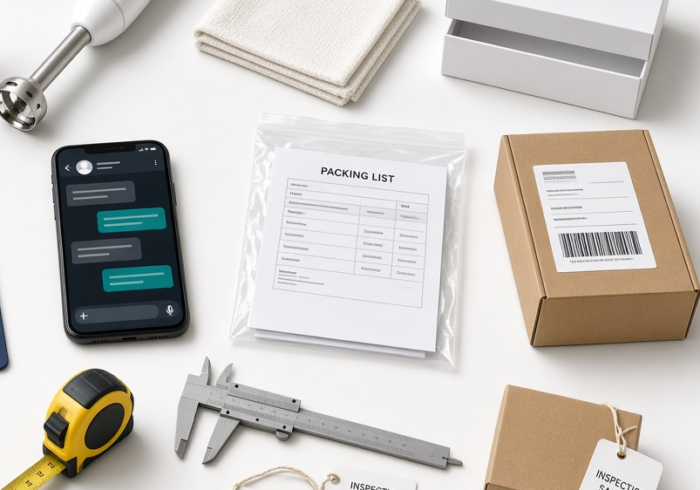
- Request pre-production samples and conduct third-party inspections for quality assurance .
- Negotiate terms that include flexibility for order adjustments and clear warranty policies.
Platforms like Alibaba.com provide verified transaction data, and trade shows such as HOTELEX Shanghai offer opportunities to connect with vetted suppliers . However, direct validation through sample orders and third-party inspections remains essential .
Conclusion
Hospitality market research in 2026 reveals a clear trend: procurement is a strategic differentiator. From Hilton’s localized sourcing to luxury hotels’ disciplined response to volatility, the industry is redefining how it approaches supply chains . B2B buyers who leverage data-driven insights, build strong supplier relationships, and align sourcing with guest expectations will be best positioned for success. As the industry continues to evolve, the question is not whether to adapt, but how quickly.
Frequently Asked Questions
What is the current state of hospitality procurement in 2026?
Procurement has evolved from a back-office function to a strategic lever. Rising costs, supply chain volatility, and shifting guest expectations are driving a reassessment of sourcing strategies, with emphasis on localised supply chains, ESG compliance, and data-driven decision-making .
Why is China still a dominant sourcing hub for hospitality supplies?
China offers vertically integrated manufacturing clusters, advanced production capabilities, competitive pricing, and robust export logistics. Guangdong excels in diverse supplies while Jiangsu leads in sustainable and eco-friendly products .
How can I evaluate a hospitality supplier’s reliability?
Key metrics include on-time delivery rate (above 95%), reorder rate (above 25%), response time (under 3 hours), and compliance with international certifications such as ISO 9001, BSCI, and FDA .
What role does AI play in hospitality procurement?
AI enables intelligent procurement by analyzing purchasing data to identify patterns in price volatility, seasonal demand, and savings opportunities. It guides buyers toward optimal product, vendor, price, and quantity decisions while flagging supply disruptions early .
How are luxury hotels handling supply chain volatility?
Luxury hotels are focusing on composure—avoiding overreaction to short-term market swings. They invest in strategic planning, strong supplier relationships, and disciplined decision-making to protect both profitability and guest experience .
References
- Procurement Magazine. (2026, February 25). Hilton’s Procurement: Shifting to Meet Customer Expectations. https://procurementmag.com/news/hiltons-procurement-shifting-customer-expectations
- S&W Group. (2026). Procurement and supply chains rise up the agenda for hospitality. https://www.swgroup.com/insights-events/insights/procurement-supply-chains-and-hospitality
- Alibaba.com. (2025). Strategic Sourcing of Hotel and Restaurant Supplies: A Data-Driven Guide for Global Buyers. https://www.alibaba.com/price-comparison/hotel-restaurant-supply
- Alibaba.com. (2025). Strategic Sourcing of Bar & Restaurant Supplies: A B2B Guide to Quality, Customization, and Supplier Performance. https://www.alibaba.com/price-comparison/bar-restaurant-supplies
- Alibaba.com. (2026). How to Find and Evaluate Top-Tier Hospitality Product Suppliers: A Strategic Guide for B2B Buyers. https://www.alibaba.com/price-comparison/hospitality-products-wholesaler
- Avendra. (2026). How AI and Procurement Intelligence Are Reshaping Hospitality Supply Chains for 2026. https://www.avendra.com/en/us/resources/trends-and-insights/how-ai-and-procurement-intelligence-are-reshaping-hospitality-supply-chains-for-2026
- International Luxury Hotel Association. (2026). Tariffs, Rising Costs and Supply Chain Volatility: What Luxury Hotels Are Learning in 2026. https://ilha.org/articles/luxury-hotels-supply-chain-volatility-2026
- Digital Commerce 360. (2026, June 18). Faire ‘opening its doors’ to business-use buyers. https://www.digitalcommerce360.com/2026/06/18/faire-opening-its-doors-to-business-use-buyers
- Inside Retail US. (2026, June 21). Faire expands wholesale marketplace beyond retail buyers. https://insideretail.us/faire-expands-wholesale-marketplace-beyond-retail-buyers
About LooperBuy: LooperBuy is a One-Stop B2B Sourcing Platform that provides global businesses with direct access to Chinese manufacturing. We help hospitality brands, wholesalers, and manufacturers source high-quality products with competitive pricing and streamlined logistics. Contact us today to optimize your procurement strategy.
Meta Description
Hospitality market research 2026: Strategic sourcing trends, supply chain volatility, and B2B procurement best practices for hotels, restaurants, and hospitality businesses.
Hot Tags
B2B sourcing platform, hospitality procurement, hospitality market research, strategic sourcing China, hotel supply chain, restaurant equipment supplier, B2B wholesale marketplace, global sourcing logistics, hospitality industry trends, sustainable hotel supplies
-700x490.png)