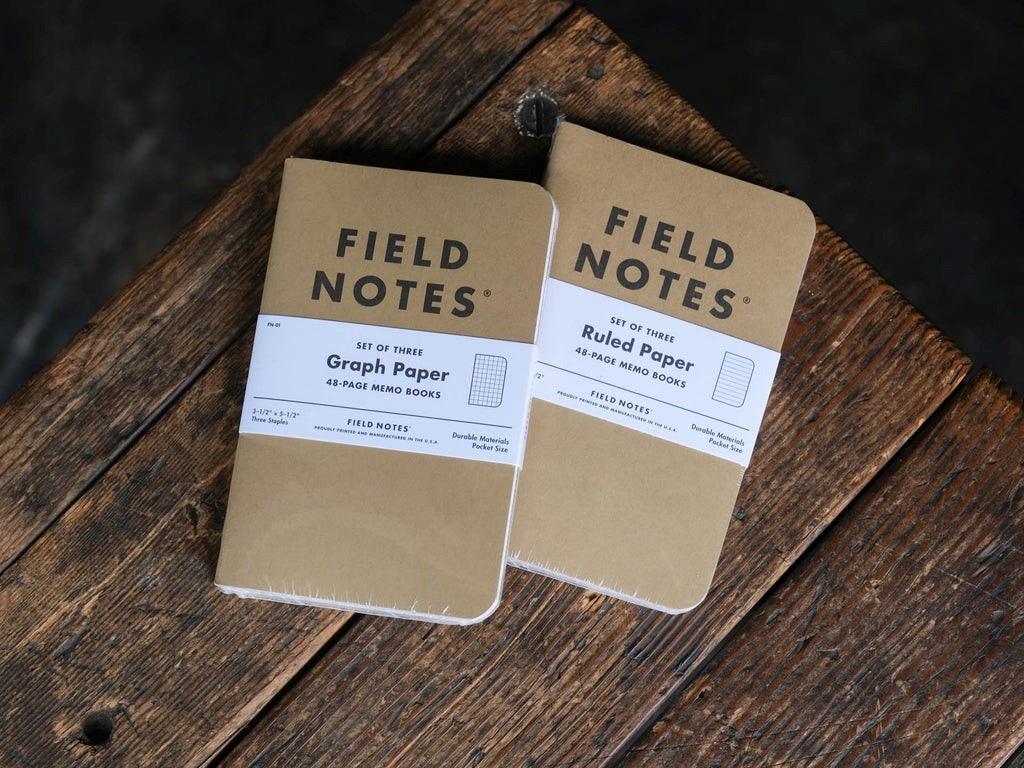
Field notes notebooks are invaluable tools for anyone who needs to capture thoughts, observations, and ideas on the go. Whether you are a scientist, a writer, or simply someone who enjoys jotting down daily reflections, these notebooks offer a practical and stylish solution. This article explores how to effectively use field notes notebooks, the benefits they provide, the various types available, and their historical significance.
Table of Contents
How to Effectively Use Field Notes Notebooks
Field notes notebooks are designed for quick and efficient note-taking. Here are some strategies to maximize their utility:
Organizing Your Notes
When using a field notes notebook, organization is key. Start by dedicating specific sections for different purposes. For instance, you might have one section for daily observations, another for project ideas, and a third for sketches or diagrams. This method allows you to quickly locate information when needed. Additionally, consider using tabs or colored markers to further differentiate sections. This visual organization can save time and enhance your productivity, especially when you need to refer back to your notes for specific projects or ideas.
Using Symbols and Abbreviations
To save time and space, develop a system of symbols and abbreviations. For example, you could use a star to mark important entries or a question mark for ideas that need further exploration. This shorthand will make your notes more efficient and easier to review later. Over time, you can refine your system based on what works best for you, creating a personalized language that enhances your note-taking experience. This practice not only speeds up the writing process but also helps in quickly identifying key points during reviews.
Regular Review and Reflection
Set aside time each week to review your notes. This practice not only reinforces your memory but also helps you identify patterns and insights that may not be immediately apparent. Reflection can lead to new ideas and connections that enhance your work. Consider keeping a separate section in your notebook for reflections, where you can jot down thoughts on what you’ve learned or how your ideas have evolved. This habit can deepen your understanding of your work and foster a more thoughtful approach to your projects.
Incorporating Visual Elements
Field notes are not just about text. Incorporate sketches, diagrams, and charts to complement your written observations. Visual elements can often convey information more effectively than words alone, especially in fields like science and art. For instance, a quick sketch of a plant can provide context that a written description might miss. Additionally, using different colors for sketches or notes can help categorize information visually, making it easier to digest and recall later.
Experimenting with Different Formats
Field notes notebooks come in various formats, including lined, graph, and blank pages. Experiment with different styles to find what works best for your needs. For instance, graph paper is excellent for technical drawings, while blank pages may be better for freeform sketches. You might also consider using a combination of formats within a single notebook, allowing you to adapt your note-taking style to the specific task at hand. This flexibility can enhance creativity and make your notes more engaging.

Benefits of Using Field Notes Notebooks
Field notes notebooks offer numerous advantages that make them a preferred choice for many professionals and enthusiasts alike.
Portability
One of the primary benefits of field notes notebooks is their compact size. Most are designed to fit easily into a pocket or bag, making them convenient for on-the-go note-taking. This portability ensures that you can capture ideas whenever inspiration strikes, whether you are on a hike, in a meeting, or simply out and about. The ability to have a reliable notebook at hand encourages spontaneous creativity and ensures that no idea is lost.
Durability
Field notes notebooks are typically made from high-quality materials that withstand the rigors of daily use. Many are designed to be weather-resistant, allowing you to take notes in various environments without worrying about damage. This durability is particularly important for outdoor enthusiasts and professionals who work in challenging conditions. Knowing that your notes are safe from the elements allows you to focus on your observations rather than the fragility of your materials.
Encouragement of Creativity
The act of writing by hand has been shown to enhance creativity. Field notes notebooks encourage this practice, allowing you to explore ideas freely without the distractions of digital devices. The tactile experience of writing can lead to deeper engagement with your thoughts. Many users find that the physical act of writing helps them process information more effectively, leading to richer ideas and insights. This creative freedom is one of the key reasons why many people prefer traditional notebooks over digital alternatives.
Versatility
These notebooks are not limited to any specific field or profession. They can be used for scientific observations, creative writing, journaling, or even as planners. This versatility makes them suitable for a wide range of users. Whether you are a student, a researcher, or a hobbyist, field notes notebooks can adapt to your needs. This adaptability is one of the reasons they have gained popularity across various disciplines and interests.
Fostering Mindfulness
Using a field notes notebook can promote mindfulness. The process of writing down your thoughts and observations encourages you to slow down and reflect on your experiences. This practice can enhance your overall well-being and awareness of your surroundings. By taking the time to document your thoughts, you cultivate a deeper connection to your environment and your inner self. This mindfulness can lead to greater clarity and focus in both your personal and professional life.
Different Types of Field Notes Notebooks
Field notes notebooks come in various styles and formats, each catering to different needs and preferences.
Classic Field Notes
The classic field notes notebook features a simple design with a sturdy cover and high-quality paper. These notebooks are available in various sizes and page formats, including lined, graph, and blank. They are ideal for general note-taking and observations. The classic design often appeals to those who appreciate simplicity and functionality, making them a staple for many users. Their straightforward layout allows for easy customization, enabling users to adapt the notebook to their specific needs.
Expedition Notebooks
Designed for outdoor use, expedition notebooks are made from durable materials that can withstand harsh conditions. They often feature waterproof pages and rugged covers, making them perfect for fieldwork in challenging environments. These notebooks are essential for researchers and adventurers who need to document their findings in unpredictable weather. The robust construction ensures that your notes remain intact, regardless of the conditions you face.
Specialty Editions
Field Notes frequently releases limited edition notebooks that feature unique designs and themes. These specialty editions often include unique paper types, colors, and layouts, appealing to collectors and enthusiasts. The limited nature of these editions adds an element of exclusivity, making them highly sought after. Collectors often enjoy showcasing these notebooks, and they can serve as a source of inspiration for creative projects.
Steno Notebooks
Steno notebooks are designed for shorthand writing and feature a unique layout that allows for quick note-taking. They are popular among journalists and students who need to capture information rapidly. The design of steno notebooks facilitates fast writing, making them ideal for environments where speed is essential. Users often find that the structured layout helps them maintain clarity and organization in their notes.
Graph Paper Notebooks
Graph paper notebooks are ideal for technical drawings, diagrams, and mathematical notes. The grid layout helps maintain alignment and precision, making them a favorite among engineers and architects. These notebooks allow for detailed illustrations and calculations, providing a clear framework for complex ideas. The structured format can also be beneficial for artists who want to create precise sketches or designs.
History and Evolution of Field Notes Notebooks
The history of field notes notebooks is rich and varied, reflecting their importance in various fields.
Early Beginnings
The concept of field notes dates back centuries, with early naturalists and explorers using simple notebooks to document their observations. These early field notes were crucial for scientific discovery and exploration, allowing researchers to record data in real-time. The practice of keeping field notes has been instrumental in advancing knowledge across disciplines, from biology to anthropology. These early notebooks laid the groundwork for the structured note-taking practices we see today.
The Birth of Field Notes Brand
The modern field notes notebook brand was founded in 2006 by designer Aaron Draplin. Inspired by vintage memo books used by farmers and other professionals, Draplin aimed to create a product that combined functionality with a nostalgic aesthetic. The brand quickly gained popularity among writers, artists, and outdoor enthusiasts. Draplin’s vision resonated with a growing audience that appreciated the blend of practicality and design, leading to a resurgence in the popularity of analog note-taking.
Cultural Significance
Field notes notebooks have become a cultural icon, representing a return to analog practices in a digital world. They are celebrated for their simplicity and practicality, appealing to those who value craftsmanship and the tactile experience of writing. This cultural significance is reflected in the growing community of users who share their field notes experiences online, fostering a sense of connection among like-minded individuals. The notebooks serve as a canvas for personal expression, allowing users to showcase their creativity and individuality.
Contemporary Use
Today, field notes notebooks are used by a diverse range of individuals, from scientists conducting field research to artists sketching in nature. Their versatility and durability make them a staple in many professions and hobbies. The rise of social media has also contributed to their popularity, as users share their notes and creative processes, inspiring others to adopt similar practices. This contemporary use highlights the enduring relevance of field notes in a rapidly changing world.
The Future of Field Notes Notebooks
As technology continues to evolve, the future of field notes notebooks remains bright. Many users appreciate the balance between digital tools and traditional writing methods, ensuring that field notes will continue to play a vital role in capturing thoughts and observations. The ongoing interest in mindfulness and analog practices suggests that field notes notebooks will remain a cherished tool for those seeking to document their experiences authentically. As new materials and designs emerge, the field notes community will likely continue to innovate and adapt.
Conclusion
Field notes notebooks are more than just simple writing tools; they are essential companions for anyone who values the art of note-taking. Their portability, durability, and versatility make them ideal for a wide range of applications, from scientific research to creative writing. By understanding how to effectively use these notebooks and appreciating their historical significance, you can enhance your note-taking experience and foster a deeper connection with your thoughts and observations.
How to purchase:https://looperbuy.com/search?keywords=+Field+Notes+Notebooks
Frequently Asked Questions
1.What are field notes notebooks used for?
Field notes notebooks are used for capturing observations, ideas, sketches, and reflections in various fields, including science, art, and personal journaling.
2.How do I choose the right field notes notebook?
Consider your specific needs, such as the type of paper (lined, graph, or blank), size, and durability. Experiment with different formats to find what works best for you.
3.Can I use field notes notebooks for digital projects?
Yes, many people use field notes notebooks to brainstorm and outline ideas for digital projects before transferring them to digital formats.
4.Are field notes notebooks weather-resistant?
Many field notes notebooks are designed to be weather-resistant, making them suitable for outdoor use in various conditions.
5.How can I improve my note-taking skills with field notes notebooks?
Practice organizing your notes, using symbols and abbreviations, and incorporating visual elements. Regularly review your notes to reinforce your learning and insights.