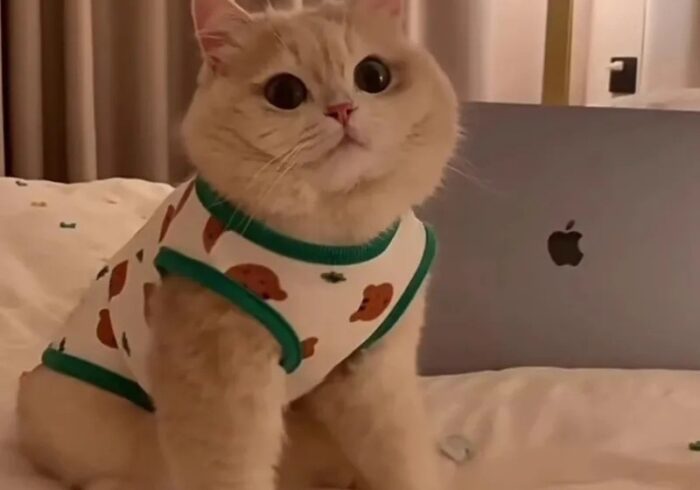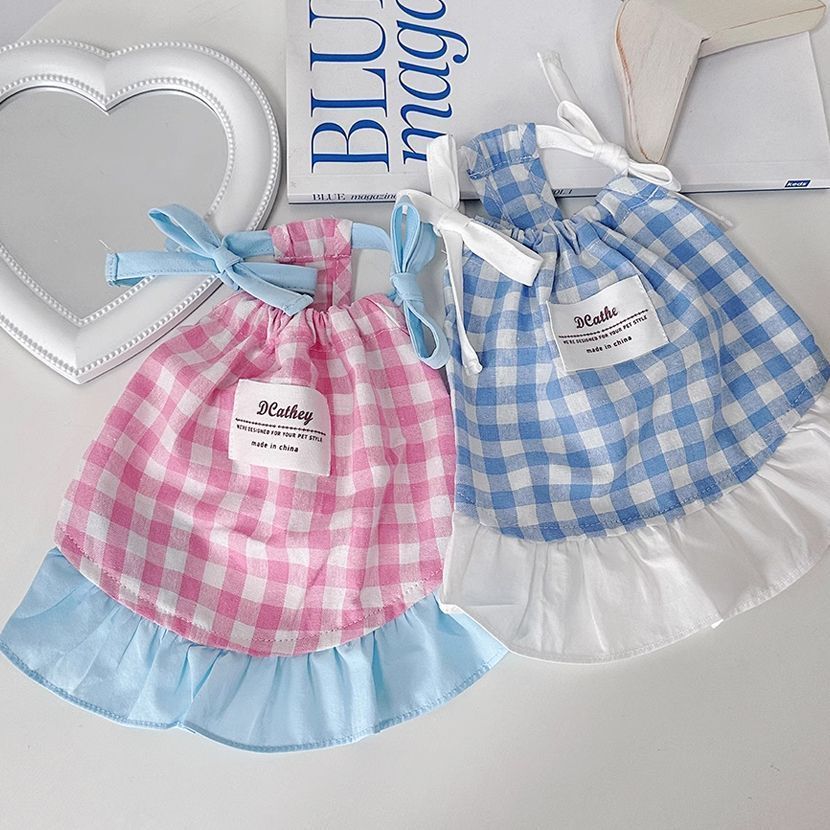
The relationship between humans and their feline companions has undergone a radical transformation over the past several decades. What was once a purely utilitarian partnership—focused on pest control in ancient granaries—has evolved into a deep, emotional bond where cats are treated as integral family members. This cultural shift toward the “humanization” of pets has paved the way for an industry that might have seemed unthinkable a century ago: the flourishing market for cat pet clothes. Far beyond a simple vanity project or a passing social media trend, feline fashion represents a unique intersection of veterinary science, psychological comfort, and creative expression. As we delve into this world, we find that the choice to dress a cat is rarely about the garment itself and more about the quality of life, health, and the evolving domestic environment.
Table of Contents
The Historical Evolution of the Dressed Feline
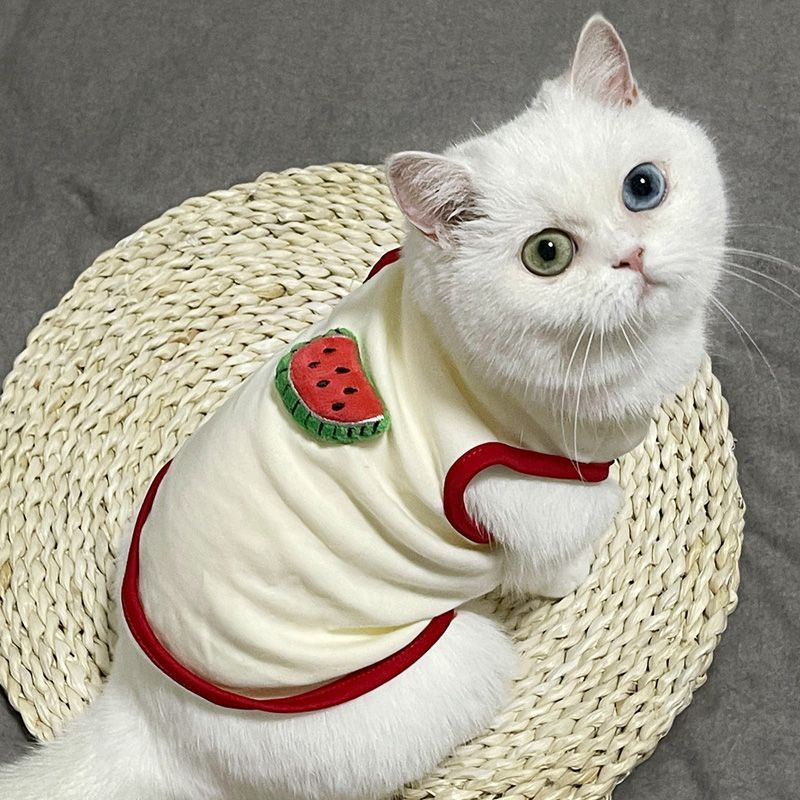
To understand why we dress our cats today, we must first look at the history of animal clothing. While dogs have worn functional armor or hunting vests for centuries, the concept of dressing cats is a relatively modern phenomenon. Historically, cats were prized for their independence and lithe, unencumbered movement. In ancient civilizations, particularly Egypt, cats were worshipped and adorned with precious metals and jewelry, but they were rarely “dressed” in the way we understand the term today. The shift began with the development of specific breeds that lacked the natural defenses of their wild ancestors.
As certain breeds were developed with specific needs—such as the hairless Sphynx or the delicate Devon Rex—the necessity for supplemental warmth became apparent. These practical beginnings eventually merged with the broader pet fashion movement, which has seen its valuation soar toward billions of dollars globally. Today, the industry is no longer confined to cheap novelty costumes. It has expanded into a sophisticated landscape of high-quality textiles, ergonomic designs, and sustainable manufacturing. The rise of pet influencers on global platforms has further accelerated this growth, turning cat pet clothes into a medium for storytelling and personal branding. Modern cat owners are increasingly seeking garments that reflect their own style, whether that means a minimalist aesthetic, eco-friendly materials, or tech-integrated accessories.
The Vital Practicality of Feline Apparel
While the aesthetic appeal of a cat in a tiny sweater is undeniable, many owners are surprised to learn that there are significant health and safety benefits to cat pet clothes. For many cats, a well-fitted garment is not a costume but a therapeutic tool. Understanding these functional advantages is crucial for any pet parent looking to integrate fashion into their cat’s lifestyle without compromising their well-being. The practical applications of these garments span from temperature control to medical recovery, proving that the industry is built on more than just visual charm.
Thermal Regulation and Protection for Specific Breeds
One of the most immediate practical uses for cat pet clothes is thermal protection. Cats have a higher baseline body temperature than humans, usually ranging between one hundred and one hundred and two degrees Fahrenheit. In colder climates or air-conditioned homes, maintaining this temperature can be difficult for certain cats. Hairless breeds, such as the Sphynx or Peterbald, lack the natural insulation of a fur coat and are highly susceptible to hypothermia and skin damage from the cold. For these cats, a soft fleece or wool sweater is a medical necessity rather than a fashion choice. Without these garments, these cats must expend a significant amount of caloric energy just to stay warm, which can lead to weight loss and metabolic stress.
Senior cats and those with chronic illnesses like arthritis also benefit significantly from the warmth provided by clothing. Cold weather can exacerbate joint pain and stiffness, making it difficult for older cats to navigate their environment or groom themselves effectively. By keeping the joints warm, a lightweight vest can improve mobility and overall comfort. Furthermore, cats recovering from illness often have weakened immune systems and lower energy levels, meaning their bodies struggle to generate sufficient heat. A cozy garment provides a passive way to preserve their energy for the healing process, ensuring that their metabolic resources are focused on recovery rather than basic survival in a chilly room.
Post-Surgical Recovery and Dermatological Health
The traditional “cone of shame” or Elizabethan collar is often a source of immense stress for cats. It restricts their peripheral vision, interferes with their ability to eat and drink, and can cause significant disorientation. In many cases, specialized recovery suits—often referred to as surgical onesies—serve as a much more humane alternative. These specific types of cat pet clothes cover the surgical site, preventing the cat from licking or biting at stitches while allowing full range of motion and a clear field of vision. This reduction in stress can actually lead to faster healing times, as the cat remains calm and focused on rest.
Beyond surgery, clothing can protect cats with severe allergies or dermatological conditions. Cats that suffer from over-grooming due to anxiety or skin irritations can cause self-inflicted wounds and bald patches. A soft cotton shirt acts as a physical barrier, allowing the skin to heal while the owner addresses the underlying cause of the irritation. Additionally, for cats that are allowed supervised outdoor access, certain garments can provide a layer of protection against environmental allergens, parasites, and even harmful UV rays. This is particularly important for cats with white or light-colored fur who are prone to skin cancer on their ears and nose.
The Psychological and Sensory World of the Dressed Cat
One of the most complex aspects of feline fashion is the psychological impact on the animal. Unlike dogs, who often associate putting on a harness or coat with the excitement of a walk, cats are highly sensitive to tactile sensations on their fur. Their whiskers and “guard hairs” are sophisticated sensory organs that provide constant feedback about their environment. Introducing clothing requires a deep understanding of feline behavior and a patient, positive-reinforcement-based approach. We must recognize that a cat’s skin is not just a covering but a sensory interface.
Understanding the Tactile Reflex and Adaptation
Many first-time owners are alarmed when their cat, upon being dressed, immediately falls over or refuses to move. This is commonly known as the “freeze and flop” response. It is not necessarily a sign of pain, but rather a sensory overload. The cat’s brain interprets the constant pressure of the fabric on their fur as a physical restraint or a predatory grasp. To mitigate this, it is essential to choose garments that are lightweight and do not restrict the movement of the shoulders or the base of the tail, which are critical areas for feline balance and communication. The garment should feel like a second skin, not a cage.
Successful introduction to cat pet clothes involves gradual desensitization. Owners should start by letting the cat sniff the garment, followed by short sessions where the clothing is draped over their back without being fastened. High-value treats should be provided throughout the process to create a positive association. The goal is to reach a point where the cat perceives the clothing as a natural extension of themselves. Some cats may even find a calming effect in slightly snug clothing, similar to the principle behind “anxiety vests” used for dogs during thunderstorms. This gentle pressure can reduce cortisol levels and provide a sense of security in high-stress environments.
Reading Feline Body Language and Stress Signals
It is the responsibility of the pet owner to constantly monitor their cat’s body language while they are dressed. A cat that is comfortable will continue to engage in normal behaviors such as grooming, playing, and jumping. Signs of distress include flattened ears, a twitching tail, excessive vocalization, or hiding. If a cat shows persistent signs of stress, the clothing should be removed immediately. Not every cat is a candidate for fashion, and respecting an individual animal’s temperament is the hallmark of a responsible owner. The comfort of the animal must always supersede the vanity of the human.
Material Science and Ethical Manufacturing
As the market for cat pet clothes matures, the focus has shifted toward the quality and safety of the materials used. The feline skin is highly absorbent, and cats spend a significant portion of their day grooming. This means that any chemicals or dyes present in their clothing could potentially be ingested. Consequently, there is a massive move toward organic, non-toxic, and sustainable textiles in the high-end pet fashion sector. The science of what goes into these fabrics is just as important as the design itself.
Sustainable Fibers and Antimicrobial Properties
Modern pet parents are increasingly avoiding synthetic fabrics like cheap polyester, which can trap heat and cause skin irritation. Instead, there is a growing demand for organic cotton, bamboo, and even hemp-based fibers. Bamboo is particularly prized in the cat pet clothes industry for its natural antimicrobial properties and its incredible softness, which is ideal for the sensitive skin of hairless breeds. These natural fibers allow for better airflow, preventing the buildup of moisture and bacteria against the cat’s skin.
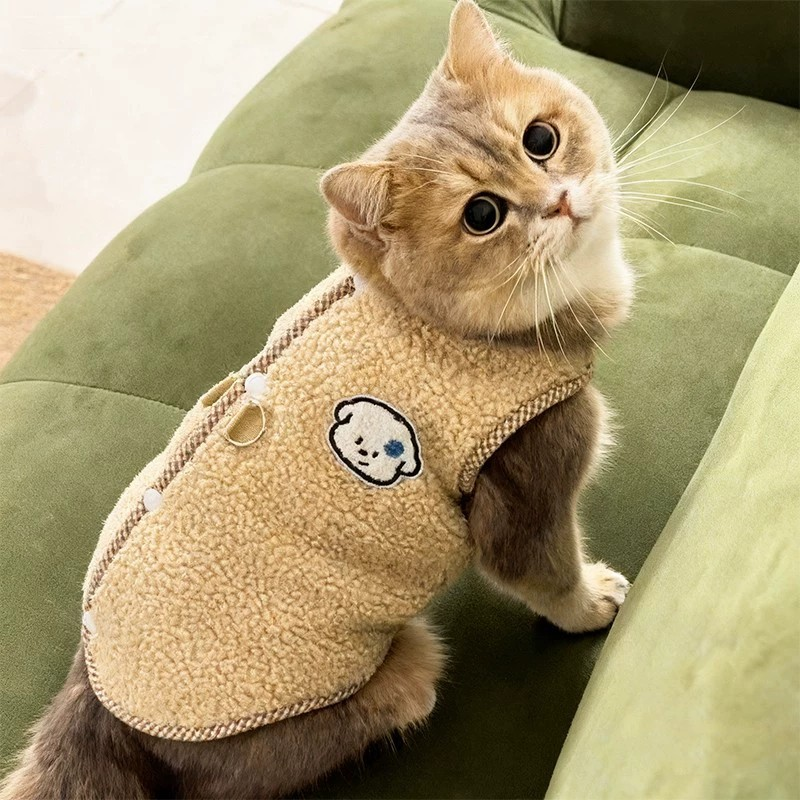
Sustainability is also becoming a key driver in consumer choice. Eco-conscious brands are now utilizing recycled materials and low-impact dyes to reduce the environmental footprint of pet fashion. This shift mirrors the broader movement in human fashion toward ethical production. By choosing high-quality, sustainable clothing, owners are making a choice that is better for their pet, their home, and the planet. The durability of these natural fibers also means that the garments last longer, reducing the “fast fashion” waste that often plagues the pet industry.
Safety Standards and Chemical Hazards
One often overlooked risk in pet apparel is the presence of toxic chemicals. Many inexpensive garments are treated with wrinkle-resistant coatings or flame retardants that contain volatile organic compounds. Because cats are smaller than humans, their exposure levels to these toxins are proportionately much higher. Furthermore, synthetic garments shed microplastics during the wash cycle, which can contribute to environmental pollution. To ensure safety, owners should look for garments that are certified as non-toxic and use gentle, pet-safe detergents when cleaning feline wardrobes. The health of the cat depends on a clean, chemical-free environment.
Designing for the Feline Form: Sizing and Ergonomics
A primary cause of discomfort in cat pet clothes is incorrect sizing. Cats have highly flexible skeletal structures, and a garment that is too tight can restrict their breathing or their ability to use the litter box, while a garment that is too loose can lead to entanglement or accidents. Proper measurement is a technical skill that every cat fashion enthusiast should master. The feline body is built for agility, and any clothing must accommodate this extreme range of motion.
Precision Measuring for a Perfect Fit
When measuring a cat for clothing, three primary dimensions are essential: the neck circumference, the chest girth, and the back length. The chest girth is the most critical measurement, as it determines the cat’s ability to breathe and move their front legs freely. This measurement should be taken at the widest part of the ribcage, typically just behind the front legs. The general rule is that you should be able to comfortably fit two fingers between the fabric and the cat’s body to ensure there is no constriction of the lungs or diaphragm.
The back length is measured from the base of the neck to the base of the tail. It is important that the garment does not extend too far down the tail, as this can interfere with the cat’s balance and their ability to raise their tail—a key component of feline social signaling. For male cats, the underside of the garment must be cut high enough to allow for clean and unobstructed use of the litter box. Many high-end brands now offer breed-specific sizing to account for the unique proportions of different cats, such as the long, lean body of an Oriental Shorthair versus the stocky build of a British Shorthair.
The Importance of Elasticity and Fasteners
Given how much cats stretch and contort during play and sleep, the best cat pet clothes often incorporate a degree of elasticity. Ribbed knits and spandex blends are popular for this reason. Adjustability features, such as Velcro straps or elastic drawstrings, can also help customize the fit. However, owners must be cautious with fasteners. Zippers can easily catch on fur, and small buttons or sequins can become choking hazards if the cat decides to chew on them. Snaps or soft Velcro are generally considered the safest options for feline apparel. The goal is to minimize any points of friction or potential danger.
Safety Standards and Supervised Wear
No discussion of cat pet clothes would be complete without a serious look at safety. While dressing a cat can be a fun and beneficial activity, it introduces new risks that do not exist for an unencumbered animal. Constant supervision is the golden rule of pet fashion. A cat in clothing is a cat that needs a watchful eye to ensure that their environment does not become a series of traps.
Mitigating Entanglement and Choking Risks
Cats are natural climbers and explorers. A sweater or shirt with loose threads, loops, or dangling accessories can easily snag on a cabinet handle, a chair leg, or a tree branch. If a cat becomes entangled while jumping, the results can be catastrophic. For this reason, cat pet clothes should never be worn while the cat is outdoors unsupervised or while the owners are away from home. Every garment should be inspected regularly for wear and tear, and any loose components should be repaired or removed immediately. Safety must always come before style.
Choking is another significant concern. Cats use their mouths to explore their environment and to groom. If a piece of clothing has small, poorly secured decorations, a curious cat may swallow them. Similarly, if a garment is poorly fitted, a cat may attempt to “groom” their way out of it, potentially getting their jaw or a limb stuck in a sleeve or neckline. This can lead to panic and injury. Choosing simple, streamlined designs is always the safest approach to feline fashion. Minimalist designs are not just a style choice; they are a safety choice.
Reflective Elements and Visibility
As we look toward the future, safety is being enhanced by technology. Many modern garments include reflective stitching and high-visibility fabrics that make cats easier to spot in low-light conditions. This is particularly useful for owners who take their cats for walks on a leash and harness. Some innovative brands are even experimenting with built-in tracking pockets for GPS devices. These advancements aim to merge fashion with functional pet care, providing owners with peace of mind while their pets look their best.
Seasonal Trends and the Future of Feline Style
While functionality is paramount, the joy of cat pet clothes often lies in the aesthetic. The industry follows many of the same seasonal cycles as human fashion, with distinct palettes and patterns for different times of year. However, the future of the industry lies in the fusion of tech, sustainability, and high design. The “catwalk” is no longer just for humans; it is a space where our feline friends are beginning to take center stage.
Spring/Summer: Breathability and Sun Protection
In the warmer months, the focus of cat pet clothes shifts to sun protection and breathability. Light pastels—such as lavender, mint green, and baby blue—are the dominant colors for upcoming seasons. Lightweight cotton “sun shirts” are popular for cats that enjoy lounging in sunbeams. These garments help prevent sunburn on the ears and nose while keeping the cat’s core cool through moisture-wicking technology. The goal here is to protect without overheating, ensuring the cat can enjoy the warmth of the sun without the risks of UV damage.
Autumn/Winter: Layering and Holiday Cheer
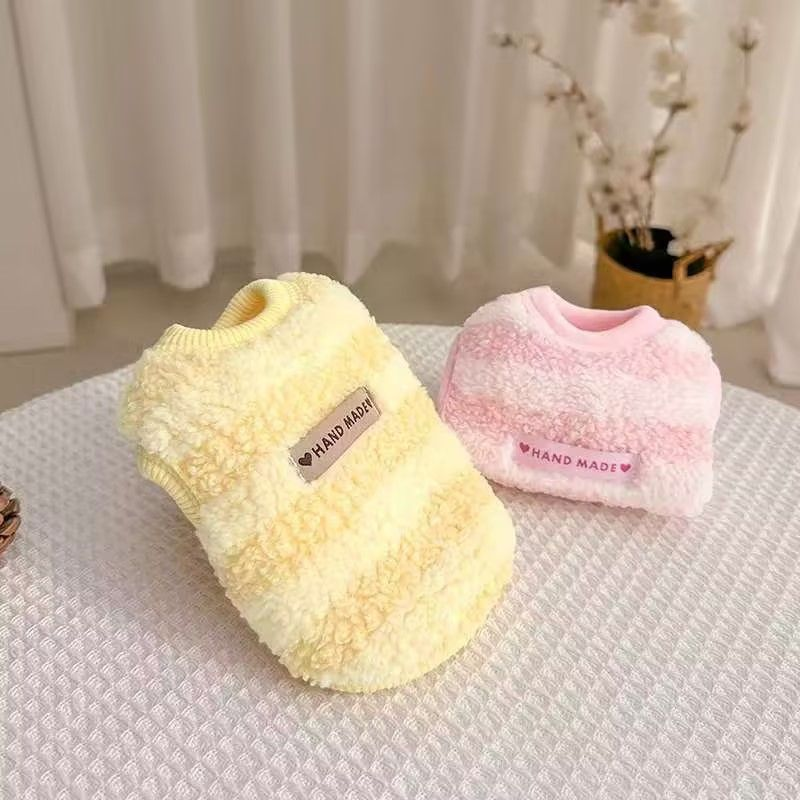
As the temperature drops, the market sees a surge in heavy-duty knits, hoodies, and festive attire. Halloween remains the single largest peak for the cat pet clothes industry, with owners seeking creative costumes. However, there is a growing trend toward everyday winter wear—stylish, high-quality sweaters that can be worn throughout the season. Deep jewel tones, classic plaid patterns, and faux-fur trims are perennial favorites that offer both warmth and a touch of luxury. The winter season is where the functional benefits of clothing truly shine for the domestic cat.
Conclusion
The world of cat pet clothes is a complex and evolving landscape that reflects our changing relationship with the animals we love. Whether it is a therapeutic onesie helping a cat recover from surgery, a warm sweater protecting a senior feline from the winter chill, or a sustainable bamboo shirt that makes a fashion statement, these garments have become more than just “cute.” They are tools for health, comfort, and bonding. By prioritizing high-quality materials, ensuring a perfect fit, and always putting the cat’s safety and psychological well-being first, owners can successfully navigate this fun and functional aspect of modern pet ownership. As we move further into the decade, the integration of technology and a renewed focus on sustainability will continue to define what it means to be a “fashion-forward” feline.
How to purchase:Online B2B sourcing platform, China purchase, Chinese suppliers – LooperBuy
Frequently Asked Questions
1. How can I tell if my cat is actually comfortable in their clothes?
Observe your cat’s behavior; if they can jump, play, and eat normally without showing signs of stress like flattened ears or hiding, they are comfortable.
2. Are there specific fabrics that I should always avoid for my cat?
Avoid scratchy wool, cheap synthetic polyester that traps heat, and any fabric treated with harsh chemicals or toxic dyes.
3. Can wearing clothes actually help a cat with anxiety?
Yes, for some cats, the gentle and consistent pressure of a snug-fitting garment can have a grounding effect, similar to an anxiety wrap.
4. How often should I wash my cat’s pet clothes?
You should wash them at least once a week using fragrance-free, pet-safe detergent to remove oils, dander, and potential bacteria.
5. Is it safe to leave my cat in clothes while I am away from home?
No, it is generally unsafe to leave a dressed cat unsupervised due to the risk of the garment snagging on furniture or causing entanglement.
HOT TAG:
Cat pet clothes, feline fashion trends, Sphynx cat sweaters, sustainable pet apparel, organic cotton cat shirts, cat surgical recovery suit, feline temperature regulation, pet safety tips, measuring cat clothes, luxury cat outfits, cat anxiety vests, eco-friendly pet gear, feline body language, pet influencer culture, cat winter wear, non-toxic pet textiles, breathable cat fabrics, feline grooming protection, cat costumes safety, modern pet humanization.