As we step into 2025, the world of interior design is buzzing with fresh ideas and innovative styles that reflect our evolving tastes and lifestyles. This year, decorating trends are not just about aesthetics; they embody a deeper connection to sustainability, comfort, and personal expression. In this article, we will delve into the most exciting decorating trends for 2025, exploring how they can transform your living spaces into havens of style and comfort.
Table of Contents
The Rise of Color Drenching

One of the most significant trends making waves in 2025 is color drenching. This technique involves painting all surfaces in a room—walls, ceilings, and even trim—in the same bold color. This approach creates a cohesive and immersive environment that can make a space feel larger and more inviting.
Embracing Bold Palettes
Gone are the days of muted tones dominating our interiors. This year, designers are encouraging homeowners to embrace vibrant hues. Rich colors like deep greens, navy blues, and warm terracotta are becoming popular choices. These shades not only add depth but also evoke a sense of warmth and comfort, making them perfect for living rooms and bedrooms.
Creating Mood with Color
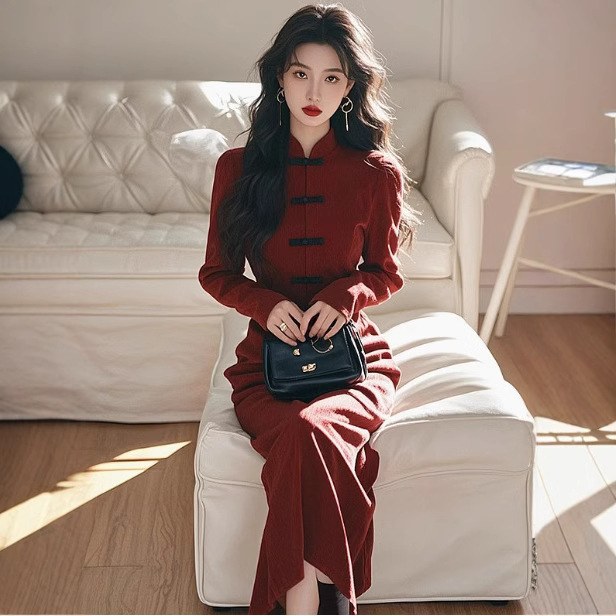
Color drenching allows for the creation of distinct moods within a space. For instance, a room painted in a soft lavender can evoke tranquility, while a bold mustard yellow can energize and uplift. By carefully selecting colors that resonate with your personality and lifestyle, you can curate an environment that feels uniquely yours.
Best Color Combinations for 2025
When considering color combinations for color drenching, think about complementary and analogous colors. For example, pairing a deep emerald green with soft blush pink can create a sophisticated yet inviting atmosphere. Alternatively, a combination of navy blue and mustard yellow can add a vibrant and modern touch to your space. The key is to choose colors that not only look good together but also reflect your personal style and the mood you wish to create.
Sustainable and Natural Materials
As environmental consciousness continues to grow, the use of sustainable materials in home decor is becoming increasingly important. In 2025, expect to see a surge in the popularity of natural materials that not only look good but are also eco-friendly.
The Appeal of Organic Textures
Natural textures such as wood, stone, and bamboo are making a comeback. These materials bring a sense of the outdoors inside, creating a calming and organic atmosphere. Furniture made from reclaimed wood or decor items crafted from sustainable sources are not only stylish but also contribute to a healthier planet.
Biophilic Design
Biophilic design, which emphasizes the connection between nature and interior spaces, is gaining traction. Incorporating plants, natural light, and organic shapes into your decor can enhance your well-being and create a more inviting environment. This trend encourages the use of large windows, indoor gardens, and natural light to create a seamless transition between indoor and outdoor spaces.
Ensuring Ethical Sourcing of Materials
When selecting sustainable materials, it’s crucial to ensure they are ethically sourced. Look for certifications such as FSC (Forest Stewardship Council) for wood products, which guarantees that the materials come from responsibly managed forests. Additionally, consider local sourcing to reduce carbon footprints and support local economies. By making informed choices, you can contribute to a more sustainable future while enhancing your home’s aesthetic.
Multifunctional Spaces
With the rise of remote work and changing lifestyles, the need for multifunctional spaces has never been greater. In 2025, designers are focusing on creating versatile areas that can adapt to various needs.
Flexible Furniture Solutions
Furniture that serves multiple purposes is a key component of this trend. Look for pieces like sofa beds, extendable dining tables, and modular shelving units that can be reconfigured to suit different activities. This flexibility allows homeowners to maximize their space without sacrificing style.
Designing for Dual Purposes
Incorporating elements that serve dual purposes is essential for creating multifunctional spaces. For example, a home office can be designed to double as a guest room, featuring a stylish daybed that blends seamlessly with the decor. This approach not only saves space but also enhances the overall functionality of your home.
Innovative Space-Saving Solutions
In addition to flexible furniture, consider built-in storage solutions that can help keep your space organized and clutter-free. Wall-mounted shelves, under-bed storage, and foldable furniture can all contribute to a more efficient use of space. By integrating these solutions into your design, you can create a home that is both stylish and practical.
The Importance of Zoning
Zoning is another critical aspect of multifunctional spaces. By defining different areas within a room, you can create distinct zones for various activities. For instance, using rugs to delineate a workspace from a relaxation area can help establish boundaries while maintaining an open and airy feel. This approach not only enhances functionality but also adds visual interest to your space.
Innovative Space-Saving Solutions
- Murphy Beds: These foldable beds can be tucked away into a wall or cabinet when not in use, freeing up valuable floor space during the day. They are perfect for small apartments or guest rooms.
- Convertible Furniture: Look for furniture that can transform into different forms, such as a coffee table that can extend into a dining table or a bench that can convert into a storage unit. This versatility allows you to adapt your space to your needs.
- Wall-Mounted Desks: A wall-mounted desk can be folded down when needed and tucked away when not in use, making it an excellent solution for small home offices or study areas.
- Storage Ottomans: These multifunctional pieces can serve as seating, footrests, and storage solutions all in one. They are perfect for living rooms or bedrooms where space is limited.
- Nesting Tables: Nesting tables can be stacked together when not in use and separated when you need extra surface space. They are ideal for entertaining guests or providing additional space for drinks and snacks.
- Under-Stair Storage: Utilize the often-overlooked space under stairs for built-in storage solutions. This area can be transformed into a small library, a play area, or additional closet space.
- Sliding Doors: Instead of traditional swinging doors, consider sliding doors for closets or room dividers. They save space and can add a modern touch to your decor.
- Foldable Dining Sets: A foldable dining table and chairs can be easily stored away when not in use, making them perfect for small dining areas or kitchens.
- Pegboards: Use pegboards in kitchens or home offices to hang tools, utensils, or office supplies. This keeps items organized and easily accessible while saving counter space.
- Multi-Use Room Dividers: Room dividers that also serve as bookshelves or storage units can help define spaces in open floor plans while providing additional functionality.
Vintage and Retro Influences
Nostalgia plays a significant role in 2025’s decorating trends, with vintage and retro styles making a strong comeback. This trend celebrates the charm of bygone eras while incorporating modern sensibilities.
Mixing Old and New
Designers are encouraging homeowners to mix vintage pieces with contemporary decor. This eclectic approach adds character and depth to a space, allowing for personal expression. Consider incorporating antique furniture, retro lighting fixtures, or vintage textiles to create a unique and inviting atmosphere.
The Charm of Tapestry Prints
Tapestry prints are experiencing a resurgence, with richly patterned fabrics becoming a staple in home decor. These prints can be used in various ways, from wall hangings to upholstery, adding a touch of warmth and personality to any room. The key is to balance these bold patterns with more subdued elements to avoid overwhelming the space.
Embracing Imperfection
The trend towards vintage and retro also embraces the beauty of imperfection. This year, designers are celebrating handmade items, artisanal crafts, and pieces that tell a story. Incorporating items with a history or unique character can add depth and warmth to your home, making it feel more lived-in and personal.
Curating a Vintage Collection
To effectively incorporate vintage pieces into your home, consider curating a collection that reflects your personal style. This could include vintage ceramics, art deco furniture, or mid-century modern decor. By thoughtfully selecting items that resonate with you, you can create a cohesive look that feels both curated and authentic.
The Importance of Personalization
In 2025, personalization is at the forefront of decorating trends. Homeowners are increasingly looking to create spaces that reflect their individual tastes and lifestyles.
Curating a Personal Gallery
One way to personalize your space is by curating a gallery wall that showcases your favorite art, photographs, and mementos. This not only adds visual interest but also tells a story about who you are. Consider mixing different frame styles and sizes for an eclectic look, or opt for a more uniform approach for a cleaner aesthetic.
Incorporating Meaningful Decor
Incorporating decor items that hold personal significance can also enhance the sense of personalization in your home. Whether it’s a family heirloom, a piece of art from a local artist, or souvenirs from your travels, these items can add character and warmth to your space.
Customizing Furniture and Decor
Another way to achieve personalization is by customizing furniture and decor. Many retailers now offer options for bespoke pieces, allowing you to choose fabrics, colors, and finishes that align with your vision. This not only ensures that your home reflects your style but also creates a sense of ownership and pride in your space.
The Role of Technology in Personalization
Technology is also playing a significant role in personalization. Smart home devices can be programmed to adjust lighting, temperature, and even decor based on your preferences. This level of customization allows you to create an environment that is not only stylish but also tailored to your lifestyle.
Conclusion
As we embrace the decorating trends of 2025, it’s clear that our homes are evolving into spaces that reflect our values and lifestyles. From bold color choices and sustainable materials to multifunctional designs and vintage influences, this year’s trends offer a wealth of opportunities for personal expression and creativity. By incorporating these elements into your home, you can create a space that is not only stylish but also a true reflection of who you are.
How to purchase:Online B2B sourcing platform, China purchase, Chinese suppliers – LooperBuy
Article Summary:
This article explores the latest decorating trends for 2025, highlighting the rise of color drenching, the use of sustainable materials, the importance of multifunctional spaces, and the charm of vintage influences. It emphasizes how these trends reflect evolving lifestyles and personal expression, offering insights into creating stylish and inviting interiors.
Hot Tags: Color Drenching; Sustainable Materials; Multifunctional Spaces; Vintage Decor; Biophilic Design; Organic Textures; Bold Color Palettes; Retro Influences; Eclectic Style; Home Office Design; Indoor Plants; Natural Light; Flexible Furniture; Tapestry Prints; Warm Hues; Reclaimed Wood; Modern Vintage; Cozy Interiors; Personal Expression; Home Decor Trends; 2025 Design; Comfort in Design; Stylish Living; Interior Aesthetics; Nature-Inspired Decor; Creative Spaces; Timeless Design; Home Transformation; Contemporary Style; Design Innovation.
Related Questions & Answers
· What are the best color combinations for color drenching in 2025?
The best color combinations for color drenching in 2025 include deep emerald green with soft blush pink, or navy blue paired with mustard yellow, creating a sophisticated and inviting atmosphere.
· How can I ethically source sustainable materials for my home decor?
To ethically source sustainable materials, look for certifications like FSC for wood products and consider local sourcing to reduce carbon footprints and support local economies.
· What are some innovative space-saving solutions for multifunctional spaces?
Innovative space-saving solutions include Murphy beds, convertible furniture, wall-mounted desks, storage ottomans, nesting tables, under-stair storage, sliding doors, foldable dining sets, pegboards, and multi-use room dividers.