Introduction
When it comes to thermos cups, Stanley is a name that stands out. Since its founding in 1913, Stanley has become synonymous with durability, reliability, and exceptional thermal insulation performance. Stanley thermos cups have captured the hearts of outdoor enthusiasts, daily commuters, and beverage lovers alike. Whether you’re sipping hot coffee on a cold morning or enjoying cold lemonade on a sweltering day, Stanley thermos cups are the perfect companions. This comprehensive guide will delve into the history, features, usage tips, and more of Stanley thermos cups, helping you make the most of this classic yet innovative product.
Table of Contents
The Rich History of Stanley
Stanley’s story began in 1913 when inventor William Stanley Jr. revolutionized the way people consumed hot drinks by creating the world’s first stainless steel vacuum-sealed thermos. This innovative design combined the durability of steel with the thermal insulation benefits of a vacuum, setting Stanley on a path to becoming a household name in the thermos industry. In 1915, Stanley began mass-producing thermos cups, vacuum bottles, and food containers in Barre, Massachusetts. During World War II, Stanley thermos cups were used to transport plasma on B-17 bombers, marking the beginning of their long-standing association with military equipment. Over the decades, Stanley has continued to innovate and evolve, with its iconic “hammered green” design first appearing in 1953. In 2013, Stanley celebrated its 100th anniversary, cementing its status as a legendary brand in the thermos industry.
The Core Features of Stanley Thermos Cups
Thermal Insulation Technology
Stanley thermos cups utilize double-walled stainless steel vacuum insulation technology. The vacuum between the two walls effectively prevents heat transfer through conduction, convection, and radiation. This advanced thermal insulation technology ensures that hot beverages stay hot for up to 7 hours and cold beverages stay cold for up to 2 days. For instance, the 20-ounce Stanley Classic Vacuum Insulated thermos cup can maintain its temperature for extended periods, making it ideal for users who enjoy their coffee at the perfect temperature throughout the day.
Durable Materials
Stanley thermos cups are crafted from 18/8 stainless steel, renowned for its rust resistance, durability, and ability to withstand wear and tear. This premium material not only provides structural integrity but also ensures easy cleaning and maintenance. The stainless steel exterior is complemented by a rubberized grip, enhancing durability and making it suitable for rough handling during outdoor adventures.
Leak-Proof Design
Stanley thermos cups feature a tightly sealing screw-on lid. This design prevents hot or cold air from coming into contact with the beverage, effectively maintaining its temperature for longer. The lid’s leak-proof design allows users to carry the thermos cup in backpacks or bags without worrying about spills. Additionally, the lid doubles as a drinking cup, making it convenient to pour and enjoy beverages on the go. Beneath the lid, a twist-and-pour stopper minimizes leakage risks and limits the beverage’s exposure to the elements, ensuring it stays hotter or colder for longer.
Stylish and Practical Design
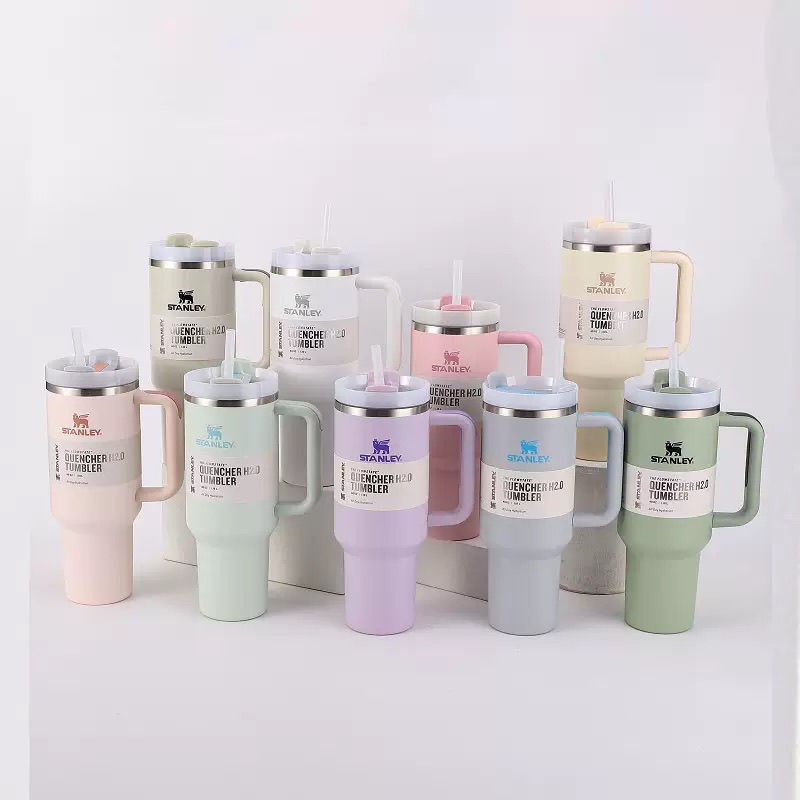
Stanley thermos cups blend functionality with aesthetics. They come in a variety of colors and finishes, catering to different user preferences and styles. The classic hammered green design has become a symbol of Stanley’s heritage, while modern color options appeal to fashion-conscious consumers. Moreover, Stanley thermos cups are designed with portability in mind. Many models feature collapsible handles, making them easy to carry. Their slim profiles fit comfortably into backpack water bottle sleeves, and their lightweight yet sturdy construction ensures they won’t weigh you down during outdoor activities.
The Popularity of Stanley Thermos Cups
Outdoor Enthusiasts’ Favorite
Stanley thermos cups are highly popular among outdoor enthusiasts. Their durability and thermal insulation capabilities make them ideal for camping, hiking, fishing, and other outdoor activities. Whether you’re sipping hot coffee in the wilderness or enjoying cold drinks after a long hike, Stanley thermos cups provide reliable performance. For example, guides at Camp Denali in Alaska have used Stanley thermos cups for over 30 years. Despite enduring rough handling and extreme weather conditions, these cups continue to function flawlessly, showcasing their exceptional durability.
Social Media Sensation
In recent years, Stanley thermos cups have gained significant attention on social media platforms like TikTok. Users share their experiences with Stanley products, highlighting their durability and thermal insulation properties. One user posted a video showing how her Stanley Quencher survived a car fire intact, with ice still remaining inside. Stanley’s response to this post—offering to buy her a new car—won the brand accolades from existing fans and attracted new ones. This social media buzz has propelled Stanley thermos cups into the spotlight, making them a trendy accessory among young consumers.
A Symbol of Sustainable Living
Stanley actively promotes sustainable living by encouraging the use of reusable thermos cups to reduce the reliance on disposable plastic cups. This environmental commitment resonates with eco-conscious consumers who prioritize reducing waste and protecting the planet. Stanley’s thermos cups, made from recyclable stainless steel, are not only durable but also environmentally friendly. Their long lifespan means fewer cups end up in landfills, aligning with the principles of sustainable living.
How to Choose the Right Stanley Thermos Cup
Consider Your Needs
When selecting a Stanley thermos cup, consider your specific needs. If you frequently engage in outdoor activities, a large-capacity thermos cup with enhanced durability would be ideal. For daily commuting, a medium-sized thermos cup that fits easily into a backpack or bag might be more suitable. Stanley offers a wide range of thermos cups in various sizes, from 12 ounces to 64 ounces, catering to different usage scenarios.
Evaluate Thermal Insulation Performance
While Stanley thermos cups are renowned for their thermal insulation capabilities, performance may vary slightly across different models. If maintaining beverage temperature for extended periods is a priority, opt for a thermos cup with superior thermal insulation technology. The Stanley Classic Vacuum Insulated series is highly recommended for its exceptional performance in retaining heat and cold.
Prioritize Durability
Stanley thermos cups are known for their durability, but certain models may be better suited to rough handling. If you plan to use your thermos cup in challenging outdoor environments, choose a model with reinforced stainless steel construction and a rubberized grip for added protection against drops and impacts.
Consider Portability
While Stanley thermos cups are designed to be portable, their weight and size can vary. If lightweight travel is a priority, consider a smaller thermos cup or a model with a collapsible handle for easier carrying. Stanley offers various lightweight and compact thermos cup options to meet the needs of different users.
How to Use and Maintain Stanley Thermos Cups
Proper Usage
- Preheat or Precool the Cup: Before pouring in hot or cold beverages, rinse the thermos cup with hot or cold water to bring it to the desired temperature. This helps improve thermal insulation performance.
- Avoid Overfilling: Overfilling the thermos cup may cause spills and affect its sealing performance. Leave some space at the top of the cup to ensure the lid can be securely closed.
- Hand Wash for Best Results: While many Stanley thermos cups are dishwasher-safe, hand washing is recommended to prolong their lifespan. Use mild dish soap and a soft sponge to clean the interior and exterior of the cup, then rinse thoroughly with water.
Maintenance Tips
- Regular Cleaning: Clean your Stanley thermos cup regularly to maintain hygiene and prevent odors. After each use, rinse the cup with warm water and wash it with mild dish soap. Dry it thoroughly before storing.
- Avoid Harsh Cleaning Agents: Harsh cleaning agents may damage the surface of the thermos cup and affect its thermal insulation performance. Opt for mild dish soap and avoid using abrasive scrubbers.
- Store Properly: When not in use, store your Stanley thermos cup in a dry, well-ventilated area. Avoid placing heavy objects on top of it to prevent deformation or damage.
Troubleshooting Common Issues
Poor Thermal Insulation Performance
If your Stanley thermos cup fails to maintain beverage temperature effectively, it may be due to a compromised vacuum seal. Check whether the lid is securely closed and whether the seal is intact. Over time, the seal may wear out and need replacement. If the thermal insulation performance continues to decline, consider contacting Stanley’s customer service for assistance.
Leakage Issues
Leakage can occur if the lid is not properly sealed or if the seal is damaged. Ensure the lid is tightly closed and that the seal is in good condition. Avoid overfilling the thermos cup and handle it gently to prevent damage to the lid and seal. If leakage persists, try replacing the lid or seal.
Odor or Taste Issues
If your Stanley thermos cup develops an unpleasant odor or taste, it may be due to prolonged use without proper cleaning or the growth of bacteria inside the cup. Clean the thermos cup thoroughly with warm water and mild dish soap, then rinse it multiple times with water. You can also use a mixture of baking soda and water to remove odors. For stubborn odors, consider soaking the cup in vinegar for a short period before rinsing it thoroughly with water.
Conclusion
Stanley thermos cups, with their rich history, superior thermal insulation technology, durable materials, and thoughtful design, have earned their place as a classic in the thermos industry. They are not only practical tools for keeping beverages hot or cold but also symbols of quality and reliability. Whether for outdoor adventures, daily commutes, or home use, Stanley thermos cups can meet your needs. By understanding how to choose, use, and maintain these thermos cups, you can fully enjoy the benefits they offer. Stanley thermos cups are more than just beverage containers; they are lifelong companions that accompany you through every moment of life.
How to Purchase:https://looperbuy.com/search?keywords=stanley+thermos+cup
Q&A
What is the thermal insulation principle behind Stanley thermos cups?
Stanley thermos cups utilize double-walled stainless steel vacuum insulation technology. The vacuum between the two walls significantly reduces heat transfer through conduction, convection, and radiation, effectively maintaining the temperature of beverages for extended periods.
How durable are Stanley thermos cups?
Stanley thermos cups are made from 18/8 stainless steel, offering excellent rust resistance and durability. They can withstand rough handling and harsh environments. For example, Stanley thermos cups used by guides at Camp Denali in Alaska have functioned flawlessly for over 30 years despite enduring extreme conditions.
Are Stanley thermos cups leak-proof?
Yes, Stanley thermos cups feature a tightly sealing screw-on lid and a twist-and-pour stopper, effectively preventing leaks. You can safely carry them in backpacks or bags without worrying about spills.
How long can Stanley thermos cups keep beverages hot or cold?
A 20-ounce Stanley thermos cup can keep hot beverages hot for up to 7 hours and cold beverages cold for up to 2 days. Smaller thermos cups, such as 16-ounce models, can maintain cold temperatures for up to 4 hours and hot temperatures for up to 7 hours.
What should I note when cleaning a Stanley thermos cup?
It is recommended to hand wash Stanley thermos cups using mild dish soap and a soft sponge. Avoid using harsh cleaning agents and abrasive scrubbers to prevent damage to the cup’s surface. After cleaning, rinse thoroughly with water and dry completely before storing.