When it comes to pet ownership, ensuring the safety and comfort of your furry friend is paramount. Among the essential items every pet owner should have are a reliable collar and leash. These tools not only help in controlling your pet during walks but also serve as a means of identification and safety. In this article, we will explore the various types of pet collars and leashes available, their features, and how to choose the right ones for your beloved companion.
Table of Contents
Understanding Pet Collars
Types of Collars
Pet collars come in various styles, each designed for specific purposes. Here are some common types:
Flat Collars
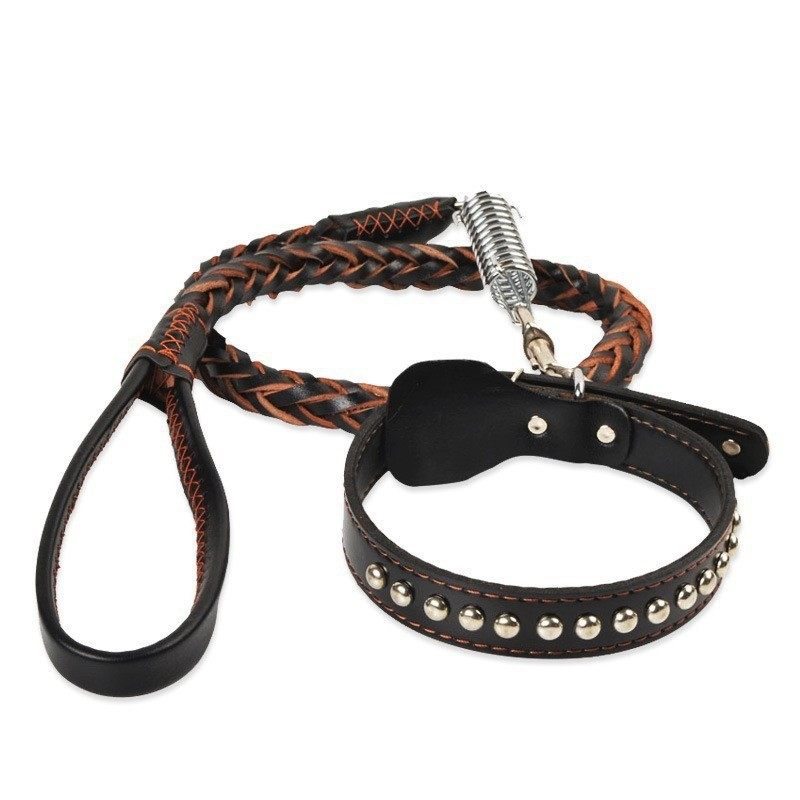
Flat collars are the most common type and are suitable for everyday use. They are typically made of nylon or leather and come with a buckle or snap closure. Flat collars are ideal for holding ID tags and are comfortable for pets to wear throughout the day. They come in various colors and designs, allowing you to express your pet’s personality.
Martingale Collars
Martingale collars are designed for dogs that tend to slip out of their collars. They tighten slightly when pulled, preventing escape without choking the dog. These collars are particularly useful for breeds with narrow heads, such as Greyhounds. They provide a secure fit while allowing for comfort and movement.
Harnesses
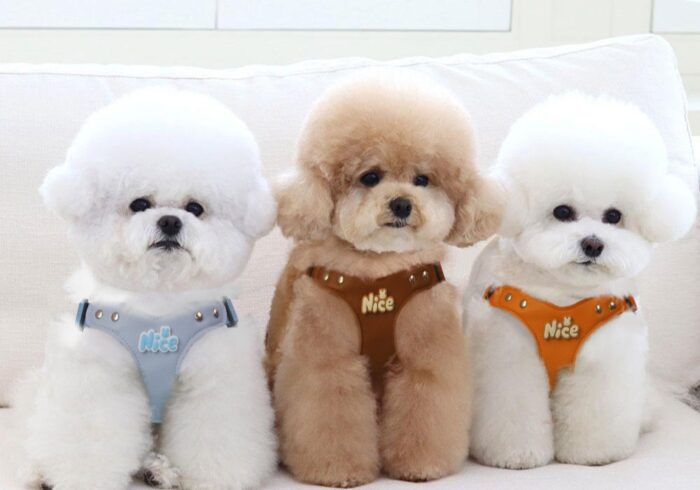
While not technically a collar, harnesses are an excellent alternative for dogs that pull on the leash. They distribute pressure across the dog’s body rather than concentrating it on the neck, making them a safer option for walks. Harnesses come in various styles, including front-clip and back-clip designs, catering to different walking behaviors.
Choosing the Right Collar
When selecting a collar for your pet, consider the following factors:
- Size: Ensure the collar fits snugly but allows for two fingers to fit between the collar and your pet’s neck. A properly fitted collar prevents choking and discomfort.
- Material: Choose a durable material that can withstand wear and tear. Nylon is lightweight and easy to clean, while leather offers a classic look and durability. Consider your dog’s activity level when selecting the material.
- Style: Collars come in various colors and designs, allowing you to express your pet’s personality. From vibrant patterns to classic styles, the options are endless.
The Importance of Leashes
Types of Leashes
Just like collars, leashes come in different styles, each serving unique purposes:
Standard Leashes
Standard leashes are typically 4 to 6 feet long and are made from nylon or leather. They provide good control during walks and are suitable for most dogs. Standard leashes are versatile and can be used in various situations, from casual walks to training sessions.
Retractable Leashes
Retractable leashes allow your dog to roam freely while still being under your control. They can extend up to 26 feet, giving your pet more freedom to explore. However, they require careful handling to prevent tangling or sudden pulls. Retractable leashes are ideal for open spaces where your dog can safely explore.
Training Leashes
Training leashes are often longer and designed for specific training purposes. They help in teaching commands and improving leash manners. These leashes can be particularly useful for training sessions, allowing for more distance between you and your dog while maintaining control.
Selecting the Right Leash
When choosing a leash, consider the following:
- Length: A standard length of 4 to 6 feet is ideal for most situations. Longer leashes are better for training but can be cumbersome in crowded areas. The right length allows for control while giving your dog some freedom.
- Material: Look for a sturdy material that can withstand pulling. Nylon is a popular choice for its strength and lightweight nature. Leather leashes offer durability and a classic look but may require more maintenance.
- Handle Comfort: Ensure the handle is comfortable to hold, especially if your dog tends to pull. A padded handle can provide extra comfort during long walks.
Matching Collars and Leashes
Style Coordination
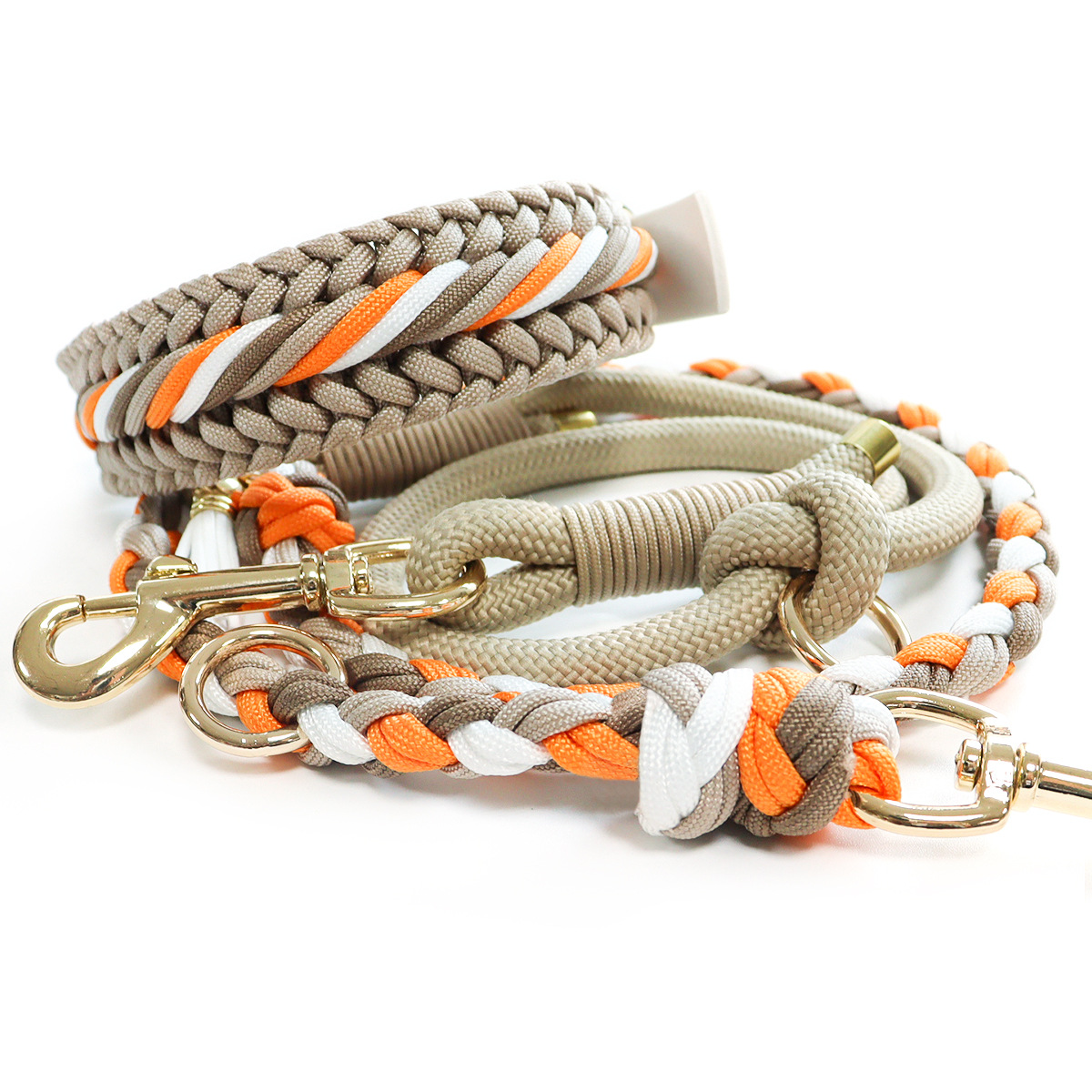
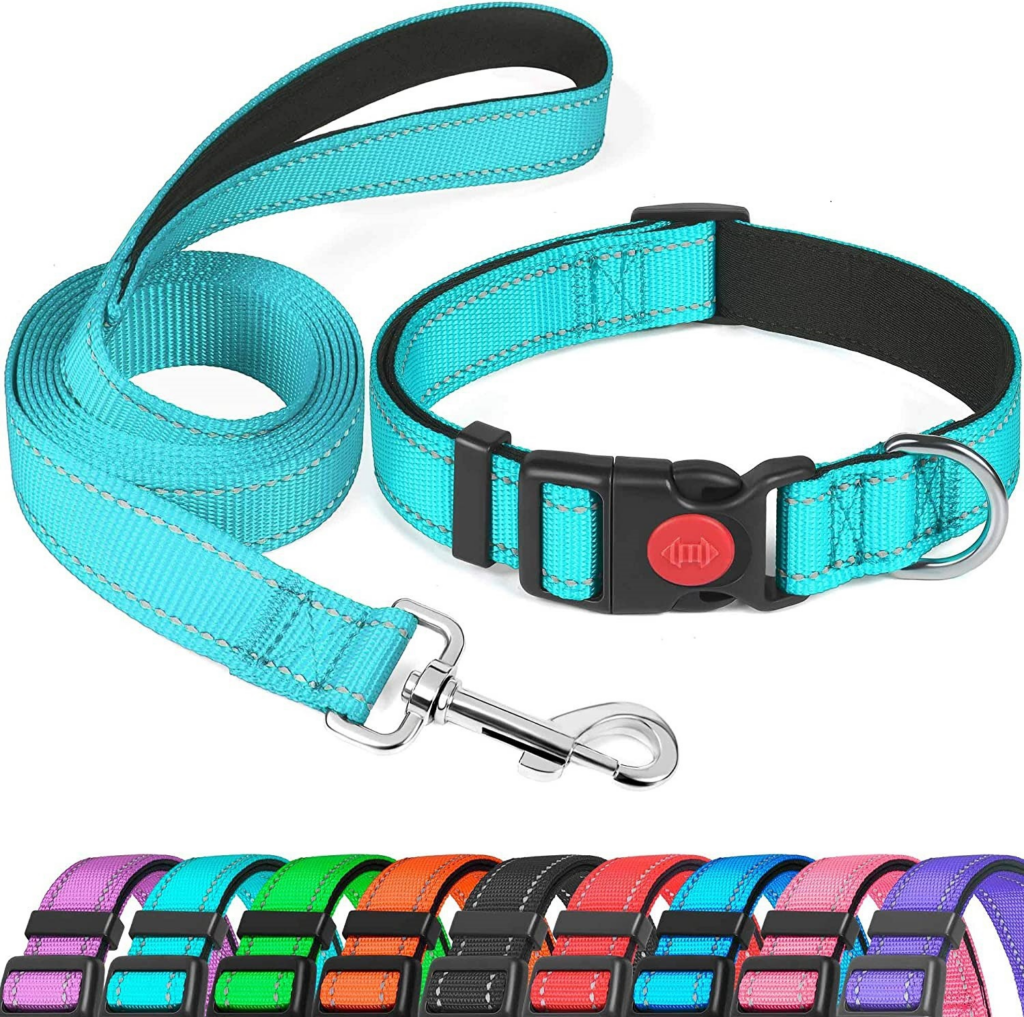
Matching your pet’s collar and leash can enhance their overall look. Many brands offer sets that include both items in complementary colors and designs. This not only looks stylish but also ensures that the materials and quality are consistent. Coordinated sets can make your pet stand out during walks and at the dog park.
Practical Considerations
While aesthetics are important, functionality should not be overlooked. Ensure that the collar and leash combination you choose is suitable for your dog’s size and behavior. For instance, a strong puller may require a more robust leash and a martingale collar for better control. Always prioritize safety and comfort over style.
Safety Features to Look For
When selecting collars and leashes, consider safety features that can protect your pet:
- Reflective Materials: Collars and leashes with reflective stitching or materials enhance visibility during nighttime walks. This is especially important for early morning or late evening outings.
- Breakaway Collars: These collars are designed to release under pressure, preventing choking if the collar gets caught on something. Breakaway collars are particularly useful for adventurous pets that may explore tight spaces.
- Durable Hardware: Look for high-quality clasps and buckles that can withstand pulling and wear. The hardware should be easy to use but secure enough to prevent accidental release.
Training Your Dog to Walk on a Leash
The Basics of Leash Training
Training your dog to walk on a leash is essential for enjoyable walks. Start with the following steps:
- Introduce the Collar and Leash: Allow your dog to get used to wearing the collar and leash indoors before heading outside. This helps them associate the gear with positive experiences.
- Use Positive Reinforcement: Reward your dog with treats and praise when they walk calmly beside you. Positive reinforcement encourages good behavior and strengthens your bond.
- Practice Regularly: Consistent practice will help your dog learn proper leash manners. Short, frequent walks can be more effective than long, infrequent outings.
Common Challenges
Many dogs may pull on the leash or become distracted during walks. If this happens, consider the following tips:
- Stop and Stand Still: If your dog pulls, stop walking until they return to your side. This teaches them that pulling does not lead to forward movement.
- Change Directions: If your dog is distracted, change direction to regain their focus. This can help redirect their attention back to you.
- Use Training Tools: Consider using a no-pull harness or head collar if your dog continues to pull despite training. These tools can provide additional control and comfort.
Advanced Training Techniques
Teaching Loose Leash Walking
Loose leash walking is a desirable behavior that allows your dog to walk beside you without pulling. To teach this, follow these steps:
- Start in a Low-Distraction Environment: Begin training in a quiet area where your dog can focus on you without distractions.
- Use Treats to Guide: Hold treats at your side to encourage your dog to walk beside you. Reward them for staying close.
- Gradually Increase Distractions: As your dog becomes more proficient, gradually introduce distractions, such as other dogs or people. Continue to reward them for maintaining focus.
Addressing Fear or Anxiety
Some dogs may experience fear or anxiety while walking on a leash. If your dog shows signs of distress, consider the following strategies:
- Desensitization: Gradually expose your dog to the situations that cause fear, rewarding them for calm behavior. This can help them build confidence over time.
- Consult a Professional Trainer: If your dog’s anxiety is severe, consider seeking help from a professional dog trainer or behaviorist. They can provide tailored strategies to address your dog’s specific needs.
Choosing the Right Gear for Different Activities
Everyday Walks
For daily walks, a standard flat collar or a comfortable harness paired with a sturdy leash is usually sufficient. Ensure that the collar or harness fits well and is made from durable materials. A leash length of 4 to 6 feet is ideal for maintaining control while allowing your dog some freedom to explore.
Hiking and Outdoor Adventures
If you enjoy hiking or outdoor activities with your dog, consider investing in a more robust collar and leash. Look for options made from weather-resistant materials that can withstand rough terrain. A harness designed for outdoor use can provide better control and comfort during hikes, especially on steep or uneven surfaces.
Training Sessions
During training sessions, a longer training leash can be beneficial. This allows your dog to practice commands at a distance while still being under your control. A martingale collar or a head collar can also be effective for training, as they provide better control without causing discomfort.
Nighttime Walks
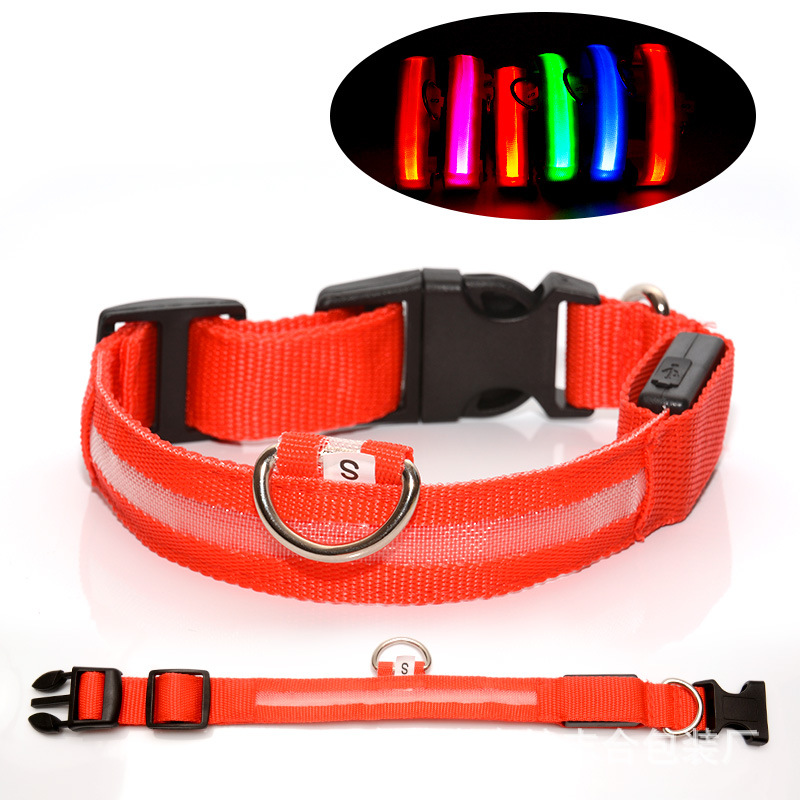
For nighttime walks, reflective collars and leashes are essential for visibility. Look for gear that features reflective stitching or materials to ensure that your dog is seen by passing vehicles and pedestrians. Additionally, consider using a light-up collar or leash for added safety.
Innovative Gear for Special Needs
Collars and Leashes for Senior Dogs
Senior dogs may require special considerations when it comes to collars and leashes. Look for padded collars that provide extra comfort and support. A harness with a handle can also be helpful for assisting your dog in and out of the car or up stairs. These features can make a significant difference in their mobility and overall comfort.
Gear for Dogs with Disabilities
For dogs with disabilities, specialized harnesses and leashes can make a significant difference. Look for harnesses that provide support for mobility issues, allowing your dog to walk comfortably. Some harnesses come with additional support straps or handles to assist dogs with limited mobility. These can be invaluable for helping your dog navigate their environment safely.
Creative Ways to Personalize Your Pet’s Collar and Leash
Personalizing your pet’s collar and leash can add a unique touch and make them stand out. Here are some creative ideas:
Custom Embroidery
Many pet owners choose to have their dog’s name and contact information embroidered directly onto the collar. This not only adds a personal touch but also ensures that your pet can be identified quickly if they get lost.
Unique Charms and Tags
Adding charms or tags to your pet’s collar can enhance its appearance. You can find a variety of charms that reflect your pet’s personality, such as paw prints, bones, or even their favorite toys. Custom tags can also include fun designs or quotes.
Themed Sets
Consider creating themed sets for your pet’s collar and leash. For example, if your dog loves the beach, you could choose a collar with a nautical design and pair it with a matching leash. This can be a fun way to express your pet’s personality and interests.
Seasonal Accessories
Switching out your pet’s collar and leash for different seasons can be a fun way to keep their look fresh. For instance, you might choose bright colors and floral patterns for spring and summer, while opting for darker, cozier designs in the fall and winter.
Conclusion
Choosing the right collar and leash for your pet is crucial for their safety and comfort. With various options available, it’s essential to consider your dog’s size, behavior, and your personal style preferences. By investing in quality gear and training your dog to walk on a leash, you can enjoy many happy walks together. Remember, the right combination of collar and leash not only enhances your pet’s safety but also strengthens the bond between you and your furry friend.
How to purchase:Online B2B sourcing platform, China purchase, Chinese suppliers – LooperBuy
Frequently Asked Questions
1. What type of collar is best for my dog?
The best collar depends on your dog’s size and behavior. Flat collars are suitable for everyday use, while martingale collars are ideal for dogs that tend to slip out.
2. How do I measure my dog for a collar?
To measure your dog, use a soft measuring tape around their neck, ensuring it’s snug but not too tight. Leave enough room for two fingers to fit between the collar and their neck.
3. Are retractable leashes safe?
Retractable leashes can be safe if used correctly. However, they require careful handling to prevent tangling and should not be used in crowded areas.
4. How can I stop my dog from pulling on the leash?
Training your dog with positive reinforcement, stopping when they pull, and using appropriate training tools can help reduce pulling behavior.
5. How often should I replace my dog’s collar and leash?
Inspect your dog’s collar and leash regularly for wear and tear. Replace them if you notice any damage or if they no longer fit properly.
HOT TAG: pet collars, dog leashes, pet safety, leash training, dog accessories, pet care, dog walking, collar styles, pet gear, dog training, reflective collars, harnesses for dogs, training leashes, outdoor dog gear, senior dog accessories, personalized pet gear, comfortable collars, durable leashes, stylish pet gear, dog walking tips, leash control, collar fitting, pet identification, dog behavior training, safe walking gear, pet fashion, dog owner essentials, leash types, collar materials, pet health and safety, dog walking gear, training tools for dogs.