Hamsters are delightful little creatures that bring joy and companionship to many households. As small pets, they require specific care and attention to thrive, and one of the most crucial aspects of their well-being is playtime. Providing your hamster with the right toys not only keeps them entertained but also supports their physical and mental health. In this article, we will explore various types of hamster toys, their benefits, and how to choose the best ones for your furry friend.
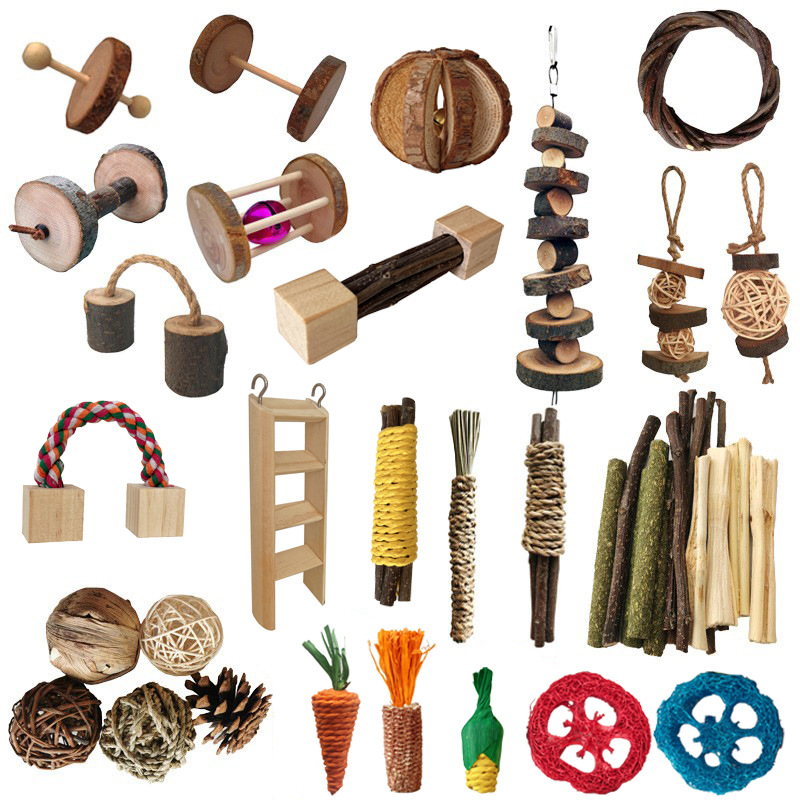
Table of Contents
Understanding Hamster Behavior
The Nature of Hamsters
Hamsters are naturally curious and active animals. In the wild, they spend their time burrowing, climbing, and exploring their environment. This instinctual behavior is essential for their mental stimulation and physical exercise. When kept as pets, hamsters need an environment that mimics their natural habitat, which includes plenty of opportunities for play and exploration.
Why Toys Matter
Toys play a vital role in a hamster’s life. They help prevent boredom, which can lead to stress and behavioral issues. Engaging toys encourage natural behaviors such as chewing, climbing, and tunneling, which are essential for a hamster’s overall health. Additionally, toys can help keep their teeth healthy, as hamsters’ teeth continuously grow and need to be worn down.
Types of Hamster Toys
Chew Toys
Chew toys are essential for hamsters as they help maintain dental health. Hamsters love to gnaw on various materials, and providing them with safe chew toys can prevent them from chewing on inappropriate items in their cage.
- Wooden Chew Toys: These are often made from untreated wood and are safe for hamsters to chew on. Look for options that are free from pesticides and chemicals. Popular choices include apple wood, willow, and other hardwoods that are safe for pets.
- Natural Chews: Items like willow sticks, hay cubes, and dried fruit branches are excellent choices. They not only satisfy a hamster’s chewing instinct but also provide nutritional benefits. Additionally, you can find commercially available chew sticks that are flavored with natural ingredients, making them more appealing to your pet.
Exercise Wheels
An exercise wheel is a staple in any hamster’s habitat. It allows them to run and expend energy, which is crucial for their physical health.
- Types of Wheels: There are various types of wheels available, including traditional wheels and saucer-style wheels. Ensure the wheel is the appropriate size for your hamster to prevent injury. For example, dwarf hamsters may require smaller wheels, while Syrian hamsters need larger options.
- Material Considerations: Opt for wheels made from safe, non-toxic materials. Avoid wheels with spokes or gaps that could trap a hamster’s feet. A solid surface wheel is often recommended to prevent injuries.
Tunnels and Hideouts
Hamsters love to explore and hide, making tunnels and hideouts an excellent addition to their environment.
- Tunnels: These can be made from plastic or cardboard and provide a fun way for hamsters to navigate their space. They mimic the burrowing behavior hamsters exhibit in the wild. You can create a tunnel system that connects different areas of their cage, encouraging exploration.
- Hideouts: Small houses or huts give hamsters a place to retreat and feel secure. Look for options that are easy to clean and made from safe materials. Hideouts can also be made from natural materials like coconut shells or untreated wood, providing a cozy space for your pet.
Climbing Structures
Climbing toys help promote physical activity and stimulate a hamster’s natural instincts.
- Ladders and Platforms: These can be made from wood or plastic and allow hamsters to climb and explore different levels of their habitat. Providing vertical space in their cage can help keep them active and engaged.
- Ramps: Ramps can connect different areas of a cage, encouraging hamsters to move around and stay active. You can also create a multi-level habitat that includes various platforms and ramps for climbing.
Interactive Toys
Interactive toys can provide mental stimulation and engage your hamster in play.
- Puzzle Toys: These toys require hamsters to solve a problem to access treats, promoting cognitive skills. Puzzle toys can be a great way to keep your hamster entertained while also encouraging them to think and explore.
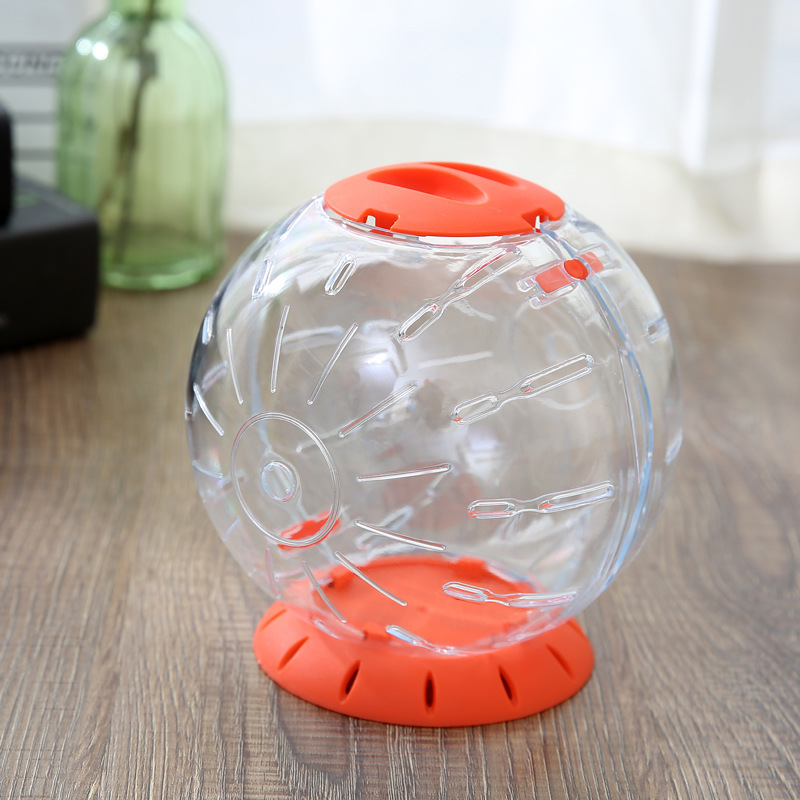
- Hamster Balls: While these can be fun for supervised play, they should be used with caution. Ensure the area is safe and free from obstacles. Hamster balls can provide a change of scenery and allow your pet to explore outside their cage, but always supervise their use to prevent accidents.
Choosing the Right Toys
Safety First
When selecting toys for your hamster, safety should be your top priority. Always choose toys made from non-toxic materials and avoid items with small parts that could be swallowed. Regularly inspect toys for wear and tear, replacing them as needed. If you notice any signs of damage, it’s best to discard the toy to prevent any potential harm to your pet.
Size Matters
Ensure that the toys you choose are appropriate for your hamster’s size. Dwarf hamsters may require smaller toys, while larger breeds like Syrian hamsters need bigger options. A toy that is too small can pose a choking hazard, while one that is too large may not be usable for your pet.
Variety is Key
Hamsters can get bored with the same toys, so it’s essential to provide a variety of options. Rotate toys regularly to keep your hamster engaged and excited about playtime. Introducing new toys can stimulate their curiosity and encourage them to explore different activities.
Setting Up a Play Area
Creating a Safe Environment
When allowing your hamster to play outside their cage, ensure the area is safe and free from hazards. Remove any potential dangers, such as electrical cords, small objects, or stairs. A designated play area can help keep your hamster safe while they explore.
Supervised Playtime
Always supervise your hamster during playtime outside their cage. This ensures their safety and allows you to engage with them, enhancing the bond between you and your pet. You can use this time to observe their behavior and preferences, which can help you choose toys that they enjoy the most.
Enrichment Activities Beyond Toys
While toys are essential, there are other ways to enrich your hamster’s life. Consider incorporating the following activities into their routine:
Foraging Opportunities
Hamsters are natural foragers, and providing them with opportunities to search for food can be very stimulating. Hide small treats around their cage or in their toys to encourage them to explore and dig. This mimics their natural behavior and keeps them mentally engaged. You can use small cardboard boxes or paper towel rolls to create hiding spots for treats, making the search more exciting.
Social Interaction
Spending time with your hamster can also be enriching. Handle them gently and allow them to explore your hands or the surrounding area. This interaction can help build trust and strengthen your bond. Additionally, talking to your hamster can provide them with auditory stimulation. Hamsters can recognize their owners’ voices, and gentle interaction can make them feel more secure.
Environmental Enrichment
Changing the layout of your hamster’s cage can also provide mental stimulation. Rearranging their toys, adding new items, or changing the bedding can create a fresh environment for your pet. This encourages exploration and keeps their habitat interesting. You can also introduce new scents by using safe herbs or natural materials, which can stimulate their sense of smell.
DIY Toys and Activities
Creating your own toys can be a fun and cost-effective way to provide enrichment for your hamster. Simple DIY projects can include:
- Cardboard Castles: Use cardboard boxes to create a multi-level castle for your hamster to explore. Cut out doors and windows to make it more engaging.
- Treat Dispensers: Create a simple treat dispenser using a toilet paper roll filled with hay and small treats. This encourages your hamster to work for their food.
- Hiding Spots: Use small cardboard boxes or paper bags to create hiding spots. Fill them with shredded paper or hay for added comfort.
Recognizing Signs of Boredom or Stress
Understanding your hamster’s behavior is crucial for ensuring their well-being. Here are some signs that your hamster may be bored or stressed:
- Excessive Chewing: If your hamster is chewing on the bars of their cage or other inappropriate items, it may indicate boredom or stress.
- Lethargy: A lack of activity or interest in play can be a sign that your hamster is not mentally stimulated.
- Aggression: If your hamster becomes aggressive or nips when handled, it may be a sign of stress or discomfort.
- Over-Grooming: Excessive grooming can indicate anxiety or stress, leading to skin issues.
If you notice any of these signs, consider introducing new toys, changing their environment, or spending more time interacting with them.
The Importance of Regular Interaction
Regular interaction with your hamster is essential for their emotional well-being. Hamsters are social creatures, and while they may not require the same level of social interaction as dogs or cats, they do benefit from regular handling and playtime. Here are some tips for interacting with your hamster:
Handling Your Hamster
When handling your hamster, be gentle and calm. Allow them to sniff your hand before picking them up, as this helps them feel more secure. Support their body fully when lifting them, and avoid sudden movements that could startle them.
Creating a Routine
Establishing a routine can help your hamster feel more secure. Try to handle them at the same time each day, and provide consistent playtime. This predictability can reduce stress and help your hamster feel more comfortable in their environment.
Bonding Activities
Engage in bonding activities that allow your hamster to explore and interact with you. For example, you can create a small obstacle course for them to navigate, or use a treat to encourage them to come to you. These activities can strengthen your bond and provide mental stimulation.

Conclusion
How to purchase:https://looperbuy.com/search?keywords=Hamster+Pet+Toy&globalType=china
Providing your hamster with a variety of toys is essential for their health and happiness. From chew toys to exercise wheels, each type of toy serves a unique purpose in enriching your hamster’s life. By understanding their natural behaviors and preferences, you can create a stimulating environment that keeps them active and engaged. Remember to prioritize safety, choose the right size, and regularly rotate toys to maintain your hamster’s interest.
Frequently Asked Questions
1. Do hamsters need toys?
Yes! Toys are important for a hamster’s physical exercise and mental stimulation. They help keep your hamster active and engaged.
2. What toys do hamsters like the most?
Most hamsters enjoy a mix of exercise wheels, chew toys, tunnels, and climbing structures. Offering a variety helps keep playtime fun.
3. How many toys do hamsters need?
There’s no specific number, but a mix of toys like a wheel, chew toys, and a tunnel is ideal. Rotating toys can keep things exciting.
4. Are there any toys I should avoid?
Avoid toys made from unsafe materials, those with small parts that could be swallowed, and any items that could cause injury.
5. How can I encourage my hamster to play with new toys?
Introduce new toys gradually and place them in areas where your hamster likes to explore. You can also use treats to entice them to investigate.
HOT TAG:hamster toys, pet enrichment, small animal care, interactive play, chew toys, exercise wheels, hamster health, safe pet toys, DIY hamster activities, mental stimulation, natural foraging, hamster habitat, climbing structures, hideouts for hamsters, social interaction, bonding with pets, hamster care tips, boredom prevention, pet safety, fun hamster activities