Table of Contents
Decoding Drop Shipping’s Core Mechanism
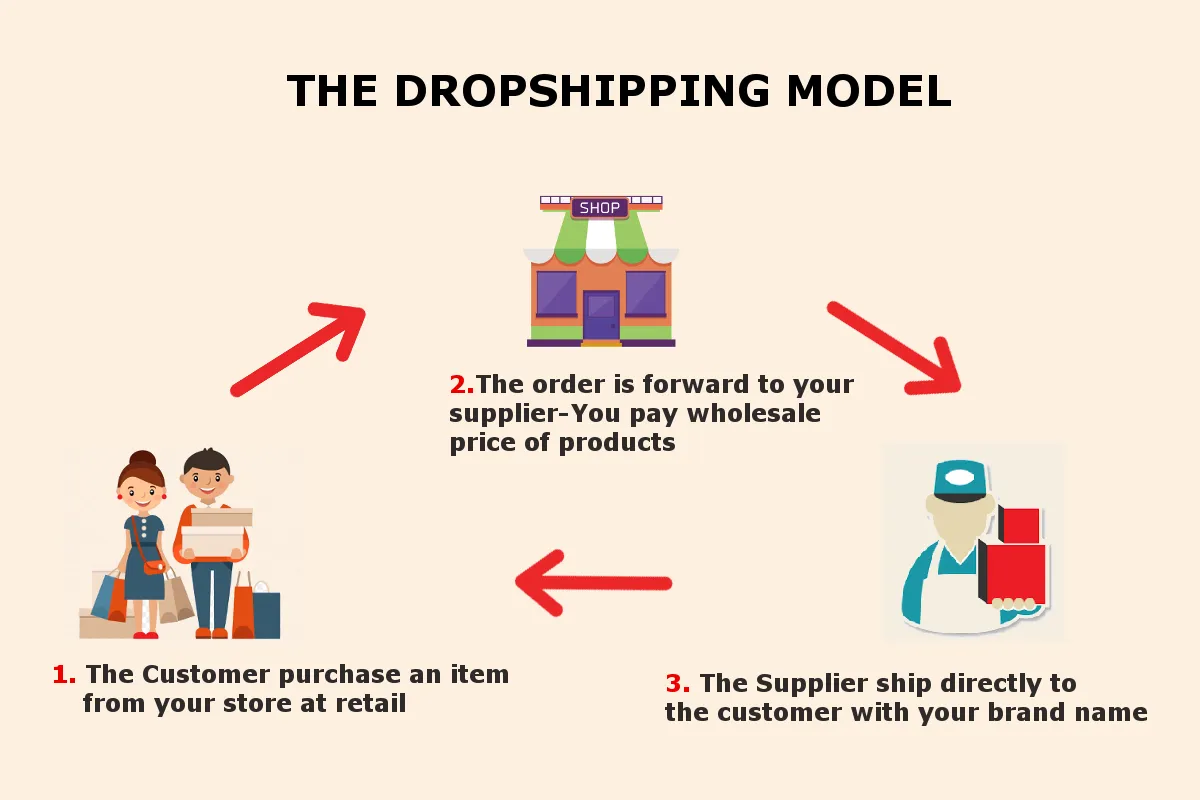
Drop shipping is a supply chain model where retailers act as intermediaries between customers and suppliers. Unlike traditional retail, retailers don’t stock inventory. Instead, they forward customer orders to third-party suppliers—manufacturers, wholesalers, or specialized fulfillment centers—who handle storage, packaging, and shipping directly to end consumers. This model has become the backbone of agile e-commerce, enabling businesses to scale without capital-intensive warehousing.
From Mail-Order Catalogs to Algorithm-Driven Fulfillment
The origins of drop shipping trace back to mail-order businesses in the mid-20th century, where retailers relied on manufacturers to fulfill catalog orders. Today, platforms automate order routing, while AI tools predict demand spikes and optimize supplier relationships.
Key Stakeholders in the Drop Shipping Workflow
- Retailers: Curate product listings, market goods, and manage customer interactions.
- Suppliers: Maintain inventory, ensure quality control, and execute last-mile delivery.
- Customers: Expect seamless delivery and transparent tracking, often unaware of the supplier’s role.
Operational Frameworks and Strategic Advantages
Inventory-Light Business Models
Drop shipping eliminates upfront inventory costs, making it ideal for startups and niche markets. For example, a store selling eco-friendly yoga mats can partner with a sustainable manufacturer, reducing overhead compared to traditional retail.
Profit Margins and Cash Flow Dynamics
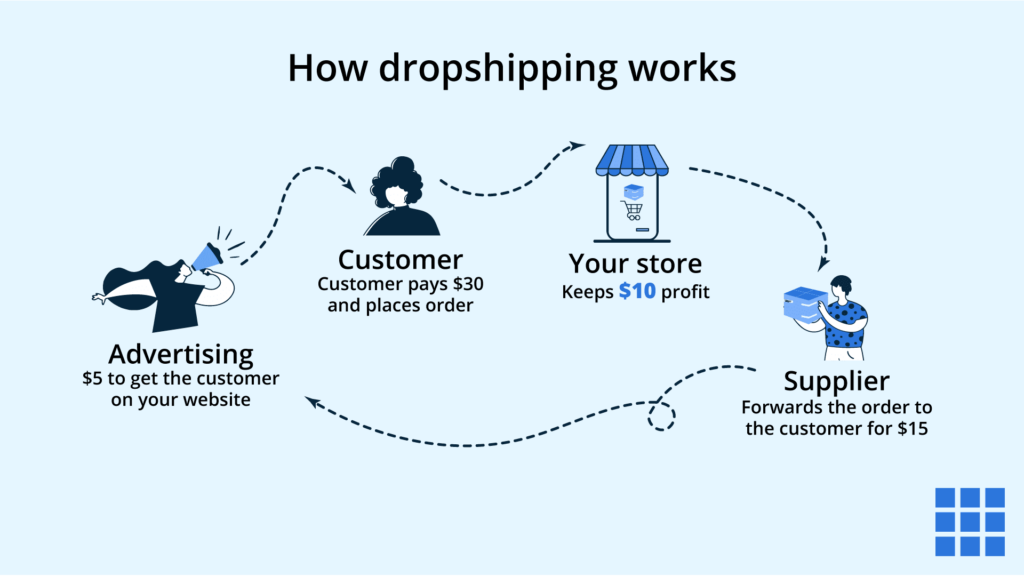
Retailers profit from the markup between wholesale and retail prices. Since payment is collected before settling supplier fees, cash flow remains positive—critical for scaling operations.
Geographic Expansion Without Physical Presence
A retailer can serve global customers via localized warehouses to bypass cross-border tariffs and reduce shipping times.
Challenges and Risk Mitigation Strategies
Supplier Reliability and Quality Control
Many drop shipping failures stem from supplier mismanagement. Solutions include:
- Vetting Platforms: Use tools to access vetted suppliers with verified performance metrics.
- Batch Testing: Order samples to inspect packaging and product integrity before listing items.
Legal and Compliance Hurdles
- Tax Nexus Complexities: Retailers must navigate sales tax obligations in regions where suppliers operate.
- Intellectual Property Risks: Unauthorized replica sales can lead to lawsuits.
Contractual Safeguards
Draft agreements specifying liability for defective products, return policies, and data privacy compliance.
Technological Innovations Reshaping the Industry
AI-Powered Automation Tools
- Dynamic Pricing Engines: Adjust prices in real-time based on competitor pricing and demand trends.
- Predictive Inventory Management: Sync with supplier APIs to prevent stockouts during peak seasons.
Blockchain for Transparency
Tracking product journeys from factory to customer addresses counterfeit concerns in luxury and electronics markets.
Market Trends and Future Projections
Hyper-Localized Fulfillment Networks
Micro-warehousing in urban hubs reduces delivery times to under 2 hours for drop shipped goods.
Sustainability-Driven Consumer Demand
Shoppers increasingly prefer eco-conscious brands. Drop shippers partner with carbon-neutral logistics providers and adopt biodegradable packaging.
Conclusion
Drop shipping’s definition extends beyond a fulfillment tactic—it’s a transformative strategy reshaping global commerce. By leveraging AI, blockchain, and ethical sourcing, retailers can overcome traditional barriers while meeting modern consumer expectations. Success hinges on robust supplier partnerships, legal foresight, and continuous tech adoption.
If you want to enhance your drop shipping efficiency, directly connect with China Quality Inventory 1688 and enjoy high-quality factory prices for your products,you can use looperbuy, a one-stop purchasing-logistics solution:https://looperbuy.com/
Related Questions & Answers
· What legal risks do drop shippers face in international markets?
Retailers must comply with regional tax laws, product safety standards, and intellectual property regulations. Contracts should clarify liability for defective items and data privacy breaches.
· How can retailers ensure product quality in drop shipping?
Order batch samples for quality checks, use vetted supplier platforms, and integrate customer feedback loops to address defects promptly.
· What technologies improve drop shipping efficiency?
AI tools for dynamic pricing and inventory prediction, blockchain for supply chain transparency, and API-driven platforms for automated order routing.
· Why is sustainability critical in modern drop shipping?
Consumers prioritize eco-friendly brands. Retailers adopt carbon-neutral shipping partners and biodegradable packaging to meet demand.
· How do hyper-local fulfillment networks work?
Micro-warehouses in urban areas enable same-day delivery, reducing shipping costs and transit times.
Hot Tags: Global Supply Chain Integration; E-commerce Automation Tools; Sustainable Fulfillment Practices; Cross-Border Tax Compliance; AI-Driven Inventory Management; Blockchain Product Tracking; Micro-Warehousing Solutions; Ethical Supplier Partnerships; Hyper-Local Delivery Networks