Ceiling fans are a popular choice for many households, providing a cost-effective way to circulate air and maintain comfort. However, a common question arises: do ceiling fans use a lot of electricity? This article will explore the electricity consumption of ceiling fans, comparing them to other appliances, discussing their efficiency, and providing insights into how to maximize their benefits while minimizing energy costs. Understanding the nuances of ceiling fan operation can help homeowners make informed decisions about their energy use and comfort levels.
Table of Contents
Understanding Ceiling Fan Electricity Usage
Average Power Consumption
Ceiling fans typically consume between 15 to 90 watts of electricity, depending on their size, design, and speed settings. For instance, a standard 48-inch ceiling fan usually operates at around 75 watts. This is significantly lower than many other household appliances, making ceiling fans an energy-efficient option for cooling. The wattage can vary based on the motor type and the fan’s features, such as integrated lighting or remote control capabilities. By choosing a fan with a more efficient motor, homeowners can further reduce energy consumption while enjoying the benefits of air circulation.
Comparison with Other Appliances
To put ceiling fan electricity usage into perspective, it is essential to compare it with other common appliances. For example, a window air conditioner can use approximately 1,200 watts, while central air conditioning systems can consume up to 5,000 watts. In contrast, ceiling fans use a fraction of that energy, making them a more economical choice for air circulation. This comparison highlights the potential savings when opting for ceiling fans over more energy-intensive cooling methods. Additionally, using ceiling fans in conjunction with air conditioning can enhance comfort while allowing for higher thermostat settings, leading to even greater energy savings.
Factors Affecting Energy Consumption
Several factors influence how much electricity a ceiling fan uses. These include:
– Fan Size: Larger fans generally consume more power than smaller ones. However, they also move more air, which can enhance cooling efficiency. A well-sized fan for a room can significantly improve airflow and comfort.
– Speed Settings: Most ceiling fans come with multiple speed settings. Higher speeds will increase energy consumption, while lower speeds can save electricity. Homeowners can adjust the speed based on their comfort level and the room’s temperature.
– Type of Fan: Energy-efficient models, such as those certified by Energy Star, use significantly less electricity than standard fans. These models are designed to maximize airflow while minimizing power usage. Investing in an energy-efficient fan can lead to long-term savings on electricity bills.
Benefits of Using Ceiling Fans
Energy Efficiency
One of the primary advantages of ceiling fans is their energy efficiency. By using less electricity than air conditioning units, they can help reduce overall energy costs. When used in conjunction with air conditioning, ceiling fans can allow homeowners to set their thermostats a few degrees higher, further saving energy. This synergy between ceiling fans and air conditioning not only enhances comfort but also contributes to a more sustainable lifestyle by reducing the carbon footprint associated with energy consumption.
Improved Comfort
Ceiling fans create a wind-chill effect, making the air feel cooler than it actually is. This can enhance comfort during hot weather, allowing individuals to feel cooler without relying solely on air conditioning. Additionally, many ceiling fans have a reverse function, which can circulate warm air during colder months, providing year-round comfort. This versatility makes ceiling fans a valuable addition to any home, as they can adapt to seasonal changes and varying comfort needs.
Cost-Effectiveness
The operational cost of running a ceiling fan is relatively low. For example, if a ceiling fan uses 75 watts and runs for 8 hours a day, it would consume about 0.6 kilowatt-hours (kWh) of electricity. At an average electricity rate of $0.12 per kWh, this translates to approximately $0.07 per day. Over a month, this would amount to around $2.10, making ceiling fans a cost-effective cooling solution. This low operational cost, combined with their ability to enhance comfort, makes ceiling fans an attractive option for budget-conscious homeowners.
How to Maximize Ceiling Fan Efficiency
Choosing the Right Fan
Selecting an energy-efficient ceiling fan is crucial for minimizing electricity usage. Look for fans with the Energy Star label, which indicates that they meet strict energy efficiency guidelines. Additionally, consider the size of the fan in relation to the room size to ensure optimal airflow. A properly sized fan will not only operate more efficiently but also provide better air circulation, enhancing overall comfort in the space.
Proper Installation
Installing the fan at the correct height is essential for maximizing its efficiency. Ceiling fans should be mounted 8 to 9 feet above the floor for optimal air circulation. If the ceiling is higher, consider using a downrod to lower the fan to the appropriate height. Proper installation ensures that the fan can effectively circulate air throughout the room, providing maximum comfort and efficiency.
Regular Maintenance
Keeping ceiling fans clean and well-maintained can enhance their efficiency. Dust and debris can accumulate on the blades, reducing airflow and increasing energy consumption. Regularly cleaning the blades and ensuring that the fan is in good working condition will help maintain its performance. Additionally, checking for any loose screws or parts can prevent unnecessary noise and ensure smooth operation.
Utilizing Fan Settings
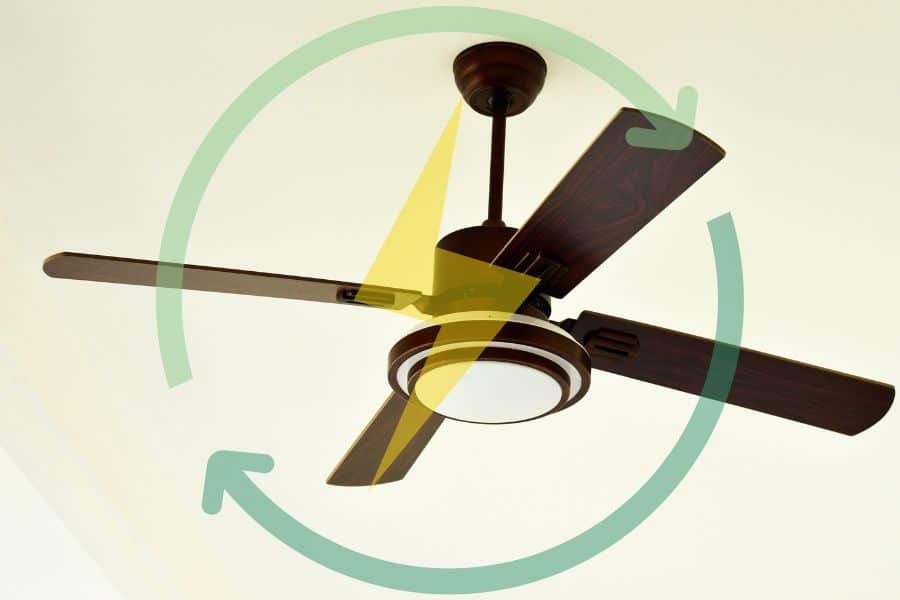
Most ceiling fans come with multiple speed settings and a reverse function. During the summer, set the fan to rotate counterclockwise to create a cooling breeze. In the winter, switch the fan to rotate clockwise at a low speed to circulate warm air throughout the room. Understanding how to use these settings effectively can significantly enhance comfort and energy efficiency throughout the year.
Conclusion
In summary, ceiling fans do not use a lot of electricity compared to other cooling appliances. Their average power consumption is relatively low, making them an energy-efficient option for maintaining comfort in homes. By understanding how to choose, install, and maintain ceiling fans, homeowners can maximize their benefits while minimizing energy costs. This knowledge empowers individuals to make informed decisions about their cooling options, leading to a more comfortable and cost-effective living environment.
How To Purchase:https://looperbuy.com/search?keywords=Do+Ceiling+Fans+Use+a+Lot+of+Electricity
Related Questions and Answers
1. How much electricity does a ceiling fan use per hour?
A ceiling fan typically uses between 15 to 90 watts per hour, depending on its size and speed settings.
2. Can ceiling fans help reduce air conditioning costs?
Yes, using ceiling fans can allow you to set your air conditioning thermostat higher, reducing overall energy consumption.
3. What is the average cost to run a ceiling fan?
Running a ceiling fan for 8 hours a day can cost approximately $2.10 per month, based on an average electricity rate.
4. Are energy-efficient ceiling fans worth the investment?
Yes, energy-efficient ceiling fans can significantly reduce electricity usage and costs over time, making them a worthwhile investment.
5. How can I improve the efficiency of my ceiling fan?
To improve efficiency, choose an Energy Star-rated fan, install it at the correct height, maintain it regularly, and use the appropriate speed settings for the season.