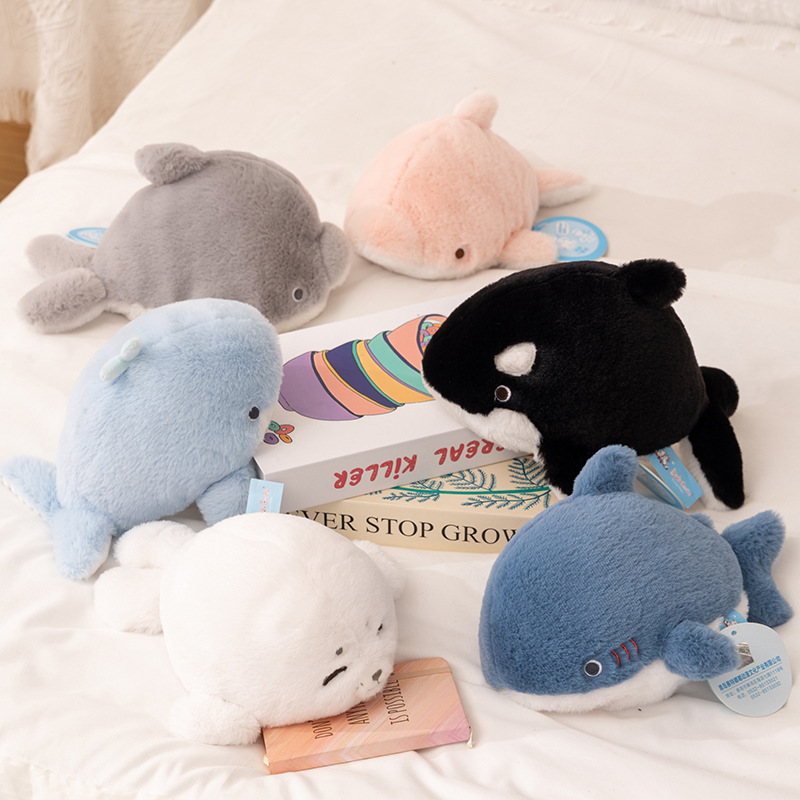
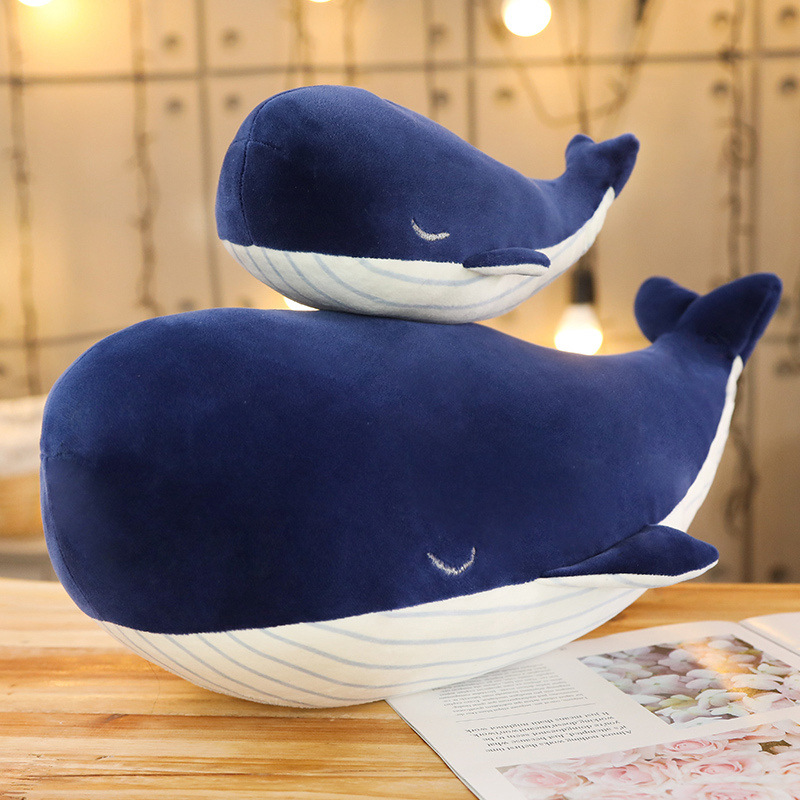
Whale plush toys have become a beloved choice for children and adults alike, capturing the hearts of many with their soft textures and adorable designs. These plush companions not only serve as comforting toys but also as educational tools that introduce the wonders of marine life. In this article, we will explore the various aspects of whale plush toys, including their history, types, benefits, and how to choose the perfect one for yourself or a loved one.
Table of Contents
The Fascination with Whales
A Brief Overview of Whales
Whales are magnificent creatures that inhabit the world’s oceans. They are known for their size, intelligence, and complex social structures. From the majestic blue whale to the playful orca, these marine mammals have fascinated humans for centuries. Their beauty and grace have inspired countless stories, documentaries, and, of course, plush toys.
The Rise of Plush Toys
The concept of plush toys dates back to the late 19th century when they were first introduced as soft, cuddly companions for children. Over the years, these toys have evolved in design and material, becoming more realistic and appealing. Whale plush toys, in particular, have gained popularity due to their unique shapes and the charm they bring to any room.
Types of Whale Plush Toys
Classic Whale Plush Toys
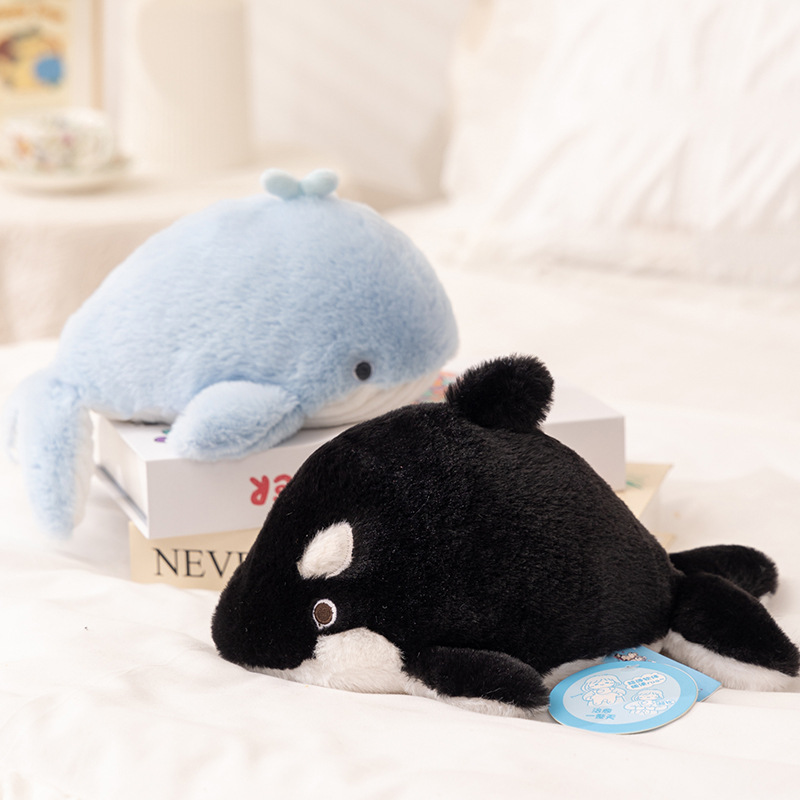
Classic whale plush toys are designed to resemble various species of whales, such as humpback, orca, and beluga. These toys often feature vibrant colors and soft fabrics, making them perfect for cuddling. They come in various sizes, from small handheld versions to large, huggable companions.
Realistic Whale Plush Toys
For those who appreciate a more lifelike representation, realistic whale plush toys are available. These toys are crafted with attention to detail, mimicking the appearance of real whales. They often include features like textured skin, detailed fins, and accurate coloring, making them ideal for educational purposes or as collector’s items.
Customizable Whale Plush Toys
Some brands offer customizable whale plush toys, allowing you to choose colors, sizes, and even add personal touches like names or messages. This option is perfect for creating a unique gift for a loved one or commemorating a special occasion.
Benefits of Whale Plush Toys
Comfort and Security
One of the primary benefits of plush toys is the comfort they provide. Whale plush toys can serve as a source of security for children, helping them feel safe during bedtime or in unfamiliar situations. The soft texture and cuddly nature of these toys can soothe anxiety and promote relaxation.
Educational Value
Whale plush toys can also be educational tools. They introduce children to marine life and the importance of ocean conservation. Many plush toys come with tags or accompanying books that provide information about the specific whale species they represent, fostering a love for learning about nature.
Encouraging Imagination
Playing with plush toys encourages imaginative play. Children can create stories and adventures involving their whale companions, enhancing their creativity and storytelling skills. This type of play is essential for cognitive development and social skills.
Promoting Ocean Conservation Awareness
Whale plush toys can play a significant role in promoting awareness about ocean conservation. Many brands partner with marine conservation organizations, donating a portion of their profits to help protect whale habitats and marine ecosystems. By purchasing these toys, consumers contribute to important conservation efforts, making them feel connected to a larger cause.
Aiding Emotional Development
Whale plush toys can also aid in children’s emotional development. They provide a safe outlet for children to express their feelings and practice empathy. By caring for their plush companions, children learn about nurturing and responsibility, which are essential skills as they grow.
Therapeutic Benefits
In addition to emotional development, whale plush toys can have therapeutic benefits. For children with anxiety or sensory processing disorders, the soft texture and comforting presence of a plush toy can provide a sense of calm. Therapists often recommend plush toys as tools for helping children express their feelings and cope with stress.
Social Skills Development
Playing with plush toys can also enhance social skills. Children often engage in role-playing scenarios with their plush companions, which helps them practice communication, negotiation, and conflict resolution. These interactions can be particularly beneficial for children who may struggle with social situations, providing a safe space to develop these essential skills.
Choosing the Right Whale Plush Toy
Consider the Age of the Recipient
When selecting a whale plush toy, consider the age of the recipient. For younger children, opt for smaller, softer toys without small parts that could pose a choking hazard. For older children or adults, larger, more detailed plush toys may be more appealing.
Material and Safety
Check the materials used in the plush toy’s construction. Look for toys made from non-toxic, hypoallergenic materials, especially if the recipient has allergies or sensitivities. Safety certifications, such as ASTM or CE marks, can also provide peace of mind.
Size and Design
Whale plush toys come in various sizes and designs. Consider where the toy will be used—whether as a decorative piece in a nursery or a cuddly companion for bedtime. Choose a design that resonates with the recipient’s personality and preferences.
Brand Reputation
When choosing a whale plush toy, consider the reputation of the brand. Established brands often have a history of quality and safety, which can be reassuring for parents and gift-givers. Research customer reviews and ratings to ensure you are selecting a toy that meets your expectations.
Caring for Your Whale Plush Toy
Cleaning Instructions
To keep your whale plush toy looking its best, follow the manufacturer’s cleaning instructions. Most plush toys can be spot cleaned or machine washed on a gentle cycle. Always air dry to maintain the toy’s shape and softness.
Storage Tips
When not in use, store your whale plush toy in a cool, dry place to prevent damage. Avoid exposing it to direct sunlight for extended periods, as this can cause fading. Consider using a toy box or shelf to keep the plush toy safe and organized.
The Cultural Impact of Whale Plush Toys

Whale Plush Toys in Popular Culture
Whale plush toys have made their mark in popular culture, appearing in movies, television shows, and even social media. They often symbolize innocence and playfulness, making them a favorite among children and adults alike. Characters in animated films frequently have plush companions, reinforcing the idea that these toys are not just for play but also for emotional support.
Collecting Whale Plush Toys
For many, collecting whale plush toys has become a hobby. Enthusiasts seek out rare or limited-edition plushies, often sharing their collections online. This community aspect fosters connections among collectors, who bond over their shared love for these adorable toys.
Whale Plush Toys in Education
Whale plush toys are increasingly being used in educational settings. Teachers incorporate them into lessons about marine biology, environmental science, and conservation. By using plush toys as teaching aids, educators can engage students in a fun and interactive way, making learning more enjoyable and memorable.
Eco-Friendly Whale Plush Toys
Sustainable Materials
As awareness of environmental issues grows, many manufacturers are turning to eco-friendly materials for their plush toys. Organic cotton, recycled polyester, and natural dyes are becoming increasingly popular in the production of whale plush toys. These materials not only reduce the environmental impact but also ensure that the toys are safe for children.
Brands Leading the Way
Several brands are at the forefront of producing eco-friendly whale plush toys. Companies like Under the Nile and BigStuffed focus on sustainability, using organic materials and ethical manufacturing practices. By choosing these brands, consumers can support environmentally responsible practices while enjoying high-quality plush toys.
The Importance of Certifications
When shopping for eco-friendly whale plush toys, look for certifications that indicate sustainable practices. Certifications such as GOTS (Global Organic Textile Standard) and OEKO-TEX® Standard 100 ensure that the materials used are organic and free from harmful substances. These certifications provide assurance that the plush toys are safe for children and environmentally friendly.
The Future of Whale Plush Toys
Innovations in Design
The future of whale plush toys looks bright, with innovations in design and technology. Manufacturers are exploring new materials that are not only eco-friendly but also enhance the sensory experience of the toys. For instance, some plush toys now incorporate different textures and sounds, making them more interactive and engaging for children.
Expanding Educational Opportunities
As the demand for educational toys grows, whale plush toys are likely to become even more integrated into learning environments. Educators are recognizing the value of plush toys in teaching about marine biology and environmental science. Schools and educational programs may incorporate whale plush toys into their curricula, using them as tools to engage students in discussions about ocean conservation and wildlife protection.
Community Engagement and Awareness
The role of whale plush toys in promoting community engagement and awareness about marine conservation is also expected to expand. More brands are likely to collaborate with environmental organizations, creating campaigns that not only raise funds but also educate consumers about the importance of protecting our oceans. This trend will help foster a generation that is more aware of and invested in the health of marine ecosystems.
The Role of Technology
With advancements in technology, we may see the emergence of smart plush toys that can interact with children in new ways. These toys could incorporate features such as voice recognition, allowing them to respond to children’s questions about marine life. This integration of technology could enhance the educational value of whale plush toys, making learning about the ocean even more engaging.
Conclusion
Whale plush toys are more than just cuddly companions; they are a gateway to understanding and appreciating the beauty of marine life. Whether you are looking for a comforting friend for a child or a unique gift for an adult, these plush toys offer a blend of comfort, education, and imagination. With various types and designs available, there is a whale plush toy for everyone.
How to purchase:Online B2B sourcing platform, China purchase, Chinese suppliers – LooperBuy
Frequently Asked Questions
1. What age is appropriate for a whale plush toy?
Whale plush toys are suitable for all ages, but for infants and toddlers, choose toys without small parts and made from safe materials.
2. How do I clean my whale plush toy?
Most whale plush toys can be spot cleaned or machine washed on a gentle cycle. Always check the care label for specific instructions.
3. Are whale plush toys educational?
Yes, many whale plush toys come with information about the species they represent, promoting learning about marine life and conservation.
4. Can I customize a whale plush toy?
Some brands offer customizable options, allowing you to choose colors, sizes, and add personal touches like names.
5. Where can I buy whale plush toys?
Whale plush toys are available at various retailers, including online stores like Amazon, Etsy, and specialty toy shops.
6. What are the most eco-friendly materials used in whale plush toy production?
Eco-friendly materials include organic cotton, recycled polyester, and natural dyes, which reduce environmental impact and ensure safety for children.
7. How can whale plush toys be used in educational settings?
Teachers can use whale plush toys to engage students in lessons about marine biology, environmental science, and conservation, making learning interactive and fun.
HOT TAG: whale plush toy, soft toys for kids, marine life education, cuddly companions, plush animals for toddlers, ocean conservation awareness, imaginative play for children, unique gift ideas, popular plush toy brands, eco-friendly materials, sustainable toy production, emotional development tools, therapeutic benefits of plush toys, interactive learning experiences, community engagement in conservation, innovative plush designs, sensory play for kids, role-playing with plush toys, educational resources for teachers, nurturing responsibility in children.