Decorative paints have become a popular choice for homeowners and designers looking to add a unique touch to their interiors. These paints go beyond mere color application; they offer a variety of textures, finishes, and techniques that can dramatically alter the appearance of walls, furniture, and other surfaces. In this article, we will explore the world of decorative paints, their various types, application techniques, and the benefits they bring to any space. By understanding the versatility and creative potential of decorative paints, you can make informed choices that enhance your living environment.
Table of Contents
Understanding Decorative Paints
Decorative paints are specially formulated products designed to enhance the aesthetic appeal of surfaces. Unlike standard paints, which primarily serve to provide color and protection, decorative paints are used to create artistic effects and textures. They can be applied to walls, ceilings, furniture, and even outdoor spaces, allowing for a wide range of creative possibilities. The use of decorative paints can transform a mundane space into a vibrant and inviting environment, reflecting the personality and style of the inhabitants. This transformation is not just about aesthetics; it can also influence the mood and atmosphere of a room, making it feel more welcoming or sophisticated.
Types of Decorative Paints
There are several types of decorative paints available, each offering unique characteristics and effects. Here are some of the most popular types:
1. Textured Paints
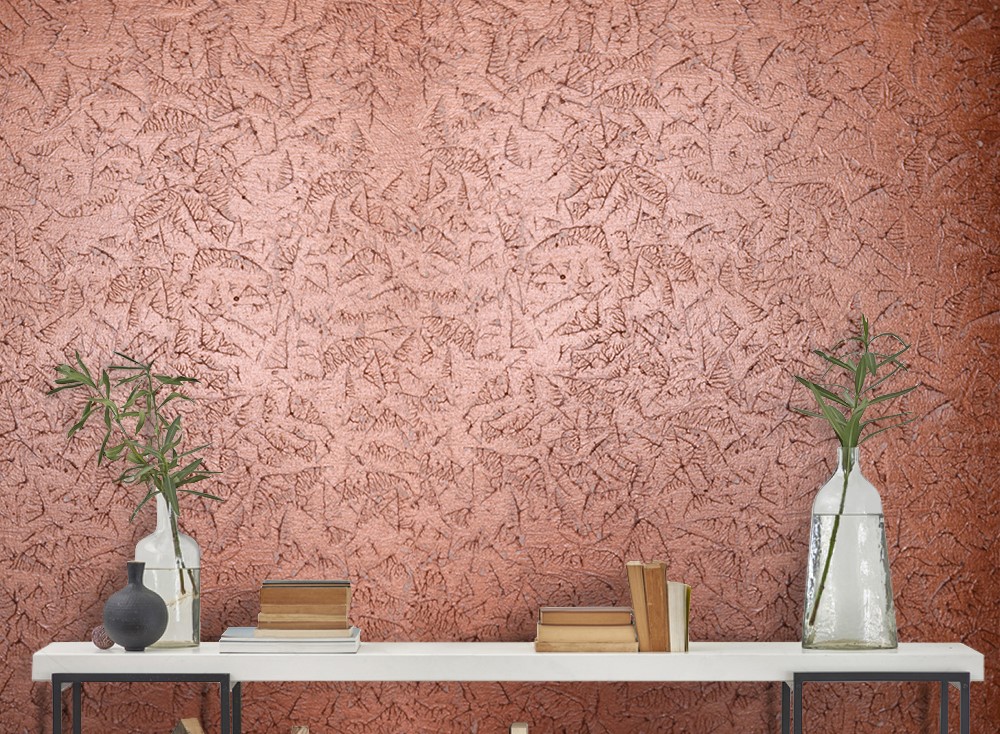
Textured paints are designed to create a three-dimensional effect on surfaces. They can mimic the appearance of materials like stucco, stone, or plaster. These paints are ideal for adding depth and interest to walls, making them a popular choice for feature walls or accent areas. Textured paints can also help to hide imperfections in the wall surface, providing a practical solution while enhancing visual appeal. The variety of textures available allows homeowners to choose a finish that complements their overall design theme, whether it be rustic, modern, or traditional.
2. Metallic Paints
Metallic paints contain fine metallic particles that give surfaces a shimmering, reflective quality. They are often used to create a luxurious look and can be applied to walls, furniture, or decorative accents. Metallic finishes can range from subtle to bold, depending on the desired effect. These paints can be particularly striking when used in lighting, as they catch and reflect light in unique ways, adding a dynamic element to the space. Whether used sparingly as an accent or more extensively, metallic paints can elevate the sophistication of any room.
3. Chalk Paints
Chalk paints are known for their matte finish and chalky texture. They are often used for furniture refinishing and can be easily distressed to create a vintage or rustic look. Chalk paints adhere well to various surfaces without the need for extensive preparation, making them a favorite among DIY enthusiasts. The ease of use and versatility of chalk paints allow for creative experimentation, enabling individuals to achieve a personalized look that suits their style. Additionally, chalk paints can be layered and mixed to create custom colors, further enhancing their appeal.
4. Glaze
Glazing is a technique that involves applying a transparent or semi-transparent layer over a base coat of paint. This technique can enhance the depth of color and add a subtle sheen to surfaces. Glazes are often used in combination with other decorative techniques to create complex visual effects. The application of glaze can soften the overall appearance of a painted surface, allowing for a more nuanced and sophisticated finish. This technique is particularly effective in creating a sense of depth and dimension, making it a popular choice for both walls and furniture.
5. Stenciling and Stamping
Stenciling and stamping involve applying paint through a stencil or using a stamp to create patterns and designs on surfaces. This technique allows for intricate designs and can be used to personalize spaces with unique motifs. Stenciling can be a fun and creative way to add character to a room, whether through geometric patterns, floral designs, or custom graphics. The ability to create repeatable patterns makes this technique accessible for those looking to add a touch of artistry to their decor without the need for advanced painting skills.
Application Techniques for Decorative Paints
Applying decorative paints requires a bit more skill and creativity than standard painting. Here are some popular techniques used to achieve stunning results:
1. Sponging
Sponging is a technique that involves using a sponge to apply a second color over a base coat. This creates a soft, textured effect that can add depth and interest to walls. Sponging is often used with lighter colors over darker base coats for a more dramatic look. The randomness of the sponge application allows for a unique finish each time, making it a great option for those who enjoy a more organic aesthetic. This technique can also be adapted to suit various styles, from casual to elegant.
2. Rag Rolling
Rag rolling is similar to sponging but uses a rag instead of a sponge. The rag is rolled over the surface to create a unique texture. This technique is great for achieving a more organic, natural look. Rag rolling can produce a variety of effects, from subtle to bold, depending on the pressure applied and the type of paint used. It is particularly effective for creating a soft, blended appearance that can enhance the overall ambiance of a room.
3. Brushed Pearl
Brushed pearl is a technique that creates a soft, iridescent finish. It involves applying a pearl-like glaze over a base coat and then using a brush to create a brushed effect. This technique is often used in formal spaces to add elegance. The shimmering quality of brushed pearl can create a sense of luxury and sophistication, making it an excellent choice for dining rooms, living areas, or any space where a touch of glamour is desired.
4. Ombre
The ombre technique involves blending two or more colors together to create a gradient effect. This technique can be used on walls, furniture, or even fabric, providing a modern and stylish look. Ombre effects can range from subtle transitions to bold contrasts, allowing for a wide range of creative expression. This technique is particularly popular in contemporary design, where it can be used to create a striking focal point or to soften the overall look of a space.
5. Mural Painting
For those with artistic skills, mural painting offers the opportunity to create custom artwork directly on walls. Murals can range from simple designs to complex scenes, allowing for complete personalization of a space. This technique can transform a room into a unique environment, telling a story or conveying a theme that resonates with the inhabitants. Mural painting requires a higher level of skill and planning, but the results can be breathtaking and deeply rewarding.
Benefits of Using Decorative Paints
Decorative paints offer numerous benefits that make them an attractive option for homeowners and designers alike. Here are some of the key advantages:
1. Enhanced Aesthetic Appeal
One of the primary benefits of decorative paints is their ability to enhance the visual appeal of a space. With a wide range of colors, textures, and finishes available, decorative paints can transform ordinary walls into stunning focal points. This enhancement can significantly impact the overall atmosphere of a room, making it feel more inviting and stylish. The right decorative paint can also complement existing decor, tying together various elements of a room’s design.
2. Personalization
Decorative paints allow homeowners to express their personal style and creativity. Whether through unique color combinations or custom designs, decorative paints provide endless opportunities for personalization. This ability to customize spaces can make a home feel more like a reflection of its inhabitants, creating a sense of belonging and comfort. Personalization through decorative paints can also be a fun and rewarding project, allowing individuals to engage with their living spaces in a meaningful way.
3. Increased Property Value
Well-executed decorative painting can increase the value of a property. A beautifully painted home with unique features can attract potential buyers and set a property apart in a competitive market. The investment in decorative paints can yield significant returns, especially in areas where aesthetic appeal is a key factor in home sales. Potential buyers often appreciate the effort put into creating a visually appealing environment, making decorative paints a smart choice for those looking to enhance their property’s marketability.
4. Versatility
Decorative paints can be used in various settings, from residential to commercial spaces. They can be applied to walls, ceilings, furniture, and even outdoor areas, making them a versatile choice for any project. This versatility allows for creative expression in multiple environments, whether it’s a cozy home, a trendy cafe, or a professional office. The adaptability of decorative paints means they can be tailored to suit different styles and purposes, making them a valuable tool for designers and homeowners alike.
5. Durability
Many decorative paints are designed to be durable and long-lasting. They can withstand wear and tear, making them suitable for high-traffic areas. Additionally, some decorative paints offer protective qualities, such as moisture resistance. This durability ensures that the beauty of decorative paints can be enjoyed for years to come, making them a practical choice for both residential and commercial applications. Investing in high-quality decorative paints can lead to long-term satisfaction and reduced maintenance costs.

Choosing the Right Decorative Paint
When selecting decorative paints for your project, consider the following factors:
1. Purpose of the Space
Think about the function of the room and how the decorative paint will enhance its purpose. For example, a calming color palette may be ideal for a bedroom, while vibrant colors may be more suitable for a playroom. Understanding the intended use of the space can guide your color and finish choices, ensuring that the decorative paint contributes positively to the overall atmosphere.
2. Lighting Conditions
Lighting can significantly affect how paint colors appear. Test paint samples in different lighting conditions to see how they look throughout the day. Natural light can bring out different undertones in paint colors, while artificial lighting can alter their appearance. By considering the lighting in your space, you can make more informed decisions about color selection and application techniques.
3. Existing Decor
Consider the existing decor and furnishings in the space. Choose colors and finishes that complement the overall design and style of the room. This consideration ensures that the decorative paint enhances rather than clashes with other elements in the space. A cohesive design approach can create a harmonious environment that feels well thought out and inviting.
4. Application Technique
Decide on the application technique you want to use. Some techniques may require more skill or experience, so choose one that matches your comfort level. If you are new to decorative painting, starting with simpler techniques can help build confidence before tackling more complex methods. Additionally, practicing on smaller surfaces can provide valuable experience.
5. Quality of Paint
Invest in high-quality decorative paints to ensure the best results. Quality paints often provide better coverage, durability, and finish. While it may be tempting to opt for cheaper options, investing in quality paints can lead to a more satisfying outcome and longer-lasting beauty. Look for reputable brands that offer a range of decorative paint options to suit your needs.
Conclusion
Decorative paints offer a world of possibilities for transforming spaces into works of art. With various types, techniques, and benefits, they allow for creativity and personalization in home decor. Whether you are looking to refresh a room or create a stunning feature wall, decorative paints can help you achieve your vision. Embrace the beauty and versatility of decorative paints, and let your creativity shine. By exploring the different options available and understanding how to apply them effectively, you can create a space that truly reflects your style and enhances your living experience.
How To Purchase:https://looperbuy.com/search?keywords=decorative+painting
Related Questions and Answers
1. What are the best surfaces for applying decorative paints?
Decorative paints can be applied to a variety of surfaces, including drywall, wood, metal, and even concrete. It’s essential to prepare the surface properly for the best results, ensuring it is clean, dry, and free of imperfections.
2. How do I maintain decorative painted surfaces?
To maintain decorative painted surfaces, clean them gently with a damp cloth and avoid harsh chemicals. Regular dusting can also help preserve the finish, keeping the colors vibrant and the textures intact.
3. Can I use decorative paints outdoors?
Yes, some decorative paints are formulated for outdoor use. Be sure to choose paints that are weather-resistant and suitable for exterior applications to ensure durability against the elements.
4. How long does decorative paint last?
The longevity of decorative paint depends on the quality of the paint and the conditions of the environment. High-quality paints can last several years with proper care, maintaining their beauty and effectiveness.
5. Are there eco-friendly decorative paint options available?
Yes, many manufacturers offer eco-friendly decorative paints that are low in volatile organic compounds (VOCs) and made from sustainable materials. Always check the label for environmental certifications to ensure you are making a responsible choice.