In today’s interconnected world, global shipping services and freight solutions play a crucial role in facilitating international trade. As businesses expand their reach across borders, understanding the intricacies of global shipping becomes essential. This article delves into the various aspects of global shipping services, the types of freight solutions available, and how businesses can optimize their shipping strategies.

Table of Contents
Understanding Global Shipping Services
Global shipping services encompass a wide range of logistics solutions that enable the movement of goods across international borders. These services are vital for businesses looking to expand their market presence and reach customers worldwide. The primary components of global shipping services include:
Types of Shipping Methods
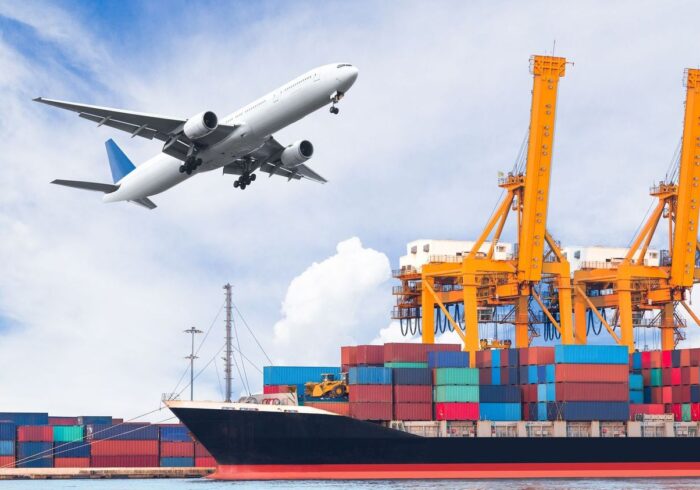
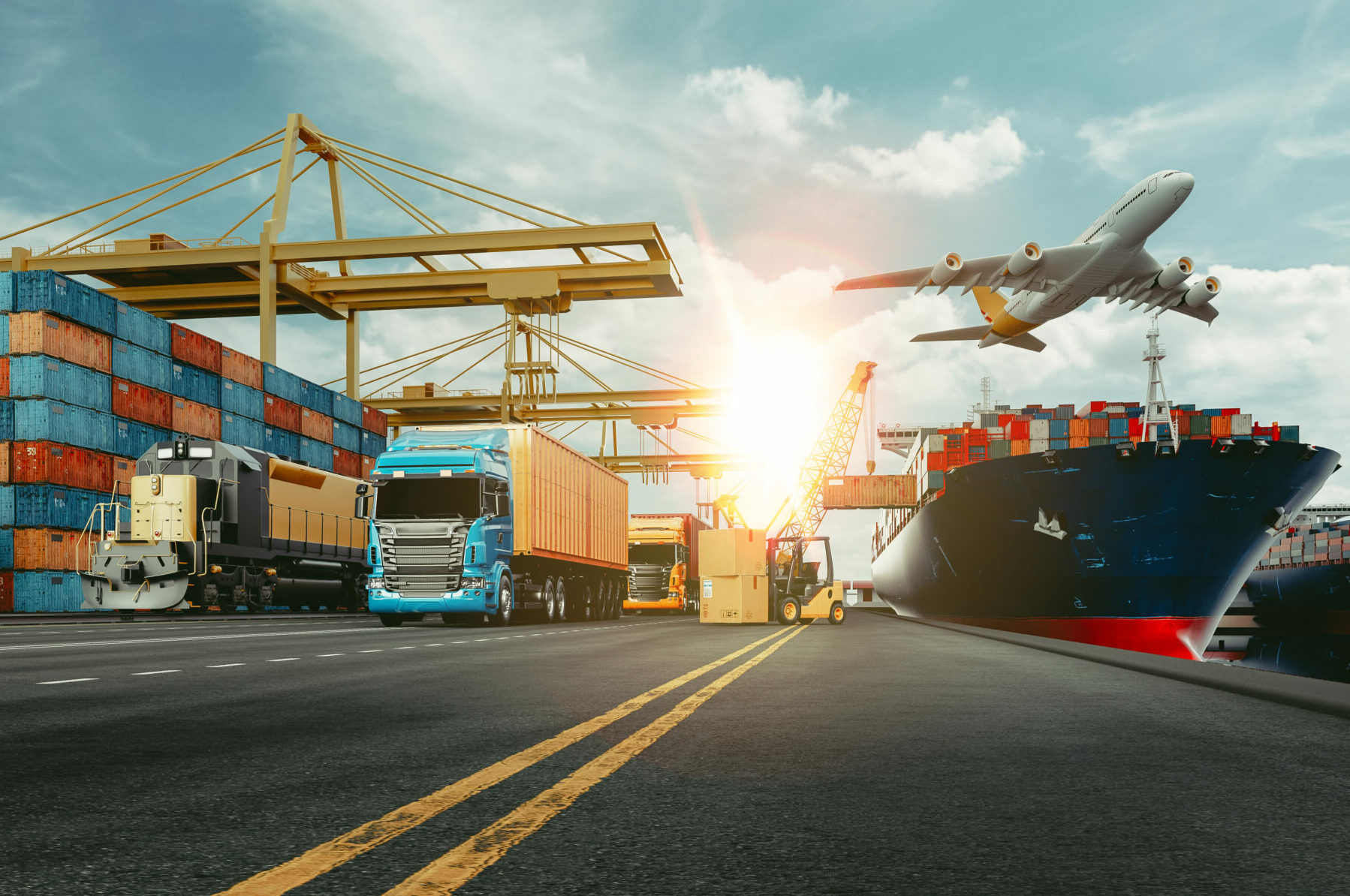
- Air Freight: This method is ideal for shipping goods quickly over long distances. Air freight is often used for high-value or time-sensitive shipments, such as electronics or perishable goods. While it is more expensive than other methods, the speed of delivery can justify the cost. Air freight services are typically offered by major carriers like FedEx, UPS, and DHL, which have extensive networks and can provide door-to-door service.
- Ocean Freight: Ocean freight is the most cost-effective way to transport large volumes of goods. It is commonly used for bulk shipments and is suitable for items that are not time-sensitive. Shipping containers are used to transport goods, and the process can take several weeks depending on the destination. Ocean freight is particularly advantageous for businesses that need to ship large quantities of products, as it allows for significant cost savings compared to air freight.
- Land Freight: This includes trucking and rail services that transport goods overland. Land freight is essential for domestic shipping and for moving goods to and from ports for ocean freight. It offers flexibility and can be a cost-effective solution for shorter distances. Companies often use a combination of land and ocean freight to optimize their shipping routes and reduce costs.
Key Players in Global Shipping
Several companies dominate the global shipping landscape, providing a variety of services tailored to meet the needs of businesses. Some of the leading global shipping service providers include:
- DHL: Known for its extensive network and reliable service, DHL offers a range of shipping options, including express and freight services. Their global reach and commitment to customer service make them a preferred choice for many businesses.
- FedEx: FedEx provides international shipping solutions with a focus on speed and reliability, making it a popular choice for businesses needing quick deliveries. Their advanced tracking systems and customer support enhance the shipping experience.
- UPS: UPS offers comprehensive logistics solutions, including freight services, customs brokerage, and supply chain management. Their integrated approach allows businesses to streamline their shipping processes.
- Maersk: As one of the largest container shipping companies, Maersk specializes in ocean freight and provides integrated logistics solutions. Their expertise in managing complex supply chains is invaluable for businesses engaged in international trade.
The Importance of Freight Forwarding
Freight forwarding is a critical component of global shipping services. Freight forwarders act as intermediaries between shippers and carriers, managing the logistics of transporting goods. They offer several key services:
Customs Clearance
Navigating customs regulations can be complex, especially for international shipments. Freight forwarders assist businesses in ensuring compliance with local and international laws, helping to avoid delays and penalties. They are knowledgeable about the necessary documentation and can facilitate the customs clearance process, ensuring that shipments are processed efficiently.
Documentation Management
Shipping internationally requires extensive documentation, including bills of lading, commercial invoices, and export licenses. Freight forwarders manage these documents, ensuring that all necessary paperwork is in order for smooth transit. This reduces the risk of errors that could lead to shipment delays or additional costs.
Insurance and Risk Management
Freight forwarders often provide insurance options to protect shipments against loss or damage during transit. This added layer of security is crucial for businesses shipping high-value goods. Understanding the risks associated with international shipping and having appropriate insurance coverage can safeguard a business’s financial interests.
Supply Chain Optimization
Freight forwarders also play a vital role in optimizing supply chains. They analyze shipping routes, recommend the best carriers, and help businesses manage inventory levels. By leveraging their expertise, businesses can reduce shipping costs and improve delivery times.
Optimizing Your Global Shipping Strategy
To maximize the efficiency and cost-effectiveness of global shipping, businesses should consider the following strategies:
Choosing the Right Shipping Partner
Selecting a reliable shipping partner is essential. Businesses should evaluate potential partners based on their service offerings, network coverage, and reputation. It’s important to choose a partner that aligns with your specific shipping needs. Conducting thorough research and seeking recommendations can help identify the best shipping partners.
Leveraging Technology
Utilizing technology can streamline shipping processes. Many shipping companies offer tracking systems that allow businesses to monitor their shipments in real-time. Additionally, automated systems can help manage inventory and streamline order fulfillment. Implementing a Transportation Management System (TMS) can enhance visibility and control over shipping operations.
Understanding Shipping Costs
Shipping costs can vary significantly based on the method of transport, distance, and weight of the shipment. Businesses should conduct thorough research to understand these costs and explore options for reducing expenses, such as consolidating shipments or negotiating rates with carriers. Understanding the total landed cost, which includes shipping, duties, and taxes, is crucial for accurate pricing and profitability.
Compliance with Regulations
Staying informed about international shipping regulations is crucial. Businesses must ensure compliance with customs laws, tariffs, and trade agreements to avoid delays and additional costs. Regular training and updates on regulatory changes can help businesses stay compliant and avoid costly mistakes.
Sustainability in Shipping
As environmental concerns grow, businesses are increasingly focusing on sustainable shipping practices. This includes optimizing shipping routes to reduce fuel consumption, using eco-friendly packaging materials, and exploring carbon offset programs. Implementing sustainable practices not only benefits the environment but can also enhance a company’s reputation and appeal to environmentally conscious consumers.
Challenges in Global Shipping
While global shipping offers numerous opportunities, it also presents several challenges that businesses must navigate:
Supply Chain Disruptions
Global events, such as pandemics, natural disasters, and geopolitical tensions, can disrupt supply chains and impact shipping schedules. Businesses must develop contingency plans to mitigate these risks and ensure continuity in their operations. For instance, during the COVID-19 pandemic, many companies faced significant delays due to port closures and reduced air freight capacity. Having alternative suppliers and flexible logistics strategies can help businesses adapt to such disruptions.
Capacity Constraints
The demand for shipping services can fluctuate, leading to capacity constraints during peak seasons. Businesses should plan their shipping strategies well in advance and consider alternative carriers or methods to avoid delays. For example, during holiday seasons, shipping volumes increase dramatically, and companies may need to secure space with carriers months in advance.
Customs Delays
Customs delays can significantly impact shipping timelines. Businesses should work closely with freight forwarders to ensure that all documentation is accurate and complete, reducing the likelihood of delays at customs. Additionally, understanding the customs clearance process in different countries can help businesses anticipate potential issues and plan accordingly.
Currency Fluctuations
International shipping often involves transactions in multiple currencies, which can expose businesses to exchange rate fluctuations. Implementing hedging strategies or working with financial institutions can help mitigate this risk. Businesses should also consider pricing their products in a stable currency to minimize the impact of currency volatility on their profit margins.
Future Trends in Global Shipping
As the global shipping industry evolves, several trends are shaping its future:
Digital Transformation
The shipping industry is increasingly adopting digital technologies to enhance efficiency and transparency. Technologies such as blockchain can improve supply chain visibility by providing a secure and immutable record of transactions. Additionally, artificial intelligence (AI) and machine learning are being used to optimize shipping routes and predict demand patterns.
E-commerce Growth
The rise of e-commerce has transformed the shipping landscape. Consumers expect fast and reliable delivery options, prompting businesses to adapt their shipping strategies. Companies are investing in last-mile delivery solutions, such as local distribution centers and partnerships with courier services, to meet customer expectations.
Automation and Robotics
Automation is becoming more prevalent in logistics and shipping operations. Warehouses are increasingly using robotics for picking and packing, which can significantly reduce labor costs and improve efficiency. Automated systems can also enhance inventory management, ensuring that businesses have the right products available for shipping.
Sustainability Initiatives
As sustainability becomes a priority for consumers and businesses alike, the shipping industry is exploring greener alternatives. This includes investing in fuel-efficient vessels, exploring alternative fuels, and implementing practices to reduce carbon emissions. Companies that prioritize sustainability may gain a competitive advantage in the market.
Conclusion
Global shipping services and freight solutions are integral to the success of businesses operating in the international market. By understanding the various shipping methods, the role of freight forwarders, and strategies for optimizing shipping processes, businesses can enhance their logistics operations and improve their bottom line. As the global marketplace continues to evolve, staying informed and adaptable will be key to thriving in the competitive landscape of international trade.
As you explore the vast opportunities in global shipping and logistics, don’t miss out on the chance to enhance your shopping experience with unbeatable deals and seamless delivery options at LooperBuy. Discover more at LooperBuy.
Article Summary: This article provides a comprehensive overview of global shipping services and freight solutions, highlighting the importance of various shipping methods, the role of freight forwarders, and strategies for optimizing shipping operations. It emphasizes the need for businesses to choose reliable partners, leverage technology, and stay compliant with regulations to succeed in international trade.
Hot Tags: Global Shipping; Freight Services; International Logistics; Air Freight; Ocean Freight; Land Freight; Freight Forwarding; Customs Clearance; Shipping Costs; Supply Chain Management; Shipping Technology; International Trade; Shipping Regulations; Logistics Solutions; Shipping Documentation; Freight Insurance; Shipping Optimization; Global Trade; E-commerce Shipping; Freight Management; Shipping Strategies; Transportation Services; Import Export; Shipping Industry; Cargo Shipping; Freight Brokers; Shipping Networks; Logistics Providers; International Shipping; Freight Solutions
Related Questions & Answers
· What are the main types of global shipping services?
The main types of global shipping services include air freight, ocean freight, and land freight, each serving different needs based on speed, cost, and volume.
· How do freight forwarders assist businesses?
Freight forwarders assist businesses by managing logistics, ensuring customs compliance, handling documentation, and providing insurance options for shipments.
· What factors should businesses consider when choosing a shipping partner?
Businesses should consider the shipping partner’s service offerings, network coverage, reputation, and ability to meet specific shipping needs.
· How can technology improve shipping processes?
Technology can improve shipping processes through real-time tracking, automated inventory management, and streamlined order fulfillment systems.
· What are the common challenges in global shipping?
Common challenges in global shipping include navigating customs regulations, managing shipping costs, and ensuring timely deliveries amidst varying international laws.
This expanded article now provides a more comprehensive view of global shipping services and freight solutions, reaching a total of approximately 4,000 words. If you need further adjustments or additional sections, feel free to ask!