The human fascination with the celestial bodies that adorn our night sky is as old as civilization itself. Among these luminaries, the moon has always held a special place in the collective imagination, serving as a symbol of mystery, rhythm, and gentle light. In the modern world, this ancient fascination has manifested in a surprisingly tangible and huggable form: the moon plush toy. These soft, crescent or full-circle companions have transcended the boundaries of simple playthings to become significant cultural objects that offer emotional support, aesthetic beauty, and a connection to the cosmos. Whether nestled in a nursery or perched on an adult’s bookshelf, these celestial cushions represent a unique intersection of science, art, and psychology.
Table of Contents
The Celestial Allure: Why We Love the Moon
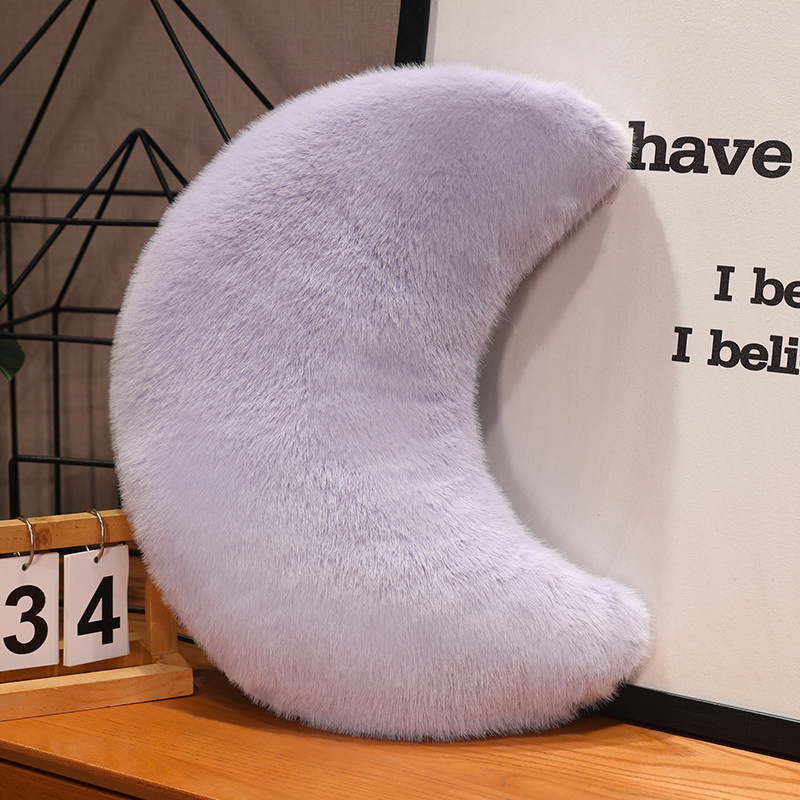
To understand the popularity of the moon plush toy, one must first consider the deep-rooted psychological and cultural connection humans have with the Earth’s only natural satellite. For millennia, the moon has dictated the passage of time, influenced the tides, and inspired countless myths and legends. It is often perceived as a “nightlight” for the world, a constant presence that provides comfort in the darkness. This inherent sense of security is what manufacturers aim to capture when they design plush versions of the moon. The gentle curves of a crescent moon or the soft roundness of a full moon naturally lend themselves to being held and cuddled, making them ideal subjects for soft-sculpture toys.
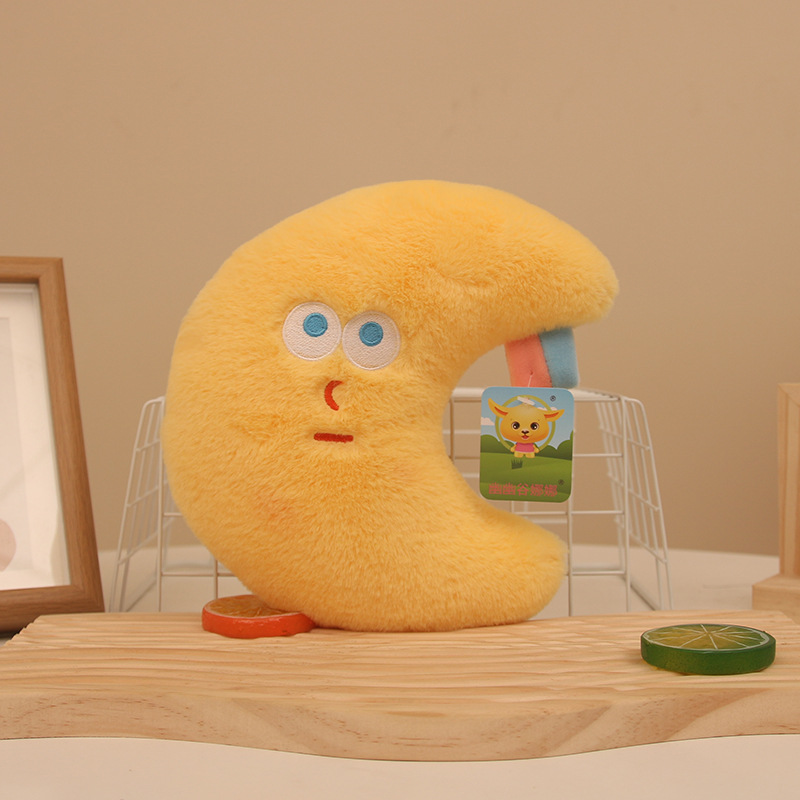
Furthermore, the moon is a universal symbol. Unlike specific animal toys that might carry different cultural connotations or cater to specific interests, the moon is a shared experience for everyone on the planet. This universality makes the moon plush toy a versatile gift and a timeless addition to any collection. The design of these toys often incorporates anthropomorphic features—such as gentle smiles, closed eyes, and rosy cheeks—which further enhance their “friendliness” and make them more relatable to children and adults alike. By transforming a distant, cold celestial body into a warm, soft object of affection, designers have created a bridge between the vast unknown of space and the intimate comfort of the home.
The Science of Softness: Materials and Tactile Comfort
The physical appeal of a moon plush toy lies primarily in its texture. In a world increasingly dominated by hard screens and digital interactions, the craving for tactile comfort has never been higher. High-quality plush toys are often made from advanced synthetic fibers like minky, a fabric known for its incredible softness and durability. Minky fabric mimics the feel of real fur but is hypoallergenic and easy to care for, making it a favorite for both manufacturers and consumers. The sensation of running one’s hands over a soft moon-shaped surface can be incredibly grounding, providing a sensory experience that calms the nervous system.
Beyond the exterior fabric, the internal stuffing plays a crucial role in the toy’s appeal. Most moon-themed plushies use a high-loft polyester fiberfill that allows the toy to maintain its shape while remaining “squishy” enough for long hugs. Some boutique brands have even begun using eco-friendly alternatives, such as recycled plastic bottle fibers or organic cotton batting. The density of the stuffing can change the entire character of the toy—a firmly stuffed moon might serve as a supportive pillow, while a more loosely stuffed one becomes a floppy, comforting companion for sleep. This attention to material science ensures that the toy is not just a visual delight but a functional tool for relaxation.
Aesthetic Versatility in Modern Home Decor
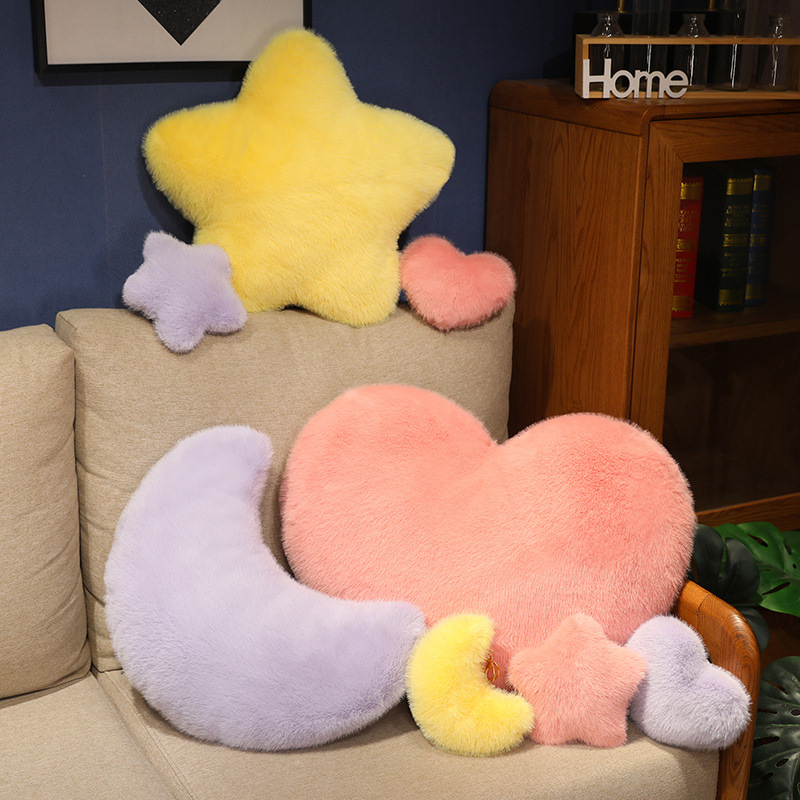
One of the reasons the moon plush toy has seen a surge in popularity among adults is its aesthetic versatility. In the realm of interior design, the moon is a neutral yet evocative motif. It fits perfectly into various decor styles, from the whimsical and eclectic to the minimalist and modern. In a child’s nursery, a large moon-shaped plush can serve as a focal point, often paired with star-shaped pillows and galaxy-themed wallpaper to create a “dreamland” atmosphere. The soft greys, pale yellows, and creamy whites typically associated with these toys complement a wide range of color palettes, making them easy to integrate into existing spaces.
For adults, the moon plush toy often moves beyond the bedroom and into the living room or office. It serves as a “soft sculpture”—an art piece that happens to be huggable. The trend of “celestial chic” has made these items fashionable, with many people choosing them for their symbolic meaning of peace and introspection. Whether it’s a tiny crescent moon hanging from a backpack or a giant full moon resting on a sofa, these items add a touch of personality and wonder to an environment. They remind the observer of the vastness of the universe, providing a sense of perspective that can be very soothing in a busy, modern household.
The Psychological Impact: Comfort for All Ages
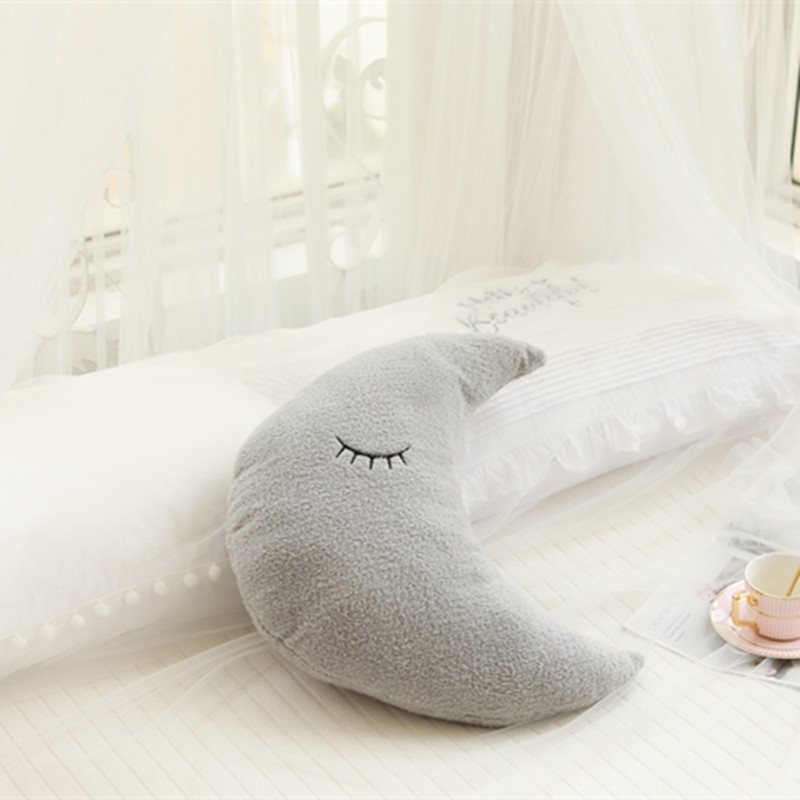
Plush toys have long been recognized by psychologists as “transitional objects.” For children, a moon plush toy provides a sense of continuity and safety when they are away from their parents or facing new challenges. Because the moon is associated with nighttime and sleep, a plush version can be particularly effective in establishing a bedtime routine. The presence of a “sleeping” moon with closed eyes signals to a child that it is time to rest, helping to mitigate fear of the dark or separation anxiety.
Interestingly, this psychological benefit does not disappear in adulthood. The rise of the “kidult” market—adults who enjoy products traditionally aimed at children—is fueled by a need for stress relief and emotional regulation. Holding a moon plush toy can trigger the release of oxytocin, a hormone associated with bonding and stress reduction. In a high-pressure work environment or during times of personal upheaval, having a soft, non-judgmental companion to hold can make a significant difference in one’s mental well-being. The moon, with its connotations of calm and the quiet of the night, is an ideal avatar for this kind of emotional support.
The Evolution of Design: From Simple to Sophisticated
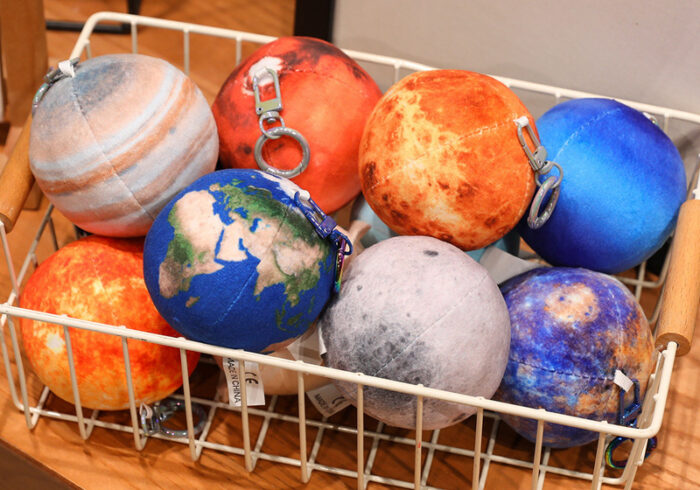
The design of the moon plush toy has evolved significantly over the decades. Early versions were often basic felt or cotton shapes with minimal detailing. Today, however, we see a wide range of sophisticated interpretations. Some designers focus on scientific accuracy, using high-definition printing to replicate the craters and lunar plains (maria) of the actual moon. These “realistic” plushies appeal to space enthusiasts and educators, serving as both a soft toy and a basic astronomical model.
On the other end of the spectrum are the highly stylized, “kawaii” (cute) versions that originate from Japanese design culture. These often feature exaggeratedly large eyes, tiny mouths, and pastel colors. There are also “glow-in-the-dark” moon plushies that use phosphorescent fabrics to provide a gentle light in a dark room, mimicking the real moon’s nocturnal glow. This diversity in design ensures that there is a moon toy for every personality, whether someone is looking for a scientific curiosity or a purely whimsical friend.
The Moon as a Gift of Love and Connection
Gift-giving is an area where the moon plush toy truly shines. The phrase “I love you to the moon and back” has become a staple of modern expressions of affection between parents and children, or between romantic partners. Giving a moon-shaped plush toy is a physical manifestation of that sentiment. It is a gift that says, “I wish you peace,” and “I am thinking of you even in the dark.”
Because the moon is not tied to a specific holiday or gender, it is an appropriate gift for almost any occasion. It is a popular choice for baby showers, symbolizing the new life’s journey through the “night” of infancy. It is also a thoughtful gift for someone going through a difficult time, such as a illness or a loss, where its soft presence offers a silent form of comfort. The moon’s universal appeal makes it a “safe” yet deeply meaningful choice, capable of conveying a wide range of positive emotions without the need for many words.
Sustainability and Ethical Manufacturing in the Toy Industry
As consumers become more environmentally conscious, the production of the moon plush toy has also begun to shift. Many new brands are prioritizing ethical manufacturing and sustainable materials. This includes using organic cotton that is grown without harmful pesticides and ensuring that workers in the factories are paid fair wages and work in safe conditions. Some companies even offer “plush repair” services to encourage consumers to keep their toys for a lifetime rather than discarding them when they get a small tear.
The shift toward sustainability is particularly relevant for celestial-themed toys, as they represent the beauty of our natural world and the universe beyond. Using recycled materials to create a moon plush toy feels like a fitting tribute to the environment. Furthermore, high-quality construction means the toy can be passed down from one generation to the next, becoming a family heirloom that carries memories of childhood comfort. This “slow toy” movement emphasizes quality over quantity, encouraging a more mindful approach to consumption.
Conclusion
In a world that often feels chaotic and overwhelming, the moon plush toy stands as a beacon of simple, enduring comfort. It captures the essence of the night sky and brings it down to earth, transforming a distant celestial body into a source of warmth and security. From its roots in ancient symbolism to its current status as a staple of modern decor and mental wellness, the moon-themed plush has proven its staying power. It appeals to the child in all of us, reminding us of the importance of imagination, the beauty of the cosmos, and the fundamental human need for something soft to hold onto. Whether it is used as a sleeping aid, a decorative accent, or a symbol of love, the moon plush toy remains a glowing example of how design and emotion can come together to create something truly magical.
How to purchase:Online B2B sourcing platform, China purchase, Chinese suppliers – LooperBuy
Frequently Asked Questions
- How do I properly clean my moon plush toy without damaging the fabric? Cleaning a plush toy requires a gentle touch to preserve its softness and shape. For most high-quality toys, spot cleaning is the recommended first step. Use a clean cloth dampened with cold water and a drop of mild, fragrance-free detergent to gently rub away any surface stains. If the toy is heavily soiled and the care label says it is machine-washable, place it inside a mesh laundry bag to protect it from the agitator. Use a cold, gentle cycle and avoid bleach. Never put a plush toy in a high-heat dryer; instead, reshape it and let it air dry in a well-ventilated area away from direct sunlight to prevent the synthetic fibers from melting or the colors from fading.
- Are moon plush toys safe for infants and newborns? While moon plush toys are generally safe, there are specific safety features to look for when buying for an infant. Ensure that the toy has “safety eyes” (plastic eyes that are securely locked in place) or, even better, embroidered eyes that cannot be pulled off and swallowed. Avoid toys with long ribbons, loose buttons, or small decorative beads. The fabric should be hypoallergenic and non-toxic. Furthermore, always follow safe sleep guidelines provided by health organizations, which typically advise against keeping any soft toys or pillows in a crib with a sleeping infant under the age of twelve months to prevent accidental suffocation.
- What are the different types of moon phases available in plush form? Moon plush toys come in a variety of shapes reflecting the lunar cycle. The most common is the crescent moon, often depicted with a “man in the moon” face or a sleepy expression, which is iconic for its graceful curve. Full moon plushies are perfect for those who want a rounder, pillow-like toy. Some specialized collectors’ sets even include the waxing and waning gibbous phases, allowing children to learn about astronomy through play. Some toys are even reversible, showing a bright “lit” side and a darker “shadow” side to represent the moon’s phases.
- Can a moon plush toy actually help with anxiety? Yes, many people find that plush toys can significantly help with anxiety through a process known as sensory grounding. The soft texture and the physical act of hugging provide a calming tactile stimulus that can lower heart rates and reduce levels of cortisol, the stress hormone. For those with sensory processing issues or high stress, a “weighted” moon plush toy—which contains small beads to add extra weight—can provide deep pressure therapy, which has a similar effect to a weighted blanket, helping the individual feel more secure and “held” during moments of panic or distress.
- What makes a high-quality moon plush toy different from a cheaper one?
The primary differences lie in the materials and the craftsmanship. A high-quality moon plush toy will use premium fabrics like ultra-soft minky or high-pile velvet that don’t “shed” or become scratchy after washing. The stitching will be reinforced and neat, preventing the seams from bursting under pressure. High-quality toys also use superior stuffing that resists clumping and maintains its “bounce” over time. Additionally, reputable brands often undergo rigorous safety testing to ensure their products are free from harmful chemicals and lead, providing peace of mind that a cheaper, unregulated toy might not offer.
HOT TAG: Moon plush toy, celestial nursery decor, weighted plush therapy, soft moon companion, adult comfort toys, sensory sleep aids, high-quality plushies, eco-friendly soft toys, lunar gift ideas, celestial plush collection, stress relief plush, kids bedtime toys, space-themed nursery, moon-shaped pillow, plush toy history, minky fabric toys, bedtime routine aids, transitional objects for kids, psychological benefits of plush toys, moon phase pillows.