Ceiling fans are a popular choice for enhancing comfort in homes, especially during warmer months. They not only help circulate air, making a room feel cooler, but they can also add a decorative touch to your living space. However, the installation of a ceiling fan involves more than just hanging it from the ceiling. A crucial component of this process is the ceiling fan electrical box. This article will explore various aspects of ceiling fan electrical boxes, including their types, installation processes, safety considerations, and maintenance tips.
Table of Contents
Understanding Ceiling Fan Electrical Boxes
What is a Ceiling Fan Electrical Box?
A ceiling fan electrical box is a specialized receptacle designed to support the weight and motion of a ceiling fan. Unlike standard electrical boxes, which may not be sturdy enough to handle the vibrations and weight of a fan, ceiling fan boxes are built to ensure safety and stability. They house the electrical wiring and components necessary for the fan’s operation, including the motor and light fixtures. The design of these boxes is crucial because ceiling fans can be quite heavy, especially if they come with additional features like integrated lighting. Therefore, the electrical box must be robust enough to handle not just the weight but also the dynamic forces generated when the fan is in operation.
Types of Ceiling Fan Electrical Boxes
There are several types of electrical boxes suitable for ceiling fan installations. Understanding these types can help you choose the right one for your needs, ensuring both safety and functionality.
1. Standard Electrical Boxes
Standard electrical boxes are typically made of plastic or metal and are used for light fixtures. However, they are not designed to support the weight of a ceiling fan. Using a standard box for a ceiling fan can lead to safety hazards, as the box may not withstand the fan’s weight over time. These boxes are generally adequate for light fixtures that do not move or vibrate significantly. However, when it comes to ceiling fans, which can weigh anywhere from 10 to 50 pounds or more, a standard box simply does not provide the necessary support.
2. Fan-Rated Electrical Boxes
Fan-rated electrical boxes are specifically designed to support ceiling fans. They are constructed from sturdier materials and often come with mounting brackets that secure the fan to the ceiling joists. These boxes are rated to handle the weight and movement of ceiling fans, making them the safest option for installation. The fan-rated boxes are tested to meet specific load requirements, ensuring that they can safely hold the fan in place even during operation. This is particularly important in homes with high ceilings or in areas where fans are frequently used.
3. Brace-Mounted Boxes
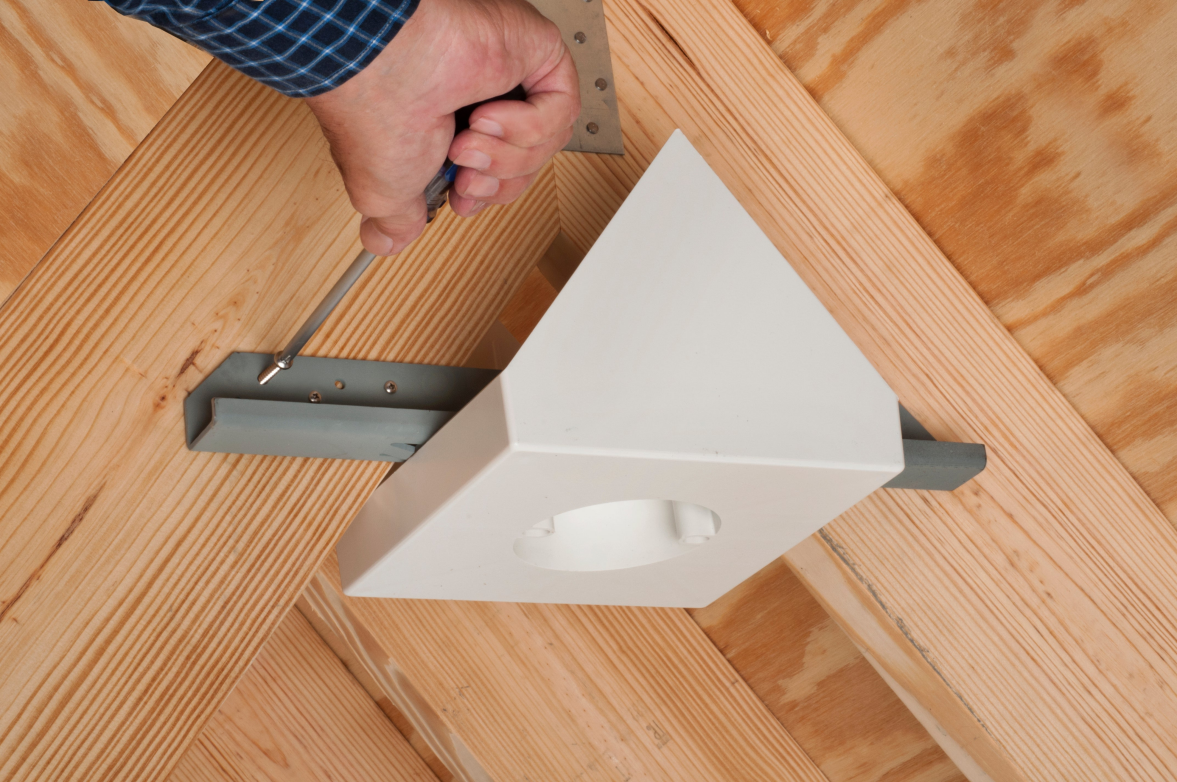
Brace-mounted boxes are installed between ceiling joists and are ideal for situations where the joists are not aligned with the desired fan location. These boxes come with a brace that expands to fit snugly between the joists, providing a secure mounting point for the fan. This type of box is especially useful in older homes where the ceiling structure may not be conducive to standard installations. The brace helps distribute the weight of the fan across a larger area, reducing the risk of damage to the ceiling.
Installation Process of Ceiling Fan Electrical Boxes
Preparing for Installation
Before installing a ceiling fan electrical box, it is essential to gather the necessary tools and materials. You will need a ceiling fan installation kit, which typically includes the mounting bracket, screws, and any additional hardware required for your specific fan model. Additionally, having a measuring tape, a screwdriver, and safety gear such as gloves and goggles is advisable. Proper preparation can make the installation process smoother and more efficient, reducing the likelihood of mistakes that could lead to safety issues.
Steps to Install a Ceiling Fan Electrical Box
1. Turn Off Power: Safety should always be your top priority. Before starting any electrical work, turn off the power at the circuit breaker to avoid any risk of electric shock. It’s also a good idea to use a voltage tester to ensure that the wires are not live before you begin working.
2. Remove Existing Fixture: If you are replacing an old light fixture, carefully remove it and disconnect the wiring. Ensure that the existing electrical box is rated for ceiling fan use. If it is not, you will need to replace it. Take note of how the old fixture was wired, as this can help you when connecting the new fan.
3. Install the Electrical Box: If you are using a brace-mounted box, position it between the ceiling joists and secure it according to the manufacturer’s instructions. For fan-rated boxes, attach the box directly to the joist using screws. Ensure that it is level and securely fastened. A level installation is crucial for the fan to operate smoothly without wobbling.
4. Connect Wiring: Once the box is installed, connect the electrical wiring from the ceiling to the fan’s wiring. Typically, this involves connecting the black (hot) wire, white (neutral) wire, and green or bare (ground) wire. Use wire nuts to secure the connections and ensure they are insulated. Properly connecting the wires is essential for the fan to function correctly and safely.
5. Attach the Mounting Bracket: Most ceiling fans come with a mounting bracket that needs to be attached to the electrical box. Use the screws provided in the installation kit to secure the bracket firmly. This bracket will hold the fan in place, so it’s important to ensure it is tightly secured.
6. Hang the Ceiling Fan: With the bracket in place, you can now hang the ceiling fan according to the manufacturer’s instructions. Ensure that it is securely attached and that all screws are tightened. Take your time during this step to ensure everything is aligned correctly.
7. Final Checks: Before turning the power back on, double-check all connections and ensure that the fan is securely mounted. Once everything is in place, restore power at the circuit breaker and test the fan. This final check is crucial to ensure that everything is functioning as it should.

Safety Considerations
Importance of Using the Right Electrical Box
Using the correct electrical box is crucial for the safety and longevity of your ceiling fan. A fan-rated electrical box is designed to handle the weight and movement of the fan, reducing the risk of it falling or becoming unstable over time. Always check the box’s rating before installation to ensure it meets the requirements for your specific fan model. This is particularly important in homes with children or pets, where a falling fan could cause serious injury.
Installation Safety Tips
When installing a ceiling fan electrical box, consider the following safety tips:
– Always turn off the power at the circuit breaker before starting any electrical work. This is the most effective way to prevent electrical accidents.
– Use insulated tools to minimize the risk of electric shock. Insulated tools are designed to protect you from electrical currents.
– Ensure that the electrical box is securely mounted to the ceiling joists to prevent any movement. A loose installation can lead to dangerous situations.
– If you are unsure about any part of the installation process, consider hiring a licensed electrician to ensure safety and compliance with local codes. Professional installation can provide peace of mind and ensure that everything is done correctly.
Maintenance Tips for Ceiling Fan Electrical Boxes
Regular Inspections
To ensure the longevity and safety of your ceiling fan, it is essential to conduct regular inspections of the electrical box and the fan itself. Check for any signs of wear or damage, such as loose connections or frayed wires. If you notice any issues, address them promptly to prevent further damage or safety hazards. Regular inspections can help catch potential problems before they become serious, ensuring that your fan operates safely and efficiently.
Cleaning and Dusting
Dust and debris can accumulate on ceiling fans, affecting their performance and efficiency. Regularly clean the fan blades and the surrounding area to ensure optimal airflow. Use a soft cloth or a duster to remove dust from the blades and the electrical box. Keeping the fan clean not only improves its performance but also extends its lifespan, as dust buildup can lead to overheating and other issues.
Professional Maintenance
Consider scheduling professional maintenance for your ceiling fan every few years. An electrician can inspect the electrical box, wiring, and fan components to ensure everything is functioning correctly and safely. Professional maintenance can help identify potential issues that may not be visible during a casual inspection, providing an extra layer of safety and reliability.
Conclusion
Understanding ceiling fan electrical boxes is essential for anyone looking to install or maintain a ceiling fan. By choosing the right type of electrical box, following proper installation procedures, and adhering to safety guidelines, you can ensure a safe and efficient ceiling fan operation. Regular maintenance and inspections will further enhance the longevity and performance of your ceiling fan, providing comfort for years to come. Investing time and effort into understanding and maintaining your ceiling fan electrical box can lead to a safer and more enjoyable home environment.
How To Purchase:https://looperbuy.com/search?keywords=ceiling+fan+electrical+box
Related Questions and Answers
1. What is the difference between a standard electrical box and a fan-rated electrical box?
A standard electrical box is not designed to support the weight and movement of a ceiling fan, while a fan-rated electrical box is specifically built to handle these demands safely.
2. How do I know if my electrical box is rated for a ceiling fan?
Check for markings on the box itself; it should indicate whether it is fan-rated. If in doubt, consult the manufacturer’s specifications or a licensed electrician.
3. Can I install a ceiling fan without an electrical box?
No, it is unsafe to install a ceiling fan without an electrical box. The box provides necessary support and houses the electrical connections.
4. What should I do if my ceiling fan wobbles?
Check to ensure that the fan is securely mounted and that all screws are tightened. If the problem persists, inspect the blades for damage or imbalance.
5. How often should I inspect my ceiling fan and electrical box?
It is advisable to inspect your ceiling fan and electrical box at least once a year to ensure everything is functioning correctly and safely.