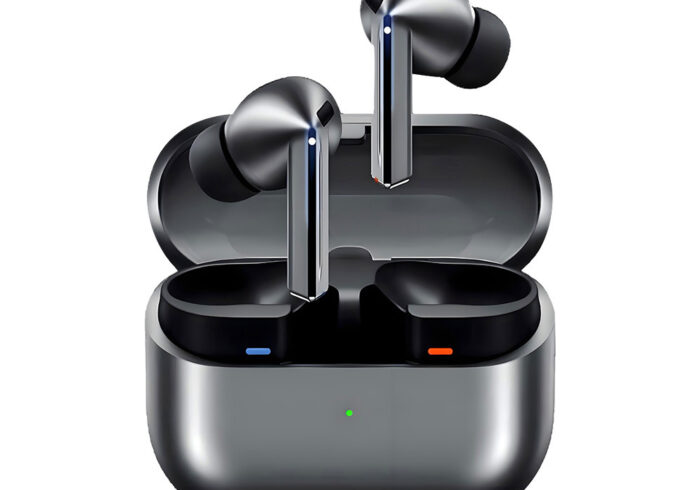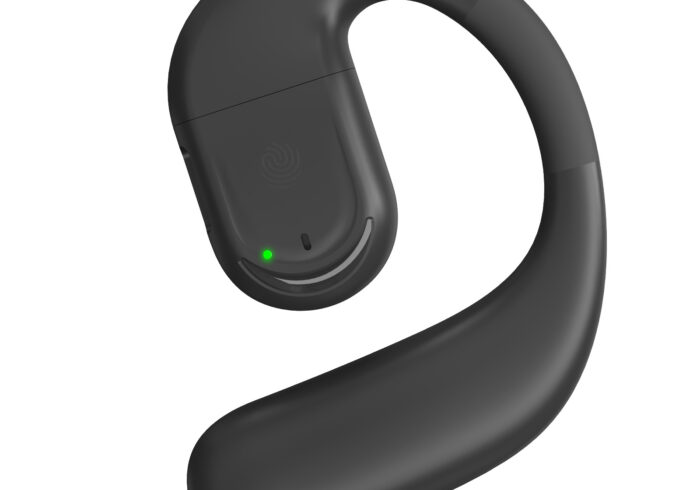
In the realm of personal audio, few names command the respect and admiration of audiophiles, sound engineers, and casual listeners alike as much as Sennheiser. With decades of dedication to acoustic innovation, this German manufacturer has consistently pushed the boundaries of what is possible in headphone design and sound reproduction. From the early days of pioneering open-back technology to the modern era of high-fidelity wireless freedom, understanding the legacy and current landscape of Sennheiser headphones requires a deep dive into their engineering philosophy, product diversification, and their unwavering commitment to delivering an authentic listening experience.
Table of Contents
The Architectural Mastery of Sound: Sennheiser’s Engineering Philosophy
At the heart of every product bearing the Sennheiser logo lies an unwavering dedication to audio neutrality and precision. Unlike many consumer brands that manipulate sound profiles to emphasize bass or treble for temporary excitement, Sennheiser’s core philosophy leans toward transparency. The objective is to reproduce audio exactly as the artist, producer, or sound engineer intended, stripping away artificial colorations to reveal the nuances hidden within a recording.
The Legacy of Innovation and Open-Back Design
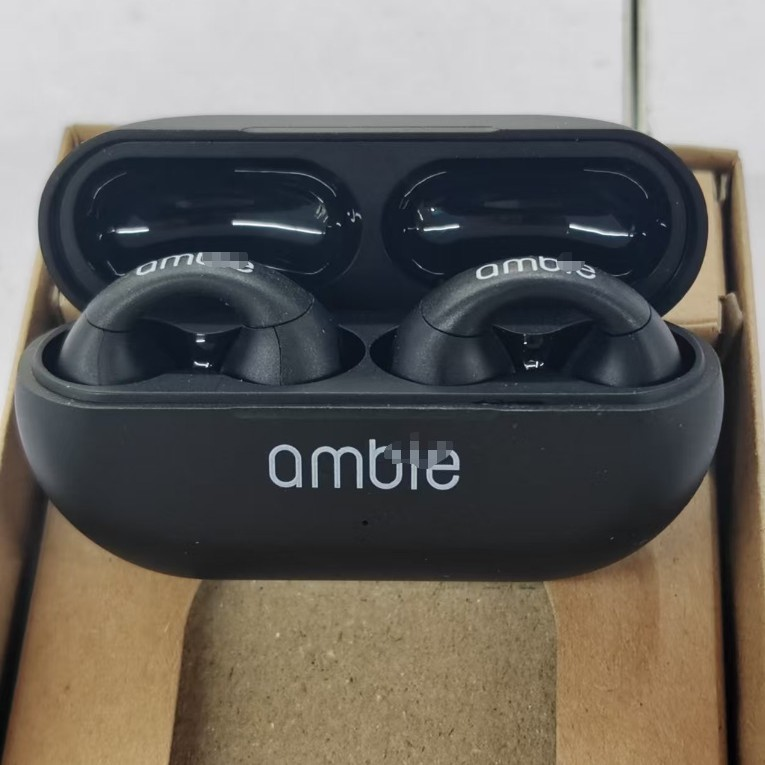
A defining moment in the brand’s history occurred in 1968, when the company introduced the world’s first open-back headphones. This was not merely a new product; it was a fundamental shift in how humans interact with music. By allowing air to flow through the ear cups, the drivers could move more freely, effectively eliminating the sound pressure buildup that causes resonances in closed-back designs. This breakthrough paved the way for the signature natural soundstage that has become synonymous with the brand, providing a sense of space and imaging that remains a benchmark for professional and high-fidelity listening environments.
Precision Manufacturing and Materials
The consistency of this sound quality is not an accident. Manufacturing remains a pillar of the brand’s ethos, with many of their iconic audiophile-grade wired headphones still crafted in specialized facilities, such as their renowned factory in Ireland. Here, engineers work with high-grade materials—ranging from meticulously tuned diaphragms to advanced damping materials—to ensure that every unit adheres to the strict performance standards that the brand has established over the past eight decades. This commitment to precision extends across their entire catalog, whether one is looking at the top-tier flagship models or the more accessible options in their broader product lines.
Navigating the Diverse Landscape: Sennheiser’s Product Ecosystem
Sennheiser’s portfolio is remarkably vast, catering to an array of specific needs, ranging from the most demanding studio professional to the daily commuter requiring convenience without sacrificing audio fidelity. Understanding this ecosystem is key to choosing the right tool for the job.
The Audiophile Benchmarks: HD Series
The HD series serves as the brand’s crown jewel. Models such as the HD 600, HD 650, and the legendary HD 800 S are frequently cited as the gold standard in the industry. These headphones are engineered for those who seek the absolute pinnacle of audio performance. They typically require dedicated amplification to truly unlock their potential, acting as an anchor in a serious home audio setup. The open-back nature of these models makes them ideal for critical listening, mastering, and the deep enjoyment of complex musical arrangements where detail retrieval and soundstage width are paramount.
The Evolution of Comfort and Ergonomics
Beyond pure sound reproduction, the company has invested heavily in the ergonomics of long-term listening. Many users choose Sennheiser models not only for their acoustic performance but for their ability to remain comfortable during marathon sessions. The use of premium velour ear pads, carefully calculated clamping force, and lightweight frame materials ensures that the physical presence of the headphones disappears, leaving only the music. This attention to detail has cultivated a loyal fan base that spans generations, as enthusiasts find that the reliability of the build quality justifies the investment.
The Modern Listener: Momentum and Wireless Solutions
Acknowledging that the modern world demands portability, the company successfully transitioned its signature sound into the wireless and noise-canceling space through the Momentum line. These models marry high-end acoustic engineering with the latest connectivity technology, such as Bluetooth and active noise cancellation. By optimizing driver performance for wireless transmission, they have successfully brought a level of clarity and balance to portable audio that was once exclusive to high-end wired equipment. This series is designed for users who spend their time in noisy environments—on airplanes, in bustling offices, or during daily commutes—but refuse to accept the sonic compromises often found in standard consumer-grade wireless headphones.
The Technical Frontiers: Transducers and Sound Signatures
At the core of any great pair of headphones is the transducer, or driver. Sennheiser’s approach to driver development is rooted in physics and rigorous testing. They have experimented with various diaphragm geometries, magnet structures, and voice coil materials to minimize distortion and maximize transient response.
Transducer Technology Mastery
Whether it is the ring radiator technology found in their high-end models or the more conventional dynamic drivers in their consumer lines, the company prioritizes linearity. By ensuring that the driver moves in perfect harmony with the electrical signal, they achieve a level of control that prevents harshness in the high frequencies while maintaining a tight, articulate low-end. This scientific approach to driver development allows them to maintain a consistent “house sound” while adapting it to different form factors and price points.
The Significance of Sound Signatures
While the goal is neutrality, different Sennheiser models offer distinct sound profiles tailored to different use cases. Some models are tuned for a more analytical, clinical sound, perfect for studio engineers who need to hear flaws in a mix. Others offer a more musical, warm, and engaging presentation, which is ideal for listeners who want to relax and lose themselves in their favorite albums. This versatility is a testament to the depth of their engineering capabilities; they do not just build one type of headphone, but rather, they master the art of tuning for specific, intentional listening experiences.
The Future of Audio: Staying Relevant in a Competitive Market
As the audio market evolves, Sennheiser faces intense competition from global technology giants and boutique audio companies alike. Yet, they continue to stay relevant by focusing on core strengths while embracing new technologies.
Integrating Advanced Audio Technology
The modern approach includes not only better drivers but also advanced software integration. Features like the Smart Control app allow users to personalize their sound signatures through sophisticated equalizers, and advancements in active noise-canceling algorithms ensure that external sound is mitigated without destroying the integrity of the music. Furthermore, the brand is actively exploring the intersection of audio with hearing assistance and smart management, demonstrating that their expertise in sound reproduction is being leveraged to solve broader communication and accessibility challenges in the 21st century.
Balancing Professionalism and Consumer Accessibility
While the brand maintains a premium image, their market strategy involves maintaining a wide reach. By continuing to support studio professionals with reliable, durable equipment—often the go-to choice for tracking vocals or monitoring live sets—they build a level of trust that filters down to the consumer level. A consumer purchasing a mid-range pair of headphones knows they are inheriting the design language and acoustic heritage of the gear used by their favorite musicians. This holistic approach, bridging the gap between professional work and leisure, is perhaps the strongest component of their long-term viability.
The Importance of Sustainability and Longevity
In an era of disposable electronics, the modular design of many Sennheiser headphones stands out. Many of their classic models are user-serviceable, with replaceable ear pads, cables, and even headband assemblies. This commitment to longevity is not only a benefit to the consumer, who can keep their headphones in top condition for years, but it also reflects a more sustainable approach to manufacturing. By building gear that is intended to last, they create a relationship with the user that goes beyond a single transaction.
Conclusion:
In conclusion, Sennheiser headphones represent a harmony of historical expertise and contemporary innovation. By consistently prioritizing audio accuracy and user-centric engineering, the brand has transcended being merely a consumer electronics manufacturer to become an essential partner for those who truly value the art of sound. Whether through the refined openness of their classic HD series or the versatile, high-fidelity experience offered by their modern wireless lineup, the company continues to define and redefine the boundaries of high-quality personal audio.
How to purchase:Online B2B sourcing platform, China purchase, Chinese suppliers – LooperBuy
Summary
This article explores the enduring legacy and technical excellence of Sennheiser headphones, emphasizing their commitment to sound transparency and innovation. It covers the evolution from their pioneering open-back designs to their modern wireless offerings, highlighting the diverse product lines like the HD series for audiophiles and the Momentum line for everyday use. Additionally, it examines the technical mastery of their transducer technology, the importance of ergonomic design, and the company’s commitment to sustainability and product longevity. Ultimately, the piece illustrates how Sennheiser maintains its industry leadership by balancing professional studio reliability with high-end consumer demands, ensuring an authentic listening experience across all categories.
Hot Tags:
Audiophile; High Fidelity; Soundstage; Open Back; Closed Back; Noise Cancelling; Bluetooth; Wireless Headphones; Studio Monitoring; Acoustic Innovation; Sennheiser HD Series; Momentum; Audio Engineering; Critical Listening; Sound Quality; Driver Technology; Professional Audio; Consumer Electronics; Portable Audio; Headphone Amplifier; Balanced Sound; Transparency; Audio Preservation; Comfort; Ergonomics; Iconic Design; Legacy; Musical Accuracy; High Resolution; Audio Gear
Related Questions & Answers
· Why are Sennheiser headphones often considered the industry standard for audiophiles?
Sennheiser is highly regarded because of their long-standing commitment to acoustic neutrality and detail. Their open-back designs, in particular, provide a natural soundstage and imaging that allow listeners to hear recordings exactly as they were intended, without artificial colorations.
· What is the main difference between the HD series and the Momentum series?
The HD series is primarily focused on uncompromising wired, audiophile-grade performance, often requiring dedicated amplifiers and ideal for stationary critical listening. The Momentum series, conversely, is designed for mobility, incorporating wireless connectivity and active noise cancellation to provide a high-fidelity experience while on the move.
· Are open-back Sennheiser headphones suitable for use in public places?
Generally, no. Because open-back headphones allow sound to pass through the ear cups, they have little to no sound isolation. They will leak your music to those around you and allow ambient noise to enter, making them best suited for quiet, private environments.
· Do all Sennheiser headphones require an external amplifier?
No, only the high-impedance professional or audiophile models (like the HD 600 or HD 800 series) truly benefit from or require a dedicated amplifier to perform at their best. Their consumer and portable wireless models are designed to be driven easily by smartphones, laptops, and tablets.
· What makes the Momentum series effective for commuting?
The Momentum series utilizes advanced active noise-canceling technology, which effectively reduces ambient low-frequency noises like airplane engines or city traffic. Combined with their high-quality drivers, they allow for a clear, immersive listening experience even in noisy, real-world environments.