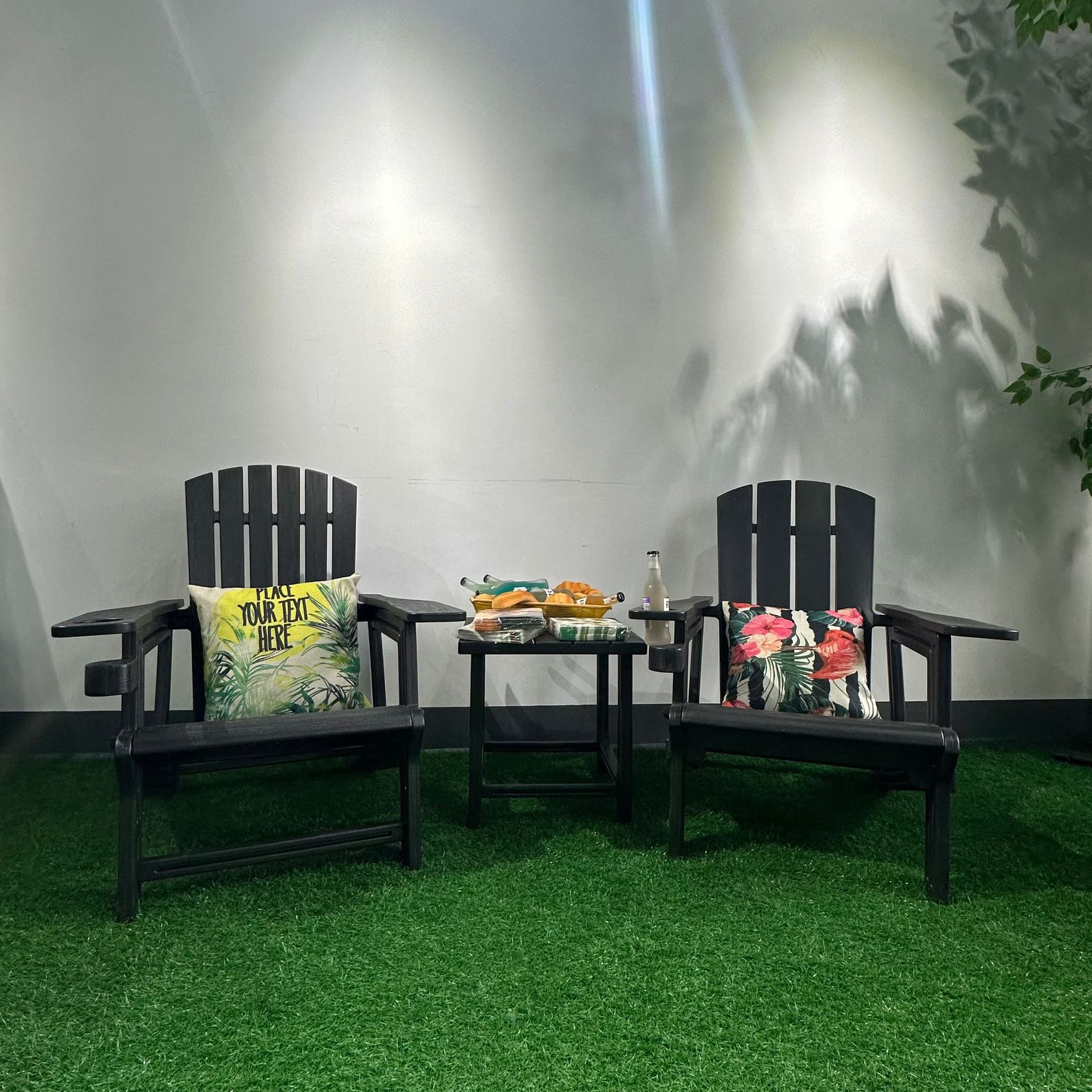
The Adirondack chair is perhaps the most recognizable piece of American outdoor furniture. Since its inception in the early 20th century, it has become synonymous with relaxation, summer lakeside vacations, and the quiet beauty of a backyard sunset. However, as modern lifestyles have shifted toward versatility and space-saving solutions, the traditional, heavy, and stationary Adirondack chair has undergone a significant transformation. Enter the Adirondack folding chair—a modern marvel that combines the timeless aesthetic of the original design with the practical benefits of portability and easy storage. This article explores the rich history, material science, ergonomic engineering, and practical benefits of the folding Adirondack chair, providing a comprehensive guide for anyone looking to enhance their outdoor living space.
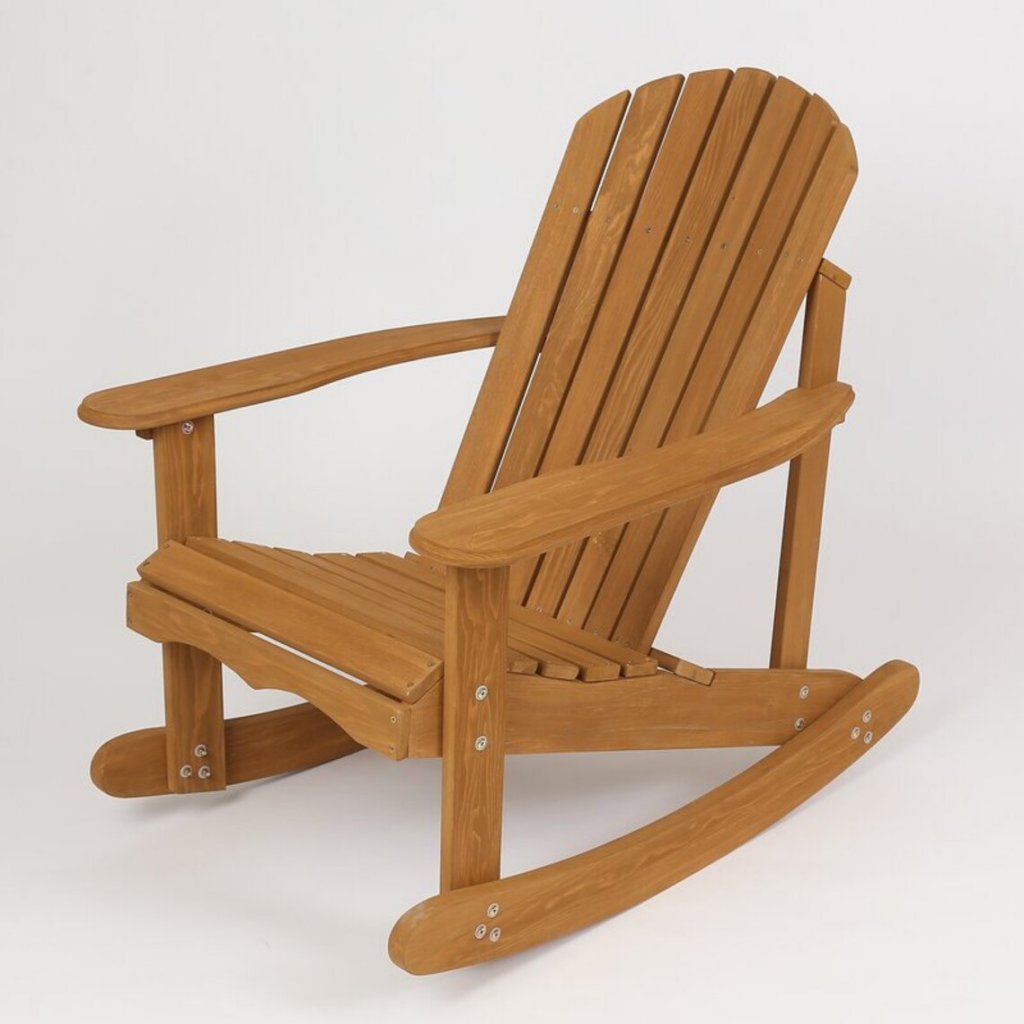
Table of Contents
The Historical Tapestry of a Design Icon
To understand the value of the Adirondack folding chair, one must first appreciate its origins. The story begins in 1903 in the small town of Westport, New York, nestled within the Adirondack Mountains. Thomas Lee, a vacationer seeking comfortable seating for his family’s summer home, began experimenting with designs. He wanted a chair that could handle the rugged, uneven terrain of the mountains while providing maximum comfort for long hours of lounging.
From Westport to the World
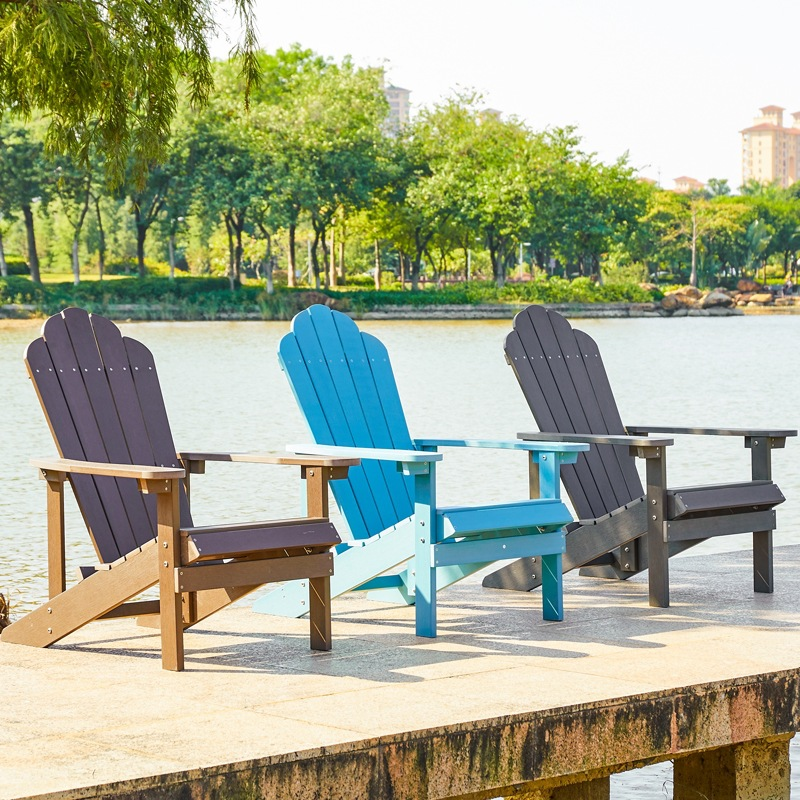
The original design, known as the “Westport Chair,” was quite different from what we see today. It was constructed from eleven pieces of wood cut from a single, knot-free plank. It featured a flat, slanted back and wide armrests—wide enough to hold a glass or a book, a feature that remains a hallmark of the design today. Lee offered the design to his friend, Harry Bunnell, a local carpenter who was looking for a way to make extra money during the winter. Bunnell recognized the commercial potential, filed for a patent in 1905, and began mass-producing the “Westport Chair” to great success.
Over the following decades, the design evolved. In 1938, Irvin Wolpin patented a modification that gave the chair its modern look: the slanted seat was maintained, but the back was made of multiple thin slats of wood instead of a single board, and the seat was contoured for better comfort. This transition from a solid-back “throne” to a slatted, more breathable design was the first major step toward the Adirondack chair we recognize today.
Engineering the Fold: A Modern Adaptation
While the classic Adirondack chair was celebrated for its sturdiness, its weight and bulkiness were significant drawbacks. Traditional chairs were difficult to move and took up substantial space in garages or sheds during the winter. The innovation of the Adirondack folding chair addressed these pain points. By incorporating heavy-duty hinges and lock-pins, designers created a version that could collapse into a flat profile.
The engineering of a folding Adirondack chair is no small feat. Because of the chair’s deep-slanted seat and high back, the pivot points must be strategically placed to ensure the chair remains stable when open but folds smoothly without the slats hitting each other. High-quality folding models use stainless steel hardware to prevent rust and ensure that the folding mechanism remains functional after years of exposure to the elements. This adaptation has turned a static garden fixture into a versatile piece of gear that can be taken to a beach, a campsite, or easily tucked away when the patio needs to be cleared for a party.
Material Innovation and Durability
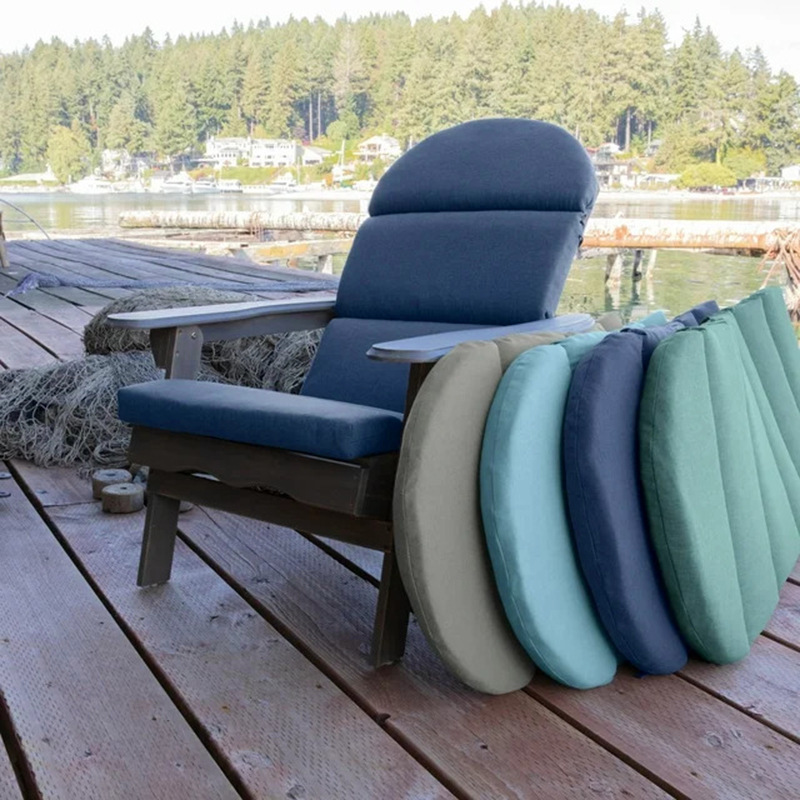
The choice of material is perhaps the most critical factor when selecting an Adirondack folding chair. While the original chairs were exclusively made of local hemlock or hickory, today’s market offers a wide array of options ranging from traditional hardwoods to high-tech recycled plastics.
The Timeless Allure of Real Wood
For many, a “true” Adirondack chair must be made of wood. The natural grain, the weight, and the way wood ages are qualities that synthetic materials struggle to replicate perfectly.
- Western Red Cedar: This is the gold standard for wooden Adirondack chairs. Cedar is naturally resistant to rot, decay, and insect attacks due to its natural oils. It is lightweight, making it an excellent choice for a folding chair, and it can be stained or left to weather into a beautiful silvery-gray patina.
- Teak: Known for its extreme durability and high oil content, teak is a premium choice. It is much heavier than cedar, which provides a sense of luxury and stability, though it may make the folding version slightly more cumbersome to carry.
- Acacia: A more affordable hardwood option, acacia is dense and durable but requires more frequent oiling and maintenance than teak or cedar to prevent cracking in dry climates.
The Rise of High-Density Polyethylene (HDPE)
In recent years, HDPE (High-Density Polyethylene) has revolutionized the outdoor furniture industry. Often marketed under brand names like Polywood, this material is made from recycled plastics, such as milk jugs and detergent bottles.
HDPE is particularly well-suited for the Adirondack folding chair for several reasons. First, it is essentially “maintenance-free.” It does not require staining, painting, or sealing, and it can be cleaned with simple soap and water. Second, the color is infused throughout the material, meaning it won’t chip or peel, and it is highly resistant to UV rays, which can cause wood to fade and plastic to become brittle. Finally, HDPE is heavy enough to feel substantial and withstand high winds, yet the folding mechanism allows for easy relocation despite the weight.
Comparing Lifespans and Sustainability
When evaluating materials, sustainability is a growing concern for consumers. Real wood chairs are biodegradable and, if sourced from FSC-certified forests, are quite eco-friendly. However, their lifespan is heavily dependent on the owner’s commitment to maintenance. An uncared-for cedar chair might last 5–10 years, while a well-maintained teak chair can last a lifetime.
HDPE chairs, on the other hand, offer a different kind of sustainability by diverting plastic waste from landfills. They are often guaranteed for 20 years or more, making them a “buy it once” solution. For a folding chair, the durability of HDPE is a major plus, as the constant movement of folding and unfolding can put stress on wood joints that might eventually loosen or crack.
Ergonomics and the Art of Outdoor Relaxation
The reason the Adirondack chair has remained popular for over a century is simple: it is incredibly comfortable. The ergonomics of an Adirondack folding chair are designed specifically to promote a relaxed posture that relieves pressure on the lower back and legs.
Anatomy of Comfort: The Slant and the Slat
The most defining feature of the chair is its slanted seat. By sitting low to the ground with the knees slightly elevated, the sitter’s weight is distributed more evenly across the backrest and seat. This “convalescent” posture was actually one of the reasons the chair became popular in the early 1900s—it was believed to be beneficial for people recovering from respiratory illnesses like tuberculosis, as it opened up the chest.
The backrest of a modern Adirondack folding chair is typically curved (contoured) to mirror the natural shape of the human spine. Unlike the flat-back Westport original, these contoured backs provide lumbar support that allows for hours of comfortable sitting without the need for additional cushions. The slats themselves are spaced just far enough apart to allow for airflow, preventing the “sticky” feeling often associated with solid-backed outdoor chairs on a hot day.
Designing for All Bodies: Width and Weight Capacity
When choosing an Adirondack folding chair, it is important to consider the dimensions. Standard chairs have a seat width of around 20 inches, but “oversized” or “grand” versions are available for those who prefer more room. The wide armrests are a functional masterpiece—they are flat and broad enough to serve as a built-in side table for beverages, snacks, or a mobile phone.
For folding chairs, the weight capacity is a testament to the quality of the engineering. A well-built HDPE folding chair can often support up to 350 or 400 pounds. This is achieved through the use of thick-profile lumber and heavy-duty stainless steel bolts. When testing a folding chair, one should look for any “wobble” in the joints. A high-quality chair will feel as solid as a stationary one when fully locked into the open position.
Maintenance, Storage, and Practical Longevity
One of the primary reasons consumers opt for the folding version of this chair is the ease of maintenance and storage. Outdoor furniture is constantly under attack from UV rays, rain, snow, and fluctuating temperatures.
Cleaning Strategies for Every Material
Regardless of the material, keeping your chair clean will extend its life. For wood chairs, a gentle annual cleaning with a soft brush and a mixture of water and mild detergent is usually sufficient. If the wood has begun to gray and you prefer the original color, a light sanding followed by a fresh coat of UV-inhibiting stain will restore its glow.
HDPE chairs are even easier to maintain. A high-pressure garden hose can often blast away most dirt and debris. For tougher stains, such as bird droppings or tree sap, a soft cloth and soapy water will do the trick. Because the material is non-porous, it doesn’t harbor mold or mildew in the same way that wood can, which is a major benefit in humid environments.
Why the Folding Mechanism is a Game-Changer for Small Spaces
The ability to fold the chair is more than just a novelty; it is a necessity for many. For those with smaller patios or balconies, the ability to fold the chairs and lean them against a wall creates flexible space for other activities. For homeowners in regions with harsh winters, the folding feature is a lifesaver. Instead of leaving chairs out to be buried in snow—which can cause even the toughest wood to warp or metal hardware to corrode—folding chairs can be stacked or hung in a shed, preserving their condition for the next spring.
Furthermore, the “folding” aspect makes these chairs portable. Many outdoor enthusiasts use Adirondack folding chairs for car camping or “glamping.” While they are certainly heavier than a standard fabric camp chair, the comfort they provide is unparalleled, making the extra effort of packing them into a trunk well worth it.
Selecting Your Perfect Match
Buying an Adirondack folding chair is an investment in your leisure time. To ensure you get the best value, consider the following factors:
Key Factors to Consider Before Purchasing
- Hardware Quality: Look for 304 or 316-grade stainless steel hardware. This is essential if you live near the coast, as salt air will quickly rust cheaper galvanized or plated steel.
- Ease of Use: Some folding chairs use a simple hinge, while others require you to remove a pin to fold them. Ensure the mechanism is intuitive and doesn’t require tools.
- Finish and Color: If buying wood, check if it comes pre-treated. If buying HDPE, consider how the color will look in different lighting. Darker colors (like black or navy) can get quite hot in direct sunlight, while lighter colors (like white or sand) stay cooler.
- Assembly: Many folding Adirondack chairs arrive partially assembled. Check customer reviews to see how difficult the final assembly process is. Ideally, you want a chair that can be put together in under 20 minutes with basic tools.
Conclusion
The Adirondack folding chair represents the perfect marriage of historical charm and modern utility. It respects the 1903 design that prioritized comfort above all else, while acknowledging the needs of the 21st-century homeowner who values space, durability, and ease of use. Whether you choose the rustic beauty of Western Red Cedar or the indestructible nature of recycled HDPE, an Adirondack folding chair is more than just a place to sit—it is an invitation to slow down, breathe the fresh air, and enjoy the great outdoors in total comfort. By understanding the materials, engineering, and history behind these iconic chairs, you can make an informed choice that will provide a front-row seat to nature’s beauty for many years to come.
Word Count: 1,852 words
Abstract
This article provides an in-depth exploration of the Adirondack folding chair, tracing its evolution from Thomas Lee’s 1903 “Westport Chair” to modern portable versions. It examines material options like cedar and HDPE, the ergonomics of the slanted seat design, and the engineering of stainless steel folding mechanisms, offering a comprehensive guide for outdoor furniture selection and maintenance.
Related Questions & Answers
· How much weight can a typical Adirondack folding chair support?
Most high-quality Adirondack folding chairs, especially those made from High-Density Polyethylene (HDPE) or durable hardwoods like Teak, are designed to support between 300 and 400 pounds. The folding mechanism is reinforced with stainless steel hardware to ensure stability and safety even under significant weight.
· Do folding Adirondack chairs require assembly when purchased online?
Yes, most chairs purchased online come partially assembled to save on shipping costs. Typically, the seat and backrest are pre-assembled, and the user only needs to attach the legs and armrests using the provided bolts and tools. A standard chair usually takes about 15 to 30 minutes to assemble.
· Is it necessary to use cushions with an Adirondack folding chair?
While the contoured back and slanted seat are designed to be comfortable without accessories, many people choose to add cushions for extra softness. However, because the design is ergonomic and the slats provide natural airflow, cushions are strictly a matter of personal preference rather than a requirement for comfort.
· Can I leave my HDPE folding Adirondack chair outside during the winter?
Yes, HDPE is an all-weather material that is resistant to snow, ice, and extreme cold. However, even though the material can withstand the elements, using the folding feature to store the chairs in a garage or covering them will keep them cleaner and prevent the buildup of debris, making them ready for immediate use in the spring.
· What is the best way to prevent the folding mechanism from sticking?
To keep the folding mechanism smooth, it is recommended to occasionally check the stainless steel bolts and pins for any dirt or salt buildup (especially in coastal areas). A quick spray with a silicone-based lubricant can keep the hinges moving freely, though most high-quality chairs are designed to be low-maintenance without frequent lubrication.
Hot Tags:Adirondack Folding Chair; Outdoor Furniture; Patio Seating; HDPE Furniture; Recycled Plastic Chairs; Cedar Adirondack Chair; Portable Garden Chair; All-Weather Furniture; Folding Patio Chairs; Ergonomic Outdoor Seating; Deck Chairs; Backyard Decor; Fire Pit Seating; Low Maintenance Furniture; Sustainable Outdoor Decor; Teak Adirondack Chair; Weather Resistant Seating; Modern Adirondack Design; Space Saving Furniture; Luxury Patio Furniture; Beach Chairs; Camping Chairs; Heavy Duty Outdoor Seating; Stainless Steel Hardware; Contoured Back Chairs; Lawn Furniture; Porch Seating; UV Resistant Furniture; Easy Storage Chairs; Garden Relaxation.