The simple act of putting pen to paper is a ritual as old as civilization itself, yet the tools we use to perform this task have undergone a radical transformation. For decades, the standard for professional and academic writing was a rigid adherence to black or blue ink. These shades were seen as the only “serious” choices, relegated to the world of legal documents, formal examinations, and corporate correspondence. However, as our understanding of cognitive science and psychology has deepened, a vibrant revolution has taken place. The strategic implementation of different colour pens is no longer seen as a whimsical distraction but as a fundamental enhancement to how we process information, manage our time, and express our inner creativity.
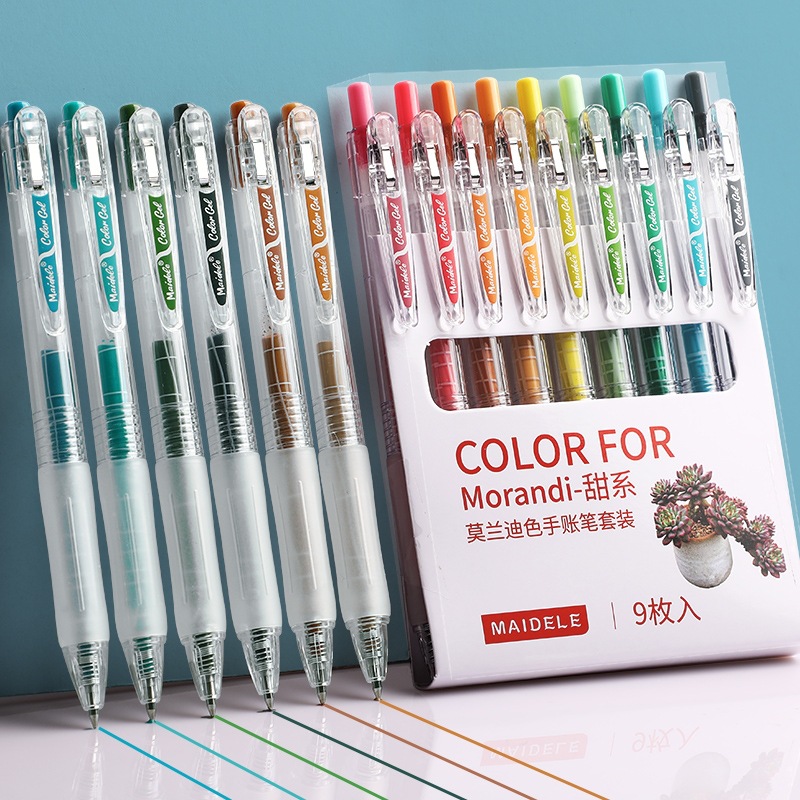
The sensory experience of walking into a high-end stationery shop provides an immediate clue to this shift. Rows upon rows of pens in every imaginable hue—from the deepest forest greens to the most ethereal pastel lavenders—invite the writer to reconsider their relationship with the page. This is not merely about aesthetics; it is about the architecture of thought. When we limit ourselves to a single color, our notes become a monolithic block of text, a visual wall that the brain often struggles to navigate. By introducing various shades, we create a topographical map of our ideas, allowing the most critical information to rise to the surface while secondary details provide the necessary context.
Table of Contents
The Psychological Spectrum: How Color Influences the Mind
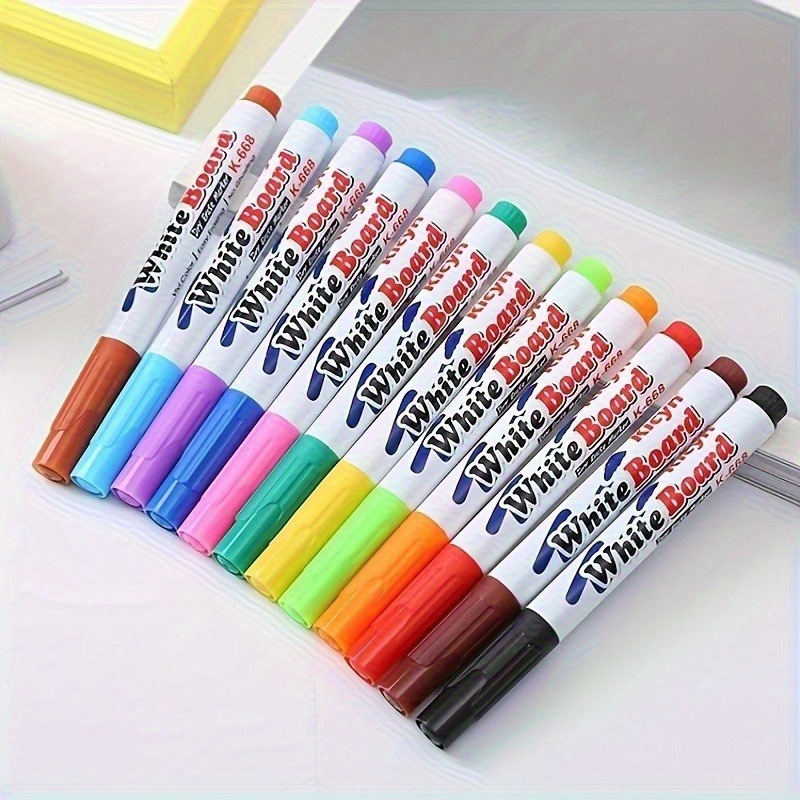
To understand why different colour pens are so effective, one must first look at the psychological impact of specific wavelengths of light. The human brain is hardwired to respond to color in profound ways. Red, for instance, is a color associated with alertness and urgency. In a pedagogical context, red has traditionally been used for corrections, but in personal organization, it serves as a powerful tool for marking deadlines or critical warnings. When a student uses a red pen to underline a formula, the brain registers that information as a high priority, triggering a heightened state of attention that aids in retention.
Conversely, shades of blue and green are often associated with calmness and stability. Using a blue pen for the bulk of one’s writing can reduce the visual fatigue often caused by the harsh contrast of black ink on white paper. Green, often linked to growth and nature, is an excellent choice for brainstorming sessions or creative drafting. It fosters a sense of openness and reduces the “performance anxiety” that can come with starting a new project. By alternating between these colors, a writer can essentially “mode-switch” their brain, moving from a state of critical analysis to one of creative flow without ever putting down their stationery.
The use of warmer tones, such as orange and yellow, serves a different purpose entirely. These colors are inherently cheerful and can be used to highlight positive feedback or “wins” in a personal journal. For someone struggling with the monotony of a repetitive task, switching to a bright orange pen can provide a small but significant hit of dopamine, making the work feel less like a chore and more like a conscious act of creation. This emotional resonance is a key reason why the stationery industry has seen such a massive surge in the popularity of multi-color sets and specialized ink palettes.
Cognitive Benefits and the Science of Memory
Beyond the emotional impact, the use of different colour pens is a proven method for improving memory and cognitive load management. This is largely due to a phenomenon known as the Von Restorff effect, or the isolation effect. This principle suggests that when multiple similar stimuli are presented, the one that differs from the rest is most likely to be remembered. If a page of notes is written entirely in black ink, no single piece of information stands out. However, if a single keyword is written in a vibrant purple or teal, that word becomes a visual anchor.
This technique is particularly useful in the world of academic study. Active recall, one of the most effective ways to learn new material, is significantly enhanced when combined with color coding. For example, a medical student might use blue for anatomical structures, red for physiological processes, and green for pharmacological treatments. This creates a mental filing system. When the student sits down for an exam, they don’t just remember the words; they remember the “color” of the information, which helps the brain retrieve the associated data more quickly from long-term memory.
Furthermore, the physical act of switching between different colour pens forces a momentary pause in the writing process. This pause, though lasting only a second or two, allows the writer to categorize the information they are about to record. It prevents the “passive transcription” trap, where a person writes down what they hear or read without actually processing its meaning. The act of choosing a color requires a conscious decision about the nature of the information, leading to deeper encoding and a more thorough understanding of the subject matter.
The Evolution of Ink Technology and Stationery Design
The rise of the multi-color movement would not have been possible without significant advancements in ink chemistry. In the mid-20th century, colored inks were often prone to fading, smearing, or clogging the delicate mechanisms of fountain pens. The development of the ballpoint pen was a step forward in convenience, but early versions were limited in their color range and often produced a dull, inconsistent line.
The true turning point came with the invention of gel ink technology in the late 1980s. Unlike traditional oil-based inks, gel inks use a pigment suspended in a water-based gel. This allows for a much higher concentration of pigment, resulting in colors that are incredibly vivid and opaque. Because the ink is thicker, it does not skip, providing a smooth, sensory writing experience that encourages the user to keep going. This technological leap opened the floodgates for the production of different colour pens in a staggering array of finishes, including metallic, neon, and even glitter.
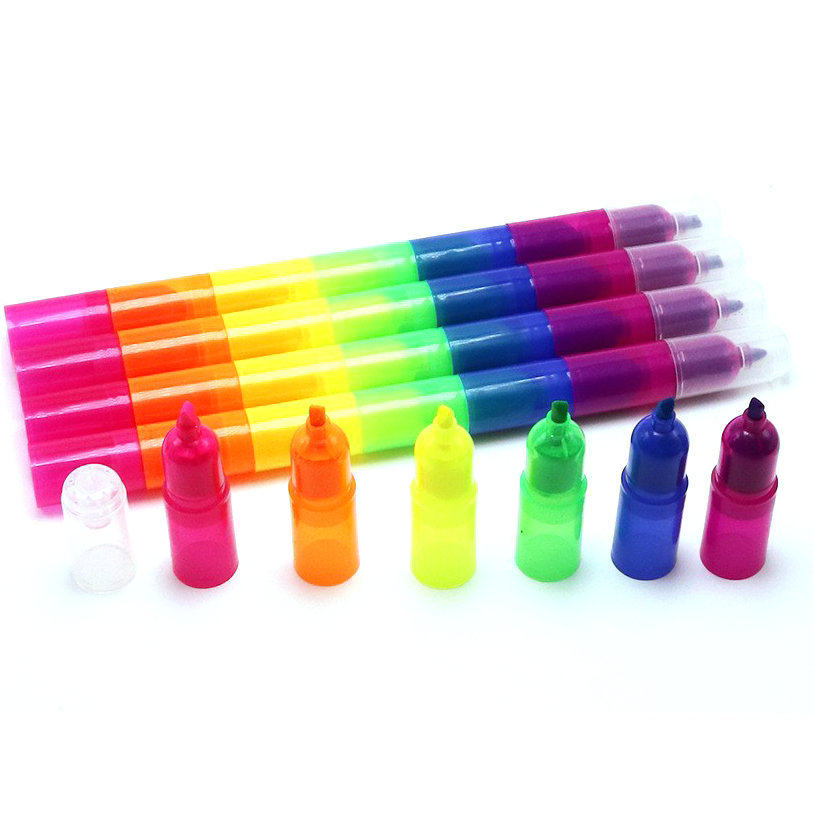
Parallel to the chemistry of the ink, the ergonomics of the pens themselves have evolved. Manufacturers began to realize that people using multiple colors were often switching tools frequently. This led to the design of pens with comfortable rubber grips, balanced weight distributions, and quick-dry formulas that prevent the smudging that often plagues left-handed writers. The modern multi-color pen—a single barrel housing four or more different ink cartridges—is a marvel of miniature engineering, allowing for rapid-fire color changes with a simple click.
Organizational Mastery: The Art of Color Coding
In the professional world, the strategic use of different colour pens has become a hallmark of the highly organized. The “Bullet Journal” movement, which gained global traction in the 2010s, relies heavily on the use of color to manage complex schedules and long-term goals. In this system, color is used to denote different “spheres” of life. A professional might use navy blue for work tasks, a soft sage for personal wellness, and a bright magenta for social engagements.
This visual compartmentalization allows an individual to glance at their weekly spread and immediately understand the “balance” of their life. If the page is dominated by the “work” color, it serves as a visual prompt to schedule more “personal” time. This level of oversight is difficult to achieve with digital calendars, which often hide the nuances of our daily rhythms behind a glass screen. The tactile, color-coded page provides a physical record of our intentions and our achievements, making the abstract concept of “time management” feel much more tangible.
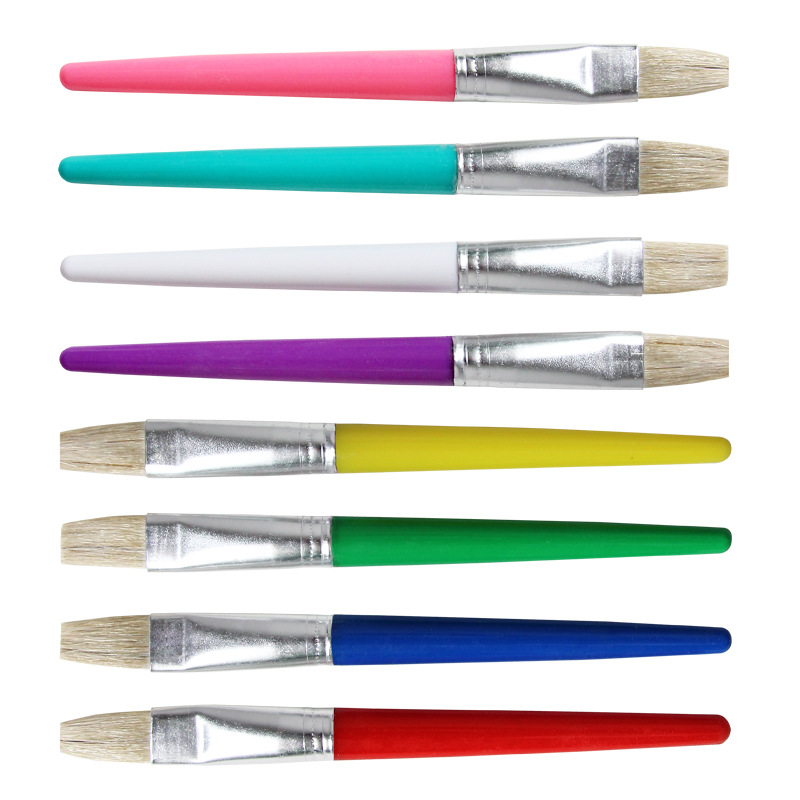
Editing and collaboration also benefit immensely from a multi-color approach. When multiple people review a physical manuscript, assigning a unique color to each editor ensures that feedback is clear and traceable. A lead editor might use traditional red, while a fact-checker uses green and a creative director uses purple. This prevents the confusion that arises when a document is covered in a sea of identical marks, ensuring that every voice is heard and every correction is addressed.
Creative Expression and Adult Coloring as Mindfulness
The utility of different colour pens extends far beyond the utilitarian world of notes and schedules. We have seen a massive cultural resurgence in analog hobbies, such as adult coloring, hand-lettering, and “slow journaling.” These activities are often used as a form of mindfulness, a way to disconnect from the constant digital noise of the 21st century.
For many, the act of selecting the perfect palette for a coloring page or a decorative header is a therapeutic exercise. It requires a focus on the present moment and a sensitivity to the interplay of light and shade. The wide availability of different colour pens—from fine-liners that can trace the most intricate patterns to brush pens that mimic the flow of a watercolor painting—has democratized art. One does not need to be a trained painter to enjoy the meditative benefits of color; a simple set of quality pens and a blank notebook are all that is required to begin a journey of self-expression.
Furthermore, the rise of “aesthetic” study habits on social media platforms has created a global community of stationery enthusiasts. These creators share tips on how to use color to create beautiful, functional layouts that inspire others to take pride in their work. While some might dismiss this as “procrastination,” the reality is that making one’s work visually appealing can significantly increase the motivation to engage with it. A beautiful, color-coded notebook is something a student wants to open and review, turning the chore of studying into an inviting, creative experience.
Sustainability and the Future of the Stationery Industry
As we look toward the future, the stationery industry is grappling with the environmental impact of disposable plastic pens. The “different colour pens” of tomorrow are likely to be more sustainable, focusing on refillable systems and biodegradable materials. High-end brands have already seen a resurgence in fountain pens, which allow users to swap out glass bottles of ink in thousands of custom colors, effectively eliminating the need for single-use plastic cartridges.
Innovations in “smart pens” are also beginning to bridge the gap between the analog and digital worlds. These tools can record the strokes of a colored pen on specialized paper and instantly digitize them, preserving the color and the layout in a searchable digital format. This ensures that the cognitive benefits of handwriting and the organizational benefits of color are not lost in an increasingly paperless society.
The future of the pen is not a choice between black ink and a digital screen, but a synthesis of both. We are moving toward an era where the tools we use to think are as diverse and vibrant as the thoughts themselves. By embracing the full spectrum of color, we are not just making our pages more beautiful; we are making our minds more efficient, our work more organized, and our lives more expressive.
Conclusion: The Enduring Power of the Pigmented Line
The journey from a monochromatic world to one filled with different colour pens is a testament to the human desire for both order and beauty. We have moved past the era where color was seen as a mere decoration, recognizing it instead as a powerful cognitive tool that aids memory, reduces stress, and enhances productivity. Whether it is a student highlighting a textbook, a CEO color-coding a complex project, or an artist filling a journal with vibrant calligraphy, the use of color is a fundamental part of the modern intellectual toolkit.
Ultimately, the choice of a pen is a deeply personal one. The weight of the barrel, the flow of the ink, and, most importantly, the vibrancy of the color, all contribute to the quality of our creative and professional output. By stepping away from the “safety” of black and blue and embracing the wider spectrum, we open ourselves up to new ways of thinking and being. The humble pen, in all its varied colors, remains one of the most powerful inventions in human history—a simple wand that allows us to cast our thoughts onto the world in brilliant, lasting detail.
How to purchase:Online B2B sourcing platform, China purchase, Chinese suppliers – LooperBuy
Frequently Asked Questions
1. Which colors are best for helping with memory retention during studying?
Research suggests that high-contrast colors like red and orange are best for drawing immediate attention to critical facts, while blue and green are excellent for the main body of text as they are easier on the eyes over long periods. Using a “warm” color for a keyword and a “cool” color for the definition creates a visual contrast that the brain finds easier to encode into long-term memory.
2. Can using too many different colour pens actually be distracting?
Yes, there is a risk of “over-coding.” If every sentence is a different color, the brain can no longer distinguish between what is important and what is not. The most effective approach is to limit your palette to three or four consistent colors. For example, use one color for titles, one for key terms, one for dates, and one for personal reflections. Consistency is more important than variety when it comes to productivity.
3. What is the difference between pigment ink and dye ink in colored pens?
Dye-based inks are generally more vibrant and offer a wider range of “neon” colors, but they are often water-soluble and can fade over time when exposed to light. Pigment-based inks, which are common in archival-quality fineliners, are more resistant to water and light. If you are writing something that you want to last for decades, such as a journal or a legal document, pigment-based different colour pens are the superior choice.
4. How can left-handed people avoid smudging when using vibrant gel pens?
Left-handed writers should look for “quick-dry” or “instant-dry” formulas. Many modern gel pens are specifically engineered to set the moment they touch the paper. Additionally, choosing a pen with a finer tip (such as a 0.5mm or 0.38mm) reduces the amount of ink deposited on the page, which significantly lowers the risk of smearing as the hand moves across the text.
5. Are multi-color pens as good as individual pens for professional use?
Modern multi-color pens have improved significantly in quality. While individual pens often offer a more premium feel and a larger ink capacity, high-quality multi-color pens from reputable brands now use the same advanced gel or ballpoint ink found in their single-color counterparts. They are an excellent, space-saving choice for professionals who need to switch colors quickly during meetings or while commuting.
HOT TAG:
stationery psychology, different colour pens, cognitive benefits of color, color coding for productivity, memory retention techniques, ink chemistry evolution, gel pen technology, bullet journaling tips, archival ink quality, ergonomic pen design, creative handwriting, adult coloring benefits, professional editing tools, analog productivity habits, visual note-taking, student study hacks, mindfulness through writing, history of stationery, sustainable writing tools, multi-color pen engineering