In the vast landscape of childhood memories and contemporary collectors’ shelves, few items evoke as much warmth and character as a well-crafted stuffed animal. Among the myriad of creatures available, the foxy plush toy has emerged as a standout icon, blending the untamed spirit of the wilderness with an undeniable sense of domestic comfort. This particular plush companion has transcended its status as a mere plaything to become a symbol of cleverness, beauty, and emotional security. Whether it is resting on a nursery shelf or serving as a centerpiece in a sophisticated gaming collection, the fox remains one of the most versatile and beloved subjects in the history of soft toy manufacturing.
Table of Contents
The Historical Roots of Fox-Themed Companions
To understand why the foxy plush toy holds such a significant place in our hearts today, one must look back at the cultural history of the fox itself. For centuries, the fox has been a central figure in global mythology and literature. From the clever Reynard the Fox in European folklore to the mystical multi-tailed Kitsune of Japanese tradition, these animals have always been portrayed as creatures of high intelligence and multifaceted personality. Unlike the bear, which is often seen as a symbol of brute strength, or the rabbit, which represents innocence, the fox represents wit and adaptability.
When the toy industry began to flourish in the early 20th century, manufacturers looked to these established archetypes to create products that children could relate to. The transition from mythological trickster to cuddly companion was a natural progression. Early versions of these toys were often made from stiffer materials like wool or mohair, but even then, the distinctive silhouette of the fox—with its pointed snout and bushy tail—was instantly recognizable. These early toys allowed children to bring the stories they heard in fables into their physical world, turning a legendary character into a tangible friend.
The Modern Evolution of Design and Aesthetics
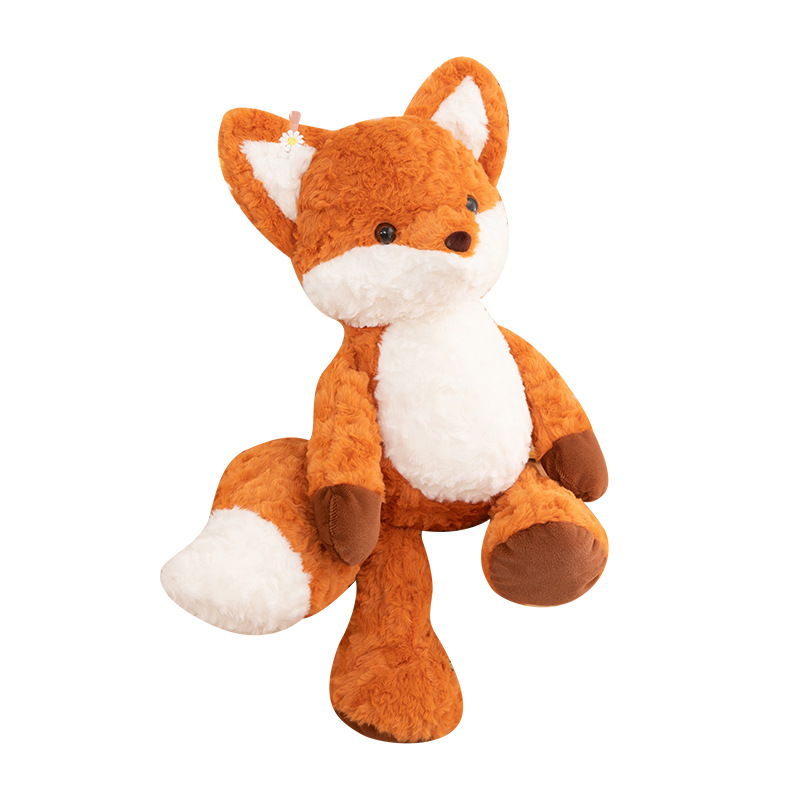
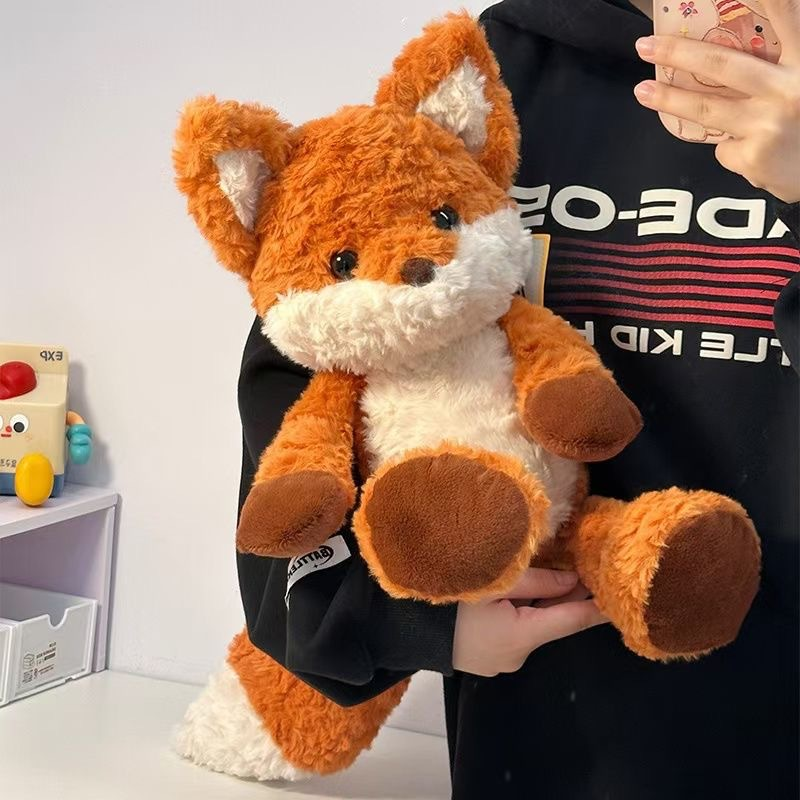
The contemporary foxy plush toy is a masterpiece of textile engineering and artistic design. In the modern era, the “look” of a plush fox has branched into several distinct styles, catering to a wide range of tastes. There is the “realistic” style, which aims to mimic the anatomical grace of a wild red fox, using variegated faux furs and lifelike glass eyes. Then there is the “kawaii” or stylized aesthetic, often originating from East Asian design influences, which features oversized heads, tiny bodies, and simplified facial expressions to maximize the “cute” factor.
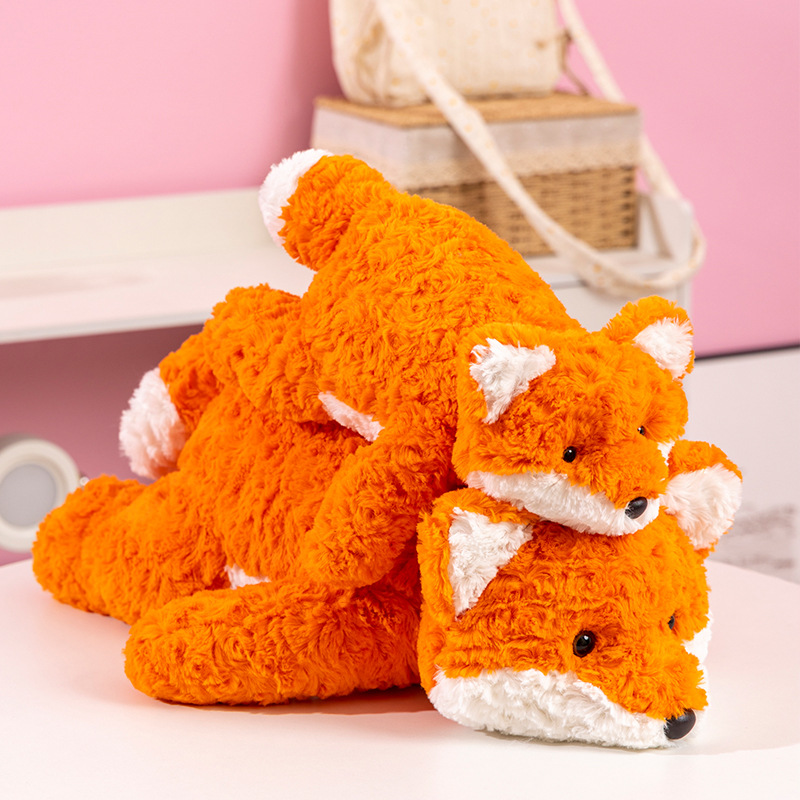
Designers today pay meticulous attention to the “floppiness” or “poseability” of the toy. A high-quality foxy plush toy might feature internal armatures or weighted beads in its paws, allowing it to sit, lie down, or “pounce” in a way that feels organic. The tail remains the most critical design element; it must be voluminous and soft, often serving as a secondary pillow for the owner. The contrast between the vibrant orange or deep red of the body and the stark white of the tail tip and chest provides a visual pop that makes these toys stand out in any display.
The Digital Influence: From Screens to Softness
Perhaps the most significant boost to the foxy plush toy market in recent decades has come from the world of digital media and independent gaming. Characters like Foxy the Pirate from the horror-themed Five Nights at Freddy’s franchise or Tails from the Sonic the Hedgehog series have introduced the fox to entirely new generations in ways that traditional fables never could. These digital icons have created a massive demand for licensed merchandise that stays true to the character’s unique on-screen personality.
For many fans, owning a foxy plush toy based on a video game character is a way to bridge the gap between a virtual experience and reality. These toys often feature specific details that fans adore, such as embroidered “scars,” specific accessories like hooks or eye patches, or even sound chips that play iconic catchphrases. This intersection of gaming culture and the plush industry has proven that stuffed animals are no longer just for toddlers; they are essential artifacts for enthusiasts of all ages who want to celebrate their favorite digital worlds.
The Material Science of Softness
The tactile experience of a foxy plush toy is what ultimately determines its longevity in a household. The science of “softness” has advanced tremendously, moving away from the scratchy fabrics of the past toward materials like “minky.” Minky is a high-grade polyester fabric that is incredibly soft to the touch and resistant to the pilling that often ruins cheaper toys. When a child or adult reaches for a plush fox, the immediate sensory feedback of high-quality fabric provides a sense of calm and luxury.
Beyond the outer shell, the internal stuffing plays a vital role in the toy’s “hugglability.” Most modern plushies use a blend of siliconized polyester fibers that retain their shape even after years of being squeezed. Some boutique manufacturers have even begun experimenting with eco-friendly alternatives, such as stuffing made from recycled plastic bottles or organic cotton. This attention to material integrity ensures that a foxy plush toy remains a soft, supportive companion through hundreds of washes and thousands of hugs, maintaining its structural integrity and aesthetic appeal over time.
The Psychological Power of the Transitional Object
Psychologists have long recognized the importance of “transitional objects” in human development. A foxy plush toy often serves as this anchor, providing a sense of consistency and safety during times of change or stress. For a young child, the fox is a guardian that stays awake while they sleep, a silent listener to their secrets, and a brave companion for their first day of school. The fox’s reputation for being “clever” and “quick” can even help a child feel more empowered and confident when they hold their toy.
This psychological bond does not necessarily vanish with adulthood. Many adults keep their foxy plush toy as a form of “comfort item” that provides a respite from the complexities of adult life. The act of holding something soft and familiar can lower heart rates and reduce cortisol levels, making these toys a simple yet effective tool for mental well-being. The fox, with its watchful eyes and soft fur, offers a unique form of non-verbal companionship that requires nothing from the owner but provides immense emotional dividends in return.
Craftsmanship and the Artisanal Plush Movement
While mass-produced toys are widely available, there is a growing movement of independent artists who create bespoke foxy plush toy designs. These “art dolls” or “handmade plushies” are often produced in very limited quantities and feature level-of-detail that mass manufacturing cannot replicate. These artists might use hand-dyed furs, intricate needle-felting for the facial features, and custom-sculpted clay claws or noses.
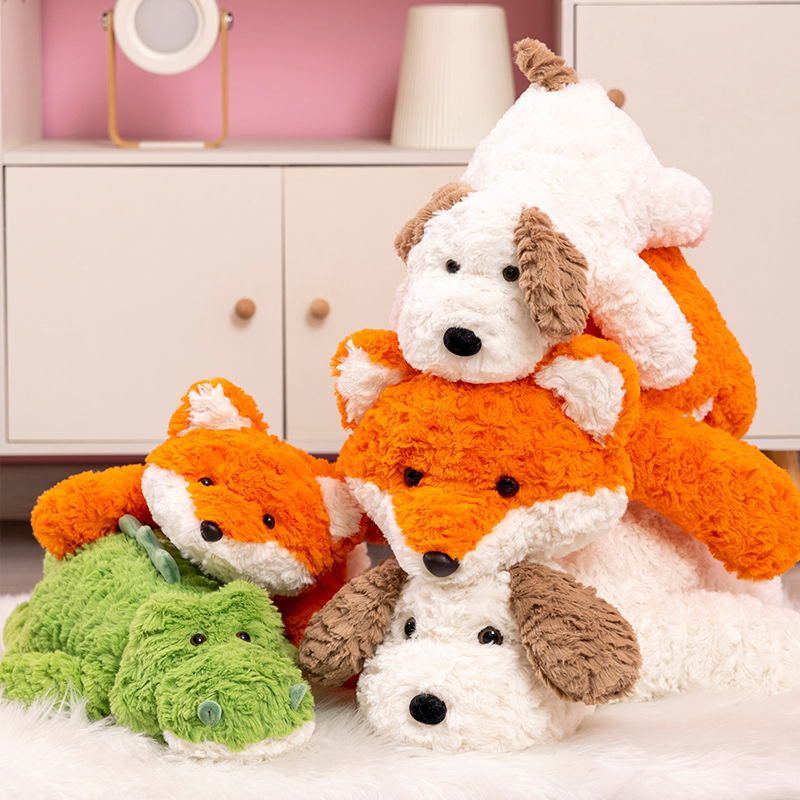
The rise of platforms like Etsy and Instagram has allowed these creators to reach a global audience of collectors who view a foxy plush toy as a piece of fine art. These collectors are often willing to wait months for a commission and pay significant sums for a piece that is truly one-of-a-kind. This artisanal approach highlights the artistic potential of the medium, showing that a stuffed fox can be as evocative and well-crafted as a traditional painting or sculpture. It celebrates the individual spirit of the fox, giving each toy a unique “soul” that resonates with its owner.
A Gift for Every Milestone
One of the reasons for the enduring popularity of the foxy plush toy is its suitability as a gift for almost any occasion. For a baby shower, a soft, pastel-colored fox is a classic choice that fits perfectly into a nature-themed nursery. For a graduation or a new job, a “clever” fox serves as a playful nod to the recipient’s intelligence and future success. Even for romantic occasions, a fox plush can be a charming alternative to the more traditional teddy bear, offering a bit more personality and flair.
The versatility of the fox as a symbol makes it a safe yet thoughtful choice. It doesn’t carry the baggage of some other animals; it is generally seen as adventurous, beautiful, and spirited. When someone gives a foxy plush toy, they are often making a statement about the recipient’s personality—suggesting they are smart, independent, or perhaps a little bit mischievous. This layer of meaning adds depth to the gift, making it more than just a physical object, but a reflection of a relationship.
Preserving the Magic: Care and Maintenance
To ensure that a foxy plush toy lasts for a lifetime, proper care is essential. Because of their bright colors and often fluffy tails, these toys can show wear and tear if not handled correctly. Most manufacturers recommend a gentle surface wash with a damp cloth for minor stains. For a deeper clean, many modern plushies can be placed in a mesh laundry bag and washed on a delicate cycle with cold water.
The “death” of many plush toys is often the dryer; high heat can “singe” the synthetic fibers of the fur, causing them to become coarse and matted. Air-drying is always the best option for a fox, followed by a gentle brushing with a soft-bristled brush to restore the fluffiness of the tail and ears. By taking these small steps, owners can ensure that their fox remains as soft and vibrant as the day it was first brought home, allowing it to be passed down through generations as a cherished heirloom.
The Future of the Plush Fox
As we look to the future, the foxy plush toy continues to evolve alongside technology and environmental awareness. We are seeing the rise of “smart” plushies that can interact with children through voice recognition or haptic sensors, turning the fox into an even more active participant in play. Simultaneously, the push for sustainability is leading to the creation of “biodegradable” plushies made from mushroom-based materials or seaweed-derived textiles.
Despite these technological and material shifts, the core essence of the foxy plush toy remains unchanged. It is a vessel for imagination, a source of comfort, and a celebration of one of nature’s most fascinating creatures. In an increasingly digital and disconnected world, the simple, physical presence of a soft fox serves as a reminder of the beauty of the natural world and the enduring human need for touch and companionship. The fox has navigated the transition from forest to fable to fabric with ease, and it will undoubtedly continue to be a fixture in our homes for centuries to come.
Conclusion
The foxy plush toy represents a perfect harmony of culture, psychology, and craftsmanship. It is an object that manages to be both a simple toy and a complex symbol, appealing to the unbridled imagination of a child and the discerning eye of an adult collector. Through its various forms—from the realistic to the whimsical—the fox captures a sense of mystery and warmth that few other animals can match. As we continue to seek out objects that provide comfort and reflect our personalities, the plush fox will remain a steadfast companion, perched on our beds and sitting in our hearts, always ready for the next adventure or a quiet moment of peace.
How to purchase:Online B2B sourcing platform, China purchase, Chinese suppliers – LooperBuy
Frequently Asked Questions
1. What materials are typically used to make a high-quality foxy plush toy?
Most premium fox plushies are made from “minky” or high-grade faux fur, which provides superior softness and durability. The inside is usually filled with siliconized polyester fiberfill, which helps the toy maintain its shape over time, and some may include plastic pellets for added weight and stability.
2. Is a foxy plush toy a good choice for people with allergies?
Many modern plush toys are made from synthetic materials like polyester, which are naturally more resistant to allergens than traditional wool or mohair. However, because they can trap dust, it is important to choose “washable” variants and clean them regularly to ensure they remain hypoallergenic for sensitive owners.
3. How do I choose between a realistic and a cartoon-style fox plush?
The choice depends on the recipient’s preference. A realistic foxy plush toy is often preferred by older children and adults who appreciate nature and wildlife. A cartoon or “chibi” style fox is typically better for younger children or fans of specific animation styles, as they often feature softer features and more “cuddly” proportions.
4. Are fox plushies considered collectible items?
Yes, many people collect fox plushies as a hobby. Brands like Steiff, Jellycat, and various gaming-related manufacturers release limited-edition foxes that can appreciate in value. There is also a vibrant secondary market for vintage fox toys and handmade “art dolls” created by independent textile artists.
5. Why is the fox such a popular animal for stuffed toys compared to others?
The fox has a very distinct and attractive color palette—orange, white, and black—which is visually appealing. Furthermore, its bushy tail and large ears provide great tactile variety for a plush toy. Culturally, the fox’s reputation for being clever and spirited makes it a more “active” and interesting character for play than many other animals.
HOT TAG:
foxy plush toy, stuffed fox, plushie collection, childhood toys, gift ideas for kids, fox folklore, minky fabric, soft toys for adults, fnaf foxy plush, fox nursery decor, toy maintenance, collectible plushies, emotional support toys, handcrafted stuffed animals, fox gift guide, fox mythology, children’s bedroom accessories, durable plush toys, eco friendly stuffed animals, fox lover gifts, plushie photography, high quality faux fur, transitional objects psychology, cute animal toys, woodland creature plush