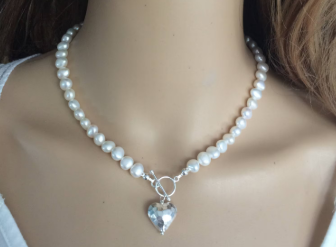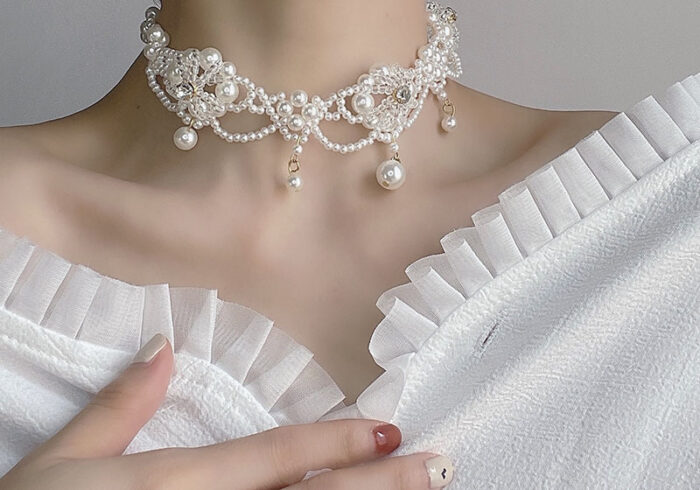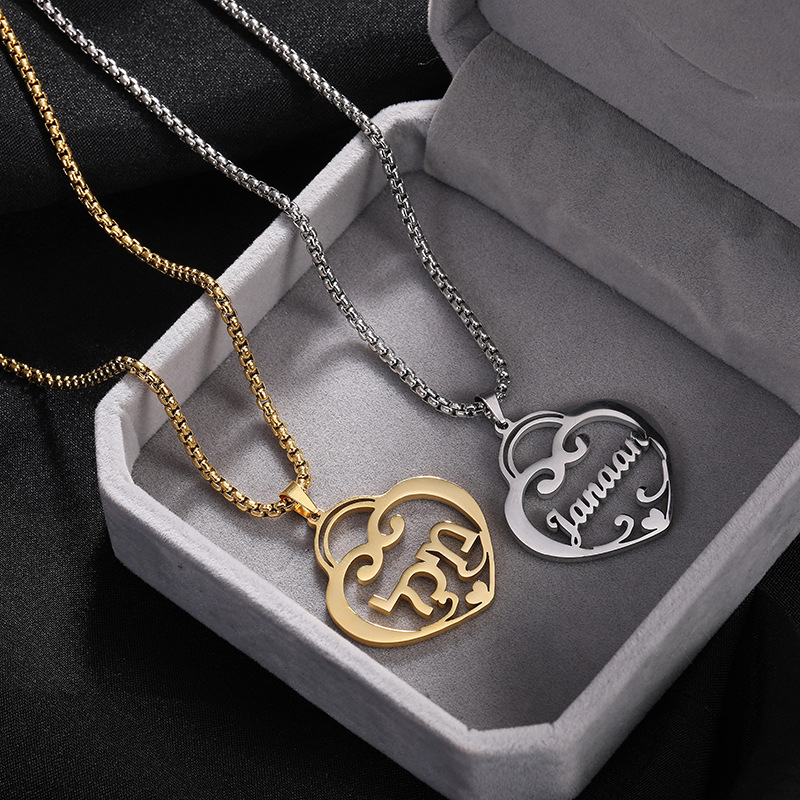
Pearls have captivated humanity for millennia, serving as timeless symbols of purity, status, and sophistication. From the royal courts of ancient dynasties to the red carpets of modern Hollywood, the pearl necklace has maintained an unshakeable position as a quintessential accessory. However, as cultural dialogues have evolved, so too has the way we discuss these items in various contexts. Beyond their traditional role as formal jewelry, pearls have taken on complex, layered meanings in literature, pop culture, and personal expression. This article delves into the aesthetic appeal of the classic strand, the nuances of its symbolic subversion, and the broader psychological resonance of wearing pearls in intimate spaces.
Table of Contents
The Aesthetic and Cultural History of the Pearl
The history of the pearl is inextricably linked to the history of luxury. Unlike gemstones that must be cut and polished to reveal their luster, a pearl is a product of organic life, born from the sea, complete in its iridescent beauty.
The Symbolism of Purity and Sophistication
For centuries, the single strand of pearls was viewed as a rite of passage, often gifted to young women to signify grace and domestic readiness. This legacy of “class” and “politeness” is precisely what makes the pearl such a potent symbol when subverted. When a piece of jewelry traditionally associated with social conservatism is placed in a radically different, intimate, or provocative context, it creates a powerful contrast. This intersection of the sacred and the profane, of modesty and exhibitionism, is a recurring theme in how pearls are portrayed in contemporary art, literature, and adult storytelling. The pearl acts as a signifier of order, and its presence in chaotic or intimate settings disrupts that order, inviting the observer to question the boundaries of societal norms.
Pearls in Modern Pop Culture and Expression
Modern media has increasingly used jewelry as a narrative shorthand. When a character wears pearls, the audience immediately understands certain traits about their social standing or public persona. By incorporating these items into intimate scenarios, creators explore the duality of the human experience—the tension between the public face we present to the world and the private desires we keep hidden. This evolution in perspective allows for a more nuanced appreciation of how we interact with our accessories, turning them from static decorations into active participants in personal expression. Furthermore, the resurgence of vintage aesthetics in fashion has brought pearls back into the spotlight, encouraging a new generation to experiment with them in ways that break free from traditional restrictive styling.
The Erotic Symbolism of Intimate Adornment
When examining the presence of pearl necklaces in adult-oriented media or intimate literature, it becomes clear that the term often functions as a double entendre. This cultural shorthand relies on the stark visual contrast between the white, spherical beads and the human form.
The Visual Language of Contrast and Texture
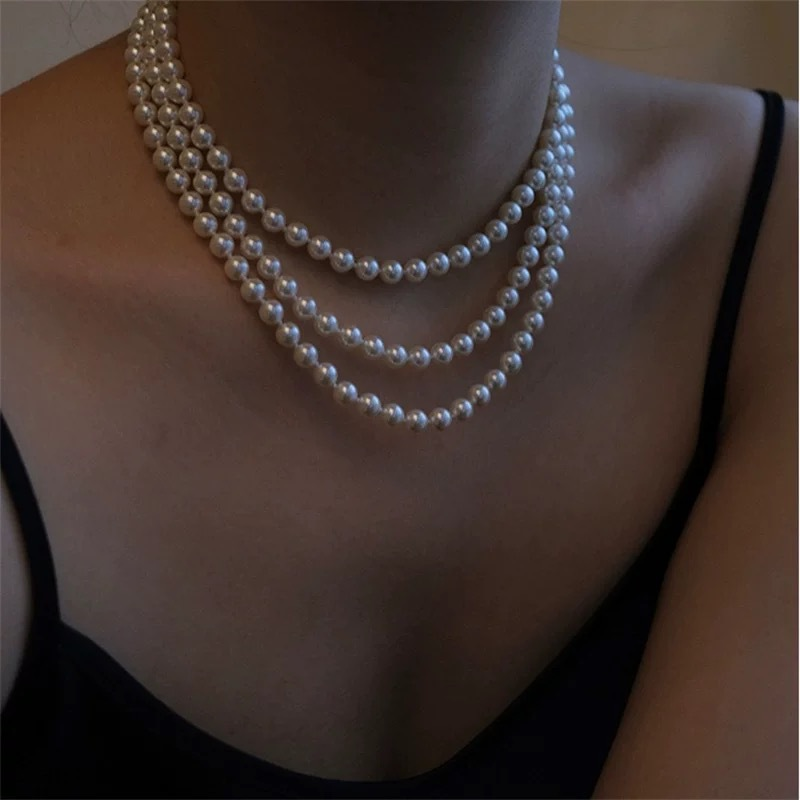
The appeal of wearing a necklace during intimate moments often stems from the interplay of textures. The cool, smooth surface of the pearl against the warmth of skin creates a sensory experience that adds a layer of depth to the encounter. In literature and film, the visual of a woman wearing only a necklace during moments of intimacy is a classic trope that highlights a blend of vulnerability and empowerment. It strips away the pretense of social attire while retaining a singular mark of elegance, drawing attention to the neck and décolletage in a way that is both focused and intense. The circular, repetitive nature of a pearl necklace also draws the eye in a continuous loop, creating a hypnotic visual effect that complements the intimacy of the moment.
Navigating Intent and Fantasy
Fantasy, by its nature, is flexible. The inclusion of jewelry in personal intimate life is often less about the item itself and more about the psychological impact of adornment. For many, dressing up in private is a form of self-expression, a way to curate an aesthetic that feels authentic to their desires. Whether it is the weight of the necklace, the aesthetic of the beads, or the history associated with the piece, the pearl acts as a grounding element that bridges the gap between everyday life and the realm of the imagination. By consciously choosing to wear an item that carries so much cultural weight, the wearer is effectively staging a scene that feels both heightened and deeply personal.
Psychological Impact and Personal Empowerment
Adorning oneself for private moments is an act of reclamation. When an individual chooses to wear specific items in intimate settings, they are defining their own narrative.
The Ritual of Dressing and Un-dressing
The act of wearing jewelry is a ritual. Placing a necklace around one’s neck, feeling the clasp click into place, and observing the reflection in the mirror are all actions that shift the mindset from the mundane to the deliberate. In an intimate context, this ritual can be a powerful tool for self-confidence. It transforms the body into a work of art, a conscious choice of aesthetic that can enhance the feeling of being present and desired. This process of intentional dressing serves as a mental reset, allowing the individual to shed the stresses of the day and step into a version of themselves that feels more aligned with their inner landscape.
Reclaiming the Symbolism
Ultimately, the power of any accessory lies with the wearer. While society may dictate that pearls belong in the ballroom or the office, the individual holds the agency to redefine those boundaries. By bringing these symbols into the intimate sphere, individuals are taking something “proper” and making it uniquely theirs. This shift is essential to modern identity—understanding that we are not defined by the traditional roles assigned to our accessories, but rather by the personal meaning we imbue them with through our own choices. This reclamation allows for a broader range of self-exploration, where the boundaries between public persona and private desires become fluid and customizable.
The Sensory Experience of Fine Jewelry
Beyond the visual, there is the tactile reality of wearing fine jewelry. Pearls possess a weight and a temperature that changes once they are against the skin. This physical interaction is often overlooked in discussions of fashion, yet it is vital in an intimate context. The feeling of a necklace shifting with movement provides a continuous sensory feedback loop, grounding the wearer in their body. It is an invitation to be mindful, to be present, and to appreciate the physical sensation of luxury in a quiet, undisturbed space. This tactile engagement with an object of beauty can heighten sensory awareness, making every movement feel more deliberate and significant.
Exploring the Intersection of Luxury and Desire
The intersection of luxury items and personal desire is a well-trodden path in the human psyche. Luxury, by definition, is something beyond what is strictly necessary. When we choose to include luxury items in our most intimate moments, we are elevating those moments, declaring them to be worthy of special treatment.
The Transformation of the Mundane
By introducing a pearl necklace into the private sphere, one effectively transforms an ordinary space into a sanctuary of beauty. It changes how one perceives themselves within that space. An environment that might otherwise feel mundane or utilitarian suddenly takes on a different hue. The act of decorating oneself for no one else but oneself—or for a chosen partner—is a profound act of self-love and intentionality. It is a way of saying that the intimacy of the moment is as important, if not more important, than the social events we attend where such jewelry might typically be worn.
Redefining Expectations and Boundaries
As we look forward, the dialogue surrounding how we use traditional symbols will only continue to evolve. We are moving away from a world of rigid rules and toward one of personal interpretation. The pearl, once the ultimate symbol of rigid social expectation, is becoming a tool for creative expression. Whether used to invoke a classic vintage aesthetic, to play with the contrast of innocence and experience, or simply to enjoy the tactile beauty of an heirloom piece, the pearl continues to adapt. It remains a fixture in our lexicon of style, not because it is unchanging, but because it is resilient enough to absorb our shifting meanings and desires.
Conclusion
In the exploration of pearls and their multifaceted presence in our lives, we find a story that spans from the depths of the ocean to the intimate corners of human experience. While their traditional association with purity and elegance remains, the capacity for these pieces to transcend those labels and become part of our personal, private narratives is a testament to the power of self-expression. By understanding the intersection of aesthetics, history, and desire, we gain a deeper appreciation for how even the simplest object can carry profound and varied significance throughout our lives.
How to purchase:Online B2B sourcing platform, China purchase, Chinese suppliers – LooperBuy
Related Questions & Answers
· How did the cultural perception of pearls change over time?
Originally, pearls were symbols of extreme wealth and royal status because they were difficult to source. Over time, as cultured pearls became more widely available, they evolved into symbols of feminine grace and social propriety, and today, they are viewed as versatile fashion statements that can adapt to both traditional and modern, edgy aesthetics.
· Why is jewelry often used as a prop in intimate storytelling?
Jewelry is used to create visual contrast. It draws attention to specific parts of the body and often acts as a bridge between the character’s public, socially “proper” persona and their private, unguarded self, heightening the tension and emotional stakes within the scene.
· Is there a psychological benefit to wearing accessories in private?
Yes, many people find that dressing in ways that make them feel confident or aesthetically pleased in private helps with self-esteem and self-acceptance. It allows individuals to curate their own environment and feel a sense of control and empowerment over their own body and image.
· What makes the pearl necklace such a classic accessory?
Its longevity is due to its simplicity and versatility. The shape is uniform and geometric yet organic, providing a look that complements almost any skin tone and outfit. It provides a touch of brightness and refinement that has rarely gone out of style throughout the centuries.
· How can one start exploring the concept of personal aesthetics in private?
It begins with identifying what textures, colors, or styles make you feel most comfortable or empowered. By slowly experimenting with different accessories in private settings, you can discover what resonates with your own sense of self without the pressure of public perception or judgment.
Hot Tags:
Pearl Jewelry Symbolism, Timeless Fashion Accessories, Intimate Aesthetics, Personal Empowerment, Cultural History Of Pearls, Jewelry In Pop Culture, Self Expression Through Style, Modern Elegance, Private Aesthetics, Sensory Intimacy, Fashion Symbolism, Body Confidence, Accessory Trends, Aesthetic Narratives, Personal Identity Development, Private Fashion Rituals, Subverting Traditional Style, Organic Luxury Aesthetics, Psychology Of Adornment, Tactile Jewelry Experience, Intimate Self Care, Curated Personal Beauty, Symbolic Jewelry Usage, Redefining Elegance Standards, Private Sphere Expression, Modern Wardrobe Versatility, Empowerment Through Fashion, Mindful Dressing Habits, Classic Accessory Reinterpretation, Authentic Self Representation, Sensory Grounding Techniques, Intention In Intimacy, Luxury Item Reclamation, Evolving Style Narratives, Individual Aesthetic Agency