A B2B wholesale marketplace helps global sellers source products, reduce inventory pressure, and streamline cross-border procurement. This article explains how the model works, what buyers should look for, and how Looperbuy can support more efficient sourcing and fulfillment from China.
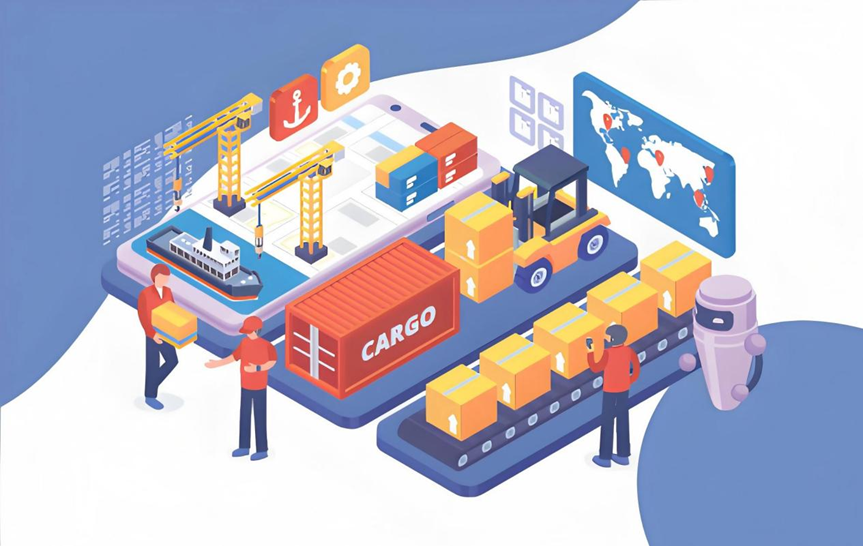
In today’s cross-border commerce environment, a B2B wholesale marketplace is more than a place to list products. It is a growth engine that helps buyers discover suppliers, compare offers, place bulk orders, and source goods efficiently without the overhead of building complex procurement operations in-house.
For brands, distributors, and online sellers, the appeal is clear: lower inventory risk, faster sourcing, wider product access, and better operational control. For platforms like Looperbuy, the real value lies in simplifying the full purchasing journey—from supplier discovery to fulfillment—so businesses can sell more while carrying less risk.
Table of Contents
What Is a B2B Wholesale Marketplace?
A B2B wholesale marketplace is a digital platform where multiple businesses buy and sell goods in bulk. Unlike a single-brand online store, it connects many suppliers with many buyers in one ecosystem, often supporting tiered pricing, quotation workflows, account-based access, and recurring orders.
In practical terms, it helps businesses answer five questions quickly:
– Who has the right product.
– What is the wholesale price.
– How fast can it be delivered.
– What are the payment terms.
– Can the supplier handle repeat orders at scale.
That is why the best marketplaces are not just catalogues. They are transaction systems built for trust, speed, and repeatable procurement.
Why B2B Wholesale Marketplaces Matter Now
Global B2B commerce is becoming more digital, more self-directed, and more cross-border. Industry reports show that marketplace channels now represent a major share of B2B transaction volume, while buyer expectations continue to shift toward self-service, faster fulfillment, and better digital buying experiences.
This matters because modern buyers want three things at once:
1. Convenience: They want to search, compare, and order without long sales cycles.
2. Confidence: They want transparent pricing, product data, and supplier reliability.
3. Control: They want lower stock pressure, predictable logistics, and fewer payment headaches.
For global sellers, especially those sourcing from China, the marketplace model also reduces the need to manage every part of the supply chain directly. That is a major advantage in categories where product variety is high and replenishment needs are frequent.
Key Benefits for Global Sellers
A strong B2B wholesale marketplace can help sellers and buyers in several concrete ways.
| Benefit | What it means in practice |
| Lower inventory pressure | Sellers can test products without stocking large quantities. |
| Faster product sourcing | Buyers can find suppliers and compare options in one place. |
| Reduced logistics burden | Fulfillment can be centralized or delegated. |
| Better cash flow | Businesses avoid tying up capital in excess stock. |
| Easier supplier management | Multiple suppliers can be handled through one workflow. |
| Cross-border expansion | Buyers can source internationally without building local procurement teams. |
These advantages are especially important for small and medium-sized sellers who want to scale without building a large warehouse network or a complex sourcing team.
What Makes a Marketplace Effective?
From a user experience perspective, the best wholesale marketplace platforms are built around speed, trust, and clarity. Buyers should be able to find products, understand terms, and take action with minimal friction.
1. Clear product structure
Products should be organized by category, use case, MOQ, lead time, and pricing tier. Poor organization makes the marketplace feel like a directory instead of a buying tool.
2. Reliable supplier information
Each supplier should have visible credentials, business scope, shipping capabilities, and fulfillment expectations. Buyers in B2B environments need more than attractive product photos; they need confidence.
3. Flexible ordering options
Different buyers need different workflows. Some prefer instant checkout. Others need quotes, samples, or negotiated terms. A strong platform supports both.
4. Payment and logistics support
A marketplace becomes much more useful when it reduces friction in payment, shipping, and order tracking. This is where many platforms lose users if the experience feels fragmented.
5. Mobile-friendly design
B2B users increasingly research, compare, and even order from mobile devices. If the experience is slow or awkward on mobile, conversion drops.
Common Weaknesses in Existing Marketplace Content
Many articles about B2B wholesale marketplaces explain the concept well, but they often stop short of practical application. Common gaps include:
– Too much definition, not enough execution.
– Few real operational examples.
– Weak explanation of how platforms reduce inventory and logistics costs.
– Limited guidance for international sellers sourcing from China.
– Little attention to buyer experience, trust signals, and fulfillment flows.
That means a stronger article should not just define the model. It should show readers how to use it strategically.
How Looperbuy Adds Value
Looperbuy is positioned not simply as a sourcing platform, but as a practical procurement and dropshipping support system for global B2B sellers. That makes it especially relevant for businesses that want to:
– Source from China with less operational complexity.
– Test product demand before committing to inventory.
– Reduce warehousing and handling costs.
– Simplify payment and logistics coordination.
– Expand product range without increasing internal overhead.
This is where the marketplace model becomes a business advantage, not just a digital storefront. It allows sellers to move faster while keeping working capital healthier.
How to Choose the Right Marketplace
If you are evaluating a B2B wholesale marketplace, use the following checklist.
1. Check supplier quality. Look for business verification, transaction history, and clear communication standards.
2. Review product breadth and depth. The platform should cover your target categories without feeling generic.
3. Evaluate pricing transparency. Hidden fees or unclear tiered pricing can damage trust.
4. Test the ordering flow. A platform should make quotation, sample ordering, and bulk purchase workflows easy to follow.
5. Inspect fulfillment reliability. Shipping speed, tracking, and return handling matter more than marketing claims.
6. Assess buyer support. Good support reduces mistakes and improves repeat purchasing.
Practical Workflow for Buyers
If you are using a wholesale marketplace for the first time, start with a lean process.
Step 1: Define your target category
Be specific about product type, price range, and required quality standard.
Step 2: Shortlist suppliers or products
Compare lead times, MOQ, sample policy, and shipping options.
Step 3: Test with a small order
A pilot order reveals product quality, communication speed, and fulfillment consistency.
Step 4: Measure total landed cost
Do not focus only on unit price. Include freight, packaging, customs, payment fees, and handling.
Step 5: Build a repeatable sourcing system
Once a supplier works well, create a structured reordering process to reduce friction.
This workflow is useful for importers, resellers, Amazon-style sellers, regional distributors, and niche retailers.
Where the Market Is Heading
The next stage of B2B wholesale marketplaces will likely be shaped by smarter search, better personalization, faster fulfillment, and stronger supplier verification. Buyers expect more self-service, but they still want confidence and human support when the order becomes complex.
In practice, that means successful platforms will need to do more than display product listings. They will need to support:
– Intelligent product discovery.
– Real-time pricing logic.
– Better account-based ordering.
– Cross-border fulfillment workflows.
– Stronger trust and compliance signals.
For platforms serving global sellers, this shift is especially important. Buyers no longer want a fragmented sourcing process. They want a single place to discover, order, and scale.
Conclusion
A B2B wholesale marketplace is no longer just a digital catalog. For modern global sellers, it is a strategic way to source smarter, reduce inventory pressure, improve cash flow, and build a more flexible supply chain.
If your business wants to sell internationally without taking on unnecessary storage, payment, and logistics overhead, the marketplace model is one of the most practical routes available. Looperbuy can help make that process more efficient by connecting buyers to reliable Chinese sourcing and fulfillment support in one place.
If you are looking to simplify sourcing from China, reduce warehousing pressure, and scale your B2B business with less operational burden, explore Looperbuy as your sourcing and dropshipping partner.
FAQ
1. What is a B2B wholesale marketplace?
A B2B wholesale marketplace is an online platform where businesses buy and sell products in bulk. It usually supports supplier discovery, pricing comparison, and order management.
2. How is a wholesale marketplace different from a regular ecommerce store?
A regular ecommerce store usually sells from one brand or seller. A wholesale marketplace connects many sellers and many buyers in one place, often with bulk pricing and business-specific workflows.
3. Why do global sellers use wholesale marketplaces?
They use them to reduce inventory risk, access more suppliers, shorten sourcing time, and simplify logistics. This is especially useful for cross-border trade.
4. What should I look for in a good B2B marketplace?
Look for clear supplier information, transparent pricing, flexible ordering, reliable fulfillment, and strong support for international business needs.
5. Can a marketplace help reduce warehouse costs?
Yes. If you source products through a marketplace and use a fulfillment-friendly model, you can avoid holding large amounts of stock and reduce warehouse dependence.
6. Is Looperbuy suitable for international sellers?
Yes. Looperbuy is designed to help global B2B sellers source products from China and reduce the burden of inventory, storage, payment, and logistics management.
References
1. Virto Commerce. “B2B Wholesale Marketplaces: The Complete Guide 2024.”[https://virtocommerce.com/blog/b2b-wholesale-marketplace]
2. Swell. “32 B2B Marketplace Trends Shaping Digital Wholesale Commerce.”[https://www.swell.is/content/b2b-marketplace-trends-shaping]
3. Virto Commerce. “B2B Marketplaces in 2025: Key Insights, Examples, Platforms.”[https://virtocommerce.com/blog/b2b-marketplace-the-ultimate-guide]
4. Unilog. “B2B eCommerce in 2026: Top Trends and Strategies.”[https://www.unilogcorp.com/resources/blog-posts/b2b-ecommerce-top-trends-and-strategies/]
5. JOOR. “Top 5 Trends in Wholesale for 2026.”[https://www.joor.com/insights/wholesale-industry-trends]
6. Scalarly. “Building a B2B Wholesale Marketplace for European Brands.”[https://scalarly.com/case-studies/ecommerce-b2b-wholesale-platform.html]