Table of Contents
Introduction to E-Commerce Fulfillment Models
In the rapidly evolving world of e-commerce, various business models have emerged to cater to the diverse needs of entrepreneurs and consumers alike. One such model that has gained attention is discreet e-commerce fulfillment, often referred to as blind drop shipping. This article aims to provide a comprehensive understanding of this unique fulfillment method, its advantages, challenges, and how it fits into the broader landscape of online retail.
Understanding Discreet E-Commerce Fulfillment
What is Discreet E-Commerce Fulfillment?
Discreet e-commerce fulfillment is a method where the retailer sells products without revealing the identity of the supplier to the customer. In this model, the retailer takes orders from customers and forwards them to a third-party supplier, who then ships the products directly to the customer. The key aspect of this model is that the packaging and shipping labels do not disclose the supplier’s information, allowing the retailer to maintain a brand-centric approach.
How Does It Work?
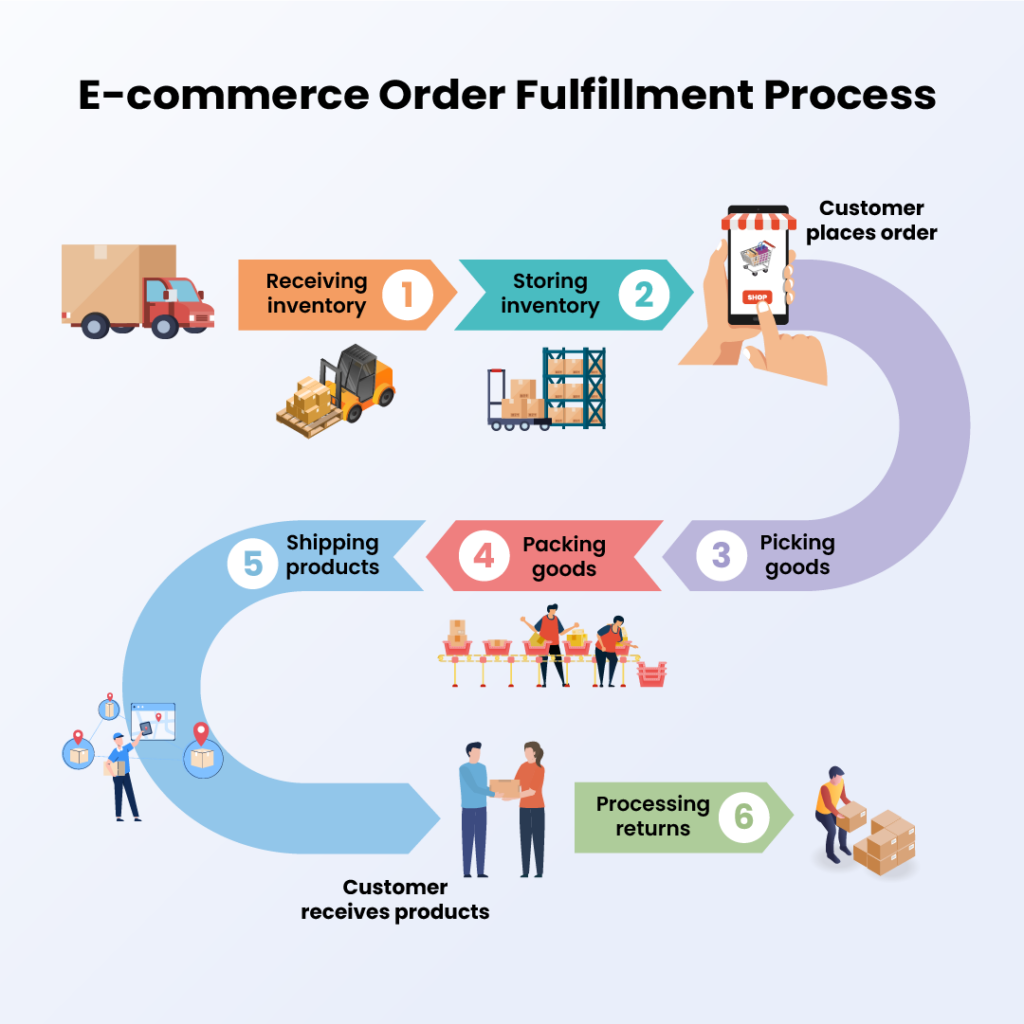
The process of discreet e-commerce fulfillment involves several steps:
- Customer Order: A customer places an order on the retailer’s online store.
- Order Forwarding: The retailer receives the order and forwards the details to the supplier.
- Product Fulfillment: The supplier prepares the product for shipment and packages it without any branding or identifying information.
- Shipping: The product is shipped directly to the customer, often with the retailer’s branding on the packing slip.
This method allows retailers to offer a wide range of products without the need for inventory management or direct handling of goods.
Advantages of Discreet E-Commerce Fulfillment
Brand Control
One of the primary benefits of discreet e-commerce fulfillment is the ability to maintain brand control. Retailers can create a cohesive brand experience for their customers, from the website to the packaging. This branding consistency helps build trust and loyalty among consumers.
Reduced Overhead Costs
Discreet fulfillment eliminates the need for retailers to invest in inventory, warehousing, and logistics. This significantly reduces overhead costs, allowing entrepreneurs to allocate resources to marketing and customer acquisition.
Flexibility in Product Offering
With discreet e-commerce fulfillment, retailers can easily expand their product offerings without the constraints of inventory management. This flexibility enables them to test new products and respond quickly to market trends.
Enhanced Customer Experience
By providing a seamless shopping experience, retailers can enhance customer satisfaction. Discreet fulfillment allows for faster shipping times and personalized packaging, which can lead to positive reviews and repeat business.
Increased Profit Margins
Since retailers do not have to invest in inventory upfront, they can often negotiate better prices with suppliers. This can lead to increased profit margins, as retailers can set their prices based on market demand and competition.
Challenges of Discreet E-Commerce Fulfillment
Supplier Reliability
While discreet fulfillment offers many advantages, it also comes with challenges. One of the most significant concerns is supplier reliability. Retailers must carefully vet suppliers to ensure they can deliver quality products on time. Any delays or issues with the supplier can directly impact the retailer’s reputation.
Limited Control Over Shipping
In a discreet fulfillment model, retailers have limited control over the shipping process. This can lead to challenges in managing customer expectations regarding delivery times and product quality. Retailers must communicate effectively with customers to mitigate any potential issues.
Dependency on Third-Party Suppliers
Relying on third-party suppliers can create vulnerabilities in the supply chain. If a supplier experiences disruptions, such as stock shortages or shipping delays, it can affect the retailer’s ability to fulfill orders promptly.
Quality Control Issues
Since retailers do not handle the products directly, they may face challenges in ensuring product quality. If a supplier sends out defective or subpar products, it can lead to customer dissatisfaction and returns, impacting the retailer’s reputation.
Competition and Market Saturation
As more retailers adopt discreet fulfillment models, competition can become fierce. Retailers must differentiate themselves through branding, marketing strategies, and customer service to stand out in a crowded market.
Best Practices for Implementing Discreet E-Commerce Fulfillment
Choosing the Right Suppliers
Selecting reliable suppliers is crucial for the success of a discreet fulfillment model. Retailers should conduct thorough research, read reviews, and request samples to ensure the quality of products and services. Building strong relationships with suppliers can also lead to better communication and support.
Establishing Clear Communication
Maintaining open lines of communication with suppliers is essential. Retailers should establish clear expectations regarding product quality, shipping times, and return policies. Regular check-ins can help address any issues before they escalate.
Streamlining Order Processing
To enhance efficiency, retailers should implement streamlined order processing systems. Utilizing e-commerce platforms that integrate with suppliers can automate order forwarding and tracking, reducing the risk of errors and delays.
Utilizing Technology
Investing in technology can significantly improve the efficiency of discreet fulfillment operations. Tools such as inventory management software, order tracking systems, and customer relationship management (CRM) platforms can help retailers manage their operations more effectively.
Effective Communication with Customers
Clear communication with customers is essential in managing expectations. Retailers should provide accurate shipping information, including estimated delivery times and tracking details. Proactive communication can help build trust and improve the overall customer experience.
Personalizing Customer Interactions
Personalization can enhance the customer experience and foster loyalty. Retailers can use customer data to tailor marketing messages, recommend products, and provide personalized support, creating a more engaging shopping experience.
Monitoring Performance Metrics
Regularly monitoring key performance metrics can help retailers identify areas for improvement. Metrics such as order fulfillment times, customer satisfaction ratings, and return rates can provide valuable insights into the effectiveness of the discreet fulfillment model.
Analyzing Customer Feedback
Collecting and analyzing customer feedback is crucial for continuous improvement. Retailers should encourage customers to leave reviews and ratings, and use this information to make necessary adjustments to their products and services.
Marketing Strategies for Discreet E-Commerce Fulfillment
Building a Strong Online Presence
A robust online presence is essential for attracting customers to a discreet fulfillment business. Retailers should invest in a well-designed website, optimize for search engines, and utilize social media platforms to reach their target audience.
Search Engine Optimization (SEO)
Implementing effective SEO strategies can help improve visibility in search engine results. Retailers should focus on optimizing product descriptions, using relevant keywords, and creating valuable content to drive organic traffic to their online store.
Leveraging Social Media Marketing
Social media platforms are powerful tools for promoting discreet e-commerce businesses. Retailers can use platforms like Instagram, Facebook, and Pinterest to showcase their products, engage with customers, and build a community around their brand.
Influencer Collaborations
Partnering with influencers can help retailers reach a wider audience and build credibility. Influencers can promote products through authentic content, driving traffic and sales to the retailer’s online store.
Email Marketing Campaigns
Email marketing remains one of the most effective ways to engage customers. Retailers can build an email list and send targeted campaigns to promote new products, offer discounts, and share valuable content.
Segmenting Email Lists
Segmenting email lists based on customer behavior and preferences can enhance the effectiveness of email marketing campaigns. Retailers can tailor messages to specific segments, increasing the likelihood of engagement and conversions.
Conclusion
Discreet e-commerce fulfillment presents a unique opportunity for retailers to operate without the burdens of inventory management and logistics. By understanding the advantages and challenges of this model, entrepreneurs can make informed decisions about whether it aligns with their business goals. With careful planning, effective communication, and strong supplier relationships, discreet fulfillment can lead to a successful and profitable e-commerce venture.
To streamline your discreet e-commerce fulfillment process and access valuable resources for your online business, visit LooperBuy for expert insights and tools tailored to your success: https://looperbuy.com/..
Related Questions & Answers
· What is the difference between blind drop shipping and traditional drop shipping? Blind drop shipping keeps the supplier’s identity hidden from the customer, while traditional drop shipping may disclose the supplier’s information.
· How can I find reliable suppliers for discreet fulfillment? Research potential suppliers, read reviews, and request product samples to ensure quality and reliability.
· What are the risks associated with blind drop shipping? Risks include supplier reliability, limited control over shipping, and dependency on third-party suppliers.
· How can I improve customer satisfaction in a discreet fulfillment model? Effective communication, accurate shipping information, and personalized packaging can enhance customer satisfaction.
· Is discreet e-commerce fulfillment suitable for all types of products? While it can work for many products, it’s essential to consider the nature of the items and the target market when choosing this fulfillment method.
Hot Tags: E-Commerce; Drop Shipping; Brand Control; Customer Experience; Supplier Reliability; Order Processing; Business Model; Online Retail; Fulfillment Strategies