Table of Contents
Understanding the E-commerce Landscape
In recent years, the e-commerce industry has experienced exponential growth, driven by technological advancements and changing consumer behaviors. As more businesses transition to online platforms, understanding the intricacies of supply chains becomes crucial. This article delves into the various aspects of e-commerce supply chains, focusing on the strategies that can enhance efficiency and profitability.
The Rise of E-commerce
The shift from traditional retail to e-commerce has transformed how consumers shop. With the convenience of online shopping, consumers can access a vast array of products from the comfort of their homes. This shift has led to an increase in demand for efficient supply chain management to meet consumer expectations for fast delivery and product availability. The COVID-19 pandemic further accelerated this trend, as many consumers turned to online shopping for safety and convenience.
Key Components of E-commerce Supply Chains
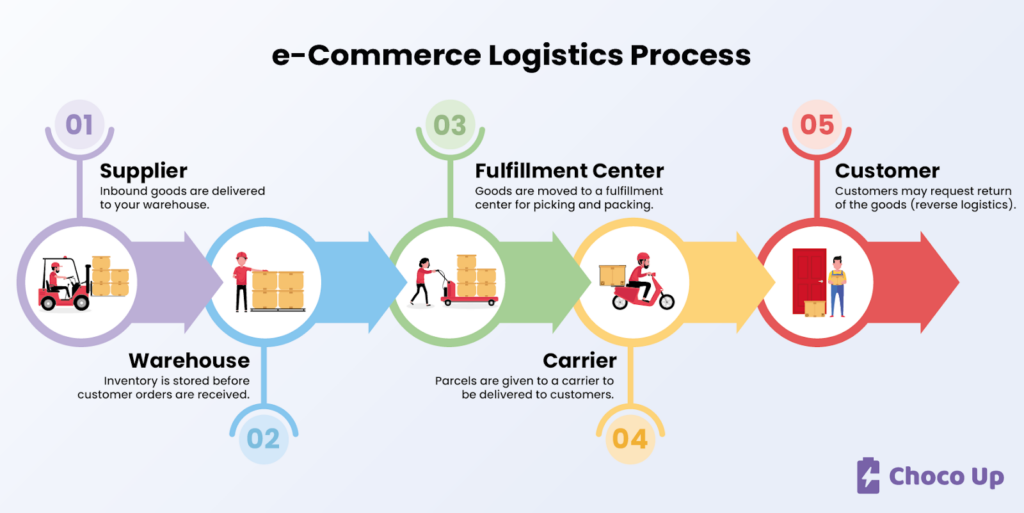
E-commerce supply chains consist of several critical components that work together to ensure smooth operations. Understanding these components is essential for businesses looking to optimize their supply chain processes.
Inventory Management
Effective inventory management is vital for e-commerce businesses. It involves tracking stock levels, managing reorder points, and ensuring that products are available when customers place orders. Businesses must implement robust inventory management systems to avoid stockouts and overstock situations. Advanced technologies, such as RFID and barcode scanning, can enhance inventory accuracy and streamline the tracking process.
Order Fulfillment
Order fulfillment is the process of receiving, processing, and delivering customer orders. This component of the supply chain is crucial for customer satisfaction. Businesses must choose between in-house fulfillment and third-party logistics (3PL) providers, weighing the pros and cons of each option. In-house fulfillment allows for greater control over the process, while 3PL providers can offer scalability and expertise in logistics.
Shipping and Logistics
Shipping and logistics play a significant role in the e-commerce supply chain. Businesses must select reliable shipping partners to ensure timely delivery. Additionally, understanding shipping costs and delivery times can help businesses set competitive prices and manage customer expectations. Offering multiple shipping options, such as standard and expedited shipping, can enhance customer satisfaction and increase conversion rates.
Strategies for Optimizing E-commerce Supply Chains
To thrive in the competitive e-commerce landscape, businesses must adopt strategies that enhance their supply chain efficiency. Here are some effective strategies to consider:
Leveraging Technology
Technology is a game-changer in supply chain management. Businesses can utilize various software solutions to streamline operations, from inventory management systems to order processing software. Automation can reduce human error and increase efficiency, allowing businesses to focus on growth. Additionally, implementing artificial intelligence (AI) and machine learning can help businesses predict demand patterns and optimize inventory levels.
Building Strong Supplier Relationships
Establishing strong relationships with suppliers is essential for a smooth supply chain. Businesses should communicate regularly with suppliers to ensure they understand demand fluctuations and can respond accordingly. Collaborative relationships can lead to better pricing, improved quality, and more reliable delivery times. Engaging in joint planning and forecasting can further strengthen these relationships and enhance overall supply chain performance.
Implementing Data Analytics
Data analytics can provide valuable insights into supply chain performance. By analyzing data related to inventory levels, order fulfillment times, and customer preferences, businesses can make informed decisions that enhance efficiency. Predictive analytics can also help businesses anticipate demand and adjust their supply chains accordingly. Utilizing dashboards and reporting tools can facilitate real-time monitoring of key performance indicators (KPIs), enabling businesses to identify areas for improvement.
Emphasizing Sustainability
Sustainability is becoming increasingly important in the e-commerce industry. Consumers are more likely to support businesses that prioritize environmentally friendly practices. Implementing sustainable supply chain practices, such as reducing packaging waste and optimizing transportation routes, can enhance a brand’s reputation and attract eco-conscious consumers. Additionally, businesses can explore options for carbon-neutral shipping and sustainable sourcing to further align with consumer values.
Enhancing Customer Experience
A seamless customer experience is paramount in e-commerce. Businesses should focus on providing clear communication throughout the order process, from confirmation emails to tracking information. Offering easy returns and exchanges can also enhance customer satisfaction and encourage repeat purchases. Personalization, such as recommending products based on past purchases, can further improve the shopping experience and drive sales.
Challenges in E-commerce Supply Chains
While there are numerous opportunities for optimization, e-commerce supply chains also face several challenges. Understanding these challenges can help businesses develop strategies to overcome them.
Demand Fluctuations
E-commerce businesses often experience fluctuations in demand due to seasonal trends, promotions, and changing consumer preferences. Managing inventory levels during these fluctuations can be challenging, leading to potential stockouts or excess inventory. Implementing demand forecasting techniques, such as historical sales analysis and market research, can help businesses better anticipate changes in demand.
Supply Chain Disruptions
Global events, such as natural disasters or pandemics, can disrupt supply chains. Businesses must develop contingency plans to mitigate the impact of such disruptions. Diversifying suppliers and maintaining safety stock can help businesses navigate unexpected challenges. Additionally, investing in supply chain visibility tools can enable businesses to monitor their supply chains in real-time and respond quickly to disruptions.
Competition
The e-commerce landscape is highly competitive, with numerous players vying for market share. Businesses must continuously innovate and improve their supply chain processes to stay ahead of the competition. This may involve investing in new technologies or exploring alternative fulfillment methods. Staying informed about industry trends and competitor strategies can also provide valuable insights for maintaining a competitive edge.
Regulatory Compliance
E-commerce businesses must navigate various regulations related to shipping, taxes, and data protection. Compliance with these regulations is essential to avoid legal issues and maintain customer trust. Businesses should stay informed about changes in regulations and invest in compliance management systems to ensure adherence to all applicable laws.
Conclusion
In conclusion, optimizing e-commerce supply chains is essential for businesses looking to thrive in the digital marketplace. By understanding the key components of supply chains, implementing effective strategies, and addressing challenges, businesses can enhance their efficiency and profitability. As the e-commerce landscape continues to evolve, staying informed and adaptable will be crucial for long-term success.
To enhance your e-commerce supply chain efficiency and stay ahead in the competitive landscape, consider exploring innovative solutions like those offered by Looperbuy. Visit https://looperbuy.com/ for more infoemation.
Related Questions & Answers
· What is the importance of inventory management in e-commerce? Inventory management is crucial in e-commerce as it ensures that products are available for customers, helps avoid stockouts, and minimizes excess inventory, ultimately leading to better customer satisfaction and profitability.
· How can technology improve supply chain efficiency? Technology can streamline operations through automation, enhance data accuracy, and provide real-time insights, allowing businesses to make informed decisions and respond quickly to market changes.
· What are the benefits of using third-party logistics (3PL) providers? Using 3PL providers can reduce operational costs, improve delivery times, and allow businesses to focus on core activities while leveraging the expertise of logistics professionals.
· How can businesses prepare for supply chain disruptions? Businesses can prepare for disruptions by diversifying suppliers, maintaining safety stock, and developing contingency plans to ensure continuity in operations during unexpected events.
· What role does sustainability play in e-commerce supply chains? Sustainability is increasingly important as consumers prefer brands that prioritize eco-friendly practices. Implementing sustainable supply chain practices can enhance a brand’s reputation and attract environmentally conscious customers.
Hot Tags: E-commerce Strategies; Supply Chain Management; Inventory Optimization; Order Fulfillment Solutions; Logistics Technology; Sustainable Practices; Data Analytics in E-commerce; Supplier Relationships; Demand Forecasting