In the realm of kitchen appliances, few tools are as underrated yet indispensable as rice cookers and steamers. These unassuming devices have revolutionized how we prepare staple grains and vegetables, blending convenience, precision, and versatility into everyday cooking. Whether you’re a busy parent prepping school lunches, a health-conscious individual prioritizing nutrient-rich meals, or a home cook experimenting with global cuisines, rice cookers and steamers streamline the process while delivering consistent, restaurant-quality results. This article explores their evolution, technology, and practical benefits, helping you understand why they deserve a permanent spot on your countertop.
Table of Contents
A Brief History: From Stovetop to Smart Tech
The journey of rice cookers began in 1945, when Japanese inventor Yoshitada Minami sought a solution to unevenly cooked rice—common in post-war Japan due to inconsistent stovetop heat. His first electric rice cooker, the Rice Cooker No. 1, used a simple on/off switch and a thermostat to prevent burning, marking the birth of automated grain cooking. By the 1960s, advancements like the fuzzy logic technology (introduced by Zojirushi in the 1980s) transformed rice cookers into “smart” appliances, capable of adjusting cooking time and temperature based on rice type, moisture, and altitude.
Steamers, meanwhile, have ancient roots—early versions date back to China’s Han Dynasty (202 BCE–220 CE), where bamboo steamers were used to cook rice and vegetables. Modern electric steamers emerged in the 1970s, combining traditional steam cooking with electric heat for precision and ease. Today, standalone steamers and multi-functional “rice cooker-steamer combos” dominate kitchens, offering versatility for health-focused and time-strapped cooks.
Rice Cookers: Precision for Perfect Grains
At their core, rice cookers are designed to automate the boiling and steaming process, ensuring rice cooks evenly without constant monitoring. Here’s a breakdown of their key features and types:
How They Work
Most rice cookers follow a simple cycle:
- Heating Phase: The inner pot heats up, boiling water and rice.
- Absorption Phase: As the rice absorbs water, the temperature rises slowly.
- Maintaining Phase: Once fully cooked, the cooker switches to “warm” mode (typically 60–70°C), keeping the rice fluffy for hours.
Types of Rice Cookers
- Basic (On/Off): Affordable and compact, these use a single thermostat to switch from cook to warm. Ideal for small households or those who cook one type of rice (e.g., white rice) regularly.
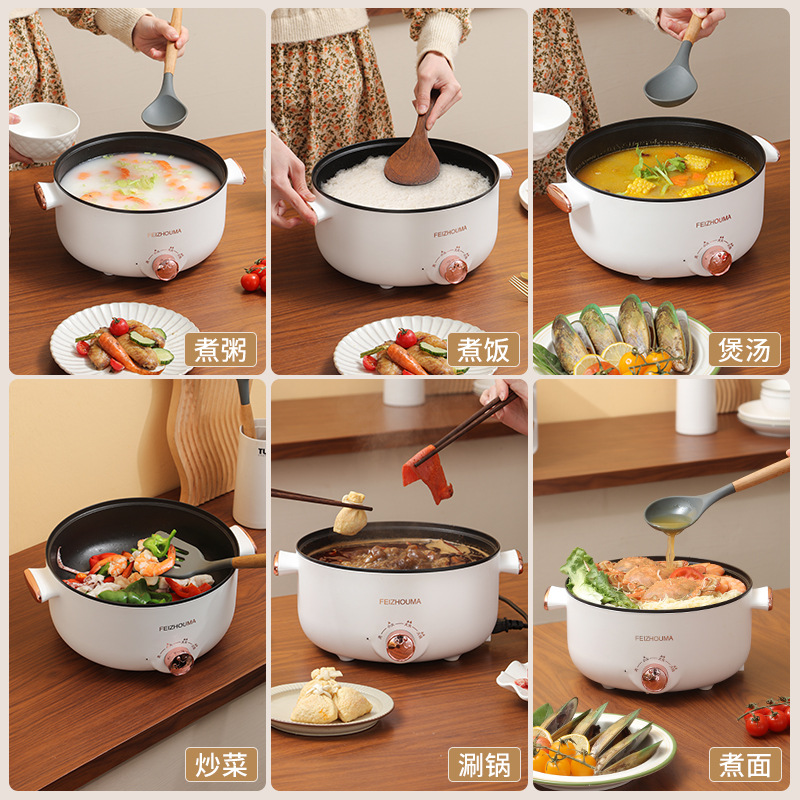
- Fuzzy Logic: Advanced models (e.g., Zojirushi, Tiger) use sensors to adjust cooking time, temperature, and water absorption based on rice variety (jasmine, basmati, brown, sushi) and user preferences. Some even have modes for porridge, soup, or slow-cooked dishes.
- Induction: Using electromagnetic induction, these cookers heat the pot directly, offering faster, more energy-efficient cooking. They’re often paired with fuzzy logic for precision.
- Multi-Functional: High-end models double as slow cookers, yogurt makers, or even bread bakers, expanding their utility beyond rice.
Steamers: Healthier Cooking, Faster Results
Steamers leverage steam’s natural properties—gentle heat that preserves nutrients, color, and texture—to cook food without added fats or oils. They’re a favorite among health enthusiasts and those seeking quick, mess-free meals.
How They Work
Steamers use a water reservoir; as water boils, steam rises through stacked trays, cooking food evenly. Most models include a timer and automatic shut-off to prevent overcooking.
Types of Steamers
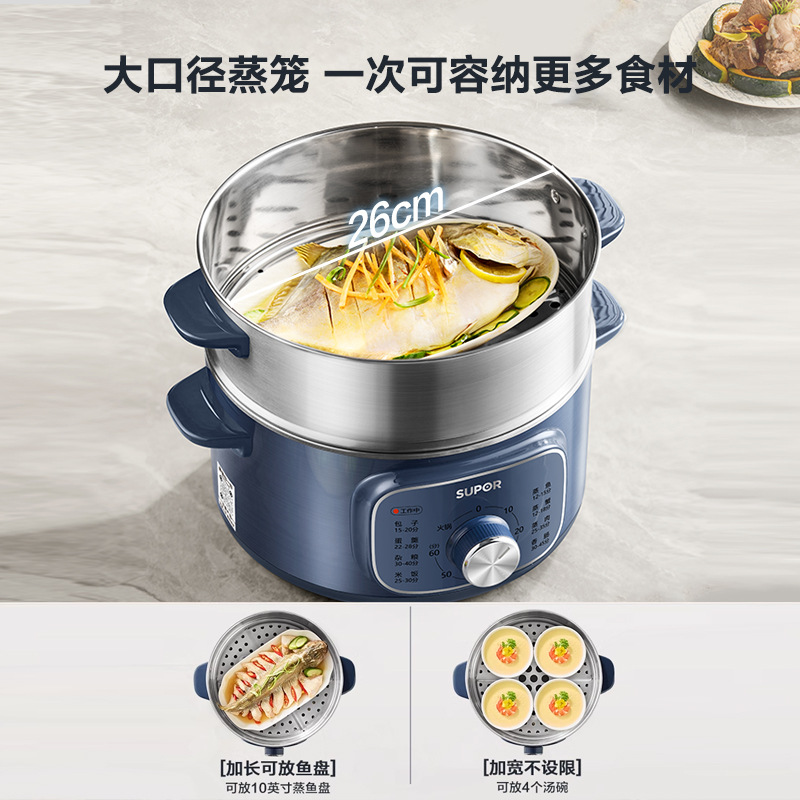
- Standalone Electric Steamers: These come with 2–4 tiers, allowing simultaneous cooking of fish, vegetables, dumplings, or rice (in a separate tray). Brands like Breville and Oster offer models with non-stick trays for easy cleanup.
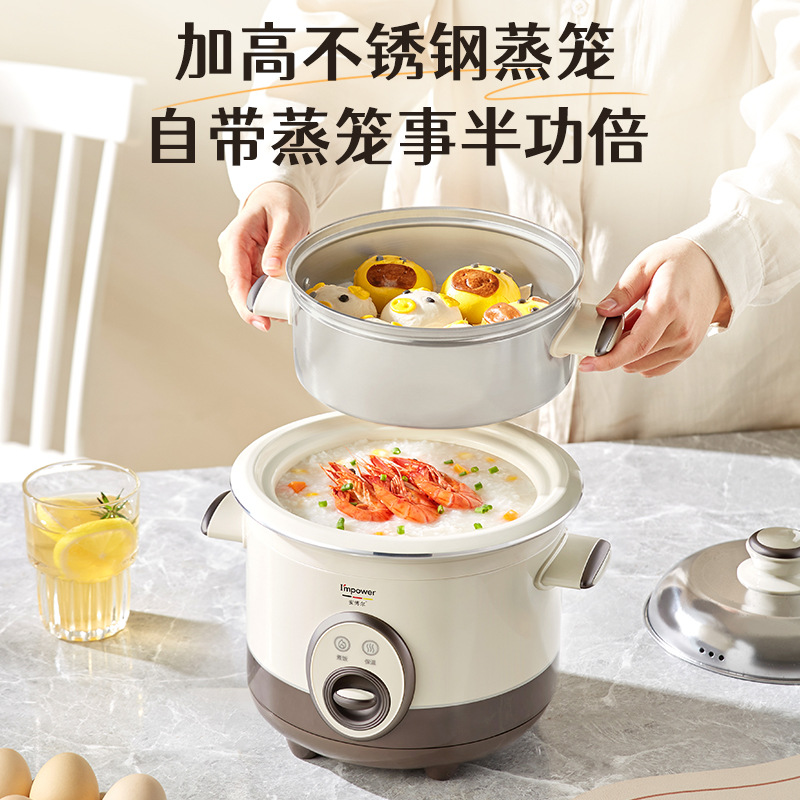
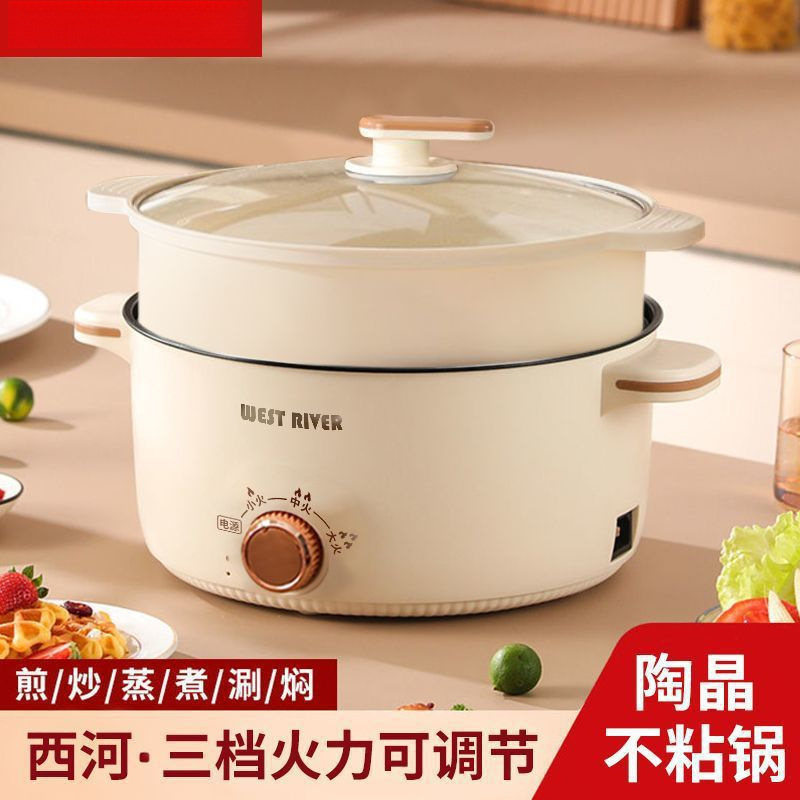
- Rice Cooker-Steamer Combos: A hybrid appliance, these combine a rice cooker base with a steamer basket. They’re perfect for small kitchens—cook rice in the base, steam veggies in the basket, and serve both in minutes.
- Microwave Steamers: Budget-friendly and space-saving, these use microwave-safe trays to steam food quickly (ideal for reheating or weeknight dinners).
Key Benefits: Why Choose These Appliances?
For Rice Cookers
- Consistency: No more undercooked or burnt rice—even beginners achieve perfect results.
- Convenience: Set it and forget it. Many models auto-shutoff or switch to warm mode, freeing you to focus on other tasks.
- Versatility: Beyond rice, they cook oatmeal, quinoa, porridge, and even cakes (in some models).
- Energy Efficiency: Electric rice cookers use less energy than stovetop boiling, especially for large batches.
For Steamers
- Nutrient Retention: Steam cooking preserves vitamins (like vitamin C and B) and minerals better than boiling or frying.
- Quick Cooking: Most vegetables steam in 3–5 minutes; fish fillets take 8–10 minutes—ideal for weeknights.
- Healthy Eating: No oil needed (though you can add a spritz for flavor), making it easier to stick to low-fat diets.
- Space-Saving: Many steamers are compact, fitting neatly on countertops or in cabinets.
Choosing the Right Appliance: Key Considerations
Capacity
- Rice Cookers: For 1–2 people, opt for 3–6 cups (uncooked rice). Families may need 10+ cups.
- Steamers: 2–3 tiers suffice for 2–3 people; 4+ tiers are better for larger families or meal-prepping.
Features
- Ease of Cleaning: Look for non-stick coatings, removable trays, and dishwasher-safe parts.
- Smart Controls: Fuzzy logic rice cookers or app-connected steamers (e.g., some Breville models) offer preset programs for different foods.
- Versatility: If you want to cook both rice and steam veggies, a combo model saves counter space.
Budget
- Basic rice cookers start at 20-50; high-end fuzzy logic models cost 100-300.
- Steamers range from 3-(microwave) to 200+ (premium electric models with multiple tiers).
Conclusion
Rice cookers and steamers are far more than kitchen gadgets—they’re tools that elevate everyday cooking with precision, health, and convenience. Whether you’re a novice cook or a seasoned chef, these appliances simplify meal prep, reduce stress, and ensure consistent results. By understanding their technology, types, and benefits, you can choose the perfect model to fit your lifestyle, turning even the busiest days into opportunities for delicious, nutritious meals.
How to purchase: https://looperbuy.com/search?keywords=rice+cooker+and+steamer&globalType=1688
Frequently Asked Questions
Q1: Can I cook other grains in a rice cooker? A: Absolutely! Rice cookers handle quinoa, couscous, barley, and even steel-cut oats. Adjust water ratios (check your manual for guidelines) and use the “porridge” or “slow cook” mode for denser grains.
Q2: Do steamers require a lot of water? A: No—most steamers need just 1–2 cups of water per cooking session. The water level should be below the tray’s holes to prevent leaking.
Q3: Is it safe to leave a rice cooker on “warm” overnight? A: Modern rice cookers are designed with safety in mind, but it’s best to unplug them if leaving unattended for extended periods. Some models automatically shut off after 12–24 hours.
Q4: Can I use a steamer to reheat leftovers? A: Yes—place leftovers in a heatproof dish, add a splash of water, and steam for 2–3 minutes to revive flavors without drying them out.
Q5: Do rice cookers work at high altitudes? A: Yes, but you may need to adjust water ratios (more water for higher altitudes, as water boils at lower temperatures). Check your manual for altitude-specific tips.
Hot Tags: rice cooker reviews, best steamers for vegetables, rice cooker vs steamer, fuzzy logic rice cooker, electric steamer with rice cooker, healthy cooking with steamers, compact rice cooker, multi-functional rice cooker, steamer tray organizer, rice cooker cleaning tips