Table of Contents
Introduction: Why Folding Your Charging Cable Properly Matters
In our hyper-connected world, charging cables are ubiquitous yet often treated as disposable accessories. However, a well-folded cable not only extends its lifespan but also keeps your workspace tidy and prevents frustrating tangles. Whether you’re dealing with a delicate charging cable for your smartphone, tablet, or laptop, learning the proper folding technique can save you money and frustration. This guide will walk you through the best methods to fold charging cables of all shapes and sizes, ensuring they remain functional and organized for years to come.

The Science Behind Cable Damage: Why Improper Folding Hurts
The Stress Points That Lead to Fraying
Charging cables are most vulnerable at their connectors and along the cable’s length, where repeated bending and twisting create micro-tears in the insulation. Over time, these small damages weaken the cable, leading to fraying or complete failure.
How Folding Affects Longevity
Proper folding distributes stress evenly across the cable, preventing concentrated pressure on any single point. This simple habit can significantly extend the life of your cables, saving you from frequent replacements.
Step-by-Step Guide to Folding Any Charging Cable
The Basic Fold: Simple and Effective
Start by aligning the cable’s ends together, then gently fold it in half repeatedly until it forms a compact loop. This method works well for most standard charging cables and prevents tangling when stored in a bag or drawer.

The Over-Under Technique: Extra Protection for Delicate Cables
For thinner or more fragile cables, use the over-under method. Fold the cable in half, then cross one end over the other before folding again. This creates a more secure loop that minimizes stress on the cable’s body.
The Figure-Eight Fold: Ideal for Larger Cables
Thicker charging cables, such as those for laptops, benefit from the figure-eight fold. Create a loop, then cross the ends and pass them through the loop to form a figure-eight shape. This method prevents the cable from twisting and keeps it compact.
Specialized Folding Methods for Different Cable Types
Micro-USB and USB-C Cables
These smaller cables require gentle handling. Use the basic fold or over-under technique, ensuring the connectors are protected by the cable’s body to prevent damage to the delicate pins.
Lightning Cables (Apple Devices)
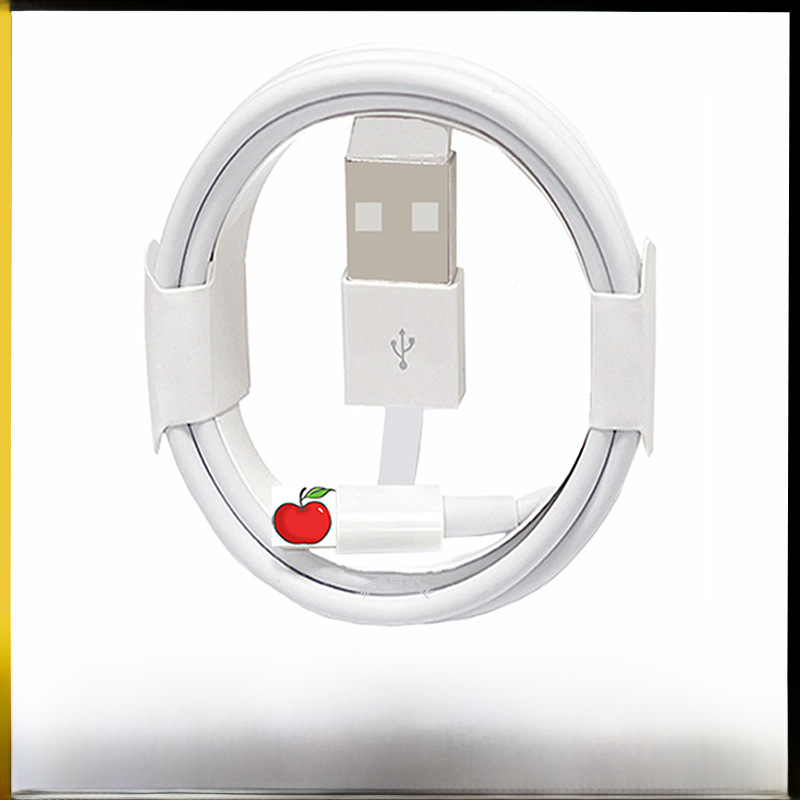
The Lightning connector’s rigid design makes it prone to bending. Fold the cable with extra care, avoiding sharp angles near the connector. The figure-eight method works particularly well for these cables.
Coiled Charging Cables
Coiled cables are designed to retract, but improper folding can still damage them. Store them in their natural coil shape or use the basic fold, ensuring the coil isn’t twisted or kinked.
Tools and Accessories to Enhance Cable Folding
Cable Clips and Organizers
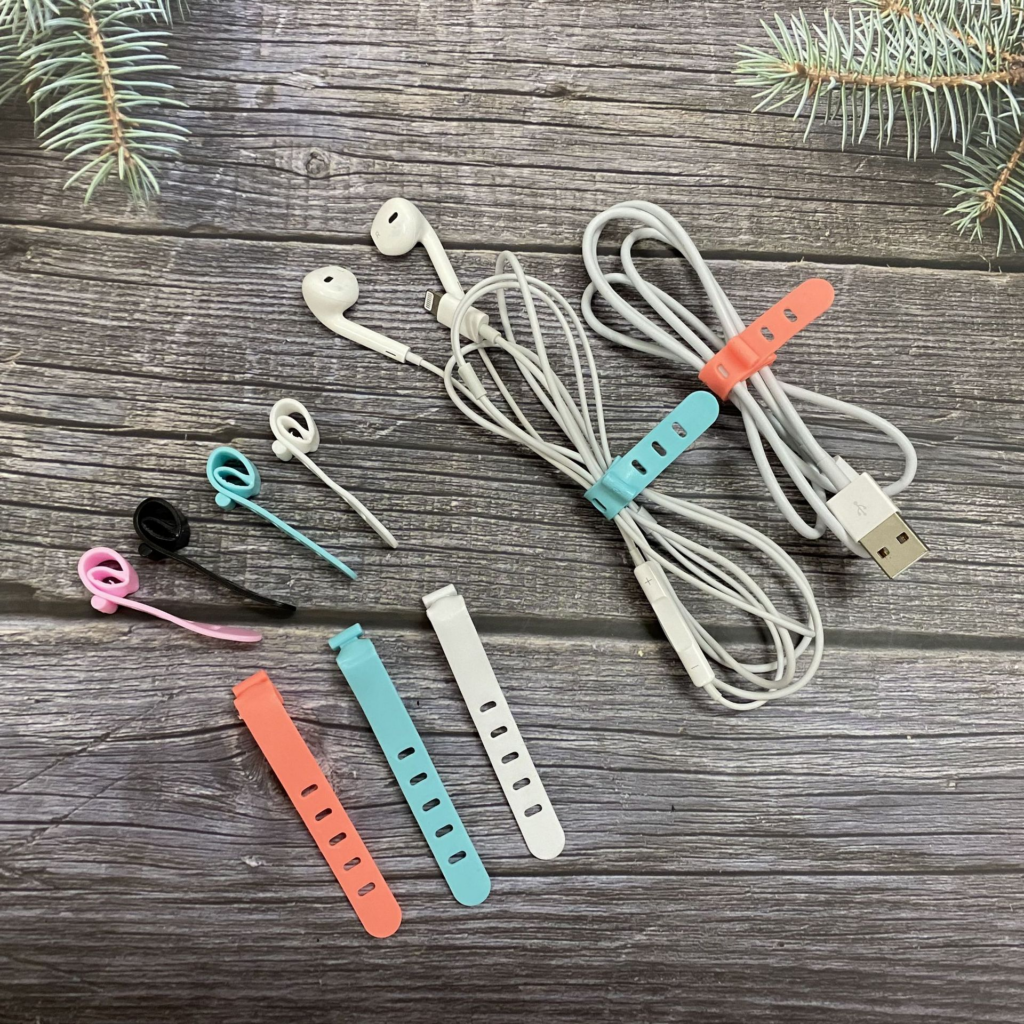
These small devices attach to your desk or bag, keeping folded cables secure and tangle-free. They’re especially useful for travel or workspaces where cables are frequently unplugged and replugged.
Cable Sleeves and Wraps
Protective sleeves cover the entire cable, shielding it from wear and tear while making folding easier. Wraps, on the other hand, bundle multiple cables together, keeping them organized and preventing tangling.
DIY Solutions: Rubber Bands and Twist Ties
For a quick fix, use a rubber band or twist tie to secure the folded cable. While not as elegant as specialized accessories, these household items can prevent cables from unraveling in your bag.
The Psychology of Organization: Why Folding Cables Matters
The Impact of a Tidy Workspace
A cluttered workspace can lead to increased stress and decreased productivity. Folding your charging cables and storing them neatly contributes to a more organized, calming environment.
The Habit of Maintenance
Developing the habit of properly folding cables instills a sense of care for your belongings. This mindset often extends to other areas of life, promoting mindfulness and responsibility.
Conclusion: Making Cable Folding a Daily Habit
Folding your charging cables properly is a small but impactful habit that pays off in the long run. By taking a few extra seconds to fold your cables correctly, you can prevent damage, save money, and keep your workspace tidy. Whether you’re a student, a professional, or a tech enthusiast, mastering the art of cable folding is a simple yet powerful way to improve your daily life.
How to purchase: https://looperbuy.com/search?keywords=how+to+fold+charging+cable
Frequently Asked Questions (FAQs)
- What’s the best way to fold a charging cable to prevent fraying? The over-under technique is most effective for preventing fraying. Fold the cable in half, cross one end over the other, and fold again. This distributes stress evenly and protects the cable’s vulnerable points.
- How do I fold a thick laptop charging cable without damaging it? Use the figure-eight fold. Create a loop, cross the ends, and pass them through the loop. This method prevents twisting and keeps the cable compact without stressing the insulation.
- Can I use rubber bands to keep my cables folded? Yes, rubber bands are a quick and easy solution. Wrap one around the folded cable to hold it in place, but avoid tightening it too much, as this can create new stress points.
- Are there any tools specifically designed for folding charging cables? Absolutely. Cable clips, organizers, and sleeves are designed to help fold and store cables neatly. These tools protect the cables while keeping them tangle-free.
- What’s the most common mistake people make when folding cables? The most common mistake is creating sharp bends near the connectors. Always fold the cable away from the connectors and avoid folding it in a way that puts pressure on the fragile ends.
Hot Tags: Charging cable folding; Cable management tips; Prevent cable fraying; Organize tech accessories; Tangle-free cables; Cable storage solutions; DIY cable organizers; Protect charging cables; Workspace organization; Tech accessory maintenance