Packaging materials play a crucial role in the protection, preservation, and presentation of products. As businesses strive to meet consumer demands and environmental standards, understanding the various types of packaging materials available is essential. This article explores the different categories of packaging materials, their uses, benefits, and the impact they have on sustainability and product safety. By delving deeper into each type of material, we can appreciate their unique characteristics and the reasons behind their widespread use in various industries.
Table of Contents
Understanding Packaging Materials
Packaging materials are substances used to encase products for storage, protection, and transportation. They serve multiple purposes, including safeguarding items from damage, providing information to consumers, and enhancing the aesthetic appeal of products. The choice of packaging material can significantly influence a product’s marketability and environmental footprint. In today’s competitive market, effective packaging not only protects the product but also communicates the brand’s values and commitment to sustainability, making it a vital aspect of product development and marketing strategies.
Types of Packaging Materials
There are several categories of packaging materials, each with unique properties and applications. The most common types include:
1. Paper and Cardboard
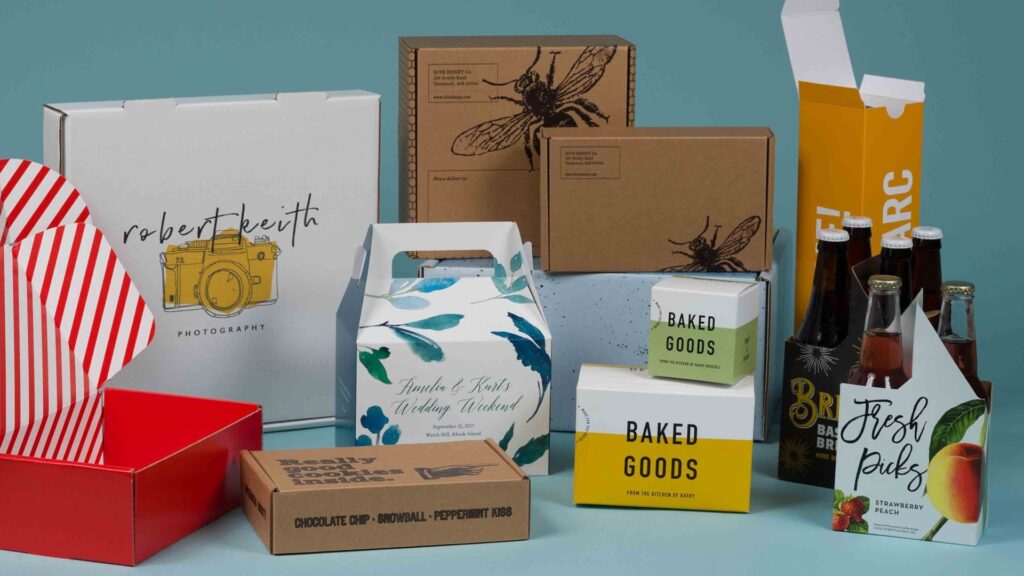
Paper and cardboard are among the most widely used packaging materials due to their versatility and eco-friendliness. They can be easily customized for various shapes and sizes, making them suitable for everything from food packaging to shipping boxes. The production of paper and cardboard often involves sustainable practices, such as sourcing from responsibly managed forests, which further enhances their appeal to environmentally conscious consumers.
Benefits:
– Biodegradable and recyclable: Paper and cardboard can decompose naturally, reducing landfill waste and promoting a circular economy.
– Lightweight and cost-effective: Their low weight helps reduce shipping costs, making them an economical choice for businesses.
– Easily customizable for branding: Companies can print vibrant designs and logos on paper products, enhancing brand visibility and consumer engagement.
Applications:
– Food packaging (e.g., takeout containers, boxes): Many restaurants and food delivery services use paper-based packaging to provide a sustainable option for their customers.
– Shipping materials (e.g., corrugated boxes): These boxes are designed to withstand the rigors of transportation while being recyclable.
– Retail packaging (e.g., bags, wraps): Paper bags and wraps are increasingly popular as consumers seek alternatives to plastic.
2. Plastic
Plastic packaging is known for its durability and flexibility. Common types include polyethylene (PE), polypropylene (PP), and polyethylene terephthalate (PET). These materials are often used in food packaging, consumer goods, and industrial applications. While plastic has been criticized for its environmental impact, advancements in recycling technologies and the development of biodegradable plastics are helping to mitigate these concerns.
Benefits:
– Water-resistant and lightweight: Plastic’s resistance to moisture makes it ideal for packaging perishable goods, while its lightweight nature reduces transportation costs.
– Strong and durable: Plastic can withstand impacts and is less likely to break compared to glass or other materials.
– Can be molded into various shapes: This versatility allows for innovative packaging designs that can enhance user experience.
Applications:
– Bottles and containers for beverages: Plastic bottles are ubiquitous in the beverage industry due to their convenience and lightweight properties.
– Flexible packaging for snacks and food items: Resealable plastic bags and pouches help maintain freshness and convenience for consumers.
– Protective packaging for electronics: Plastic cushioning materials protect fragile electronic devices during shipping.
3. Glass
Glass is a non-porous and recyclable material that provides an excellent barrier against air and moisture. It is often used for packaging beverages, cosmetics, and food products. The aesthetic appeal of glass packaging can enhance the perceived value of a product, making it a popular choice for premium brands.
Benefits:
– Recyclable and reusable: Glass can be recycled indefinitely without losing quality, making it a sustainable choice for packaging.
– Non-toxic and safe for food contact: Glass does not leach chemicals into food or beverages, ensuring product safety.
– Provides a premium look and feel: The clarity and weight of glass packaging can convey quality and sophistication to consumers.
Applications:
– Bottles for drinks and sauces: Glass bottles are commonly used for beverages, oils, and sauces, providing an attractive and safe packaging option.
– Jars for preserves and cosmetics: Glass jars are favored for their ability to preserve the quality of food and cosmetics while offering a visually appealing presentation.
– Containers for pharmaceuticals: Glass is often used for pharmaceutical packaging due to its inert nature and ability to protect sensitive products.
4. Metal
Metal packaging, particularly aluminum and tin, is commonly used for food and beverage products. It offers excellent protection against light, air, and moisture, extending the shelf life of products. Metal packaging is also highly recyclable, making it an environmentally friendly option.
Benefits:
– Strong and durable: Metal packaging can withstand rough handling and is less likely to be damaged during transportation.
– Recyclable and lightweight: Aluminum cans, for example, are lightweight and can be recycled repeatedly without losing quality.
– Provides a barrier against contaminants: Metal packaging protects products from external factors that could compromise quality.
Applications:
– Cans for beverages and food: Metal cans are a staple in the beverage industry, providing a long shelf life and convenience for consumers.
– Foil packaging for snacks: Foil pouches help maintain freshness and protect snacks from moisture and light.
– Tubes for creams and ointments: Metal tubes are commonly used for cosmetic and pharmaceutical products, ensuring product integrity.
5. Biodegradable and Compostable Materials
With increasing environmental concerns, biodegradable and compostable packaging materials are gaining popularity. These materials are designed to break down naturally, reducing waste in landfills. They are often made from renewable resources, such as plant-based materials, which further enhances their sustainability profile.
Benefits:
– Environmentally friendly: These materials help reduce plastic pollution and promote sustainable practices.
– Reduces plastic pollution: By opting for biodegradable options, companies can contribute to a cleaner environment.
– Often made from renewable resources: Many biodegradable materials are derived from plants, making them a sustainable alternative to traditional plastics.
Applications:
– Food packaging (e.g., bags, containers): Many food businesses are adopting biodegradable packaging to appeal to eco-conscious consumers.
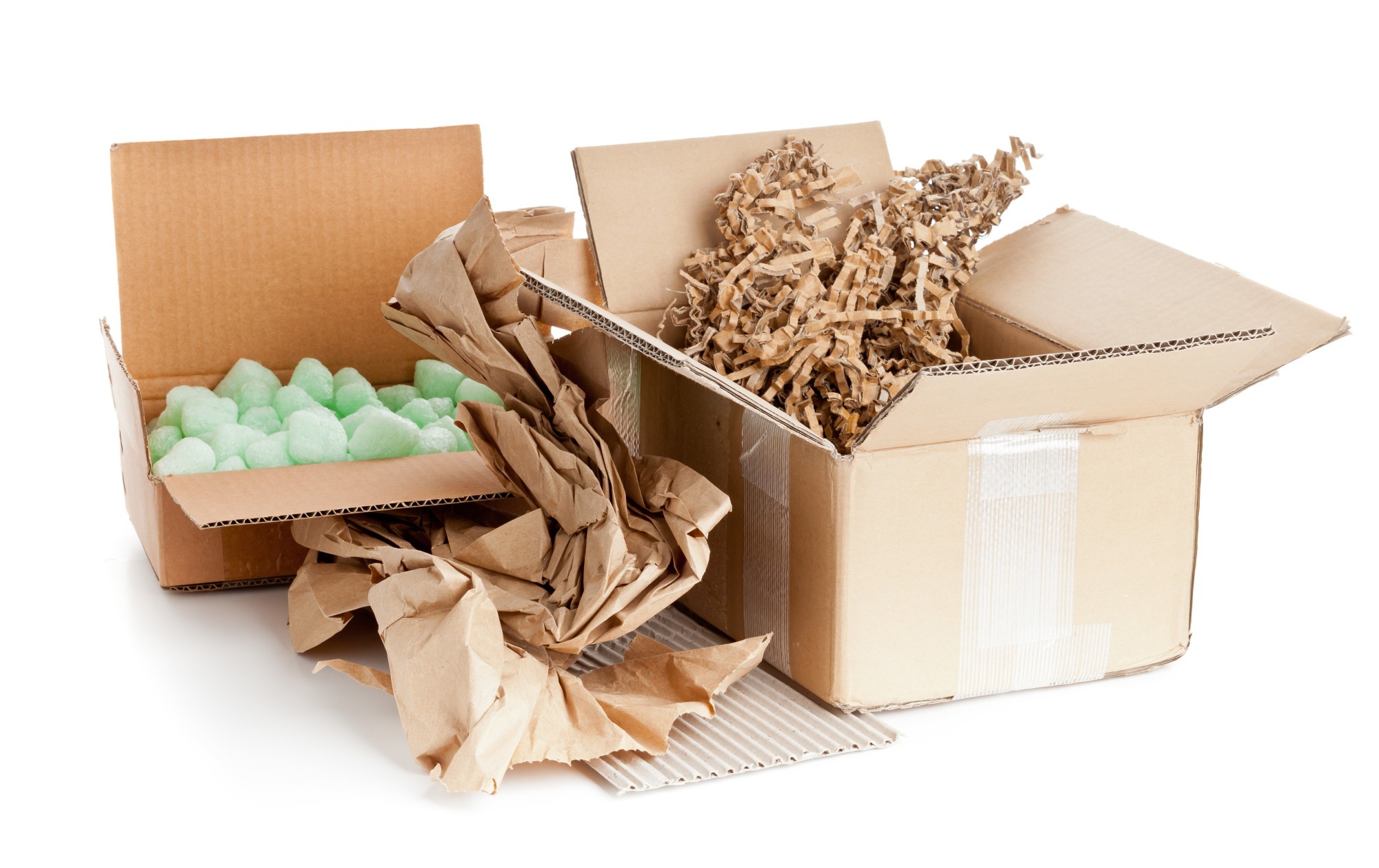
– Shipping materials (e.g., biodegradable peanuts): These materials provide cushioning for products while being environmentally friendly.
– Retail packaging (e.g., compostable bags): Retailers are increasingly using compostable bags to reduce their environmental impact.
The Importance of Choosing the Right Packaging Material
Selecting the appropriate packaging material is critical for several reasons. It affects product safety, shelf life, and consumer perception. Additionally, the right packaging can enhance brand image and contribute to sustainability efforts. Businesses must consider the entire lifecycle of their packaging materials, from production to disposal, to make informed choices that align with their values and consumer expectations.
Product Protection
The primary function of packaging is to protect products from physical damage, contamination, and spoilage. For instance, fragile items require cushioning materials like bubble wrap or foam, while perishable goods need airtight seals to maintain freshness. Effective packaging not only safeguards the product but also ensures that it reaches the consumer in optimal condition, which is essential for maintaining customer satisfaction and loyalty.
Sustainability Considerations
As consumers become more environmentally conscious, businesses are pressured to adopt sustainable packaging practices. This includes using recyclable materials, reducing packaging waste, and opting for biodegradable options. Sustainable packaging not only appeals to eco-minded consumers but can also improve a company’s reputation and compliance with regulations. By prioritizing sustainability, companies can differentiate themselves in a crowded market and build stronger connections with their customers.
Cost-Effectiveness
Cost is a significant factor in packaging decisions. Businesses must balance the need for quality and protection with budget constraints. While some materials may be more expensive upfront, they can lead to savings in shipping costs or reduced product damage. Additionally, investing in sustainable packaging can enhance brand loyalty and attract new customers, ultimately leading to increased profitability.
Innovations in Packaging Materials
The packaging industry is continually evolving, with innovations aimed at improving functionality and sustainability. Some notable trends include:
Smart Packaging
Smart packaging incorporates technology to enhance user experience and product safety. This can include QR codes for tracking, temperature-sensitive materials that indicate freshness, and even sensors that monitor product conditions. These innovations not only improve the consumer experience but also provide valuable data to manufacturers about product performance and consumer preferences.
Minimalist Packaging
Minimalist packaging focuses on reducing material use while maintaining functionality. This trend not only lowers costs but also appeals to consumers who prefer less wasteful options. By simplifying packaging designs, companies can reduce their environmental impact and create a more streamlined brand image.
Reusable Packaging
Reusable packaging is gaining traction as a sustainable alternative. Companies are exploring ways to design packaging that can be returned and reused, reducing the need for single-use materials. This approach not only minimizes waste but also fosters a sense of community and responsibility among consumers, encouraging them to participate in sustainable practices.
Conclusion
In conclusion, packaging materials are a vital component of product delivery and consumer experience. Understanding the various types of packaging materials, their benefits, and their applications can help businesses make informed decisions that enhance product safety, sustainability, and marketability. As the industry continues to innovate, staying abreast of trends and consumer preferences will be essential for success. By prioritizing effective and sustainable packaging solutions, companies can not only protect their products but also contribute to a healthier planet.
How to purchase:https://looperbuy.com/search?keywords=Modern+Products
Frequently Asked Questions
1. What are the most common types of packaging materials?
The most common types include paper, plastic, glass, metal, and biodegradable materials. Each type has its unique properties and applications, making them suitable for various products.
2. How do I choose the right packaging material for my product?
Consider factors such as product protection, cost, sustainability, and consumer preferences when selecting packaging materials. It’s essential to evaluate the specific needs of your product and your target market.
3. What are the benefits of using biodegradable packaging?
Biodegradable packaging reduces waste, minimizes environmental impact, and appeals to eco-conscious consumers. It helps companies align with sustainability goals and meet regulatory requirements.
4. How can packaging materials affect product shelf life?
Proper packaging materials can protect products from air, moisture, and light, extending their shelf life and maintaining quality. This is particularly important for perishable goods and sensitive items.
5. What innovations are currently shaping the packaging industry?
Innovations include smart packaging, minimalist designs, and reusable packaging solutions aimed at enhancing functionality and sustainability. These trends reflect the industry’s response to consumer demands and environmental challenges.