Table of Contents
The Drop Shipping Business Model Explained
Drop shipping is a popular e-commerce business model that allows entrepreneurs to start a venture with minimal upfront investment. Unlike traditional retail models, drop shipping businesses do not require physical inventory. Instead, the retailer partners with a supplier who stores, packages, and ships the products directly to the customer. This eliminates the need for warehousing and reduces the financial risk associated with holding stock.
How Drop Shipping Works
When a customer places an order on a drop shipping retailer’s website, the retailer forwards the order to the supplier. The supplier then processes the order, packages the product, and ships it directly to the customer. The retailer profits from the difference between the wholesale price paid to the supplier and the retail price charged to the customer. This model is particularly appealing to entrepreneurs because it requires less capital to start and involves lower operational costs compared to traditional retail businesses.
Benefits of the Drop Shipping Model
The drop shipping model offers several advantages that have contributed to its growing popularity among entrepreneurs:
- Lower startup costs: Without the need to purchase and store inventory, entrepreneurs can start a drop shipping business with minimal upfront investment.
- Reduced risk: Since you do not hold inventory, there is no risk of overstocking or being left with unsold products.
- Scalability: Drop shipping businesses can easily scale by adding new products or expanding into new markets without significant additional investment in inventory.
- Flexibility: Entrepreneurs have the flexibility to run their business from anywhere, as long as they have an internet connection.
- Diverse product offerings: Retailers can offer a wide range of products without the constraints of physical storage limitations.
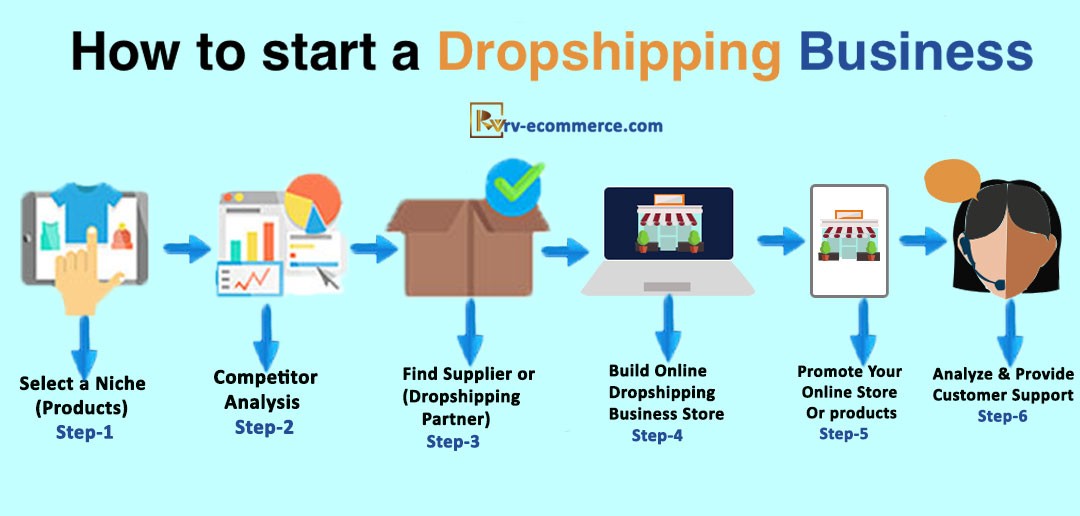
Key Steps to Start a Drop Shipping Business
Starting a successful drop shipping business involves careful planning and execution. Follow these essential steps to lay a strong foundation for your venture.
Market Research and Niche Selection
Conducting thorough market research is crucial to identify a profitable niche for your drop shipping business. A niche market is a specialized segment of the broader market with specific needs and preferences. Focusing on a niche allows you to target a specific customer base more effectively and differentiate your business from competitors.
Identifying Profitable Niches
Look for niches with sufficient demand but relatively low competition. Consider factors such as trending products, seasonal demands, and emerging consumer trends. Utilize market research tools and analyze competitors to identify gaps and opportunities. For example, niches like eco-friendly products, pet accessories, or fitness equipment have shown consistent growth and have dedicated customer bases.
Evaluating Niche Viability
Assess the viability of your chosen niche by considering factors such as profit margins, supplier availability, and customer acquisition costs. Ensure that there are reliable suppliers who can provide quality products at competitive prices. Additionally, analyze the marketing channels and strategies that will be effective in reaching your target audience and acquiring customers at a cost that allows for profitable operations.
Setting Up Your Online Store
Your online store is the face of your drop shipping business. It is essential to create a professional, user-friendly website that provides a seamless shopping experience for your customers.
Choosing an E-commerce Platform
Several e-commerce platforms are available to help you build your online store. Popular options include Shopify, WooCommerce (for WordPress), BigCommerce, and Magento. Each platform offers different features, pricing structures, and levels of customization. Consider factors such as ease of use, integration capabilities with drop shipping apps and tools, mobile responsiveness, and scalability when selecting the platform that best suits your business needs.
Designing Your Website
Your website design should reflect your brand identity and create a positive impression on visitors. Invest in a clean, modern design with intuitive navigation. Ensure that your website loads quickly, as slow loading times can lead to higher bounce rates and lower conversion rates. Include high-quality product images, detailed descriptions, and customer reviews to build trust and provide customers with the information they need to make purchasing decisions.
Setting Up Payment Gateways and Shipping Options
Integrate reliable payment gateways such as PayPal, Stripe, or Square to accept payments from customers. Offer multiple payment options to accommodate different customer preferences and increase conversion rates. Additionally, clearly outline your shipping policies and provide customers with shipping options and estimated delivery times. Consider offering free shipping for orders above a certain amount to incentivize larger purchases.

Finding and Partnering with Reliable Suppliers
The success of your drop shipping business heavily depends on the reliability and quality of your suppliers. Sourcing the right suppliers is a critical step that requires careful evaluation and selection.
Supplier Sourcing Strategies
There are several ways to find potential suppliers for your drop shipping business:
- Online directories and marketplaces: Websites like AliExpress, SaleHoo, and Worldwide Brands offer directories of suppliers and wholesalers. These platforms allow you to search for suppliers based on product categories, location, and other criteria.
- Trade shows and exhibitions: Attend industry-specific trade shows to discover suppliers, network with industry professionals, and stay updated on the latest products and trends.
- Networking and referrals: Connect with other drop shipping entrepreneurs through online forums, social media groups, or business events. Seek recommendations and referrals for reliable suppliers.
- Direct manufacturer partnerships: Reach out to manufacturers directly to inquire about their drop shipping programs. Some manufacturers are open to working with drop shipping retailers and may offer better pricing terms and quality control.
Evaluating and Selecting Suppliers
When evaluating potential suppliers, consider the following factors:
- Product quality: Request product samples to assess the quality and ensure it meets your standards. High-quality products contribute to customer satisfaction and positive reviews, which are vital for the long-term success of your business.
- Pricing and profit margins: Compare the wholesale prices offered by different suppliers to ensure you can maintain competitive retail prices while achieving desirable profit margins.
- Minimum order requirements: Some suppliers require minimum order quantities. Look for suppliers with low or no minimum order requirements, especially when starting out, to minimize your financial risk.
- Shipping capabilities and costs: Ensure the supplier can ship directly to your customers’ locations and offers reasonable shipping rates. Inquire about their shipping methods, delivery times, and reliability.
- Customer service and communication: Responsive and helpful customer service from your supplier is crucial. They should be available to address inquiries, provide order updates, and assist with any issues that may arise during the shipping process.
- Reputation and reliability: Research the supplier’s reputation by reading reviews from other retailers and checking their ratings on supplier evaluation platforms. A reliable supplier with a good track record ensures that orders are processed and shipped accurately and on time.
Marketing and Customer Acquisition Strategies
Acquiring customers is a critical aspect of any business, and drop shipping is no exception. Effective marketing strategies can help you attract customers, drive traffic to your online store, and generate sales.
Digital Marketing and Online Advertising
Digital marketing offers numerous channels to promote your drop shipping business and reach your target audience.
Search Engine Optimization (SEO)
Optimize your website and product listings for search engines to increase organic traffic. Conduct keyword research to identify relevant search terms that potential customers are using. Incorporate these keywords strategically into your website content, product titles, descriptions, and meta tags. Create high-quality, valuable content such as blog posts, product guides, and tutorials that address the needs and interests of your target audience. This not only improves your search engine rankings but also establishes your business as an authority in your niche.
Social Media Marketing
Leverage social media platforms like Facebook, Instagram, Pinterest, and TikTok to showcase your products and engage with your audience. Create visually appealing content, including product photos, videos, and infographics, to capture attention and generate interest. Build a community by interacting with followers, responding to comments and messages, and creating social media groups or pages dedicated to your niche. Consider running social media ads targeting specific demographics and interests to drive traffic to your online store and increase sales.
Pay-Per-Click (PPC) Advertising
PPC advertising allows you to display your ads on search engines and social media platforms, paying only when someone clicks on your ad. Create targeted ad campaigns focusing on relevant keywords and phrases that potential customers are searching for. Craft compelling ad copy that highlights the unique selling points of your products and includes a clear call to action. Continuously monitor and optimize your PPC campaigns to improve their performance and maximize your return on investment.
Building an Email List and Email Marketing
Email marketing remains a powerful tool for customer acquisition and retention. Build an email list by offering incentives such as discounts, free eBooks, or exclusive content in exchange for email subscriptions. Create valuable email campaigns that provide subscribers with product recommendations, promotional offers, updates on new arrivals, and personalized content based on their browsing and purchase history. Effective email marketing helps nurture leads, convert them into customers, and encourage repeat purchases.
Content Marketing and Blogging
Start a blog on your website to create valuable content that attracts potential customers. Write informative articles, product reviews, buying guides, and industry news related to your niche. Content marketing helps establish your business as an industry authority, builds trust with your audience, and drives organic traffic to your online store. Incorporate keywords naturally into your blog posts to improve search engine visibility and attract customers searching for information on your products or services.
Managing and Scaling Your Drop Shipping Business
Once your drop shipping business is up and running, effective management and strategic scaling are essential for sustained success.
Order Management and Customer Service
Implement a reliable order management system to track and process orders efficiently. Ensure that customer inquiries are promptly addressed and that any issues with orders are resolved satisfactorily. Provide excellent customer service by being responsive, empathetic, and solution-oriented. Happy customers are more likely to leave positive reviews, refer others to your business, and make repeat purchases.
Inventory and Supplier Management
Monitor your suppliers’ inventory levels to avoid stockouts and ensure timely order fulfillment. Maintain good relationships with your suppliers by communicating regularly, providing feedback, and negotiating favorable terms as your business grows. Consider diversifying your supplier base to have backup options in case of disruptions or quality issues with a primary supplier.
Analytics and Continuous Improvement
Utilize analytics tools to track key performance metrics such as website traffic, conversion rates, average order value, and customer acquisition costs. Analyze this data to identify trends, opportunities for improvement, and areas where you can optimize your business operations and marketing strategies. Continuously test and refine your approaches based on data-driven insights to enhance your business performance over time.
Conclusion
Starting a drop shipping business offers an exciting opportunity for entrepreneurs to enter the e-commerce space with minimal upfront investment and lower risk compared to traditional retail models. By conducting thorough market research, selecting a profitable niche, setting up a professional online store, partnering with reliable suppliers, and implementing effective marketing strategies, you can build a successful drop shipping business. As your business grows, focus on efficient management, excellent customer service, and continuous improvement to scale and achieve long-term success in the competitive e-commerce landscape.
If you want to streamline your procurement and logistics processes and focus more on business growth, you can use looperbuy, a one-stop purchasing-logistics solution: https://looperbuy.com/.
Related Questions & Answers
· What are the common mistakes to avoid when starting a drop shipping business?
Common mistakes when starting a drop shipping business include inadequate market research leading to the selection of a saturated or unprofitable niche, poor supplier vetting resulting in unreliable partners and low-quality products, neglecting website user experience and mobile optimization which can drive customers away, unrealistic pricing strategies that fail to account for all costs and desired profit margins, and overlooking the importance of customer service which can lead to negative reviews and damaged business reputation. Entrepreneurs should also avoid launching too many products at once without proper testing and focus, as this can complicate inventory and order management processes.
· How can I build trust with customers in my drop shipping business?
Building trust in a drop shipping business involves several strategies: ensure your website has a professional design with clear contact information and trust symbols like security badges; provide comprehensive product descriptions, high-quality images, and videos to set accurate expectations; showcase customer reviews and testimonials prominently on your site; implement a transparent return and refund policy; engage authentically on social media to establish a community; and deliver consistent, reliable service by partnering with dependable suppliers. Addressing customer inquiries promptly and personalizing interactions where possible also contribute to building a trustworthy brand image.
· Are there specific niches that are currently trending and suitable for drop shipping?
As of the latest observations, niches such as sustainable and eco-friendly products, pet supplies and accessories, home fitness equipment, CBD-related wellness products (where legally permissible), tech gadgets and smartphone accessories, personalized gifts, and remote work tools are experiencing strong demand. These niches align with current consumer trends toward health, sustainability, and home-based lifestyles. Entrepreneurs should validate these niches through market research tools and assess their own passion and knowledge to ensure they can effectively market and manage products within these categories.
· What tools and apps are essential for managing a drop shipping business?
Essential tools and apps for drop shipping business management include e-commerce platforms like Shopify with user-friendly interfaces and integrations; inventory and order management systems such as TradeGecko or ShipWorks to track supplier inventory and automate order processing; accounting software like QuickBooks Online for financial tracking; digital marketing tools like Google Ads and Facebook Ads Manager for targeted campaigns; email marketing platforms like Mailchimp for customer nurturing; and analytics tools such as Google Analytics to monitor website performance and customer behavior. Additionally, consider drop shipping-specific apps like Oberlo (for product sourcing) or Spocket (for local suppliers) depending on your business model and region.
· How do I handle returns and exchanges in a drop shipping business?
Handling returns and exchanges in drop shipping requires clear communication and coordination with suppliers. Establish a return policy that specifies conditions for returns, timeframes, and who covers shipping costs. Communicate this policy transparently to customers during the purchasing process. When a return is requested, provide the customer with a return shipping label (if you cover costs) and forward the return request to your supplier. The supplier should process the return and notify you once it’s completed. Refund the customer promptly upon confirmation. Some suppliers may manage the return process directly, so clarify these procedures during supplier onboarding to ensure smooth handling and maintain customer satisfaction.
Hot Tags: Drop Shipping Suppliers; E-commerce Business Model; Niche Market Selection; Online Store Setup; Digital Marketing Strategies; Customer Acquisition Tactics; Supplier Relationship Management; Drop Shipping Analytics; Scalable Business Practices