Table of Contents
The Allure of Italian Luxury Home Textiles in Global Markets
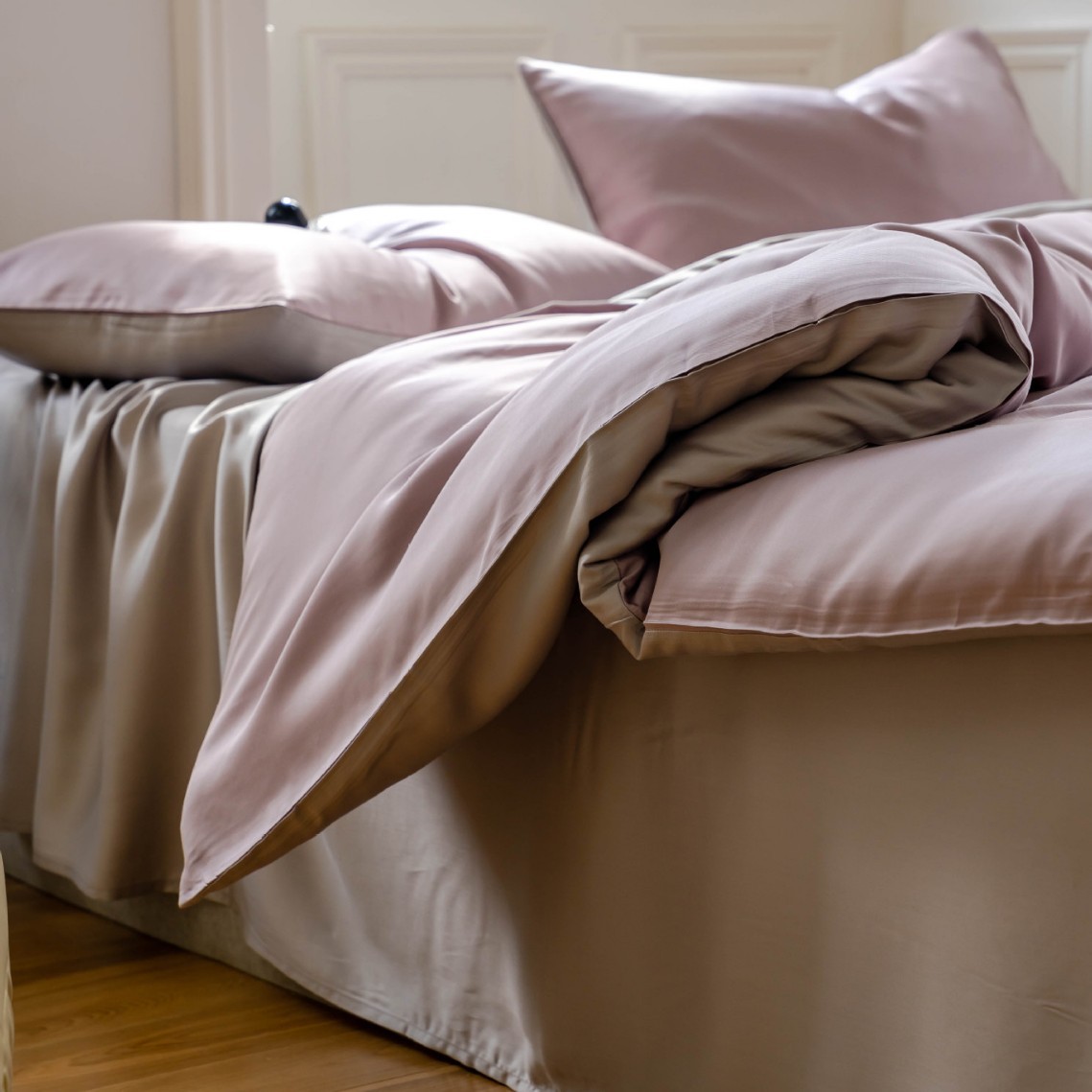
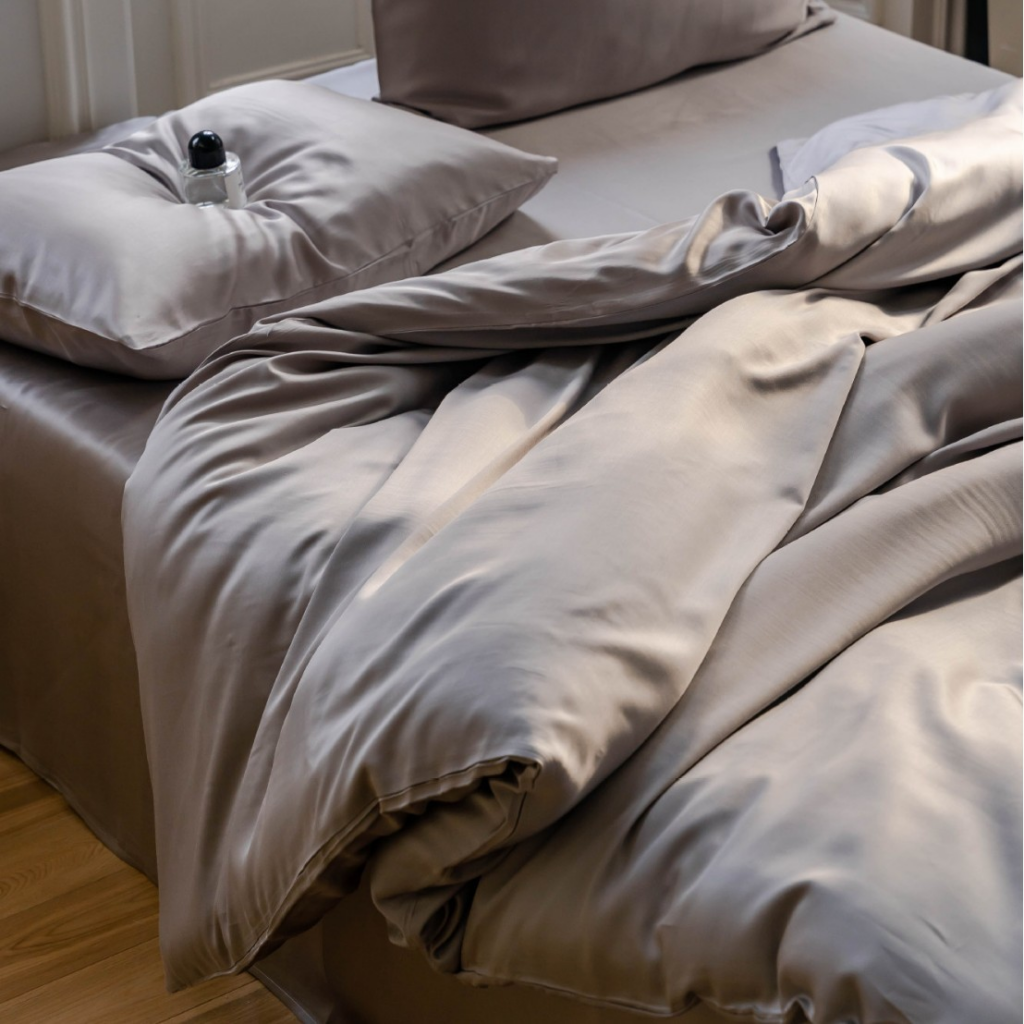
Italy’s dominance in luxury home textiles stems from centuries of artisanal tradition fused with modern innovation. Regions like Como (silk), Prato (wool), and Tuscany (linen) produce fabrics renowned for their quality, design sophistication, and durability. Global buyers increasingly prioritize Italian textiles for high-end hospitality projects, luxury retail, and bespoke interior design ventures.
Key Production Centers and Specializations
- Como, Lombardy: The epicenter of silk manufacturing, supplying 80% of Europe’s silk. Specializes in jacquard, satin, and organza.
- Prato, Tuscany: A hub for wool recycling and worsted fabrics, accounting for 35% of Italy’s textile exports.
- Carpi, Emilia-Romagna: Leaders in stretch fabrics and performance textiles for contemporary design.
Market Trends Driving B2B Demand
The luxury home textiles sector grows at 4.2% annually, driven by:
- Sustainability: 68% of buyers prioritize eco-certified materials (GOTS, OEKO-TEX).
- Customization: 40% of B2B orders now include bespoke patterns or branding.
- Tech Integration: Smart fabrics with temperature regulation or antimicrobial properties.
Sourcing Strategies for B2B Success
Effective procurement requires navigating Italy’s fragmented supplier landscape while balancing quality, cost, and ethical considerations.
Identifying Reliable Suppliers
- Trade Associations: Partner with Milano Unica or Confindustria Tessile for vetted suppliers.
- Digital Platforms: Utilize B2B platforms like TextileSource.it or ItalianModa for curated listings.
- Trade Shows: Attend Lineapelle or Home Textiles Premium for direct supplier engagement.
Negotiation Best Practices
- MOQ Flexibility: Larger suppliers may reduce MOQs for long-term contracts.
- Payment Terms: Secure 60-90 day terms through letters of credit or escrow services.
- Sample Fees: Expect to pay 150-300€ per sample but negotiate credits against bulk orders.
Quality Control Protocols
Implement rigorous inspection regimes:
- Material Certification: Verify silk percentages via burn tests or fiber analysis.
- Colorfastness Testing: Use AATCC standards for light, washing, and rubbing resistance.
- Stitching Density: Require 8-10 stitches per cm for upholstery fabrics.
Logistics and Customs Compliance
Navigating Italy’s export infrastructure demands meticulous planning to avoid delays and penalties.
Shipping Considerations
- Port Efficiency: Genoa and La Spezia offer 7-day clearance for textiles.
- Packaging Standards: Require vacuum-sealed rolls with silica gel for moisture protection.
- Temperature Control: Insulated containers prevent silk damage in extreme climates.
Tariff Regulations
- EU-US Trade: No duties under TPL for home textiles (HTS Code 6304).
- Non-EU Exports: Apply for EUR.1 certificates for preferential rates.
- VAT Recovery: Claim 22% VAT refunds through reverse charge mechanisms.
Sustainability and Ethical Sourcing
Modern B2B buyers demand transparency across supply chains.
Eco-Certifications to Require
- Global Recycled Standard (GRS): For recycled content verification.
- bluesign®: Ensures zero harmful substances in production.
- SA8000: Guarantees fair labor practices in factories.
Carbon Footprint Reduction
- Local Production: 72% of Italian textiles are Made in Italy, minimizing transport emissions.
- Dyehouse Partnerships: Collaborate with suppliers using CO2-neutral dyeing processes.
Conclusion
Sourcing Italian luxury home textiles requires balancing artisanal heritage with modern procurement rigor. Success hinges on supplier vetting, quality assurance, and adherence to sustainability standards. As global demand for premium textiles grows, B2B buyers must adapt to evolving market expectations while preserving the craftsmanship that defines Italian luxury.
How to Purchase:https://looperbuy.com/search?keywords=Italy+luxury+home+textiles+B2B+sourcing
Related Questions & Answers
· What certifications should Italian textile suppliers have?
Look for OEKO-TEX 100 (harmful substances), GOTS (organic fibers), and SA8000 (social accountability). These ensure product safety and ethical production.
· How do I verify a supplier’s “Made in Italy” claim?
Check for Italian Artisan Certification (IMC) labels and trace production codes. Authentic suppliers will provide factory visit options or virtual tours.
· What’s the typical lead time for custom textile orders?
Allow 8-12 weeks for custom designs, including 2-3 rounds of sample approvals. Rush orders may incur 20-30% surcharges.
· Can small businesses source from Italian manufacturers?
Yes, through consolidators or group buying. Platforms like Textile Exchange connect small buyers with shared container programs.
· How to handle language barriers with Italian suppliers?
Use translation apps during negotiations. Many suppliers employ English-speaking staff, and contracts should always include bilingual versions.
Hot Tags: Italian Silk B2B; Luxury Textile Suppliers; Como Fabric Sourcing; Sustainable Home Textiles; Wholesale Upholstery Fabrics; Italian Linen Exporters; Custom Textile Manufacturing; Eco-Certified Textiles; Premium Bedding Suppliers