Table of Contents
Introduction
Welcome to a journey through the world of luxury home textiles—a realm where opulence meets comfort, and every thread tells a story of craftsmanship and elegance. Whether you’re a design enthusiast or simply someone looking to infuse your living space with a touch of sophistication, this guide promises to be your gateway to transforming your house into a sanctuary of luxury. In this article, we’ll explore not only the essence of luxury home textiles but also delve into the myriad ways you can incorporate them into your decor to reflect your unique style and create an atmosphere of refined comfort.
The Essence of Luxury Home Textiles
Luxury home textiles are more than just decorative elements—they are the soul of a well-appointed home. These items, crafted with meticulous attention to detail and using the finest materials, serve to enhance both the aesthetic appeal and comfort of your living space. They are the embodiment of quality, durability, and timeless design. From the softness of a high-thread-count Egyptian cotton sheet to the intricate patterns of a handwoven tapestry, luxury textiles have the power to transform ordinary rooms into extraordinary havens.
Elevating Your Space: Key Categories of Luxury Textiles
Bedding Ensembles fit for Royalty
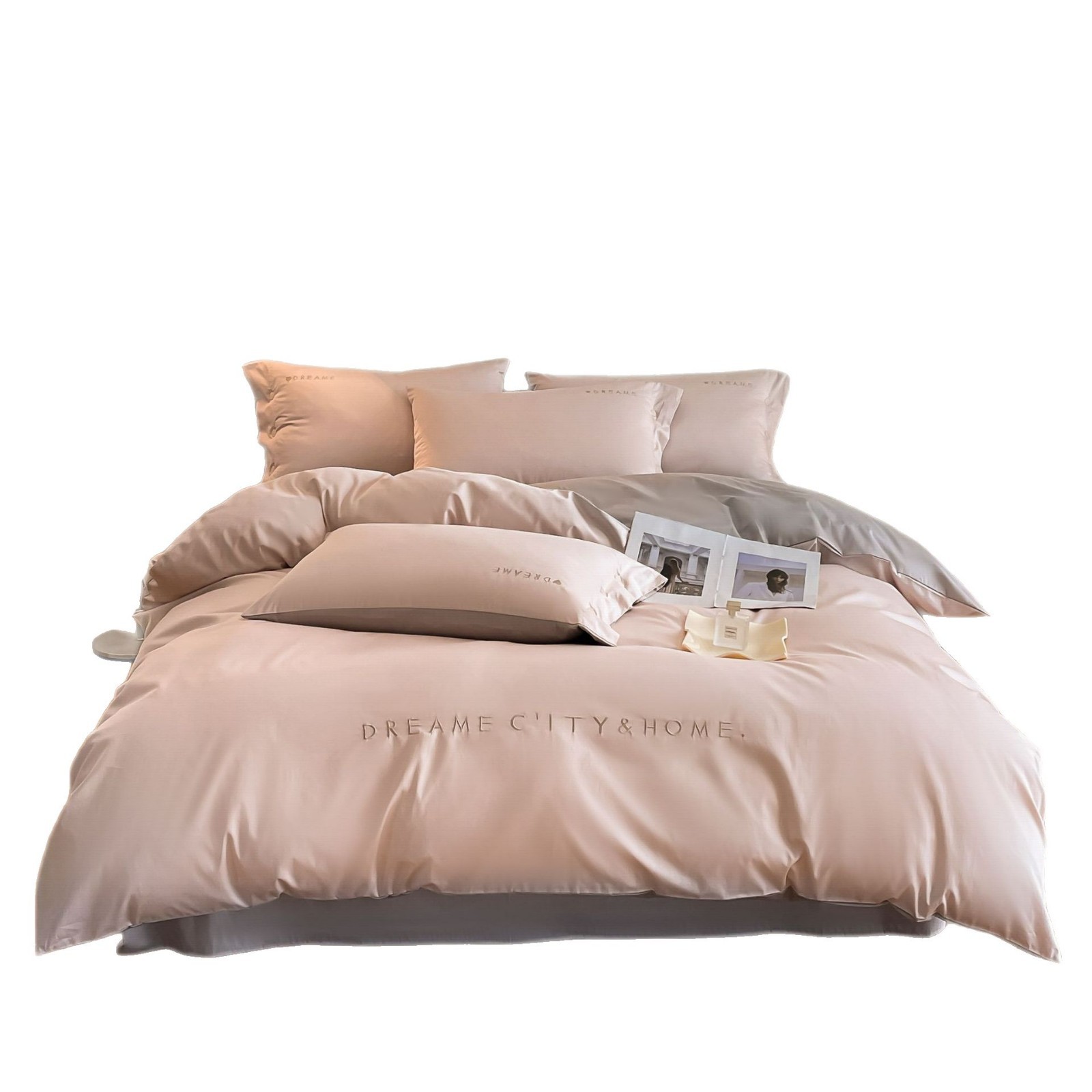
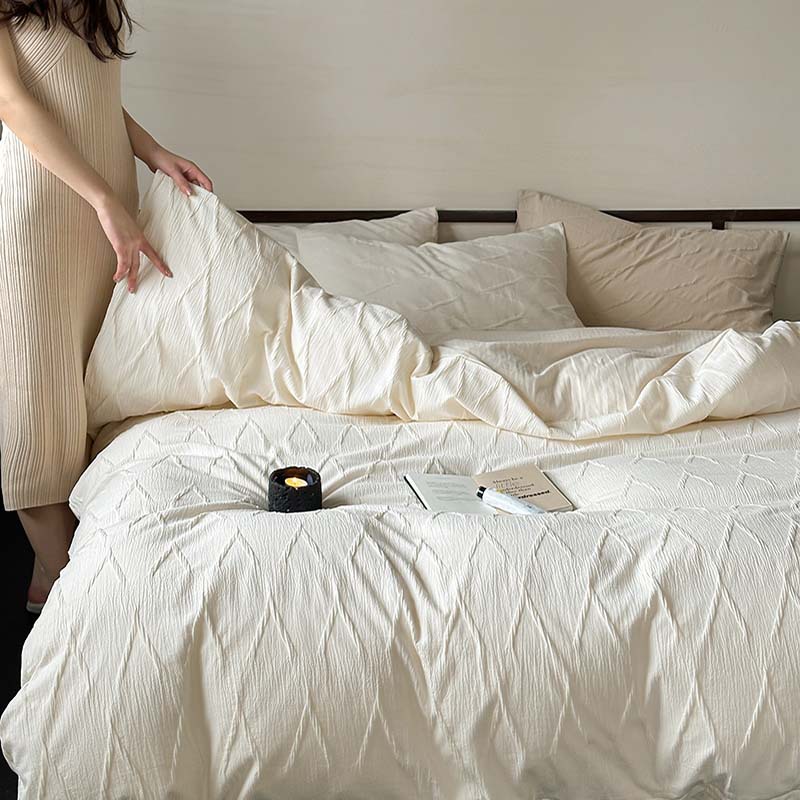
Your bedroom is your personal retreat, and luxury bedding is the cornerstone of a restful and indulgent sleep experience. Explore the world of high-thread-count Egyptian cotton sheets, known for their softness and durability. Sateen weaves offer a glossy finish that catches the light, adding a touch of drama, while percale provides a crisp, breathable option perfect for those who prefer a more subdued elegance.
Silk duvet covers and pillowcases are not just luxury items but also offer practical benefits. Their smooth texture is gentle on the skin and hair, making them a favorite among those seeking both comfort and style.
Add layers with cashmere or merino wool blankets. These materials provide unparalleled warmth and softness. A cashmere throw at the foot of the bed not only adds visual interest but also ensures you’re wrapped in luxury on colder nights.
Window Treatments that Define Elegance
Window treatments are the eyes of your room, controlling light and offering privacy while making a bold design statement. Custom-made silk or velvet drapes exude richness. Velvet, with its deep pile and lustrous sheen, can transform a window into a focal point. Its texture catches the light differently throughout the day, creating an ever-changing interplay of shadows and highlights.
Sheers, such as those made from linen or fine mesh, add a layer of sophistication. They soften the harshness of direct sunlight while maintaining a connection to the outdoors. The gentle swaying of linen sheers in a breeze can animate a room, bringing a sense of lightness and movement.
Consider motorized blackout curtains for bedrooms and home theaters. These combine functionality with luxury, allowing you to seamlessly adjust light levels. Their smooth operation and ability to create a theater-like experience elevate everyday moments.
Rugs and Carpets: The Foundation of Luxury
Underfoot luxury is not just about comfort but also about defining spaces and adding warmth. Hand-knotted wool rugs from regions like Persia or India are masterpieces. Each knot is tied by hand, and it can take artisans months or even years to complete a single rug. The patterns and motifs often carry cultural significance, making each rug a storyteller.
Silk rugs introduce a level of opulence with their fine threads. They reflect light in a way that wool rugs cannot, creating a shimmering effect that can anchor a room’s design. Their delicate nature means they are often used in areas with less foot traffic, serving as statement pieces.
Area rugs can also be used to zone areas within open-plan living spaces. A plush rug under a seating area delineates it from a dining area, creating intimacy without the need for physical barriers. The addition of a rug pad enhances comfort and prevents slipping, ensuring the rug remains平整 and safe.
Curating Your Collection: Brands and Designers
Heritage Brands with a Legacy of Excellence
When it comes to luxury home textiles, certain brand names have become synonymous with uncompromising quality and timeless design. Ralph Lauren Home brings the preppy American aesthetic into your home. Their bedding collections often feature classic patterns like stripes and plaids in a palette of navy, red, and white. The materials are robust, ensuring that the vibrant colors remain fresh even after repeated washings.
Frette, an Italian brand, specializes in hotel-quality linens. Their textiles are found in five-star hotels and prestigious yachts. The brand’s expertise in dobby weave techniques allows for intricate patterns to be woven directly into the fabric. This results in a three-dimensional effect that adds depth to any room.
Alberta Ferretti’s home collection mirrors the brand’s haute couture roots. Expect to find innovative uses of tulle and lace in bedding and drapery. These elements, often associated with delicate evening gowns, bring a feminine and ethereal quality to home textiles. The use of metallic threads in some designs adds a touch of disco-ball glamour.
ContemporaryLabels with a Fresh Perspective
In addition to heritage brands, contemporary labels are redefining luxury with innovative materials and bold designs. mindfulness and sustainability are increasingly important in today’s market. Brands like Coyuchi focus on organic and sustainable materials. Their luxury organic cotton sheets and bath towels appeal to environmentally conscious consumers without compromising on comfort.
Designers like Kelly Wearstler bring a modern, architectural aesthetic to textiles. Geometric patterns and a neutral color palette with strategic pops of color are hallmarks of her style. Her collaborations with textile companies result in products that cater to those who appreciate contemporary art and design. The use of mixed media in her designs adds texture and visual interest, making each piece a conversation starter.
Maintenance Mastery: Keeping Luxury Alive
The Art of Washing and Drying
Proper maintenance is the unsung hero of preserving luxury textiles. Follow care labels meticulously—they are a treasure map for keeping your investment looking its best. Separate white and colored items during washing to prevent the transfer of dyes. Use cold water whenever possible, as hot water can cause shrinkage and fade colors.
Choose gentle detergents specifically formulated for delicate fabrics. Harsh chemicals can break down fibers over time. For items like silk, opt for silk-specific detergents that maintain the fabric’s pH balance. Avoid fabric softeners, as they can leave a residue that dulls colors and attracts dirt.
When drying, air-dry flat whenever possible. Tumble drying, even on low heat, can cause shrinkage and distort the shape of items like wool blankets. Lay flat drying preserves the integrity of the fibers and the item’s original shape.
Storage Strategies for Longevity
Seasonal storage requires preparation to protect textiles from pests and environmental damage. Clean items thoroughly before storage. A single rogue stain can deteriorate over time and become permanent.
Use acid-free tissue paper to wrap items like silk rugs. The tissue buffers the rug from moisture and potential chemical reactions. Store items in breathable cotton bags rather than plastic. Cotton allows air circulation, preventing the buildup of musty odors and mold.
For bedding, fold and store in a cool, dry place. Avoid compressing down pillows and comforters. Long periods of compression can damage the fill, reducing loft and保温性能.
Protecting from Pests and Environmental Factors
Your home environment poses challenges to textile longevity. Keep humidity levels between 30% and 50% to prevent mold growth and fabric stiffening. Use a hygrometer to monitor levels and a dehumidifier if necessary.
Cedar or lavender sachets are natural deterrents for moths and other pests. Place them in storage areas. Regular vacuuming of rugs, especially in areas hidden by furniture, removes dust and potential food sources for insects.
Styling Wisdom: Integrating Luxury into Your Decor
Cohesive Design Principles
Incorporate luxury textiles into your decor thoughtfully. Balance is key—too many luxurious elements can overwhelm a room. Anchor your design with a statement piece. A grand velvet sofa with tufted upholstery can serve as the room’s focal point. Its rich texture and deep color can set the tone for the rest of the decor.
Layer textures and materials to add depth. Pair a linen throw with a leather-bound book on a side table. The contrast between the soft linen and the smooth leather creates visual interest and demonstrates an understanding of design principles. The interplay of textures invites touch and engages the senses.
Conclusion
Luxury home textiles are more than mere accessories; they are the cornerstone of a well-appointed, inviting home. By exploring the various categories of luxury textiles—from bedding and window treatments to rugs and designer brands—you can curate a living space that exudes sophistication and comfort. Proper maintenance ensures that these treasures retain their allure for years to come, while thoughtful styling allows you to create a harmonious and luxurious environment that reflects your personal taste.
How to Purchase:https://looperbuy.com/search?keywords=luxury+home+textiles
Related Questions and Answers
How can I incorporate luxury textiles into a minimalist design scheme?
Incorporating luxury textiles into a minimalist design requires a subtle approach. Opt for luxurious but understated materials like linen or silk in neutral tones. Use them in key areas such as bedding or window treatments where they can be felt without overwhelming the minimalist aesthetic. A linen duvet cover with a simple weave adds texture without pattern, preserving the clean lines of the design. Similarly, silk curtains in an off-white shade introduce luxury through material quality rather than color or pattern. The key is to let the inherent qualities of the textiles speak for themselves without additional embellishments.
Are luxury textiles worth the investment?
Luxury textiles are often worth the investment when considering their longevity and impact on your living space. High-quality materials like Egyptian cotton or cashmere are more durable, meaning they withstand frequent use and last longer than their cheaper counterparts. For example, a high-thread-count Egyptian cotton sheet set may cost more initially, but its superior durability ensures it won’t pill or fade quickly. Over time, this translates to better value. Moreover, luxury textiles significantly enhance your home’s ambiance. They create a space that feels special and indulgent. The daily comfort and aesthetic pleasure they provide contribute to your well-being, making them a thoughtful investment in your quality of life.
How do I clean a silk rug?
Cleaning a silk rug requires care to preserve its luster and integrity. For everyday maintenance, vacuum the rug regularly using a vacuum with a suction setting appropriate for delicate fabrics. This prevents dirt from embedding in the fibers. When spot cleaning, use a solution of mild detergent and cold water. Blot the stain gently with a clean cloth without rubbing, which can damage the silk. For comprehensive cleaning, it’s advisable to consult professional rug cleaning services that specialize in silk. They have the expertise and gentle cleaning agents needed to remove ingrained dirt without harming the rug’s delicate fibers. Never use harsh chemicals or excessive water, as these can cause the silk to shrink or lose its sheen.
What are the signs of high-quality luxury home textiles?
Signs of high-quality luxury home textiles can be identified through several indicators. High-quality materials are the foundation. For example, Egyptian cotton is renowned for its long fibers, which make the fabric stronger and softer. The construction and craftsmanship are also crucial. A well-made textile will have neat stitching, with no loose threads. In the case of rugs, a high knot count per square inch indicates a finer, more detailed weave and greater durability. Proper finishing touches, such as bound edges on sheets or reinforced hems on drapes, show attention to detail. Lastly, reputable brands and certifications can serve as markers of quality. Look for certifications like the OEKO-TEX Standard 100, which ensures the product is free from harmful substances, or brand reputations built on decades of customer satisfaction.
Where can I find authentic luxury home textiles?
Authentic luxury home textiles can be found through various avenues. High-end department stores often carry reputable brands. Stores like Neiman Marcus or Saks Fifth Avenue have dedicated home sections where you can find luxury bedding, rugs, and more from established designers. Specialty home boutiques, both online and in-person, focus exclusively on home decor and often curate unique luxury items. Brands like ABC Carpet & Home offer a wide range of luxury rugs and textiles from various designers. For those seeking bespoke options, certain brands allow customization. For example, you can customize a Frette bedding set with your choice of colors and monogramming. When shopping online, verify the retailer’s authenticity by checking for secure payment options, detailed product descriptions, and customer reviews. Look for official brand websites or authorized retailers to ensure you’re purchasing genuine products.
Hot Tags: Luxury Home Textiles; Designer Bedding; High-End Rugs; Silk Drapes; Egyptian Cotton Sheets; Cashmere Throws; Persian Rugs; Hotel-Quality Linens; Handwoven Tapestries; Velvet Cushions.