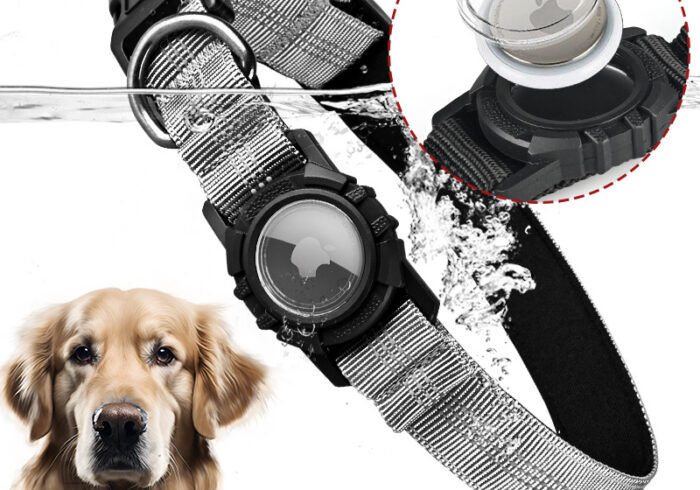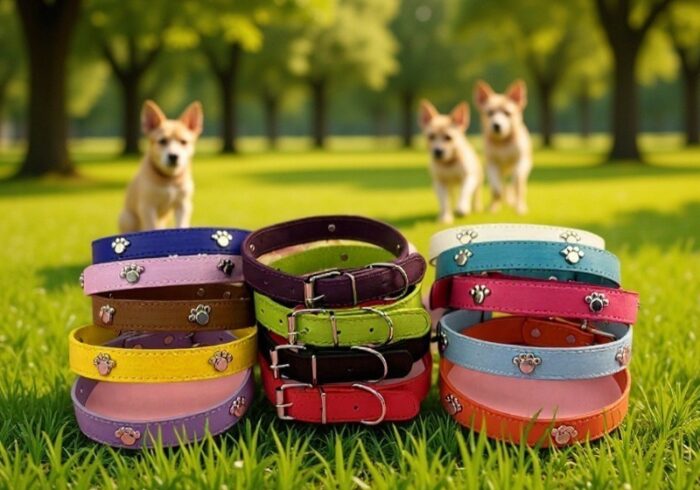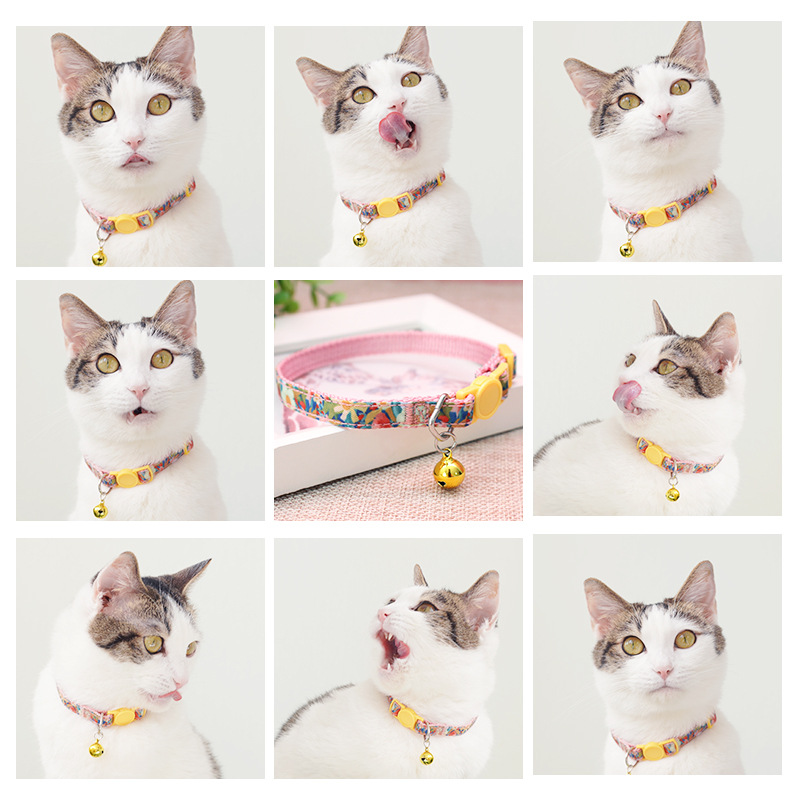
In the world of pet care, providing safety and comfort for our furry friends is paramount. One often – overlooked yet crucial accessory is the pet collar. A safe pet collar not only helps identify your pet but also ensures their comfort and protection during daily activities. This comprehensive guide explores the features of safe pet collars, factors to consider when choosing one, and how to ensure your pet’s well – being through proper collar selection.
Table of Contents
The Importance of a Safe Pet Collar
Identification and Safety
A safe pet collar serves as a primary means of identification, typically featuring tags with the pet’s name and owner’s contact information. In cases where pets wander off, this simple accessory can facilitate quick reunions. Beyond identification, a well – designed collar prevents injuries by avoiding choking hazards and ensuring comfort during walks and playtime.
Comfort During Daily Activities
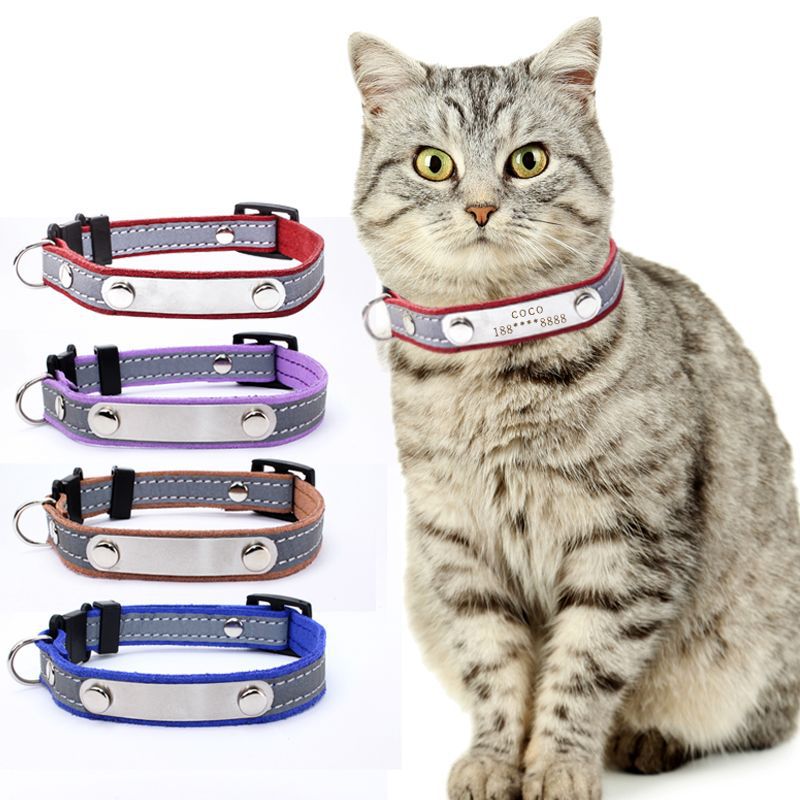
Pets engage in various activities, from energetic play to peaceful rest. A safe collar adapts to these activities, providing comfort without restricting movement. It should lie flat against the pet’s neck, neither too tight nor too loose, and should be made of materials that prevent skin irritation.
Key Features of Safe Pet Collars
Adjustable Length and Width
Pets come in all shapes and sizes, and their collars should reflect this diversity. Adjustable collars allow for a customized fit, accommodating growth in younger pets or seasonal fluctuations in fur thickness. The collar should have multiple adjustment points to ensure a secure yet comfortable fit.
Durable and Comfortable Materials
Materials play a crucial role in the collar’s longevity and the pet’s comfort. Nylon and polyester are popular choices for their durability and resistance to weather and wear. For pets with sensitive skin, natural materials like leather or bio – acrylic can be gentler options. The material should also be easy to clean and maintain.
Reflective Elements and Visibility
Pets often accompany their owners during early morning or evening walks. Collars with reflective strips or fluorescent colors enhance visibility in low – light conditions, reducing the risk of accidents. Some collars even feature integrated LED lights for added safety.
Types of Safe Pet Collars
Breakaway Collars
Designed with a quick – release mechanism, breakaway collars are ideal for indoor pets or those prone to getting caught on objects. The collar releases under pressure, preventing choking or injury. These collars are particularly popular for cats, who may climb and encounter obstacles.
Martingale Collars
Martingale collars combine a fixed loop with an adjustable section. When tension is applied to the leash, the collar tightens slightly but doesn’t fully close, providing control without risking injury. These are often used for dogs with a tendency to pull during walks.
GPS and Tracking Collars
For tech – savvy pet owners, GPS – enabled collars offer peace of mind. These collars allow real – time tracking of your pet’s location via a smartphone app. They’re especially useful for pets with a history of wandering and can provide geofencing alerts when your pet leaves a designated area.
How to Measure Your Pet for the Perfect Collar Fit
Measuring Neck Circumference
To ensure the correct collar size, measure your pet’s neck circumference using a flexible measuring tape or a piece of string. The collar should fit snugly but allow for two fingers to fit between the collar and your pet’s neck. This ensures comfort and the ability to breathe and move freely.
Considering Fur Thickness
Pets with thick fur may require a slightly larger collar to prevent discomfort. When measuring, account for the additional bulk by adding a small amount of length to your measurement. This prevents the collar from digging into the pet’s fur and skin.
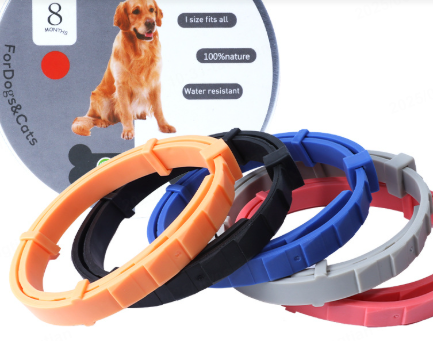
Proper Collar Maintenance
Regular Cleaning
Collars should be cleaned regularly to prevent buildup of dirt, oils, and bacteria. Most collars can be wiped down with a damp cloth, while some are machine – washable. Check the manufacturer’s care instructions to ensure proper maintenance.
Checking for Wear and Tear
Over time, collars can show signs of wear, such as frayed edges or weakened clasps. Inspect the collar periodically and replace it if any damage is found. A worn – out collar can fail when it’s needed most, compromising your pet’s safety.
Conclusion
A safe pet collar is an essential accessory that combines functionality with comfort. By considering adjustable features, durable materials, and specialized designs like breakaway or GPS – enabled options, pet owners can ensure their companions remain protected and comfortable. Taking the time to measure correctly and maintain the collar extends its lifespan and safeguards your pet’s well – being.
How to Purchase:https://looperbuy.com/search?keywords=safe+pet+collar
Frequently Asked Questions
Q: How do I know if my pet’s collar is too tight?
A: A collar is too tight if you cannot fit two fingers between it and your pet’s neck. Signs of a too – tight collar include difficulty breathing, constant scratching at the neck, and visible discomfort or distress in your pet.
Q: Are all pet collars suitable for all types of pets?
A: No, collars vary in design and functionality based on the pet’s species, size, and specific needs. For example, breakaway collars are often recommended for cats, whileMartingale collars are better suited for dogs that pull on walks.
Q: Can I leave a GPS tracking collar on my pet all the time?
A: Many GPS tracking collars are designed for continuous use, but it’s important to check the manufacturer’s guidelines. Some may require occasional removal for cleaning or battery charging, and extended wear can sometimes cause skin irritation.
Q: Are leather collars better than nylon collars?
A: The choice between leather and nylon depends on your pet’s needs and preferences. Leather offers a comfortable, classic look but may not be as durable or weather – resistant as nylon. Nylon is often more affordable and easier to clean but can sometimes cause irritation for pets with sensitive skin.
Q: How often should I replace my pet’s collar?
A: The frequency of replacement depends on the collar’s quality and your pet’s activity level. Generally, inspect the collar every few months for signs of wear such as fraying, rusted hardware, or faded reflective elements. Replace it at least annually to ensure safety and functionality.
Hot Tags: Safe Pet Collar; Pet Identification Accessories; Adjustable Pet Collar; Breakaway Cat Collar; Reflective Dog Collar; GPS Tracking Collar; Martingale Collar; Pet Collar Sizing Guide; Durable Pet Collar Materials; Pet Safety Gear