Table of Contents
The Global Impact of China’s Hair Manufacturing Industry
China’s dominance in hair product manufacturing is unrivaled, producing over 70% of the world’s human hair extensions, wigs, and toupees. From ethically sourced virgin hair to cutting-edge synthetic fibers, Chinese factories serve diverse markets, including beauty salons, medical clinics, and Hollywood studios. However, the industry’s rapid growth brings challenges like counterfeit products, ethical controversies, and complex logistics. This guide offers fresh insights into vetting suppliers, leveraging customization technologies, and aligning with sustainability trends to stand out in a competitive market.
Specialized Hair Factory Categories
Ethical Virgin Hair Sourcing
- Temple Hair vs. Donor Hair:
- Temple Hair: Collected from religious donations in India (e.g., Tirumala Temple), often certified by Fair Trade agreements.
- Commercial Donor Hair: Sourced from Brazil or Myanmar, requiring traceable documentation to ensure consent.
- Premium Grades: AAA (minimal processing) vs. A (silicone-treated) hair, with price differences of 30–50%.
High-Tech Synthetic Fiber Production
- Thermal Resistance: Fibers like Futura Kolon withstand 220°C styling tools, ideal for heat-friendly synthetic wigs.
- Eco-Friendly Alternatives: Plant-based fibers (e.g., banana or bamboo blends) gaining traction in EU markets.
Medical and Custom Solutions
- Scalp-Friendly Designs: Hypoallergenic lace frontals for alopecia patients.
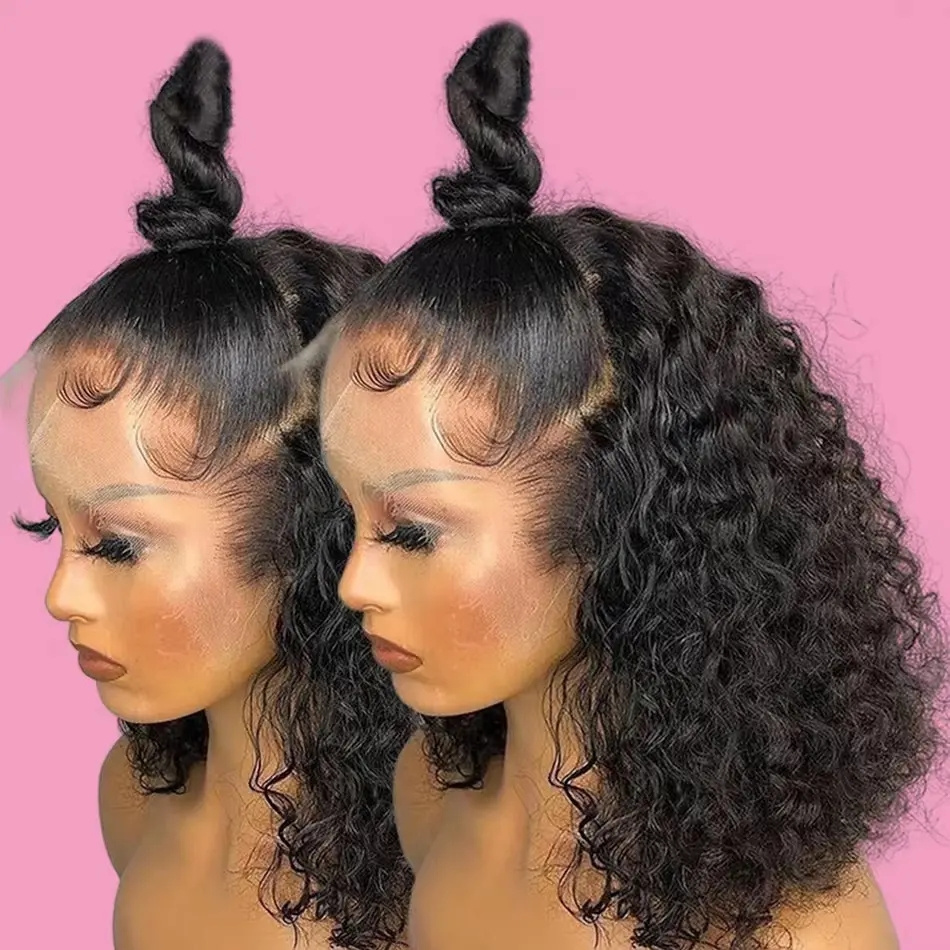
- Celebrity-Grade Units: Undetectable HD lace wigs with bleached knots for red-carpet aesthetics.
Next-Level Supplier Vetting Techniques
Ethical and Quality Certifications
- Fair Trade International: Ensures fair wages for hair donors and factory workers.
- ISO 45001: Validates occupational health and safety standards in factories.
- DNA Traceability: Advanced suppliers use blockchain to track hair from donor to final product.
Material Innovation and Testing
- Anti-Counterfeit Measures:
- Microchip Tags: Embedded in wefts to verify authenticity via smartphone apps.
- Chemical Fingerprinting: Lab tests to identify synthetic fibers disguised as human hair.
- Performance Testing:
- Tensile Strength: Human hair must withstand 80–100g force without breaking.
- Colorfastness: Synthetic hair tested for 50+ washes without fading.
Customization Technologies
- AI-Powered Design Tools: Apps like WigGenius allow customers to upload selfies for personalized wig recommendations.
- 3D Scalp Mapping: Medical factories create custom wig bases using 3D scans for chemotherapy patients.
Addressing Unique Industry Challenges
Ethical and Legal Risks
- Illegal Hair Harvesting: Reports of coerced donations in some regions. Solution: Partner with BSCI-certified factories and demand “chain of custody” documents.
- Greenwashing: Fake “organic” or “vegan” claims. Solution: Require certifications like GOTS or Vegan Society approval.
Quality and Logistics
- Hair Degradation in Transit: Humidity causing mold or odor. Solution: Vacuum-sealed packaging with oxygen absorbers and silica gel.
- Customs Scrutiny: Hair often flagged as biological material. Solution: Provide sterilization certificates and FDA/CE compliance reports.
Market Competition
- Copycat Designs: Fast-fashion brands replicating premium wig styles. Solution: Patent unique designs with CNIPA and use NFC tags for authentication.
Pioneering Trends Reshaping the Industry
Sustainability Breakthroughs
- Circular Hair Economy:
- Recycled Hair: Post-consumer hair repurposed into oil spill mats or fertilizer.
- Biodegradable Packaging: Mushroom-based foam replacing plastic inserts.
- Carbon-Neutral Production: Factories offset emissions via reforestation partnerships.
Tech-Driven Personalization
- AR Try-Ons: Apps like WIGAR overlay virtual wigs on live camera feeds.
- Example: Sephora’s AR tool increased wig sales by 40% in trials.
- Smart Wigs: Sensors monitor scalp health for medical users (e.g., temperature, pH levels).
Niche Market Expansion
- Gender-Neutral Lines: Androgynous styles targeting Gen Z consumers.
- Post-Chemotherapy Care: Partnerships with hospitals for insurance-covered wigs.
Conclusion
To thrive in China’s hair factory ecosystem, businesses must adopt innovative strategies—combining blockchain traceability, AI customization, and eco-conscious practices. By prioritizing ethical sourcing, rigorous testing, and niche market trends, brands can differentiate themselves in a crowded marketplace. Future leaders will be those who embrace technology to enhance transparency and sustainability while delivering unmatched personalization.
If you want to enjoy a one-stop cross-border procurement experience with easy sourcing and worry-free logistics,you can use looperbuy, a one-stop purchasing-logistics solution:https://looperbuy.com/
Related Questions & Answers
· How can I verify the ethical origin of virgin hair?
Request Fair Trade certificates, donor consent forms, and blockchain-based traceability reports from suppliers.
· What’s the difference between HD lace and regular lace?
HD lace is thinner (0.06mm) and melts into the scalp, while regular lace (0.08mm) requires makeup for concealment.
· Can I order synthetic wigs with pre-plucked hairlines?
Yes, many factories offer pre-plucked, bleached-knot units for a natural look at no extra MOQ.
· How do I prevent synthetic hair from tangling?
Choose factory-pre-treated fibers with anti-static coatings and provide customers with sulfate-free care kits.
· Are there factories producing wigs for cancer patients in China?
Yes, prioritize suppliers with ISO 13485 (medical devices) and partnerships with oncology hospitals.
Hot Tags: Ethical Virgin Hair Certification; AI Wig Customization; Medical-Grade Wigs; Blockchain Hair Traceability; Vegan Synthetic Hair; HD Lace Frontals; 3D Scalp Mapping; Circular Hair Economy; Gender-Neutral Hair Solutions.