Table of Contents
Introduction to the U.S. Athletic Wear Dropshipping Landscape
The U.S. athletic wear market, valued at over $120 billion in 2024, continues to thrive due to the fusion of fitness trends, athleisure culture, and consumer demand for sustainable, high-performance apparel. Dropshipping has emerged as a dominant model for entrepreneurs and e-commerce businesses seeking to capitalize on this growth without the risks of inventory management. Partnering with reliable suppliers is critical, but navigating the complexities of compliance, logistics, and market competition requires strategic insight. This guide provides a roadmap to identify top suppliers, optimize operations, and align with emerging trends shaping the industry.
Categories of Athletic Wear Dropshipping Suppliers
OEM/ODM Manufacturers
These suppliers specialize in custom production, offering:
- Performance-Driven Designs: Technical fabrics like moisture-wicking polyester, compression blends, and UV-protective materials.
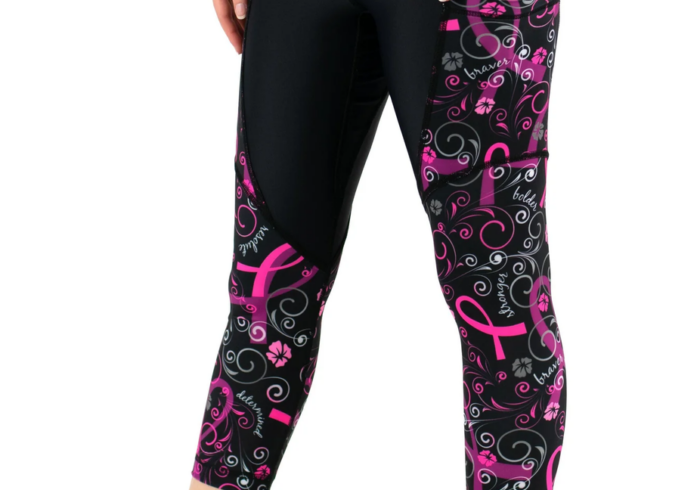
- Private Label Services: Custom-branded leggings, sports bras, and gym shorts with MOQs as low as 100 units.
- Certifications: Prioritize suppliers with OEKO-TEX Standard 100 (non-toxic textiles) or Fair Trade certifications.
Key Advantages:
- Speed-to-Market: Production cycles as short as 2–3 weeks for urgent orders.
- Scalability: Flexibility to adjust order volumes based on seasonal demand.
Wholesale Distributors
- Established Brands: Access to authorized reseller networks for brands like Nike or Lululemon (limited to pre-approved partners).
- Regional Warehouses: Suppliers with fulfillment centers in strategic U.S. hubs (e.g., Texas, New Jersey) enable 2–3 day shipping.
B2B Dropshipping Platforms
- 1688.com: A cost-effective platform for sourcing OEM suppliers in China, though Mandarin proficiency or a local agent is required.
- Global B2B Platforms: Specialized platforms connect retailers with vetted suppliers offering white-label solutions and automated order management.
Strategies for Building Successful Partnerships
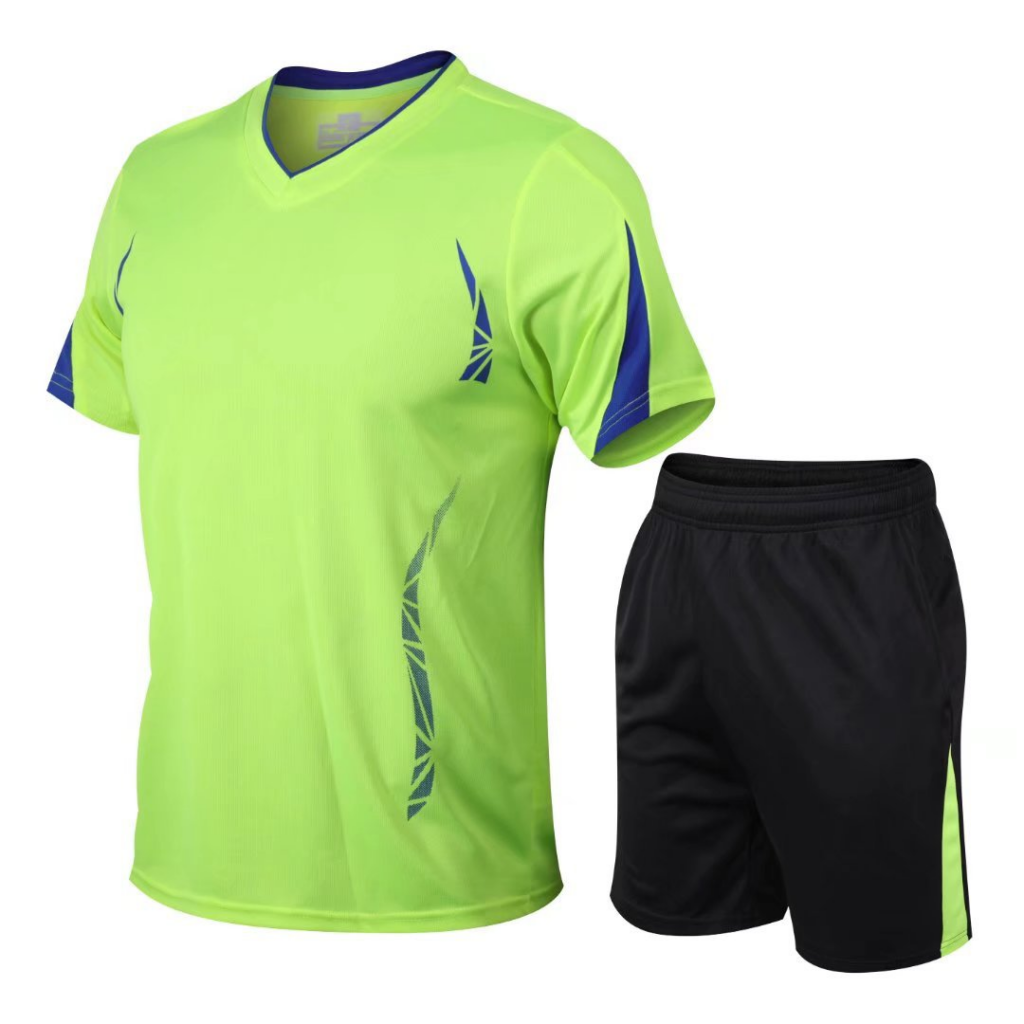
Supplier Verification and Compliance
Step 1: Regulatory and Ethical Compliance
- U.S. Standards: Ensure suppliers comply with FTC labeling rules (e.g., fiber content disclosures) and CPSIA safety regulations for children’s apparel.
- Ethical Audits: Verify SMETA (Sedex Members Ethical Trade Audit) or WRAP (Worldwide Responsible Accredited Production) certifications to ensure fair wages and safe working conditions.
Step 2: Product Quality Assurance
- Sample Testing: Evaluate:
- Durability: Conduct stretch tests on leggings and seam strength assessments.
- Performance: Test moisture-wicking efficiency and odor resistance in activewear.
- Colorfastness: Ensure fabrics retain color after repeated washes.
Step 3: Technology Integration
- Platform Compatibility: Partner with suppliers integrated with Shopify, WooCommerce, or DSers for real-time inventory updates and automated order processing.
Cost and Logistics Optimization
- Bulk Discounts: Negotiate 15–25% discounts for orders exceeding 500 units. Example: A 20/unitpricedropsto17/unit for 1,000+ orders.
- Eco-Friendly Materials: Use recycled polyester (from plastic bottles) or organic cotton to appeal to eco-conscious consumers and qualify for green certifications.
- Tariff Mitigation: Source from USMCA-compliant suppliers in Mexico for duty-free imports into the U.S.
Logistics Best Practices:
- Fast Shipping: Partner with suppliers offering 2-day USPS Priority or UPS Ground services.
- Returns Management: Opt for suppliers with prepaid return labels or third-party logistics (3PL) partnerships to streamline customer experiences.
- Branded Packaging: Use custom poly mailers or boxes with your logo to enhance unboxing experiences and brand recognition.
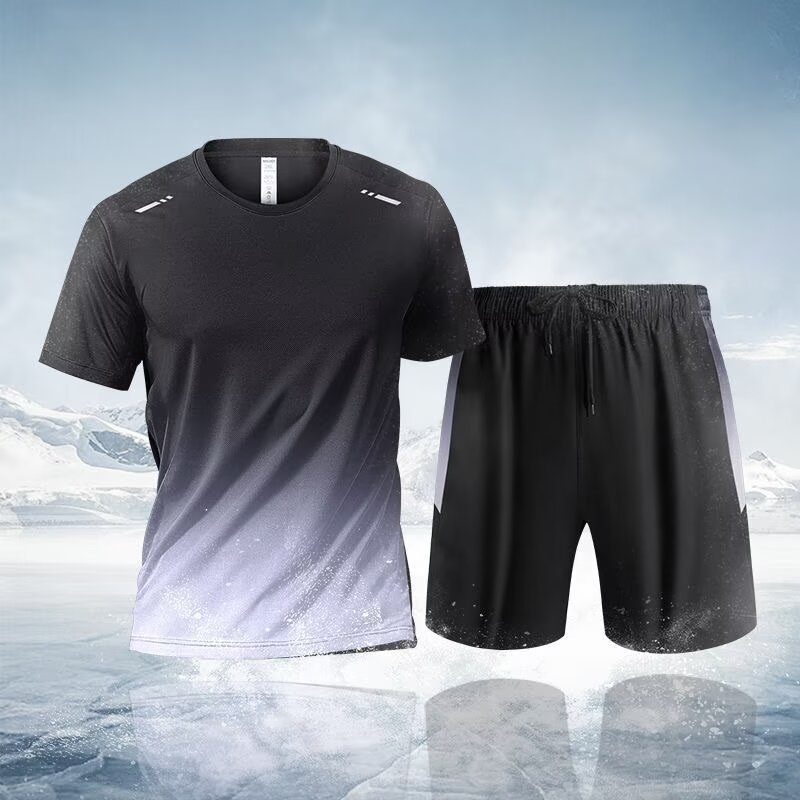
Challenges and Actionable Solutions
Quality Control Issues
- Inconsistent Sizing: Variations in garment measurements lead to high return rates. Solution: Provide detailed tech packs with tolerance limits (e.g., waistbands ±0.5 inches) and enforce pre-shipment inspections (PSI) via third-party agencies like QIMA.
- Fabric Defects: Pilling, shrinkage, or fading after minimal use. Solution: Source Grade A fabrics like Lycra® or Supplex nylon and require material certifications from mills.
Logistical Complexities
- Stockouts and Delays: Mismatches between supplier inventory and retailer demand. Solution: Use suppliers with real-time inventory syncing or adopt just-in-time (JIT) restocking agreements.
- Customs Bottlenecks: Delays due to incorrect HS codes or missing compliance documents. Solution: Work with suppliers that pre-screen shipments for FDA (e.g., antimicrobial claims) or CPSC compliance (e.g., children’s sleepwear flammability standards).
Market Competition
- Price Wars: Saturated niches like yoga leggings or gym shorts. Solution: Differentiate with limited-edition collections, eco-friendly lines, or bundle deals (e.g., sports bras + matching headbands).
- Counterfeit Products: Unauthorized replicas of patented designs. Solution: Partner with OEM suppliers for exclusive patterns or patented designs, and register trademarks with the USPTO.
Future Trends Redefining the Industry
Sustainability and Circular Fashion
- Closed-Loop Systems: Suppliers like Taiwan’s Far Eastern New Corporation recycle post-consumer textiles into new performance fabrics.
- Carbon-Neutral Operations: Factories adopting solar energy and carbon offset programs (e.g., reforestation initiatives in partnership with NGOs).
Technology-Driven Innovation
- AI-Powered Personalization: Chatbots analyze customer data to recommend sizes/styles. Example: A customer browsing running shorts receives suggestions based on past purchases.
- Virtual Try-Ons: AR apps allow customers to visualize how leggings or jackets fit using smartphone cameras.
Consumer-Centric Shifts
- Inclusive Sizing: Expanding size ranges to XXS–6X and offering adaptive wear for disabilities (e.g., magnetic closures for arthritis patients).
- Regional Demand: Tailoring products to local trends, such as moisture-wicking hijabs for Muslim athletes or UV-protective gear for Arizona’s climate.
Conclusion
The U.S. athletic wear dropshipping market offers immense opportunities but demands meticulous planning and adaptability. Success hinges on partnering with certified suppliers, integrating agile logistics, and aligning with trends like sustainability and AI-driven customization. By prioritizing quality, compliance, and consumer-centric innovation, businesses can carve out a competitive edge. Future leaders will be those who embrace circular fashion models, leverage smart technologies, and foster transparent, ethical supply chains.
How to Purchase:https://looperbuy.com/search?keywords=USA+Athletic+Wear+dropshipping+suppliers
Related Questions & Answers
· How do I verify a supplier’s compliance with U.S. safety standards?
Request CPSIA compliance certificates, check for FDA registration (if applicable), and review third-party lab test reports for flammability and chemical safety.
· What profit margins can I expect in athletic wear dropshipping?
Margins typically range from 30–60%, with higher margins on niche products like compression gear or eco-friendly collections.
· Can I dropship branded athletic wear without authorization?
No. Unauthorized resale of branded goods violates intellectual property laws. Focus on private-label partnerships with OEM suppliers.
· How do I handle high return rates due to sizing issues?
Implement AI sizing tools on your website, provide detailed size charts, and partner with suppliers offering free size exchanges.
· Are there U.S.-based suppliers with fast turnaround times?
Yes. Look for distributors with regional warehouses in states like Nevada or Pennsylvania, which offer 2–3 day shipping nationwide.
Hot Tags: USA Sportswear Suppliers; Eco-Friendly Activewear; Fast Shipping Solutions; Custom Apparel Manufacturers; Inclusive Sizing Trends; Dropshipping Compliance; Smart Fitness Clothing; Sustainable Fabric Innovations; Circular Fashion Models.