Children with special needs have unique playtime requirements. Special needs children’s toys are designed to address these requirements, promoting learning, development, and fun. This article explores the world of these toys, discussing their benefits, types, and how to choose the right ones for your child.
Table of Contents
The Benefits of Special Needs Children’s Toys
Promoting Development
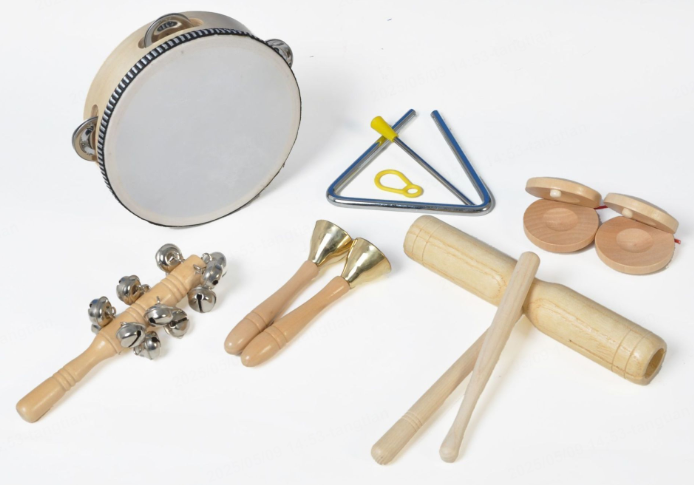
Special needs children’s toys can help promote various aspects of development. They can assist in the development of fine motor skills, which are essential for tasks such as writing, buttoning, and zipping. Toys like building blocks, puzzles, and lacing cards can help children strengthen their hand muscles and improve their dexterity.
These toys can also enhance cognitive development. They offer opportunities for problem-solving, memory enhancement, and attention-building. Educational toys such as shape sorters, counting games, and language development tools assist children in improving their academic skills in a fun and engaging way.
Enhancing Learning
Learning is a fundamental aspect of a child’s growth, and special needs children’s toys are designed to make this process enjoyable and effective. Toys that focus on letters, numbers, and colors can help children with special needs develop early literacy and numeracy skills. Interactive electronic toys that provide verbal encouragement and positive feedback can boost a child’s confidence and motivation to learn.
Encouraging Social Interaction
Social skills are essential for every child’s development, and special needs children’s toys can be instrumental in fostering these skills. Board games, cooperative play sets, and pretend play scenarios encourage children to interact with others, take turns, and understand social cues. For instance, a simple board game can teach children about waiting for their turn and responding to the actions of others, which are vital social skills.
Types of Special Needs Children’s Toys
Sensory Toys
Sensory toys are specifically designed to stimulate the senses and are particularly beneficial for children with autism or sensory processing disorders. These toys come in various forms, such as textured balls for tactile exploration, chewbeads for oral sensory input, Playfoam for creative manipulation, and Bilibo for balance and movement. They help children regulate their sensory input and develop a better understanding of their environment.
Fine Motor Skill Toys
Toys that promote fine motor skill development are essential for children who need to strengthen their hand and finger muscles. Building sets like LEGO, art supplies such as crayons and markers, and activity boards with buttons and zippers provide children with the practice they need to improve their dexterity and hand-eye coordination. These toys not only enhance motor skills but also build confidence in performing daily tasks.
Gross Motor Skill Toys
Gross motor skill toys encourage physical activity and movement, which are crucial for the overall development of children with special needs. Tricycles, balance boards, and outdoor play equipment like swings and climbing frames help children develop strength, coordination, and balance. These toys promote an active lifestyle and can be particularly beneficial for children with physical disabilities.
Language and Communication Toys
For children with speech and language delays or disabilities, language and communication toys can be incredibly valuable. Picture cards, communication boards, and electronic devices that facilitate language development provide children with alternative ways to express themselves and understand others. These toys can help bridge the communication gap and reduce frustration for both the child and their caregivers.
Adaptive Toys
Adaptive toys are designed to meet the needs of children with physical disabilities or limited mobility. They often feature large buttons, easy-to-grip handles, and switches that make them accessible to children with special needs. For example, a switch-adapted toy can be activated with a simple push of a button, allowing children with limited motor control to enjoy playtime and develop cause-and-effect understanding.
How to Choose the Right Special Needs Children’s Toys
Consider Your Child’s Needs and Interests
Every child with special needs is unique, and their toy preferences and requirements will vary accordingly. When selecting toys, it’s important to consider your child’s specific needs, interests, and abilities. A child with autism may benefit from sensory toys that provide calming input, while a child with cerebral palsy may require adaptive toys that are easy to grasp and manipulate. Observing your child’s play patterns and consulting with their therapist or teacher can provide valuable insights into which toys would be most beneficial.
Look for Quality and Safety
The quality and safety of the toys you choose are paramount. Ensure that the toys are made from non-toxic materials and are free from small parts that could pose a choking hazard. Look for toys that are durable and can withstand frequent use. Reading product reviews and checking for safety certifications can help you make informed decisions.
Read Reviews and Recommendations
Other parents and professionals can be excellent sources of information when it comes to selecting special needs children’s toys. Reading reviews and recommendations can help you discover toys that have been effective for children with similar needs. Online forums, social media groups, and specialized websites often provide detailed reviews and personal experiences that can guide your choice.
Where to Find Special Needs Children’s Toys
Online Retailers
The internet offers a vast array of options for purchasing special needs children’s toys. Online retailers such as Fat Brain Toys, eSpecialNeeds, and Hope for Special provide extensive catalogs of toys specifically designed for children with special needs. These websites often include detailed descriptions, customer reviews, and recommendations to help you find the perfect toy for your child.
Local Toy Stores
Don’t overlook the potential of local toy stores. Some stores carry a selection of adaptive and therapeutic toys, and shopping locally allows you to see and test the toys before making a purchase. Building a relationship with a local toy store owner can also provide you with personalized recommendations and insights.
Specialty Catalogs
Specialty catalogs dedicated to special needs children’s toys can be a treasure trove of options. These catalogs often feature toys that are not widely available in regular stores and provide in-depth information about each product. They can be requested by mail or accessed online, offering a convenient way to browse and order toys from the comfort of your home.
Conclusion
Special needs children’s toys are invaluable resources that support the developmental, educational, and recreational needs of children with special needs. They offer opportunities for sensory exploration, motor skill development, cognitive growth, and social interaction, all of which contribute to a child’s overall well-being and potential. By carefully considering your child’s individual needs and preferences, prioritizing quality and safety, and utilizing available resources such as online retailers, local stores, and specialty catalogs, you can select toys that will enrich your child’s playtime and support their journey toward achieving their full potential.
How to Purchase:https://looperbuy.com/search?keywords=special+needs+children%27s+toys
Related Questions and Answers
Q: How can I determine which special needs children’s toys are best for my child?
A: To determine the best toys for your child, start by identifying their specific needs, interests, and developmental goals. Consult with your child’s therapist or teacher for personalized recommendations and read reviews from other parents who have experience with similar toys. Observing your child’s responses to different types of toys can also provide valuable insights into what they find engaging and beneficial.
Q: Are special needs children’s toys more expensive than regular toys?
A: Special needs children’s toys can sometimes be more expensive due to their specialized design and features. However, there are many affordable options available, and some organizations offer financial assistance or toy lending libraries to help families access these toys without the full cost. It’s also worth checking for sales, discounts, and second-hand options to make these toys more accessible.
Q: Can special needs children’s toys be used by typically developing children as well?
A: Yes, many special needs children’s toys are designed with universal appeal and can be enjoyed by typically developing children as well. These toys often promote development and learning in a fun and engaging way, making them beneficial for all children. They can also foster inclusivity and understanding when used in settings where children of varying abilities play together.
Q: How can I encourage my child to play with special needs children’s toys?
A: Encourage your child to play with these toys by incorporating them into their daily routine and offering positive reinforcement. Start with toys that match your child’s current interests and abilities, and gradually introduce new toys as they become more comfortable. Demonstrate how to use the toys yourself and join in the play to make it a shared and enjoyable experience.
Q: Are there any organizations that provide special needs children’s toys for free or at a reduced cost?
A: Yes, several organizations are dedicated to providing special needs children’s toys at reduced costs or free of charge. Examples include the Toy Bank, the National Autism Resources Center, and the Special Needs Toy Foundation. These organizations often rely on donations and volunteers, and they provide a valuable service to families who may otherwise struggle to afford these specialized toys.
Hot Tags:Special Needs Children’s Toys;Children’s Toys For Special Needs;Best Toys For Special Needs Children;Sensory Toys;Fine Motor Skill Toys;Gross Motor Skill Toys;Language And Communication Toys;Adaptive Toys;Therapeutic Toys;Educational Toys