Nike has long been a trailblazer in athletic wear, merging cutting-edge technology with fashion-forward designs to cater to athletes and casual wearers alike. From moisture-wicking fabrics to adaptive smart apparel, Nike’s commitment to innovation has redefined how we perceive sportswear. This article explores the brand’s journey, key product lines, and the cultural impact of its athletic wear, offering insights into why Nike remains a global leader in the industry.
Table of Contents
The Legacy of Nike’s Athletic Wear
Historical Milestones
Nike’s athletic wear legacy began with its iconic “Just Do It” campaign in the 1980s, which emphasized empowerment and inclusivity. Collaborations with athletes like Serena Williams and Eliud Kipchoge further solidified its reputation for performance-driven apparel. For instance, the EK Umoja Collection (2023), inspired by marathoner Eliud Kipchoge, combined lightweight fabrics with marathon-specific functionality, celebrating both athleticism and cultural unity.
Cultural Impact
Nike’s designs transcend sports, influencing streetwear and high fashion. The Nike Tech Fleece series, known for its thermal insulation and sleek silhouette, became a staple in urban fashion, while collaborations with designers like Feng Chen Wang fused athletic utility with avant-garde aesthetics.
Technological Innovations in Nike Athletic Wear
Material Science
Nike’s fabric innovations prioritize performance and sustainability:
• “Dri-FIT Technology”: Moisture-wicking fabric keeps athletes dry during intense workouts.
• “Therma-FIT”: Insulating materials adapt to temperature changes, ideal for outdoor activities.
• “Recycled Materials”: Over 75% of Nike’s apparel now incorporates recycled polyester, reducing environmental impact.
Smart Apparel Integration
Nike’s foray into tech-integrated wear includes the Hyperice x Nike Boot and Vest (2024), featuring heat compression and thermoelectric cooling for enhanced recovery. Similarly, the Nike Adapt BB self-lacing sneakers use sensors to customize fit and support dynamically.
Key Product Lines and Their Features
Performance-Oriented Collections
• “Nike Pro”: Compression gear for high-intensity training, designed to reduce muscle fatigue.
• “Nike AeroSwift”: Lightweight, breathable fabrics with laser-cut ventilation for runners.
• “Nike Yoga Collection”: Stretchy, seamless designs for unrestricted movement, favored by yoga practitioners.
Lifestyle and Athleisure
• “Nike Sportswear Club Fleece”: A unisex hoodie line combining coziness with retro aesthetics.
• “Nike SB Skateboarding Apparel”: Durable, abrasion-resistant materials tailored for skate culture.
Market Trends and Consumer Preferences
Rise of Athleisure
The blending of athletic and casual wear has driven demand for versatile pieces like the “Nike 24.7 Series”, which integrates zero-interference designs for both workouts and daily wear.
Gender-Specific Innovations
Nike’s Women’s Global Night Run Series (2025) and After Dark Tour reflect a focus on female empowerment, offering apparel like the Air Max Muse sneakers, which combine arch support with bold, feminine designs.
Retro Revival
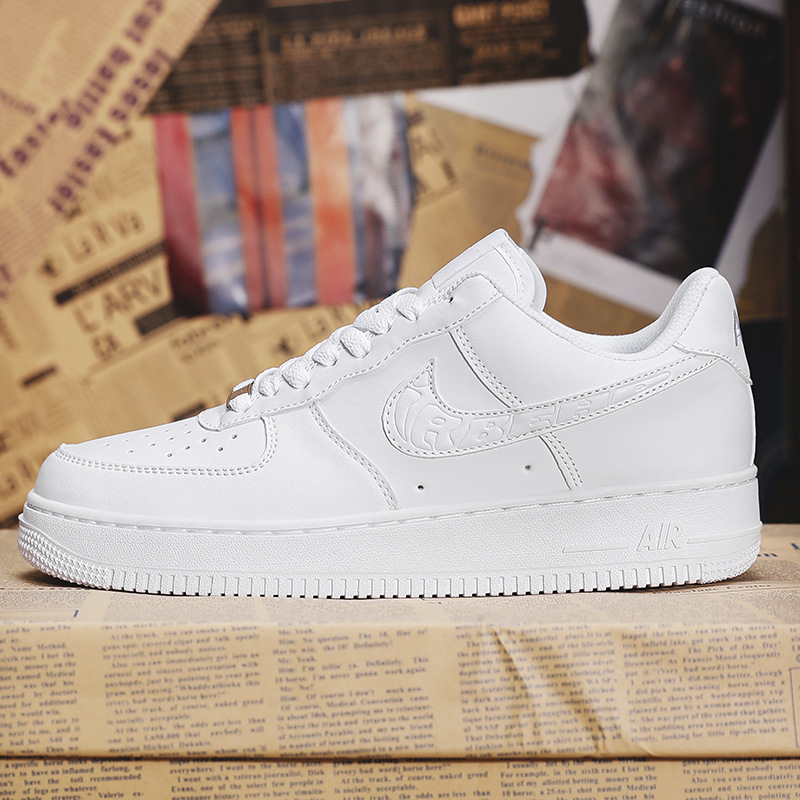
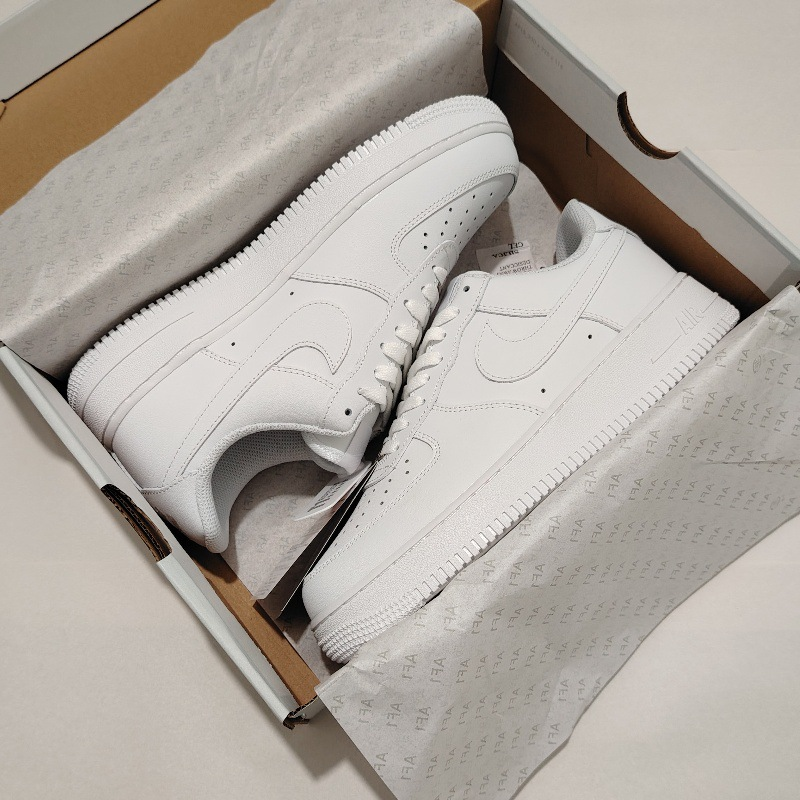
Nostalgia-driven trends have revived classics like the Air Force 1 “NY vs NY” (2025), featuring asymmetrical Swoosh logos and city-inspired color transitions.
Sustainability and Ethical Practices
Nike’s Move to Zero initiative aims for carbon neutrality by 2030. Key efforts include:
• “Flyleather Technology”: Made from 50% recycled leather, reducing waste.
• “Waterless Dyeing”: Cuts water usage by 60% in fabric production.
• “Circular Design”: Programs like Nike Grind repurpose old sneakers into playground surfaces.
The Future of Nike Athletic Wear
Upcoming trends include AI-driven customization through the Nike By You platform and expansion into adaptive clothing for diverse body types. Partnerships with tech firms hint at AR-integrated shopping experiences, allowing virtual try-ons via the “SNKRS app”.
Conclusion
Nike athletic wear continues to dominate through relentless innovation, cultural relevance, and sustainability. By balancing performance needs with fashion trends, Nike not only outfits athletes but also shapes global sportswear culture.
How to Purchase:https://looperbuy.com/search?keywords=nike++wear
5 Key Questions & Answers
· What makes Nike Dri-FIT technology unique?
Dri-FIT uses hydrophobic fibers to wick sweat away from the skin, keeping athletes dry during intense workouts. It’s engineered for breathability and quick drying.
· How does Nike support female athletes through its apparel?
Nike designs gender-specific fits, such as high-waisted leggings with reinforced seams, and hosts events like the Women’s Global Night Run to promote inclusivity.
· What are the price ranges for Nike’s premium athletic wear?
High-performance lines like the Hyperice x Nike Boot or limited-edition Air Jordan XII range from $200 to over $1,000, depending on materials and exclusivity.
· How does Nike incorporate sustainability into its products?
The brand uses recycled polyester in 75% of apparel, adopts waterless dyeing, and offers recycling programs like Nike Grind.
· What retro Nike styles are trending in 2025?
The Air Max 97 “Zero Gravity” and Air Force 1 “NY vs NY” are popular for their vintage-inspired designs and modern color palettes.
Hot Tags:
Nike Sportswear Trends; Sustainable Athleticwear Tech; Nike Dri-FIT Innovations; Retro Nike Collections; Nike Women’s Activewear; Athleisure Fashion; Nike Tech Fleece Series; Smart Sportswear Integration; Eco-Friendly Nike Apparel.