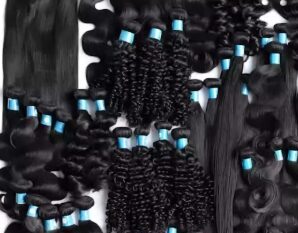
China’s dominance in the global hair industry is unmatched, driven by its ability to deliver high-quality products at competitive prices. From virgin human hair extensions to synthetic wigs, Chinese suppliers cater to diverse markets, including Africa, North America, and Europe. This article explores the ecosystem of China’s budget-friendly hair suppliers, focusing on key regions, sourcing strategies, challenges, and emerging trends to help businesses maximize value while minimizing risks.
Table of Contents
The Global Impact of China’s Hair Industry
China’s hair industry, valued at $4.2 billion in 2023, supplies over 80% of the world’s wigs, extensions, and hairpieces. The country’s competitive edge stems from three pillars:
- Cost Efficiency: Labor and production costs in China are 40–60% lower than in Western countries.
- Scalability: Integrated supply chains enable rapid production of bulk orders, often within 10–15 days.
- Innovation: Advanced dyeing techniques, synthetic fiber R&D, and sustainable material adoption keep China ahead of global trends.
Key Regions and Supplier Clusters
1. Xuchang, Henan: The “Wig Capital of the World”
Xuchang, a city in Henan Province, produces over 60% of the world’s wigs and hair extensions. The region’s vertically integrated supply chain includes:
• “Raw Material Sourcing”: Partnerships with hair collectors in Brazil, India, and Mongolia ensure a steady supply of virgin human hair.
• “Processing Facilities”: Over 200 factories specialize in bleaching, dyeing, and heat-resistant treatments.
• “Export Networks”: Suppliers here offer bulk orders of Brazilian straight hair bundles starting at $25–$35/piece, with MOQs as low as 50 units.
Case Study: A Nigerian retailer reduced procurement costs by 50% by sourcing from Xuchang’s suppliers, achieving a 200% profit margin on synthetic wigs sold locally.
2. Guangzhou: Fast Fashion and Innovation Hub
Guangzhou’s wholesale markets are renowned for trendy, low-cost hair extensions. Key innovations include:
• “Japanese Futura Fibers”: Heat-resistant synthetic blends mimic natural hair textures at $5–$8/kg.
• “3D-Printed Hairlines”: Customizable lace frontals for wigs, priced at $10–$15/unit, cater to the booming protective styling market.
3. Shandong and Zhejiang: Sustainable and Custom Solutions
• “Shandong’s Eco-Friendly Practices”: Factories use recycled PET fibers from plastic bottles to create synthetic hair products, reducing costs by 20%.
• “Zhejiang’s Silk-Blend Expertise”: Suppliers combine mulberry silk with human hair for luxury extensions ($80–$120/piece), targeting high-end salons in Europe.
Strategies for Budget-Friendly Sourcing
1. Leverage Domestic Wholesale Networks
China’s domestic wholesale ecosystems offer unmatched pricing (often 30–50% below international platforms) by eliminating cross-border fees. For example:
• “Flexible MOQs”: Suppliers accept orders as low as 1–10 units for testing.
• “Regional Clusters”: Access specialized hubs like Xuchang for wigs or Guangzhou for synthetic fibers.
Pro Tip: Use third-party agents to negotiate prices, consolidate shipments, and manage quality inspections.
2. Optimize Supplier Verification
• “Certifications”: Prioritize suppliers with ISO 9001 (quality management) and GRS (Global Recycled Standard) certifications.
• “Blockchain Traceability”: Platforms with blockchain integration allow buyers to track hair from raw material to final product, ensuring ethical sourcing.
3. Hybrid Sourcing Models
Combine bulk orders from large factories with smaller, customized batches from niche suppliers. For example:
• “Bulk Procurement”: Order 500 synthetic wigs at $8/unit from a Xuchang factory.
• “Custom Add-Ons”: Source 50 silk-blend extensions from Zhejiang for premium clients.
Challenges and Mitigation Strategies
1. Quality Control Risks
• “Common Issues”: Inconsistent hair textures, color mismatches, or synthetic fibers degrading below advertised heat resistance (e.g., 150°C vs. 180°C).
• “Solutions”: • Request pre-shipment samples and third-party inspections (e.g., SGS). • Use platforms offering escrow payments, releasing funds only after quality confirmation.
2. Logistical Complexities
• “Tariffs and Duties”: Shipping to the U.S. incurs 6–12% tariffs on hair products. Use DDP (Delivered Duty Paid) terms to simplify costs.
• “Shipping Delays”: Consolidate orders through freight forwarders to reduce costs by 25–30%.
3. Cultural and Communication Barriers
• “Negotiation Tactics”: Chinese suppliers prioritize long-term relationships. Start with smaller orders to build trust before negotiating bulk discounts.
• “Language Support”: Hire bilingual sourcing agents or use platforms with built-in translation tools.
Market Trends Driving Demand
1. Africa’s “Black Gold” Boom
Africa imports $1.2 billion worth of hair products annually from China, driven by:
• “Affordable Synthetics”: Low-cost wigs ($10–$20/piece) cater to Nigeria’s $600 million hair market.
• “E-Commerce Growth”: Platforms like Jumia enable SMEs to resell Chinese products with 70–100% markups.
2. Protective Styling Revolution
The global hair weave market, projected to reach $4.02 billion by 2033, thrives on:
• “Clip-Ins and Pre-Braided Hair”: Sold at $1.50–$5/unit, these products dominate TikTok-driven trends.
• “Custom Color Matching”: Suppliers offer RGB color codes for salon-exclusive shades.
3. Medical and Theatrical Demand
• “Hypoallergenic Wigs”: FDA-approved products for alopecia patients ($58–$116/piece) grew 45% post-pandemic.
• “Film and Theater”: Heat-resistant fibers are used in prosthetics for Hollywood productions.
Future Outlook
1. AI and Automation
Smart factories in Dongguan use AI-powered pattern-cutting machines, reducing material waste by 15% and delivery times to 10 days.
2. Sustainability Initiatives
• “Circular Economy Models”: Suppliers like Wenzhou Tiancheng transform 10,000 tons of recycled PET bottles annually into synthetic hair.
• “Carbon-Neutral Logistics”: Cainiao’s electric delivery fleet aims to cut emissions by 50% by 2025.
3. Emerging Market Expansion
• “Southeast Asia”: Partnerships with Lazada and Shopee enable direct-to-consumer sales in Indonesia and Thailand.
• “Latin America”: MercadoLibre collaborations help suppliers tap Brazil’s $300 million beauty market.
Conclusion
China’s budget hair suppliers offer unparalleled cost advantages, but success requires strategic planning. By leveraging domestic wholesale networks, prioritizing supplier verification, and staying ahead of trends like AI and sustainability, businesses can tap into this $4.2 billion industry. Whether sourcing synthetic wigs for African markets or luxury extensions for European salons, China’s ecosystem delivers scalability, innovation, and value.
If you want to do ordering directly without registering 1688(a China’s high-quality goods platform), you can use looperbuy, a one-stop purchasing-logistics solution:https://looperbuy.com/
FAQs
• How can I find reliable hair suppliers in China without high MOQs?
Domestic wholesale platforms and niche B2B networks offer flexible order sizes (1–10 units) with agent support for quality assurance.
• What certifications should I look for in hair suppliers?
Prioritize ISO 9001, FDA, and GRS certifications. Blockchain traceability adds transparency.
• How do I avoid shipping delays from China?
Use consolidated shipping services and choose suppliers near major ports like Shenzhen or Shanghai.
• Are sustainable hair products more expensive?
Recycled PET blends cost 10–15% less than virgin synthetics, making eco-friendly options both affordable and trendy.
• What’s the best payment method for bulk orders?
Escrow services secure transactions, while Letters of Credit (LCs) are ideal for orders over $50,000.
Hot Tags:Budget Virgin Hair Extensions Bulk; Synthetic Wig Wholesale Pricing; Affordable Human Hair Vendors; Customizable Lace Front Wigs; Heat-Resistant Hair Bundles Cheap; Wholesale Hairpiece Supplier Lists; Low-Cost Pre-Bleached Hair; Bulk Clip-In Extensions Direct; Eco-Friendly Recycled Hair Products