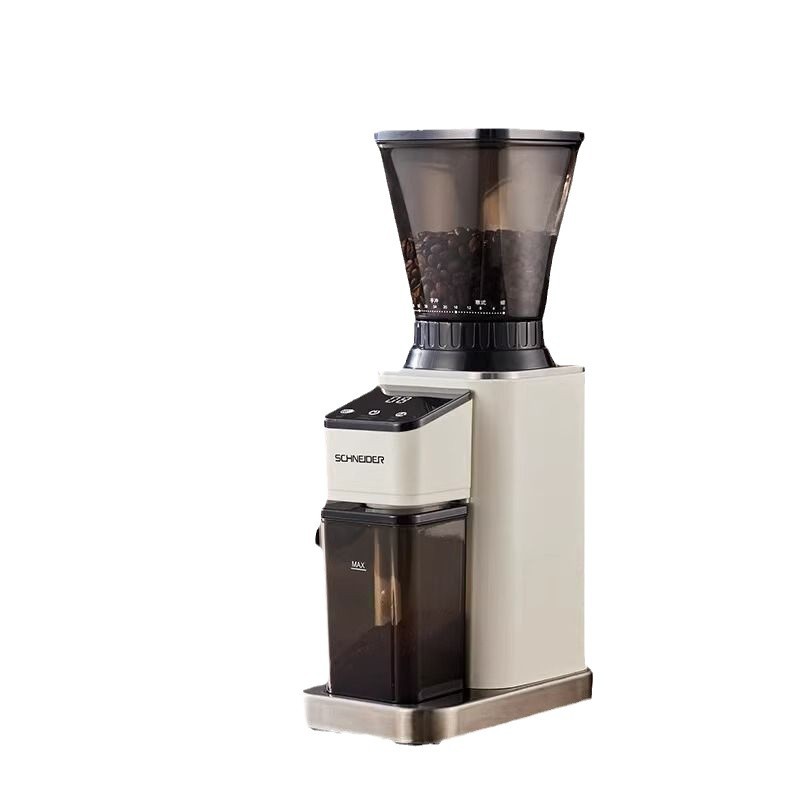
France’s small electrical appliances market is a dynamic landscape shaped by innovation, sustainability, and evolving consumer preferences. From kitchen gadgets like air fryers and coffee makers to personal care devices such as hair dryers and electric toothbrushes, the sector thrives on technological advancements and cultural trends. This article explores the intricacies of purchasing small electrical appliances in France, covering market trends, purchasing channels, regulatory requirements, and strategic insights for consumers and businesses.
Table of Contents
Market Overview: Key Trends and Consumer Behavior
Growth and Market Size
The French small electrical appliances market has demonstrated steady growth, driven by rising disposable incomes and a preference for energy-efficient, smart devices.
Consumer Preferences
French consumers prioritize “quality, design, and sustainability”. For instance, energy-efficient appliances with EU energy labels (e.g., A+++ ratings) are increasingly popular. Additionally, products aligned with eco-friendly initiatives, such as recyclable packaging and reduced carbon footprints, resonate strongly with younger demographics.
Where to Buy Small Electrical Appliances in France
Online Marketplaces
- CdiscountAs France’s largest e-commerce platform, Cdiscount dominates sales of electronics and small appliances. It offers competitive pricing, localized logistics (including FBC warehousing), and a wide range of products, from budget-friendly options to premium brands.
- Fnac DartyA hybrid retailer combining online and offline channels, Fnac Darty specializes in electronics and home appliances. Its curated selection emphasizes high-end products, such as smart kitchen devices and connected home gadgets.
- Amazon FranceAmazon’s localized platform caters to French consumers with fast delivery, multilingual support, and a vast inventory. Its subscription services (e.g., Prime) enhance convenience for repeat buyers.
Specialized Retailers
• Boulanger and “Darty”: These chains focus on household appliances, offering in-store expertise and extended warranties.
• “La Redoute”: A fashion-centric platform expanding into home electronics, ideal for stylish, compact appliances.
Secondhand and Discount Platforms
• “LeBoncoin”: France’s equivalent of eBay, popular for refurbished or lightly used appliances.
• “Vente-Privée”: A flash-sale site offering discounted branded items during seasonal promotions.
Regulatory and Compliance Considerations
Electrical Standards and Safety
Appliances sold in France must comply with “EU directives”, including:
• “Low Voltage Directive (LVD)”: Ensures electrical safety.
• “CE Marking”: Indicates conformity with health, safety, and environmental standards.
• “RoHS Compliance”: Restricts hazardous substances like lead and mercury.
Packaging and Recycling Laws
France’s Extended Producer Responsibility (EPR) regulations mandate:
• “Triman Logo”: All packaging must display this recycling symbol alongside disposal instructions.
• “Battery Recycling”: Products containing batteries require the “crossed-bin” logo and adherence to DEEE/WEEE guidelines.
Emerging Trends Shaping the Market
Smart Home Integration
Connected appliances, such as Wi-Fi-enabled coffee makers and voice-controlled air purifiers, are gaining traction. Brands like Moulinex and SEB are integrating IoT capabilities to enhance user convenience.
Sustainability-Driven Innovation
• “Circular Economy Models”: Brands like Electrolux offer appliance leasing and refurbishment programs.
• “Energy Efficiency”: Solar-powered gadgets and appliances with “eco-mode” settings appeal to eco-conscious buyers.
Premiumization
High-end brands like De’Longhi and Philips dominate the luxury segment, focusing on aesthetics and multifunctionality. For example, espresso machines with customizable brewing profiles cater to gourmet coffee enthusiasts.
Opportunities for International Sellers
Leveraging E-Commerce Platforms
Cross-border sellers can partner with Cdiscount or Fnac Darty to access France’s tech-savvy consumer base. Localized marketing (e.g., French-language product descriptions) and compliance with VAT regulations are critical.
Navigating Cultural Preferences
• “Design-Centric Products”: Minimalist aesthetics align with French tastes.
• “Localized Customer Support”: Offering warranties and French-speaking helplines builds trust.
Competitive Pricing Strategies
While French consumers value quality, price sensitivity persists. Sellers can differentiate through bundle deals (e.g., free accessories) or loyalty programs.

Conclusion
The French small electrical appliances market offers lucrative opportunities for both domestic and international players. Success hinges on understanding regulatory frameworks, aligning with sustainability trends, and leveraging omnichannel retail strategies. As consumer demand for smart, eco-friendly devices grows, businesses that prioritize innovation and compliance will thrive in this competitive landscape.
How to Purchase: https://looperbuy.com/search?keywords=France+small+electrical+appliances+purchase
Related Questions and Answers
· What are the most popular small electrical appliances in France?
Kitchen gadgets like air fryers, espresso machines, and blenders dominate sales, driven by France’s culinary culture. Personal care devices, such as hair straighteners and electric toothbrushes, are also highly sought after.
· Which e-commerce platforms are best for purchasing appliances in France?
Cdiscount and Amazon France offer the widest product ranges, while Fnac Darty excels in premium electronics. For refurbished items, LeBoncoin is a top choice.
· How does France’s EPR regulation impact appliance sellers?
Sellers must ensure packaging displays the Triman logo and provides recycling instructions. Non-compliance risks fines up to €100,000 or legal penalties.
· What challenges do international brands face in the French market?
High competition from local brands, stringent EU regulations, and the need for localized marketing are key hurdles. Additionally, consumers prioritize after-sales support and warranty services.
· Are French consumers willing to pay more for sustainable appliances?
Yes, particularly among younger demographics.