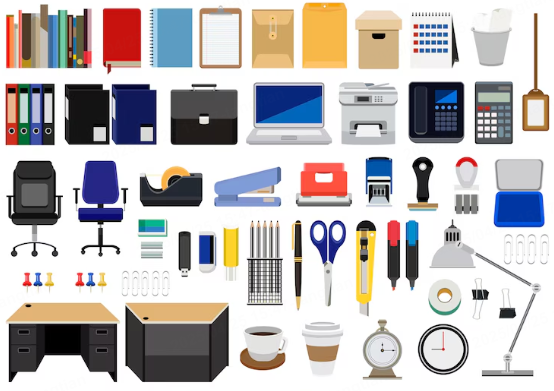
In the fast-paced modern office environment, the role of stationery office equipment cannot be underestimated. From pens and paper to advanced office machines, these tools not only support daily operations but also significantly impact work efficiency and quality. This article delves into the world of stationery office equipment, exploring its categories, functions, selection tips, and maintenance methods to help you make informed purchasing decisions and maximize the value of office supplies.
Table of Contents
The Importance of Stationery Office Equipment
Stationery office equipment serves as the backbone of office operations. It ensures smooth workflow processes and enhances employees’ work experience. High-quality stationery supplies, such as comfortable writing tools and organized storage solutions, can boost employees’ enthusiasm and creativity. Meanwhile, efficient office equipment, like printers and copiers, streamlines tasks and reduces time costs, enabling businesses to achieve higher productivity and greater success in a competitive market.

Common Types of Stationery Office Equipment
Stationery Supplies
- Writing Tools: Pens, pencils, markers, highlighters, etc., are the most basic writing tools in offices. They come in various types and brands to meet different writing needs and preferences.
- Paper Products: Including office paper, notebooks, notepads, sticky notes, etc. Office paper is essential for printing and copying, while notebooks and notepads facilitate note-taking and idea recording.
- Binding Supplies: Staples, staplers, hole punches, binding machines, etc., are used for organizing and binding documents, ensuring their neatness and integrity.
- Storage Supplies: Filing cabinets, document trays, storage boxes, etc., help store and manage office supplies and documents, improving office organization and efficiency.
Office Equipment
- Printers: Capable of printing documents and images, printers are one of the most commonly used office devices. They come in various types, such as inkjet printers, laser printers, and multifunction printers, which offer printing, copying, scanning, and faxing capabilities.
- Copiers: Primarily used for copying documents, copiers feature fast copying speeds and high-quality output, meeting businesses’ large-volume copying needs.
- Fax Machines: Though less commonly used today, fax machines remain important for transmitting documents between businesses, especially in formal and legal contexts.
- Scanners: Convert physical documents or images into digital formats for easy editing, storage, and transmission. Scanners are widely used in offices for digitizing materials.
- Shredders: Safely dispose of confidential documents to protect business and customer information from leakage. Shredders are critical tools for maintaining office security.
Factors to Consider When Selecting Stationery Office Equipment
Quality
Quality is a key factor in choosing stationery office equipment. High-quality writing tools ensure smooth writing and vibrant colors, while durable paper products and binding supplies enhance document usability and longevity. For office equipment, reliability and stability are crucial. Devices with superior quality can operate efficiently over long periods, reducing downtime and repair costs.
Needs
Assess your office’s specific needs to select appropriate stationery office equipment. For example, a small office may require a compact multifunction printer, whereas a large enterprise might need high-speed commercial printers and copiers. Similarly, choose the type and quantity of stationery supplies based on employees’ daily usage to avoid waste or shortages.
Budget
Stationery office equipment varies in price. When selecting products, consider your office’s budget constraints. Balance quality and cost to choose cost-effective options. For high-priced office equipment, you can also explore leasing options to reduce initial expenses.
Brand
Well-known brands typically offer higher-quality products and better after-sales services. When purchasing stationery office equipment, prioritize reputable brands to ensure reliability and access to timely technical support and maintenance services. This minimizes usage risks and losses.
Supplier Services
Choose suppliers that provide comprehensive services, such as timely delivery, free installation and调试, after-sales maintenance, and product recycling. Excellent supplier services can ensure a smooth purchasing process and hassle-free usage of stationery office equipment.
Maintenance and Management of Stationery Office Equipment
Daily Maintenance
- For stationery supplies, ensure proper storage to avoid damage or deterioration. For example, store writing tools in dry environments to prevent ink drying out or leakage, and keep paper products neat and protected from moisture to prevent curling or mold.
- For office equipment, regularly clean the exterior to remove dust and dirt, which can affect device performance and lifespan. Additionally, follow the user manual for basic maintenance tasks, such as replacing printer ink or toner cartridges and cleaning scanner glass.
Proper Usage
- Educate employees on the correct use of stationery office equipment to avoid improper operations that may cause damage. For instance, avoid excessive force when using staplers or binding machines, and follow proper procedures when operating printers and copiers.
- Establish equipment usage guidelines to regulate usage time and priority, preventing overuse or misuse that could lead to equipment failures.
Inventory Management
- Maintain an inventory of stationery supplies, regularly updating records of stock levels and usage. This enables timely procurement and restocking, ensuring a steady supply of stationery items in the office.
- Implement a check-out system for office equipment, tracking usage by individuals and departments. This helps monitor equipment utilization and ensures timely maintenance and repairs when issues arise.
The Future Trends of Stationery Office Equipment
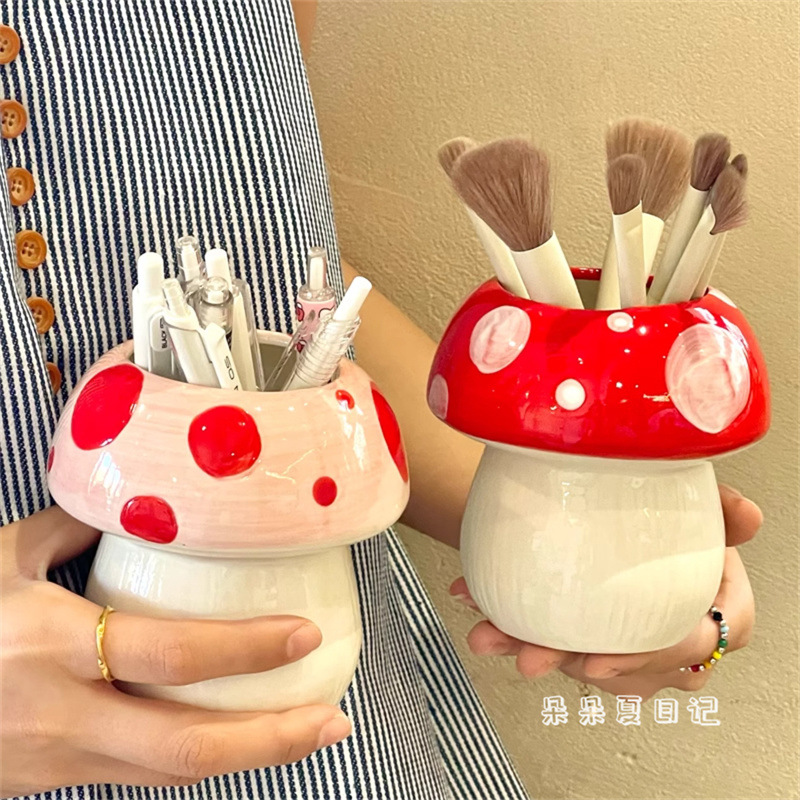
With technological advancements and evolving office needs, stationery office equipment is constantly evolving. Environmentally friendly and sustainable stationery supplies are gaining popularity, such as recycled paper products and eco-friendly writing tools, which reduce environmental impact while meeting office needs. Office equipment is becoming increasingly intelligent and automated, with features like smart printing and remote control, improving efficiency and convenience. Additionally, the integration of stationery office equipment with digital technologies, such as paperless offices and digital signatures, is reshaping traditional office workflows, driving offices toward greater efficiency and modernization.
Conclusion
Stationery office equipment plays a vital role in office operations. Selecting high-quality, suitable stationery supplies and equipment and implementing proper maintenance and management can enhance work efficiency and quality while reducing costs. As office needs and technologies evolve, staying updated on the latest trends in stationery office equipment and embracing innovative solutions will help businesses adapt to changing demands and achieve greater success.
How to Purchase:https://looperbuy.com/search?keywords=stationery+office
Frequently Asked Questions
Q1: How can I choose the right printer for my office?
A1: Consider factors such as your office’s size, printing volume, budget, and printing needs. For small offices with moderate printing demands, a multifunction inkjet printer is a cost-effective option. For medium to large offices with high-volume printing needs, laser printers or multifunction laser devices are more suitable. Additionally, compare printer specifications, such as print speed, resolution, and connectivity features, across brands and models to select the best option for your office.
Q2: How can I extend the lifespan of office equipment?
A2: Regular maintenance is key to prolonging the lifespan of office equipment. Clean the equipment regularly, ensure proper ventilation in the operating environment, and use genuine consumables such as ink cartridges and toner. Schedule periodic professional inspections and maintenance to identify and address potential issues early. Additionally, avoid overloading equipment and follow operational guidelines to prevent malfunctions caused by improper use.
Q3: How can I control costs when purchasing stationery office equipment?
A3: Develop a detailed procurement plan based on your office’s actual needs to avoid unnecessary purchases. Compare prices and quality from multiple suppliers to select cost-effective products. Consider purchasing bulk stationery supplies or opting for leasing agreements for expensive office equipment to reduce expenses. Additionally, implement strict management protocols for stationery office equipment usage to minimize waste and misuse.
Q4: How can I ensure the security of documents during the procurement and use of office equipment?
A4: When purchasing office equipment, prioritize devices with robust security features, such as document encryption and access controls. Establish comprehensive document management policies that regulate processes for document creation, storage, transmission, and disposal. Train employees on document security awareness to enhance their vigilance and proper handling of confidential documents. Regularly update and maintain security measures to safeguard against potential risks.
Q5: How can I reduce environmental impact when using stationery office equipment?
A5: Choose eco-friendly stationery office equipment, such as recycled paper products, soy-based ink pens, and energy-efficient printers and copiers. Encourage employees to adopt environmentally friendly practices, such as double-sided printing and reusing paper. Properly dispose of or recycle used office equipment and consumables to minimize environmental harm. Promote a paperless office culture by leveraging digital tools and technologies to reduce reliance on paper-based stationery supplies.