Table of Contents
Introduction
In today’s global economy, sourcing products from China has become a popular strategy for businesses looking to reduce costs and expand their product offerings. The Chinese wholesale market is vast and diverse, providing access to a wide range of goods at competitive prices. However, successfully navigating this market requires knowledge of various processes, from finding reliable suppliers to managing logistics and understanding cultural nuances. This article serves as a comprehensive guide for entrepreneurs and business owners interested in ordering wholesale products from China.
Understanding the Chinese Wholesale Market
The Appeal of Sourcing from China
China is known as the “world’s factory” due to its extensive manufacturing capabilities. The benefits of sourcing products from China include:
- Cost-Effectiveness: Lower production costs allow businesses to purchase goods at significantly lower prices compared to local suppliers.
- Diverse Product Range: From electronics to textiles, almost any product can be sourced from China, catering to a wide array of business needs.
- Scalability: Many Chinese suppliers offer flexible minimum order quantities (MOQs), making it easier for small and medium-sized enterprises (SMEs) to scale their operations.
Challenges in the Chinese Wholesale Market
While there are numerous advantages, there are also challenges that businesses may face when sourcing from China:
- Quality Control: Ensuring product quality can be difficult, especially when dealing with unfamiliar suppliers.
- Language Barriers: Communication issues may arise due to language differences, complicating negotiations and order placements.
- Logistical Complexities: Shipping and customs clearance can be intricate processes that require careful planning and management.
Finding Reliable Suppliers
Researching Suppliers
The first step in sourcing products from China is finding reliable suppliers. Here are some effective methods:
- Online Marketplaces: Platforms like Alibaba, 1688.com, and Made-in-China.com are popular for connecting buyers with suppliers. Each platform has its strengths; for example, 1688.com often offers lower prices but is primarily in Chinese.
- Trade Shows: Attending trade shows such as the Canton Fair allows businesses to meet suppliers face-to-face, fostering trust and enabling direct negotiations.
- Sourcing Agents: Hiring a sourcing agent can simplify the process. These professionals have local expertise and can help identify trustworthy suppliers while managing communication barriers.
Evaluating Suppliers
Once potential suppliers are identified, it’s crucial to evaluate them thoroughly:
- Check Credentials: Verify supplier credentials, including business licenses and certifications.
- Request Samples: Always request samples before placing large orders. This allows you to assess product quality firsthand.
- Read Reviews: Look for feedback from other buyers regarding their experiences with the supplier.
Quality Control Measures
Implementing Quality Assurance Protocols
Quality control is vital when sourcing from China. Here are some strategies to ensure product quality:
- Third-Party Inspections: Consider hiring third-party inspection services to conduct quality checks before shipment.
- Supplier Audits: Regularly audit your suppliers’ facilities to ensure they adhere to quality standards.
- Contracts with Quality Clauses: Include specific quality requirements in your contracts with suppliers to protect your interests.
Managing Logistics
Shipping Options
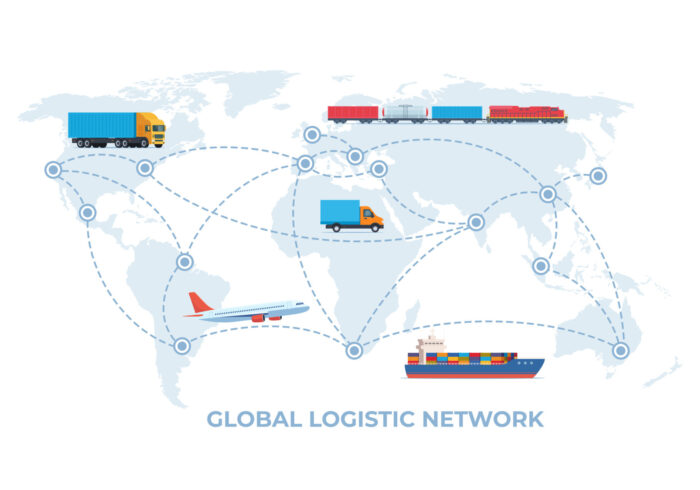
Efficient logistics management is crucial for timely delivery. Consider the following shipping options:
- Air Freight: Ideal for smaller orders or time-sensitive shipments, though it tends to be more expensive.
- Sea Freight: More cost-effective for larger shipments but requires longer transit times.
- Express Services: Companies like DHL or FedEx can provide expedited shipping options for urgent orders.
Customs Clearance
Navigating customs regulations is essential when importing goods:
- Documentation: Ensure all necessary documents are prepared, including invoices, packing lists, and certificates of origin.
- Duties and Tariffs: Be aware of any applicable duties or tariffs that may affect overall costs.
Managing Minimum Order Quantities (MOQs)
Negotiating MOQs
High MOQs can pose challenges for small businesses. Here’s how to manage them:
- Negotiate Terms: Many suppliers are open to negotiation on MOQs, especially if you establish a long-term relationship.
- Consolidate Orders: Partner with other buyers to combine orders and meet MOQs without overstocking inventory.
Cultural Considerations
Understanding Chinese Business Culture
Cultural differences can impact negotiations and relationships with suppliers:
- Building Relationships: Establishing trust is crucial in Chinese business culture. Take time to build rapport with your suppliers before discussing terms.
- Communication Styles: Be aware of indirect communication styles that may differ from Western norms. Patience and understanding are key during negotiations.

Conclusion
Sourcing wholesale products from China presents a wealth of opportunities for businesses willing to navigate its complexities. By understanding the market dynamics, finding reliable suppliers, implementing quality control measures, managing logistics effectively, and respecting cultural nuances, entrepreneurs can successfully tap into this lucrative market.
With careful planning and execution, ordering from China can significantly enhance your business’s product offerings while reducing costs.
If you want to purchase goods from China without registration, you can use looperbuy, a one-stop purchasing-logistics solution:https://looperbuy.com/
Frequently Asked Questions (FAQs)
What is the best platform for sourcing wholesale products from China?
Alibaba is widely regarded as one of the best platforms due to its extensive supplier network and user-friendly interface. However, 1688.com often offers lower prices but is primarily in Chinese.
How can I ensure product quality when ordering from China?
Request samples before placing large orders, use third-party inspection services, and include quality clauses in contracts with suppliers.
What shipping options are available for importing goods from China?
Common shipping options include air freight for smaller or urgent shipments, sea freight for larger orders, and express services like DHL or FedEx for expedited delivery.
How do I negotiate minimum order quantities (MOQs) with suppliers?
Approach negotiations by establishing a relationship first; many suppliers may be willing to negotiate MOQs based on long-term partnership potential or combining orders with other buyers.
What cultural considerations should I keep in mind when dealing with Chinese suppliers?
Building relationships is essential; take time to establish trust and be aware of indirect communication styles that may differ from Western norms.