Table of Contents
Introduction
In today’s interconnected global economy, the phrase “order from China” has become a common refrain in boardrooms, warehouses, and households around the world. With China’s remarkable ascent as a manufacturing and trading powerhouse, businesses and consumers alike are increasingly looking eastward to source a vast array of products. This article delves deep into the multifaceted realm of ordering from China, exploring its origins, the processes involved, the challenges and solutions, and the future trends that will continue to shape this crucial aspect of international commerce.
The Rise of China as a Manufacturing Giant
From Reform and Opening Up to Industrial Dominance
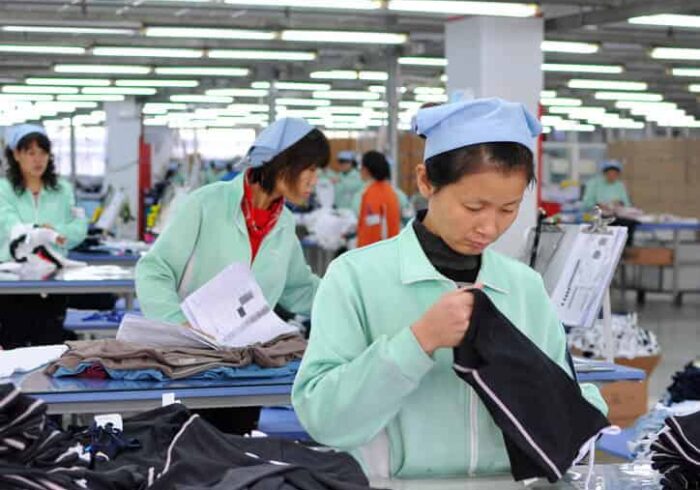
China’s journey to becoming the world’s factory floor began in earnest in 1978 with the implementation of the reform and opening-up policy. This strategic shift unleashed a wave of entrepreneurial spirit and foreign investment. Special economic zones like Shenzhen, which was once a small fishing village, transformed into bustling hubs of high-tech and manufacturing activity. The availability of a large, relatively inexpensive labor force, combined with government support in infrastructure development and preferential policies for businesses, provided the fertile ground for industries to thrive.
Diversification of Industries
Over the decades, China has not only dominated in traditional manufacturing sectors such as textiles, toys, and furniture but has also made significant inroads in high-tech and advanced manufacturing. The Chinese electronics industry, for instance, now produces a staggering volume of smartphones, computers, and other digital devices. Brands like Huawei, Xiaomi, and DJI have become globally recognized, not just for their cost-effectiveness but also for their innovative features. Meanwhile, in the automotive sector, Chinese manufacturers are rapidly catching up, with electric vehicles being a particular area of strength, as companies like BYD and NIO expand their international footprint.
The Ordering Process: A Step-by-Step Guide
Finding the Right Supplier
One of the initial and most crucial steps in ordering from China is identifying a reliable supplier. This can be accomplished through various channels. Online B2B platforms such as Alibaba.com and Global Sources offer a vast database of Chinese manufacturers and wholesalers, complete with product catalogs, company profiles, and customer reviews. Attending trade fairs, like the Canton Fair held biannually in Guangzhou, provides an opportunity to meet suppliers face-to-face, inspect product samples, and establish personal connections. Word-of-mouth referrals from other businesses that have successfully sourced from China can also lead to trustworthy partners.
Negotiating Terms and Contracts
Once a potential supplier is identified, negotiations commence. Key aspects to discuss include price, minimum order quantity (MOQ), production lead time, quality standards, and payment terms. It’s essential to have clear and detailed contracts in place that cover all these elements. For example, specifying the acceptable defect rate and the procedures for handling returns or replacements. Payment methods can range from traditional bank wire transfers to more secure options like letters of credit, depending on the size and nature of the order and the level of trust established with the supplier.
Production and Quality Control
During the production phase, maintaining regular communication with the supplier is vital. This can involve requesting progress updates, photos of the production line, or even video calls to inspect the manufacturing process. Implementing a robust quality control system is equally important. Some businesses choose to hire third-party inspection agencies based in China, which conduct pre-shipment inspections to ensure that the products meet the agreed-upon quality standards. Others send their own quality control teams to the factories, especially for large or high-value orders.

Challenges in Ordering from China and How to Overcome Them
Quality Concerns
Despite the overall improvement in Chinese manufacturing quality, issues can still arise. To address this, it’s crucial to be explicit about quality requirements from the start. Provide detailed product specifications, reference samples, and industry standards. Work with suppliers who have a track record of quality compliance and invest in quality control measures as mentioned earlier. If quality problems do occur, having a clear protocol in the contract for resolving disputes, such as refunds, rework, or replacement, will protect your interests.
Intellectual Property Rights (IPR) Issues
Protecting intellectual property when ordering from China can be a complex matter. China has made significant strides in strengthening its IPR laws and enforcement, but risks remain. To safeguard your designs, trademarks, and patents, register them in China before commencing business. Use non-disclosure agreements (NDAs) with suppliers and conduct due diligence on their reputation for respecting IPR. In case of infringement, seek legal recourse through Chinese courts or international arbitration, depending on the nature of the agreement.
Logistics and Shipping Delays
The global supply chain has faced numerous disruptions in recent years, and shipping from China has been no exception. To mitigate logistics challenges, work with experienced freight forwarders who have a good understanding of the Chinese market and shipping routes. Plan ahead and factor in potential delays when setting production and delivery schedules. Consider alternative shipping methods, such as air freight for urgent orders, although it comes at a higher cost compared to sea freight, which is more commonly used for large volume shipments.
The Future of Ordering from China
Technological Advancements in Supply Chain
Emerging technologies like blockchain are set to revolutionize the way orders are tracked and managed when sourcing from China. By providing an immutable ledger of every transaction and movement along the supply chain, blockchain can enhance transparency, reduce fraud, and improve traceability. Additionally, the Internet of Things (IoT) is enabling real-time monitoring of shipments, factory equipment, and even product quality in transit, giving businesses greater control and predictability.
Shifting Global Trade Dynamics
As the world economy evolves, so do trade patterns. China is increasingly focusing on domestic consumption and high-value exports, moving up the value chain. This means that while the volume of basic consumer goods exports may stabilize or even decline in some areas, opportunities in advanced technology products and services will expand. For businesses ordering from China, it will require a shift in sourcing strategies to align with these trends, perhaps partnering with Chinese R&D centers to co-develop innovative products.
Sustainability and Ethical Sourcing
In an era of heightened environmental and social consciousness, consumers and businesses are demanding more sustainable and ethically sourced products. Chinese manufacturers are responding by adopting greener production processes, reducing waste and emissions, and improving labor conditions. When ordering from China, it will be essential for buyers to factor in these aspects, not only to meet market demands but also to contribute to a more sustainable global trade ecosystem.
Conclusion
Ordering from China has opened up a world of opportunities for businesses and consumers globally. While it comes with its fair share of challenges, understanding the processes, leveraging the right tools and partners, and staying abreast of future trends can help navigate this complex yet rewarding landscape. As China continues to evolve in the global trade arena, those who master the art of ordering from this economic powerhouse will be well-positioned to thrive in the international marketplace.
If you want to purchase goods from China without registration , you can use looperbuy, a one-stop purchasing-logistics solution:https://looperbuy.com/
FAQs
What is the best way to find a reliable Chinese supplier?
Answer: The best ways include using online B2B platforms like Alibaba.com and Global Sources, attending trade fairs such as the Canton Fair, and seeking word-of-mouth referrals from other businesses. These methods provide access to a wide range of suppliers and allow you to assess their capabilities and reputations through product catalogs, reviews, and personal interactions.
How can I protect my intellectual property when ordering from China?
Answer: Firstly, register your intellectual property rights in China before starting business. Use non-disclosure agreements with suppliers to safeguard your designs and other IP. Conduct thorough due diligence on suppliers’ IPR track records. In case of infringement, be prepared to seek legal recourse through Chinese courts or international arbitration, depending on your contractual agreements.
What are the common payment methods when ordering from China?
Answer: Common payment methods include bank wire transfers, which are straightforward but carry some risks. Letters of credit offer more security, especially for larger orders, as the bank acts as an intermediary and releases payment only when certain conditions are met. Some online platforms also offer escrow services, holding the funds until the buyer confirms satisfactory receipt of the goods.
How do I handle quality control when ordering from China?
Answer: You can hire third-party inspection agencies based in China to conduct pre-shipment inspections. Alternatively, send your own quality control team to the factory for on-site inspections, especially for high-value or complex orders. Clearly define quality standards and acceptable defect rates in your contracts and maintain regular communication with the supplier during production.
What are the emerging trends in shipping from China?
Answer: Technologies like blockchain are enhancing supply chain transparency and traceability, allowing for better tracking of orders. The Internet of Things enables real-time monitoring of shipments and factory equipment. There is also a growing trend towards using alternative shipping methods, such as air freight for urgent orders, and a focus on optimizing logistics to reduce delays caused by global supply chain disruptions.