Packing a lunch box can be a delightful yet challenging task, especially when aiming to keep meals fresh, nutritious, and appealing. Whether for school, work, or a picnic, understanding how to effectively use lunch boxes and ice packs is essential for maintaining food quality and safety. This article will explore the essentials of packing a cool and healthy meal, providing tips and tricks to ensure your lunch is both enjoyable and nutritious.
Table of Contents
Understanding the Importance of a Good Lunch Box
A well-chosen lunch box is the foundation of a successful packed meal. Here are some key features to consider:
Insulation
Opt for an insulated lunch box that can maintain the temperature of your food. Insulation helps keep hot foods hot and cold foods cold, which is crucial for food safety. Insulated lunch boxes often come with double-walled construction, which not only helps in temperature retention but also prevents condensation from forming on the outside. This feature is particularly beneficial when packing items like soups or stews, as it minimizes the risk of spills and keeps the exterior of the lunch box dry.
Size and Compartments
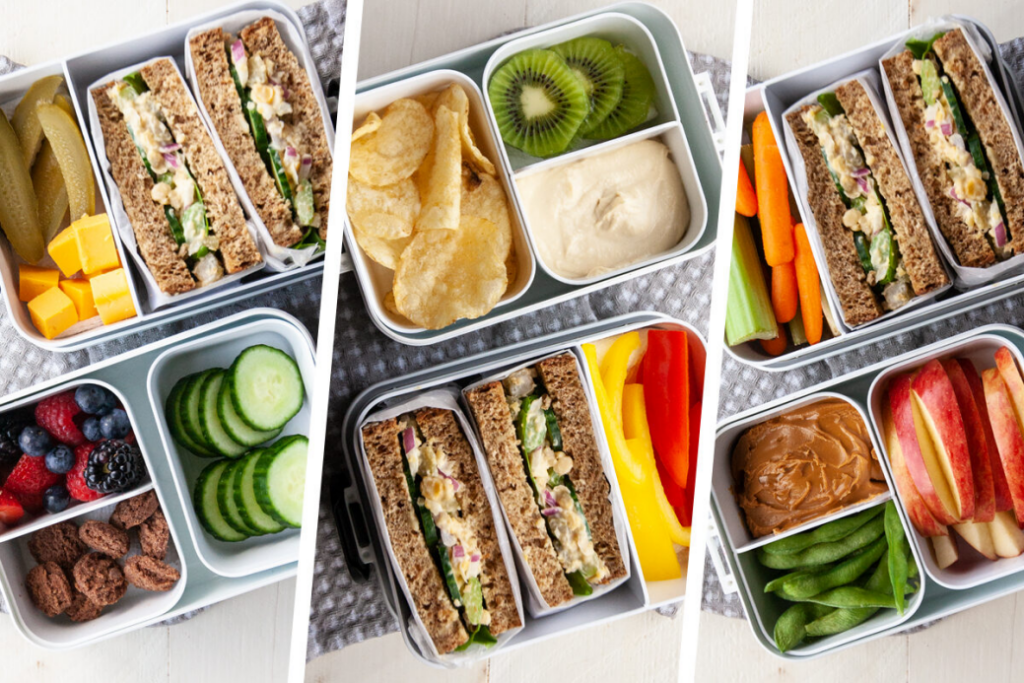
Choose a lunch box that fits your portion sizes and has compartments to separate different food items. This prevents flavors from mixing and keeps foods fresh. Compartmentalized lunch boxes are especially useful for packing a variety of foods, allowing you to include a main dish, sides, and snacks without worrying about them touching each other. Additionally, having a clear view of what’s inside each compartment can make it easier to plan balanced meals and encourage healthier eating habits.
Durability
Select a lunch box made from durable materials that can withstand daily use. Look for BPA-free plastics or stainless steel options that are easy to clean and maintain. A durable lunch box not only lasts longer but also protects your food from being squished or damaged during transport. Consider options with reinforced edges or sturdy clasps to ensure they can handle the rigors of daily commutes or school backpacks.
The Role of Ice Packs
Ice packs are essential for keeping perishable items cool, especially when packing items like dairy, meats, or salads. Here’s how to effectively use ice packs:
Types of Ice Packs
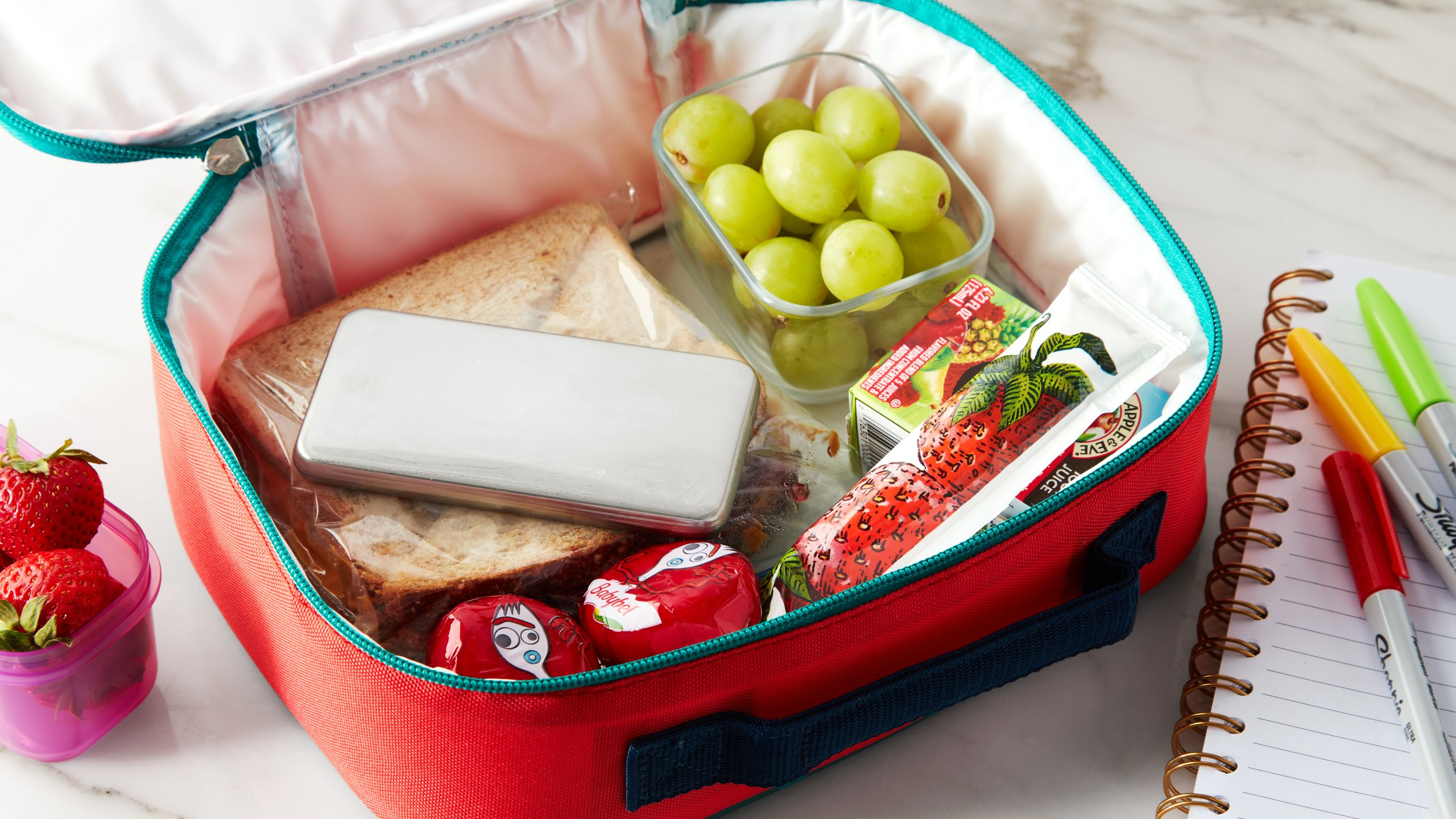
1. Gel Packs: These are versatile and can be frozen overnight. They stay cold for several hours, making them ideal for lunch boxes. Gel packs are often designed to be lightweight and flexible, allowing them to fit snugly around your food items, maximizing cooling efficiency.
2. Ice Pack Inserts: Some lunch boxes come with built-in ice pack compartments, which can be frozen and inserted directly into the lunch box. This integrated design not only saves space but also ensures that the ice pack is always in the right place to keep your food cool.
3. DIY Ice Packs: You can create your own ice packs by filling a resealable plastic bag with water and freezing it. This is a cost-effective solution. For added convenience, you can also use a sponge soaked in water, placed in a bag, and frozen. This method prevents the mess of melted water while still providing effective cooling.
Placement
Place the ice pack at the top of the lunch box, as cold air sinks. This will help keep the food at a safe temperature throughout the day. Additionally, consider placing the ice pack against items that are more prone to spoilage, such as yogurt or deli meats, to provide extra cooling where it’s needed most. If your lunch box has multiple compartments, strategically placing ice packs in different sections can help maintain an even temperature throughout.
Packing a Healthy Lunch: The Essentials
When packing a lunch, aim for a balanced meal that includes a variety of food groups. Here’s a simple formula to follow:
1. Include a Protein Source
Proteins are essential for energy and muscle repair. Consider options like:
– Grilled chicken or turkey slices: These lean meats are not only high in protein but also low in fat, making them a healthy choice.
– Hard-boiled eggs: A great source of protein and easy to prepare in advance, hard-boiled eggs can be seasoned for added flavor.
– Hummus or bean dips: These plant-based proteins are rich in fiber and can be paired with vegetables or whole-grain crackers for a satisfying snack.
– Cheese sticks or yogurt: Both are excellent sources of calcium and protein, making them perfect for a balanced lunch.
2. Add Fruits and Vegetables
Fruits and vegetables provide essential vitamins and minerals. Aim for a colorful variety:
– Fruits: Apples, grapes, berries, or orange slices are not only delicious but also packed with antioxidants and vitamins. Consider packing them whole or sliced, depending on your preference.
– Vegetables: Carrot sticks, cucumber slices, or cherry tomatoes add crunch and freshness. Pairing them with a dip like ranch or hummus can make them more appealing, especially for kids.
3. Incorporate Whole Grains
Whole grains provide fiber and sustained energy. Options include:
– Whole grain sandwiches or wraps: These can be filled with a variety of ingredients, from lean meats to veggies, making them versatile and filling.
– Brown rice or quinoa salads: These grain-based salads can be made in advance and are perfect for a hearty lunch option.
– Whole grain crackers: These can be paired with cheese or dips for a satisfying snack that keeps you full longer.
4. Don’t Forget a Healthy Snack
Snacks can help bridge the gap between meals. Consider:
– Nuts or trail mix: These are great sources of healthy fats and protein, providing energy throughout the day.
– Popcorn: A whole grain snack that can be seasoned to your liking, popcorn is low in calories and high in fiber.
– Yogurt with granola: This combination offers a delicious mix of protein, fiber, and healthy fats, making it a perfect snack option.
5. Hydration is Key
Always include a water bottle to keep hydrated throughout the day. Staying hydrated is crucial for maintaining energy levels and overall health. You can also add flavored water or herbal teas for variety. Consider infusing your water with fruits like lemon, cucumber, or berries for a refreshing twist.
Tips for Packing Your Lunch Box
Plan Ahead
Planning your meals in advance can save time and ensure you have all the necessary ingredients. Consider preparing meals on the weekend for the week ahead. This not only helps in organizing your meals but also reduces the stress of last-minute packing. You can create a meal prep schedule that includes batch cooking proteins, chopping vegetables, and portioning snacks.
Use Reusable Containers
Invest in reusable containers to keep your food fresh and organized. Look for leak-proof options to prevent spills. Using containers that are microwave-safe can also make reheating meals at work or school more convenient. Additionally, consider using different sizes of containers to accommodate various food items, ensuring everything fits neatly in your lunch box.
Keep It Interesting
Variety is key to maintaining interest in your packed lunches. Rotate your protein sources, fruits, and snacks to keep things exciting. You can also experiment with different cuisines, such as Mediterranean, Asian, or Mexican, to introduce new flavors and ingredients. This not only makes lunchtime more enjoyable but also encourages a more balanced diet.
Label Your Lunch
If you’re packing multiple lunches, consider labeling them with names or dates to avoid confusion. This is especially helpful in shared environments, such as offices or schools, where multiple lunches may be stored together. You can use reusable labels or simply write on masking tape for a quick solution.
Clean and Maintain
Regularly clean your lunch box and ice packs to prevent bacteria buildup. Follow the manufacturer’s instructions for cleaning and care. A clean lunch box not only looks better but also ensures that your food remains safe to eat. Consider setting a reminder to clean your lunch box weekly to maintain hygiene.
Common Mistakes to Avoid
Overpacking
While it’s important to have a balanced meal, avoid overpacking your lunch box. This can lead to soggy foods and make it difficult to close the box. Instead, focus on portion control and choose a few key items that complement each other. This will also make it easier to eat your lunch without feeling overwhelmed.
Ignoring Food Safety
Always consider food safety when packing perishable items. Use ice packs for items that need to stay cool and avoid leaving your lunch out for extended periods. Familiarize yourself with the safe temperature ranges for different foods to ensure they remain safe to eat throughout the day.
Forgetting to Freeze Ice Packs
Ensure your ice packs are frozen before packing them in your lunch box. This will maximize their cooling effect. If you’re in a rush, consider keeping a spare ice pack in the freezer so you always have one ready to go. This small preparation can make a big difference in keeping your food fresh.
Conclusion
Packing a lunch box with the right essentials and using ice packs effectively can make a significant difference in the quality and safety of your meals. By following these tips, you can create delicious, healthy lunches that are enjoyable to eat and easy to prepare. Remember to keep experimenting with different foods and combinations to find what works best for you. With a little planning and creativity, your lunch box can become a source of nourishment and joy throughout your day.
How to purchase:https://looperbuy.com/search?keywords=lunch+box+and+ice+pack
Frequently Asked Questions
1. How long can food stay safe in a lunch box with an ice pack?
Food can stay safe for about 3 to 4 hours in a lunch box with an ice pack, depending on the ambient temperature. It’s important to monitor the time and ensure that perishable items are consumed within this timeframe to avoid foodborne illnesses.
2. What types of foods should I avoid packing?
Avoid packing foods that spoil easily without refrigeration, such as mayonnaise-based salads or dairy products unless they are kept cool. Foods that are prone to spoilage can lead to unpleasant odors and potential health risks.
3. Can I use regular ice instead of ice packs?
Yes, you can use regular ice, but it may create a mess as it melts. Ice packs are more convenient and less likely to leak, making them a better option for maintaining a clean lunch box.
4. How can I keep my lunch box organized?
Use compartmentalized containers and pack items in a way that prevents them from shifting during transport. Keeping similar items together and using dividers can help maintain organization and make it easier to find what you need.
5. What are some quick lunch ideas for busy mornings?
Consider wraps, salads, or bento boxes that can be prepared in advance. Overnight oats or yogurt parfaits are also great options. These meals can be made quickly and provide a nutritious start to your day without requiring extensive preparation.