In today’s fast-paced world, clothing is not just a necessity; it is a form of self-expression, a reflection of culture, and a significant part of our daily lives. The concept of daily US clothing encompasses a wide range of styles, trends, and functionalities that cater to the diverse needs of individuals across the country. This article explores the various aspects of daily clothing in the US, including its evolution, current trends, and the impact of cultural influences.
Table of Contents
The Evolution of Daily US Clothing
Historical Context
The history of clothing in the United States is rich and varied, influenced by a multitude of factors including immigration, economic changes, and cultural shifts. In the early days, clothing was primarily functional, designed to protect individuals from the elements. Early settlers wore garments made from animal hides and natural fibers, which were practical for survival. As society evolved, so did fashion, with styles reflecting the social status and cultural identity of different groups. The Industrial Revolution brought about mass production, making clothing more accessible to the general public. This democratization of fashion allowed for greater experimentation with styles and materials, leading to the diverse clothing landscape we see today.
The Rise of Casual Wear
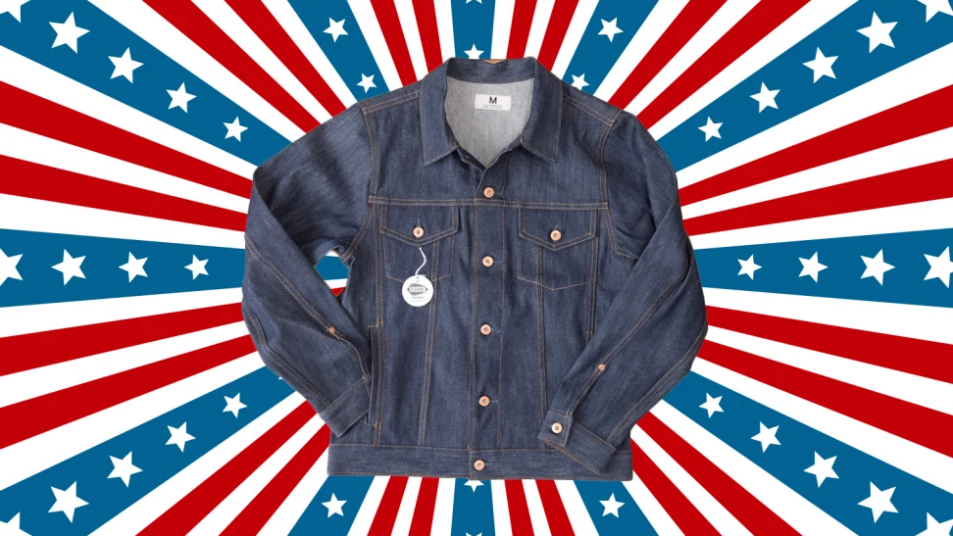
In the mid-20th century, the rise of casual wear marked a significant shift in daily clothing. The introduction of denim jeans, t-shirts, and sneakers transformed how Americans dressed for everyday activities. This trend was further popularized by the youth culture of the 1960s and 1970s, which embraced comfort and individuality. The counterculture movements of this era rejected formal attire, favoring relaxed and expressive clothing. As a result, casual wear became synonymous with freedom and self-expression, paving the way for its acceptance in various social settings, including workplaces and formal events.
The Influence of Technology
The advent of technology has also played a crucial role in shaping daily clothing. The rise of e-commerce has made it easier for consumers to access a wide variety of clothing options, allowing them to shop from the comfort of their homes. Social media platforms have allowed fashion trends to spread rapidly, with influencers showcasing their styles to millions of followers. This has led to a more diverse and inclusive approach to fashion, where individuals can express their unique styles. Additionally, advancements in fabric technology have resulted in the creation of innovative materials that enhance comfort and performance, further influencing consumer choices.
Current Trends in Daily US Clothing
Athleisure: The Perfect Blend of Comfort and Style
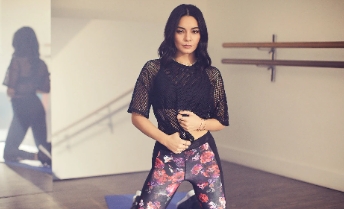
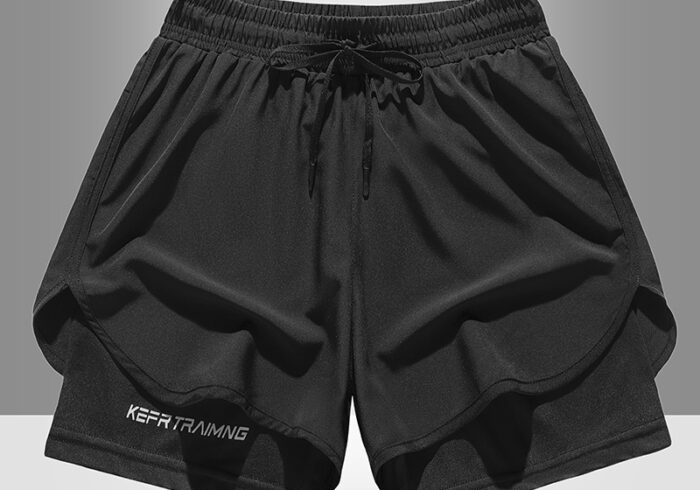
One of the most significant trends in daily US clothing is athleisure, a style that combines athletic wear with casual fashion. This trend has gained immense popularity due to its versatility and comfort, making it suitable for various occasions, from workouts to casual outings. Athleisure pieces, such as yoga pants, sports bras, and stylish sneakers, are designed to be functional while also looking fashionable. Brands are now focusing on creating stylish yet functional pieces that cater to the active lifestyle of modern consumers. This trend reflects a broader cultural shift towards health and wellness, as more people prioritize fitness and well-being in their daily routines.
Sustainable Fashion: A Growing Concern
As awareness of environmental issues increases, sustainable fashion has become a crucial aspect of daily clothing. Many consumers are now seeking out brands that prioritize eco-friendly materials and ethical production practices. This shift is not only beneficial for the planet but also encourages a more mindful approach to consumption. Sustainable fashion encompasses a range of practices, including the use of organic materials, recycling, and fair labor practices. Consumers are increasingly educated about the impact of their clothing choices on the environment, leading to a demand for transparency from brands. This trend is reshaping the fashion industry, pushing companies to adopt more sustainable practices and innovate in their production processes.
Gender-Neutral Clothing: Breaking Down Barriers
The rise of gender-neutral clothing is another notable trend in daily US fashion. This movement challenges traditional gender norms and promotes inclusivity, allowing individuals to choose clothing that reflects their identity without being confined to societal expectations. Many brands are now offering unisex collections that cater to a broader audience, emphasizing comfort and style over gender-specific designs. This trend is particularly significant for younger generations, who are increasingly rejecting binary notions of gender. By embracing gender-neutral clothing, individuals can express their identities more freely, fostering a culture of acceptance and diversity in fashion.
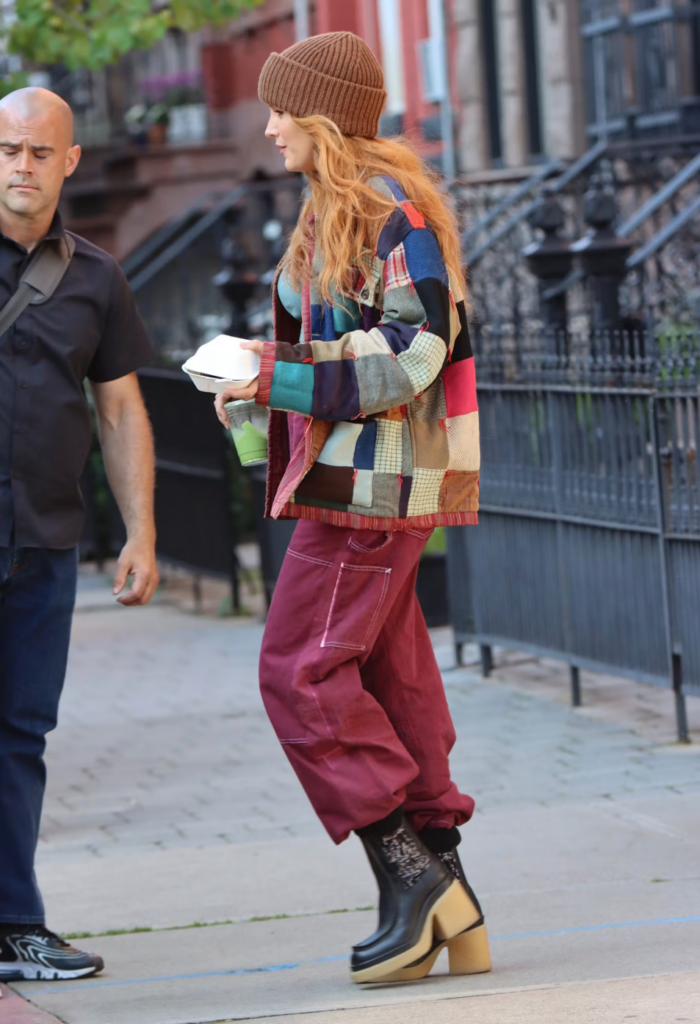
Cultural Influences on Daily US Clothing
The Impact of Pop Culture
Pop culture has a significant influence on daily clothing trends in the US. Celebrities, musicians, and influencers often set the tone for what is considered fashionable. Their choices can lead to the rapid adoption of specific styles, making them mainstream. For instance, the popularity of streetwear has been heavily influenced by hip-hop culture and celebrity endorsements. Fashion designers frequently collaborate with artists and influencers to create limited-edition collections that capture the essence of contemporary culture. This symbiotic relationship between pop culture and fashion ensures that clothing remains a dynamic and evolving form of expression.
Regional Variations
The diverse geography of the United States also contributes to variations in daily clothing styles. For example, coastal regions may favor lighter, more breathable fabrics suitable for warmer climates, while northern states might lean towards heavier, layered clothing to combat colder temperatures. These regional differences highlight the adaptability of daily clothing to meet the needs of various environments. Additionally, cultural influences from different regions, such as the Western cowboy aesthetic or the preppy style of the Northeast, further enrich the tapestry of American fashion. This regional diversity allows individuals to draw inspiration from their surroundings, creating a unique blend of styles that reflect their personal identities.
The Role of Social Movements
Social movements have also played a role in shaping daily clothing. For instance, the feminist movement has influenced women’s fashion, promoting empowerment through clothing choices. The rise of body positivity has encouraged brands to offer a wider range of sizes and styles, ensuring that all individuals feel represented and included. Similarly, movements advocating for racial equality have led to the celebration of cultural heritage through fashion, encouraging individuals to embrace their roots. These social movements not only impact clothing choices but also foster a sense of community and solidarity among individuals who share similar values.
The Future of Daily US Clothing
Innovations in Fabric Technology
The future of daily clothing in the US is likely to be shaped by innovations in fabric technology. Advances in materials that offer enhanced comfort, durability, and sustainability will continue to influence consumer preferences. Brands that invest in research and development to create high-performance fabrics will likely gain a competitive edge. Innovations such as moisture-wicking fabrics, temperature-regulating materials, and biodegradable textiles are becoming increasingly popular. These advancements not only improve the functionality of clothing but also align with the growing demand for sustainable practices in the fashion industry.
Personalization and Customization
As consumers seek more personalized experiences, the demand for customized clothing is expected to rise. Brands that offer tailored options, allowing individuals to choose styles, colors, and fits that suit their preferences, will likely thrive in the evolving market. Customization can range from simple alterations to fully bespoke designs, catering to the unique needs of each consumer. This trend reflects a broader shift towards individuality in fashion, where consumers are no longer satisfied with off-the-rack options. By embracing personalization, brands can foster a deeper connection with their customers, enhancing brand loyalty and satisfaction.
The Role of Virtual Reality
Virtual reality (VR) and augmented reality (AR) technologies are set to revolutionize the shopping experience. These technologies can provide consumers with immersive experiences, allowing them to try on clothes virtually before making a purchase. This innovation could significantly enhance the online shopping experience, making it more interactive and engaging. By integrating VR and AR into their platforms, brands can reduce return rates and improve customer satisfaction. As technology continues to advance, the possibilities for enhancing the shopping experience are limitless, paving the way for a more innovative and consumer-centric fashion industry.
Conclusion
Daily US clothing is a dynamic and ever-evolving aspect of modern life. From its historical roots to current trends and future innovations, clothing serves as a powerful medium for self-expression and cultural representation. As society continues to change, so too will the styles and practices surrounding daily clothing, reflecting the diverse identities and values of individuals across the nation.
How to purchase:https://looperbuy.com/search?keywords=daily+us+clothing
Related Questions and Answers
1. What are the key trends in daily US clothing today?
Athleisure, sustainable fashion, and gender-neutral clothing are among the key trends shaping daily US clothing.
2. How has technology influenced daily clothing?
Technology has facilitated the rise of e-commerce and social media, allowing for rapid dissemination of fashion trends and greater accessibility to diverse clothing options.
3. What role does pop culture play in fashion trends?
Pop culture influences daily clothing trends significantly, with celebrities and influencers often setting the tone for what is considered fashionable.
4. How can consumers make more sustainable clothing choices?
Consumers can opt for brands that prioritize eco-friendly materials and ethical production practices, and consider second-hand shopping to reduce waste.
5. What is the future of daily clothing in the US?
The future of daily clothing is likely to be shaped by innovations in fabric technology, increased personalization, and the integration of virtual reality in shopping experiences.