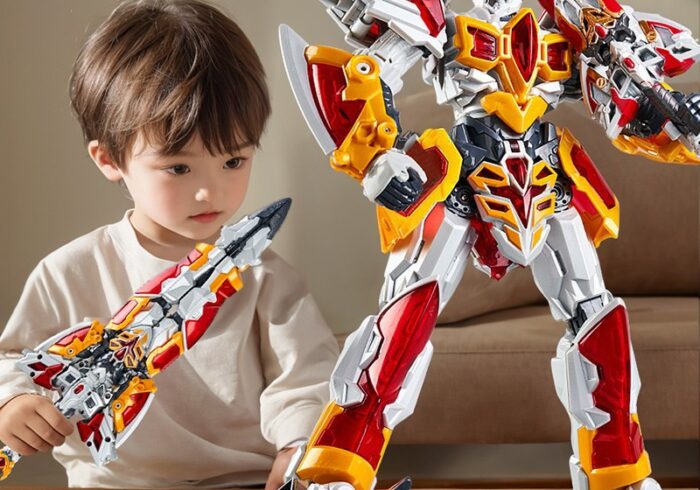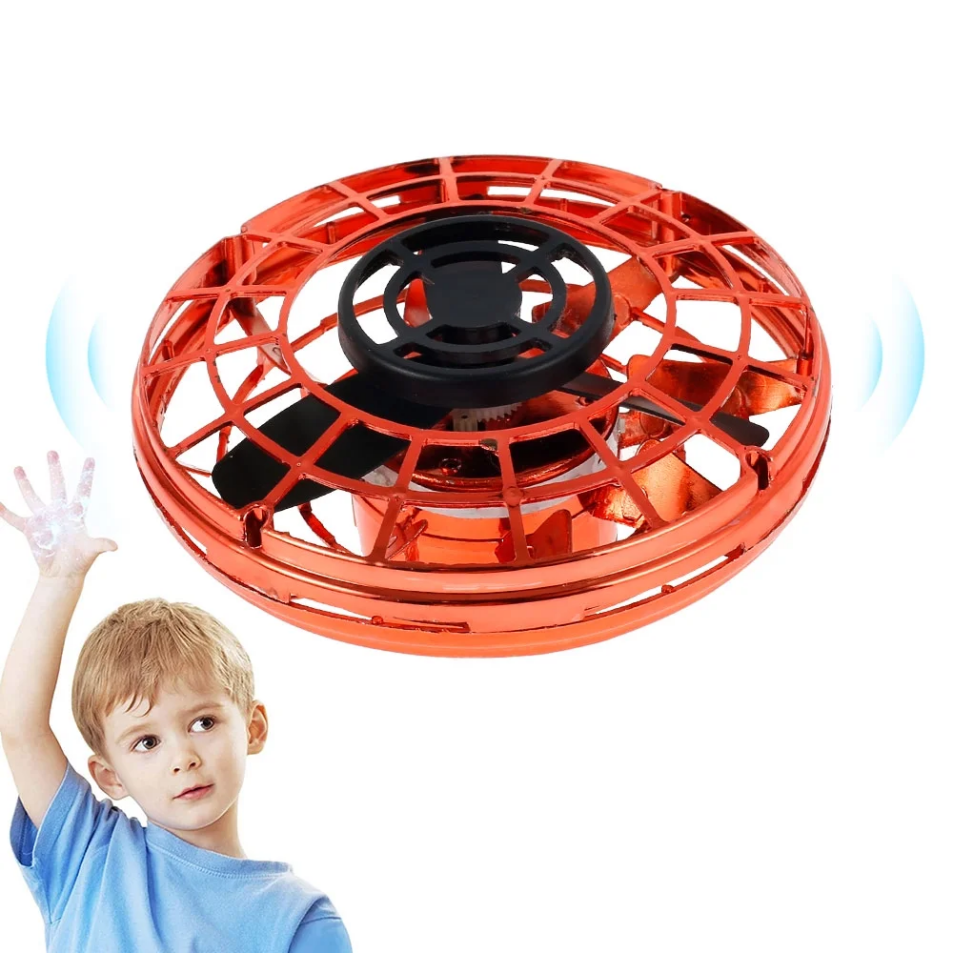
In recent years, children’s drones toys have emerged as a popular choice for parents and educators looking to enhance learning experiences and develop essential skills in children. These innovative toys not only provide entertainment but also serve as powerful tools for improving coordination, motor skills, and cognitive abilities. This article explores how children’s drones toys can enhance learning and coordination skills, the benefits they offer, and practical ways to incorporate them into educational settings.
Table of Contents
The Rise of Drones in Children’s Play
Drones have transitioned from being high-tech gadgets for adults to engaging toys for children. With their ability to fly, hover, and perform tricks, drones captivate children’s attention and spark their curiosity. As technology continues to evolve, so does the design and functionality of children’s drones, making them more accessible and user-friendly. This shift has opened up new avenues for learning and development. The integration of colorful designs, user-friendly controls, and safety features has made drones appealing to a younger audience. Moreover, the excitement of piloting a flying object can ignite a passion for technology and engineering in children, encouraging them to explore these fields further.
Enhancing Coordination Skills
1. Hand-Eye Coordination
One of the most significant benefits of flying drones is the improvement of hand-eye coordination. Operating a drone requires precise movements and quick reflexes. Children must learn to control the drone’s altitude, direction, and speed using a remote control. This process enhances their ability to coordinate visual input with physical actions, a skill that is crucial for various activities, including sports, writing, and even everyday tasks. As children practice flying drones, they develop a better understanding of spatial relationships and timing, which can translate into improved performance in other areas of their lives, such as playing sports or engaging in arts and crafts.
2. Fine Motor Skills Development
Flying a drone involves manipulating small controls and making quick adjustments. This activity helps children develop fine motor skills, which are essential for tasks such as writing, drawing, and using tools. As children practice flying drones, they refine their dexterity and improve their ability to perform intricate movements. The act of controlling a drone requires a level of precision that can enhance grip strength and finger agility. These skills are not only beneficial for academic tasks but also for everyday activities, such as buttoning shirts or tying shoelaces, fostering greater independence in young children.
3. Spatial Awareness
Drones provide a unique opportunity for children to develop spatial awareness. As they navigate their drones through different environments, they learn to understand distances, heights, and angles. This skill is particularly important in fields such as architecture, engineering, and aviation, where spatial reasoning is crucial. By engaging with drones, children can visualize concepts that are often abstract, such as three-dimensional space and movement. This hands-on experience can lead to a deeper understanding of geometry and physics, laying a strong foundation for future learning in these subjects.
Cognitive Benefits of Drones
1. Problem-Solving Skills
Operating a drone is not just about flying; it also involves troubleshooting and problem-solving. Children may encounter challenges such as low battery life, obstacles in their flight path, or connectivity issues. Learning to address these problems fosters critical thinking and encourages children to develop solutions independently. This process of trial and error teaches resilience and adaptability, as children learn that failure is often a stepping stone to success. By encouraging them to think creatively about how to overcome obstacles, drones can help cultivate a mindset geared towards innovation and persistence.
2. Understanding Technology
In today’s digital age, understanding technology is essential. Drones introduce children to concepts such as aerodynamics, mechanics, and electronics. As they learn how drones work, they gain valuable insights into the principles of flight and the technology behind these devices. This knowledge can inspire interest in STEM (Science, Technology, Engineering, and Mathematics) fields. By demystifying technology, drones empower children to become not just consumers of technology but also creators and innovators. This foundational understanding can lead to greater confidence in tackling complex subjects in school and beyond.
3. Creativity and Innovation
Children can express their creativity through drones by customizing them or programming them to perform specific tasks. Many drones come with features that allow for coding and programming, enabling children to create unique flight patterns or even design their own drone missions. This creative aspect encourages innovative thinking and problem-solving. By engaging in activities that require them to think outside the box, children can develop a sense of ownership over their learning. This not only enhances their engagement but also fosters a lifelong love of learning and exploration.
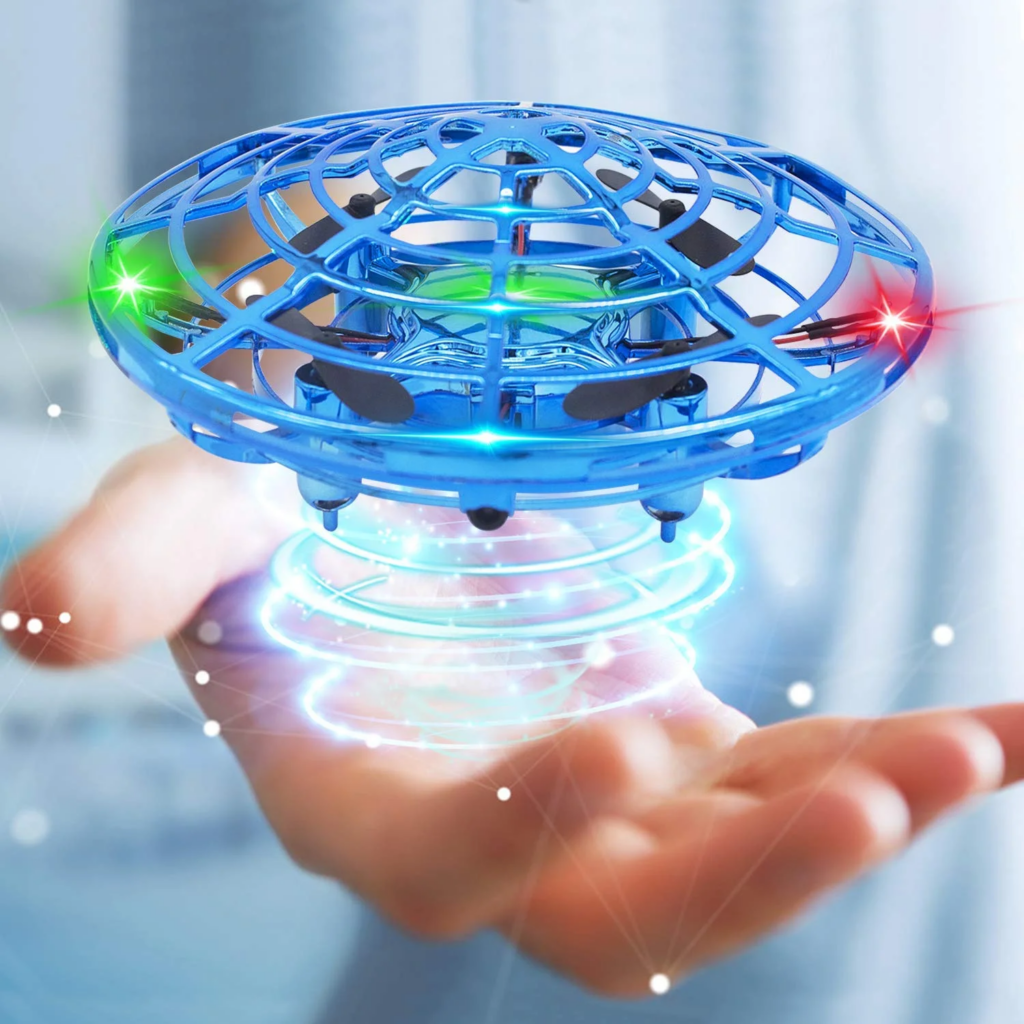
Practical Applications in Education
1. Classroom Integration
Educators can integrate children’s drones toys into the classroom to enhance learning experiences. For example, teachers can use drones to teach subjects such as physics, geography, and mathematics. By conducting experiments with drones, students can visualize concepts like gravity, distance, and angles, making learning more engaging and interactive. Additionally, drones can be used for data collection in science projects, allowing students to gather information from unique perspectives. This hands-on approach can lead to deeper understanding and retention of knowledge, as students actively participate in their learning process.
2. Extracurricular Activities
Drones can also be incorporated into extracurricular activities, such as robotics clubs or science fairs. These activities provide children with hands-on experience and the opportunity to collaborate with peers. Working in teams to build and fly drones fosters teamwork and communication skills. Such collaborative projects can also enhance leadership abilities, as children take on different roles within their teams. The excitement of participating in competitions or showcases can further motivate students to engage with technology and science, potentially sparking future career interests.
3. Outdoor Learning
Using drones for outdoor learning experiences can be particularly beneficial. Children can explore their surroundings, conduct aerial surveys, or document nature from above. This not only enhances their understanding of the environment but also encourages physical activity and exploration. Outdoor learning with drones can also promote environmental awareness, as children learn about ecosystems and conservation efforts. By connecting technology with nature, children can develop a holistic understanding of their world, fostering a sense of responsibility towards the environment.
Safety Considerations
While children’s drones toys offer numerous benefits, safety should always be a priority. Parents and educators must ensure that children understand the importance of flying drones responsibly. This includes following local regulations, avoiding crowded areas, and respecting privacy. Providing proper supervision and guidance can help mitigate risks and ensure a safe flying experience. Additionally, teaching children about the ethical implications of drone use can foster a sense of responsibility and respect for others. By instilling these values early on, children can become conscientious users of technology.
Conclusion
Children’s drones toys are more than just fun gadgets; they are valuable tools for enhancing learning and coordination skills. By improving hand-eye coordination, fine motor skills, and cognitive abilities, these toys provide children with a well-rounded educational experience. As technology continues to advance, the potential for drones in education will only grow, making them an exciting addition to any learning environment. Embracing the use of children’s drones toys can lead to a generation of innovative thinkers, skilled problem solvers, and responsible technology users.
How to purchase:https://looperbuy.com/search?keywords=children%27s+drones+toys
Frequently Asked Questions
1. What age is appropriate for children to start using drones?
Children as young as 8 years old can start using simple drones designed for beginners. However, parental supervision is recommended to ensure safety.
2. How do drones help with STEM education?
Drones provide hands-on experience with technology, encouraging children to learn about aerodynamics, programming, and problem-solving, which are all key components of STEM education.
3. Are there specific drones designed for educational purposes?
Yes, many manufacturers offer drones specifically designed for educational use, featuring user-friendly controls and educational resources to facilitate learning.
4. Can flying drones improve children’s social skills?
Yes, flying drones in groups or teams can enhance social skills by promoting teamwork, communication, and collaboration among peers.
5. What safety measures should be taken when children fly drones?
Children should be taught to fly drones in open areas away from people, follow local regulations, and always have adult supervision to ensure a safe flying experience.