In today’s digital age, children’s computer toys have become increasingly popular among parents and educators. These toys not only entertain but also serve as educational tools that can enhance a child’s learning experience. This article explores the various aspects of children’s computer toys, their benefits, types, and how they can be effectively integrated into a child’s playtime. By understanding the multifaceted role these toys play, parents can make informed decisions about their children’s playtime activities.
Table of Contents
Understanding Children’s Computer Toys
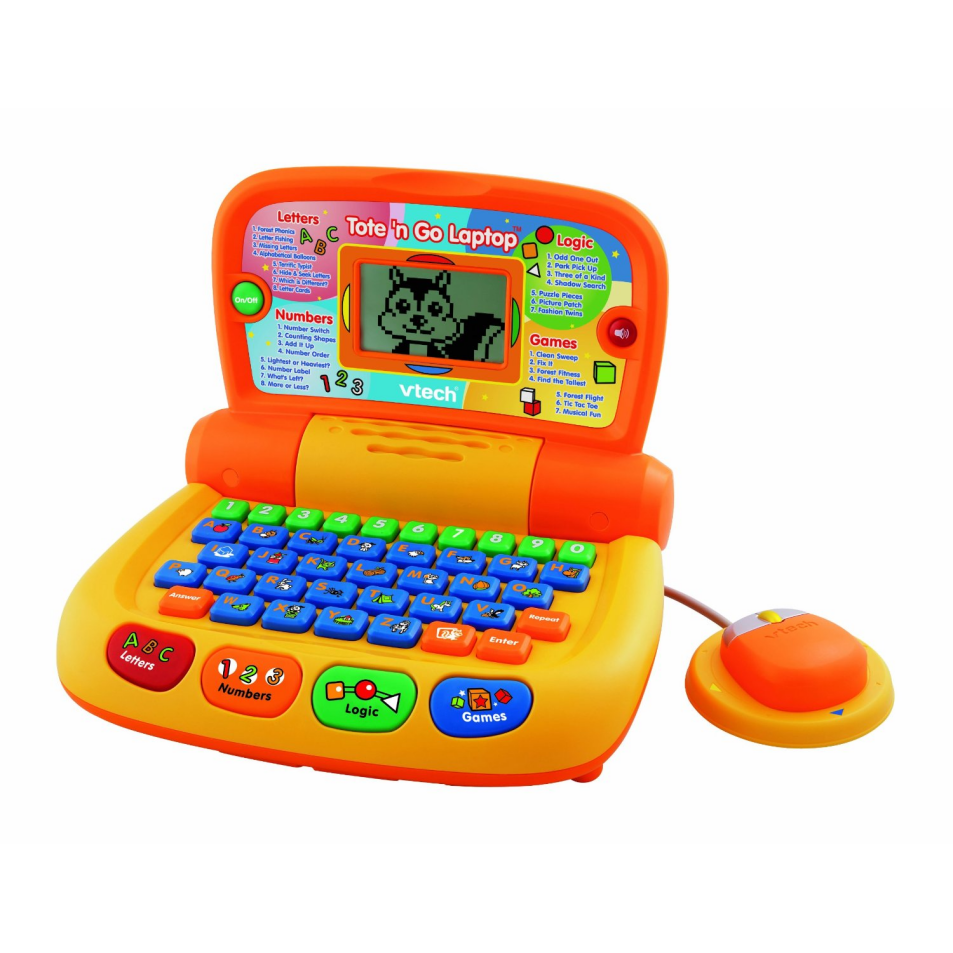
Children’s computer toys are designed to mimic the functionality of real computers while being safe and engaging for young users. These toys often come equipped with colorful buttons, screens, and interactive features that promote learning through play. They can range from simple electronic devices that teach basic skills to more complex systems that introduce children to coding and problem-solving. The interactive nature of these toys captures children’s attention and encourages them to explore various concepts in a fun and engaging way.
The Evolution of Computer Toys
The concept of computer toys has evolved significantly over the years. Initially, these toys were simple electronic devices that played sounds or displayed lights. However, with advancements in technology, modern children’s computer toys now include features such as touch screens, voice recognition, and interactive games. This evolution has made them more appealing and educational for children. As technology continues to advance, we can expect even more innovative designs that will further enhance the learning experience for young users.
Why Are Children’s Computer Toys Important?
Children’s computer toys play a crucial role in early childhood development. They help in developing cognitive skills, enhancing creativity, and improving hand-eye coordination. Moreover, these toys can introduce children to technology at an early age, preparing them for a future where digital literacy is essential. By engaging with these toys, children not only learn how to use technology but also develop critical thinking skills that will serve them well in their academic and personal lives.
Benefits of Children’s Computer Toys
Enhancing Cognitive Skills
One of the primary benefits of children’s computer toys is their ability to enhance cognitive skills. Many of these toys are designed to challenge children with puzzles, games, and activities that require critical thinking and problem-solving. As children engage with these toys, they learn to think logically and make decisions, which are essential skills for their academic journey. This cognitive engagement helps to build a strong foundation for future learning, as children learn to approach problems methodically and creatively.
Promoting Creativity
Children’s computer toys often come with features that encourage creativity. For instance, some toys allow children to create their own games or stories, fostering imaginative play. This creative outlet is vital for a child’s emotional and social development, as it helps them express themselves and explore new ideas. By providing a platform for creative expression, these toys can inspire children to think outside the box and develop their unique perspectives on the world around them.
Improving Technological Literacy
In an increasingly digital world, technological literacy is crucial. Children’s computer toys introduce young learners to basic computer functions, such as using a mouse, keyboard, and navigating software. This early exposure helps children become comfortable with technology, making it easier for them to adapt to more complex systems in the future. As they learn to navigate these toys, children also develop essential skills that will be beneficial in their future education and careers, where technology plays a significant role.
Encouraging Independent Learning
Many children’s computer toys are designed for solo play, which encourages independent learning. Children can explore and learn at their own pace, fostering a sense of autonomy and confidence. This independence is essential for developing self-directed learning habits that will benefit them throughout their education. By allowing children to take charge of their learning experiences, these toys help instill a love for learning that can last a lifetime.
Types of Children’s Computer Toys
Educational Laptops
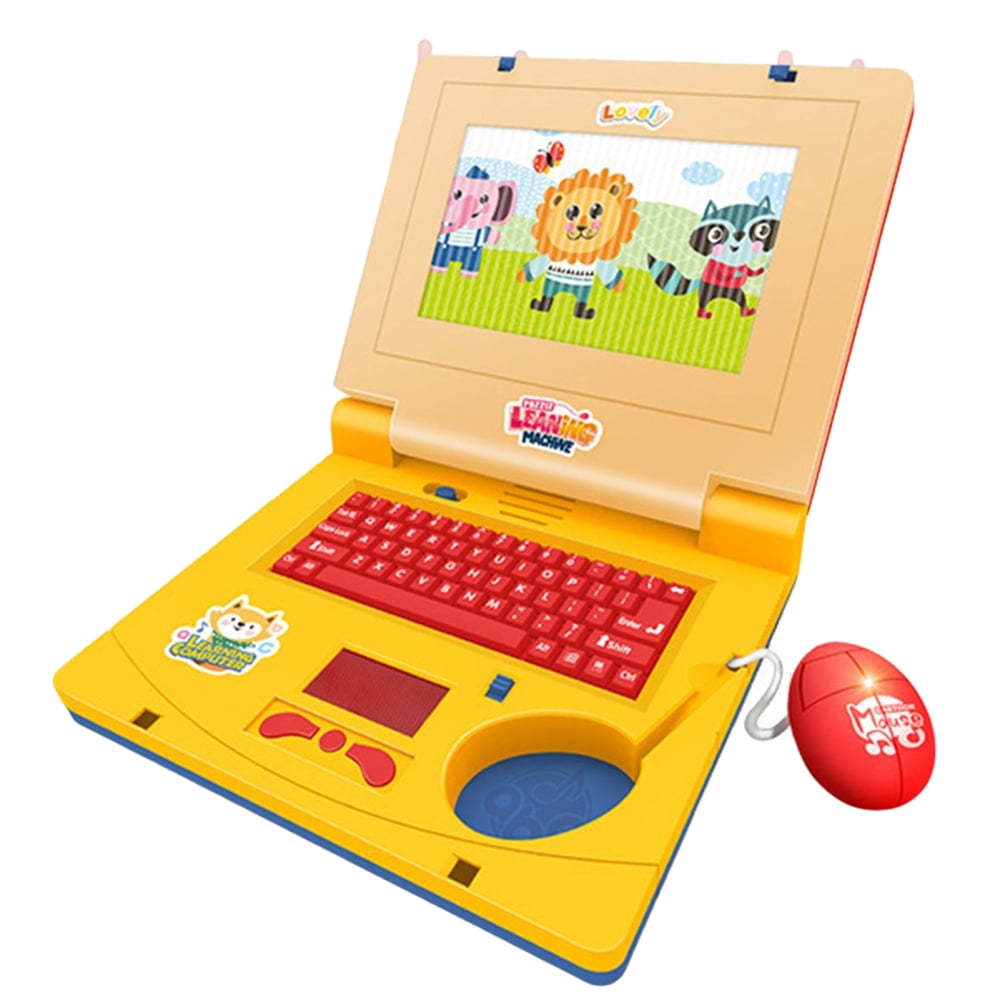
Educational laptops are among the most popular children’s computer toys. These devices often feature a variety of games and activities that teach subjects like math, reading, and science. They are designed to be user-friendly, with bright colors and engaging graphics that capture a child’s attention. Many educational laptops also include progress tracking features, allowing parents to monitor their child’s learning and adjust activities as needed to ensure continued growth.
Interactive Tablets
Interactive tablets for children offer a more advanced experience, often resembling real tablets used by adults. These devices typically come pre-loaded with educational apps and games that promote learning in a fun and interactive way. Some tablets even allow for parental controls, ensuring that children are engaging with age-appropriate content. The versatility of these tablets means that they can be used for various educational purposes, from learning letters and numbers to exploring science and art.
Coding Toys
As coding becomes an essential skill in the modern workforce, coding toys for children have gained popularity. These toys introduce basic programming concepts through interactive games and challenges. They often use visual programming languages that are easy for young children to understand, making coding accessible and fun. By engaging with coding toys, children not only learn the fundamentals of programming but also develop logical thinking and problem-solving skills that are applicable in many areas of life.
Role-Playing Computers
Role-playing computers allow children to engage in imaginative play by simulating real-world scenarios. These toys often come with features that mimic office tasks, such as typing documents or sending emails. This type of play helps children understand the functions of a computer while encouraging creativity and role-playing. By immersing themselves in these scenarios, children can develop social skills and learn about various professions, enhancing their understanding of the world around them.
How to Choose the Right Computer Toy for Your Child
Consider Age Appropriateness
When selecting a computer toy for your child, it’s essential to consider their age and developmental stage. Many toys are designed with specific age ranges in mind, ensuring that the content is suitable and engaging for your child. Choosing age-appropriate toys helps to maximize their educational value and ensures that children are challenged without becoming frustrated.
Look for Educational Value
Choose toys that offer educational benefits. Look for features that promote learning in areas such as math, reading, and problem-solving. Educational toys often come with various levels of difficulty, allowing children to progress as they develop their skills. By selecting toys that align with your child’s learning goals, you can help them build a strong foundation for future academic success.
Check for Safety Standards
Safety is a top priority when it comes to children’s toys. Ensure that the computer toy you choose meets safety standards and is made from non-toxic materials. This is especially important for younger children who may put toys in their mouths. By prioritizing safety, you can provide peace of mind while allowing your child to explore and learn through play.
Read Reviews and Recommendations
Before making a purchase, read reviews and seek recommendations from other parents or educators. This can provide valuable insights into the toy’s quality, durability, and educational value. By gathering information from trusted sources, you can make a more informed decision and choose toys that will truly benefit your child’s learning experience.
Integrating Computer Toys into Playtime
Set Time Limits
While children’s computer toys can be beneficial, it’s essential to set time limits on screen time. Encourage a balanced approach to play that includes physical activity, creative play, and social interaction. By establishing boundaries around screen time, you can help your child develop healthy habits and ensure that they engage in a variety of activities that promote overall development.
Encourage Collaborative Play
Promote collaborative play by engaging with your child while they use their computer toy. This can enhance the learning experience and provide opportunities for bonding. Ask questions, play games together, and encourage discussions about what they are learning. By participating in their play, you can help reinforce concepts and foster a love for learning that extends beyond the toy itself.
Mix with Other Learning Activities
Integrate computer toys with other learning activities. For example, after using a computer toy to learn about animals, take a trip to the zoo or read books about wildlife. This helps reinforce the concepts learned through play. By connecting digital learning with real-world experiences, you can create a more comprehensive educational environment that supports your child’s growth.
Conclusion
Children’s computer toys are more than just fun gadgets; they are valuable educational tools that can significantly enhance a child’s learning experience. By promoting cognitive skills, creativity, and technological literacy, these toys prepare children for a future where digital skills are essential. When chosen thoughtfully and integrated into playtime, children’s computer toys can provide a rich and engaging learning environment that fosters a lifelong love of learning.
How to purchase:https://looperbuy.com/search?keywords=children%27s+computer+toys
Frequently Asked Questions
1. What age is appropriate for children’s computer toys?
Children’s computer toys are available for various age groups, typically starting from 1 year old. It’s essential to choose toys that match your child’s developmental stage to ensure they are both engaging and educational.
2. Are children’s computer toys safe?
Yes, most children’s computer toys meet safety standards. Always check for non-toxic materials and age-appropriate designs to ensure your child’s safety while they play.
3. How can I limit my child’s screen time with computer toys?
Set specific time limits for play and encourage a mix of activities, including outdoor play and creative projects. This balanced approach helps promote healthy habits and overall development.
4. Can computer toys help with learning disabilities?
Many computer toys are designed to cater to different learning styles and can be beneficial for children with learning disabilities by providing engaging and interactive learning experiences that accommodate their unique needs.
5. What features should I look for in a children’s computer toy?
Look for educational value, age appropriateness, safety standards, and interactive features that promote learning and creativity. Choosing toys with these characteristics can enhance your child’s playtime and learning experience.