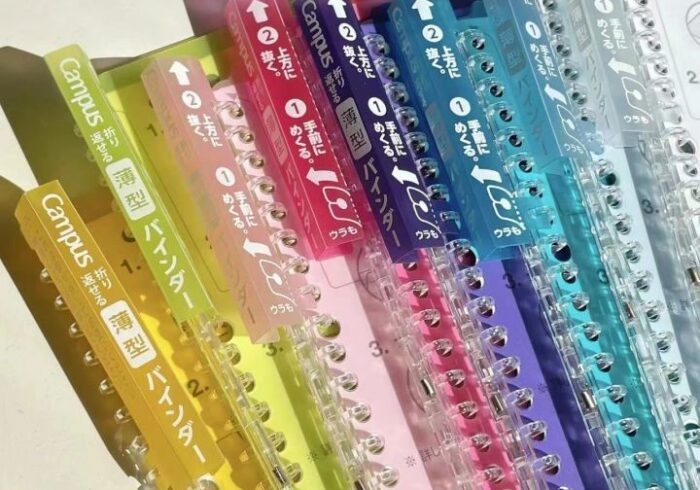
When it comes to selecting gifts for children, many people instinctively think of toys. However, there is a vast array of children’s gifts that are not toys, which can be equally, if not more, meaningful and beneficial. This article explores various categories of non-toy gifts, their advantages, and how they can enrich a child’s life. By considering these alternatives, you can provide gifts that inspire creativity, promote learning, and create lasting memories.
Table of Contents
The Importance of Non-Toy Gifts
Fostering Creativity and Imagination
Non-toy gifts can stimulate a child’s creativity and imagination in ways that traditional toys may not. For instance, art supplies such as sketchbooks, colored pencils, and paints encourage children to express themselves artistically. Craft kits that allow children to create their own projects can also be a fantastic way to engage their minds and hands. Beyond just the act of creating, these activities can help children develop problem-solving skills as they figure out how to bring their ideas to life. Engaging in creative activities also allows children to explore their emotions and thoughts, providing a healthy outlet for self-expression.
Encouraging Learning and Development
Many non-toy gifts focus on educational value. Books, for example, can open up new worlds for children, fostering a love for reading and learning. Science kits, puzzles, and educational games can also provide hours of fun while teaching valuable skills. These gifts not only entertain but also contribute to a child’s cognitive development. By introducing children to new concepts and ideas through engaging materials, you can help them build a strong foundation for future learning. Additionally, educational gifts can spark curiosity and encourage children to ask questions, leading to a lifelong love of discovery.
Creating Lasting Memories
Experiential gifts, such as tickets to a concert, museum memberships, or classes (like cooking or art), can create lasting memories. These experiences often provide children with opportunities to learn new skills, meet new friends, and explore their interests in a way that toys cannot. The memories created through shared experiences can strengthen family bonds and provide children with stories to cherish for years to come. Moreover, these gifts can teach children the value of experiences over material possessions, fostering a mindset that appreciates moments and relationships.
Categories of Non-Toy Gifts
Books and Educational Materials
Books are timeless gifts that can inspire and educate. From picture books for toddlers to chapter books for older children, there is a vast selection available. Educational materials, such as workbooks or STEM kits, can also be excellent choices, providing both fun and learning. By selecting books that align with a child’s interests, you can encourage them to read more and develop critical thinking skills. Furthermore, educational materials can introduce complex subjects in a fun and engaging way, making learning feel like an adventure rather than a chore.
Art and Craft Supplies
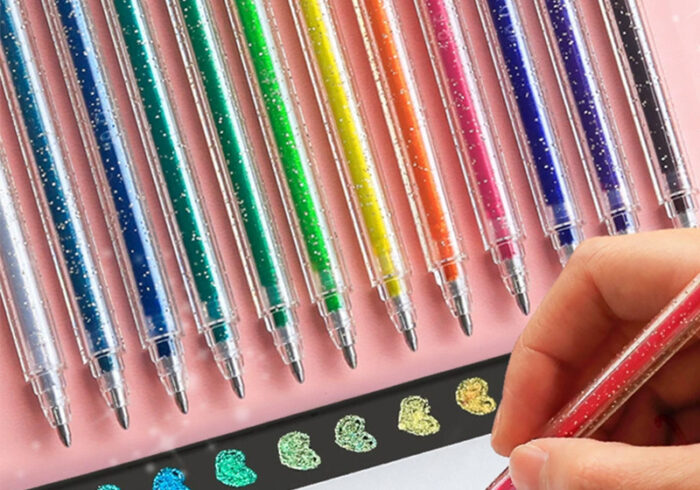
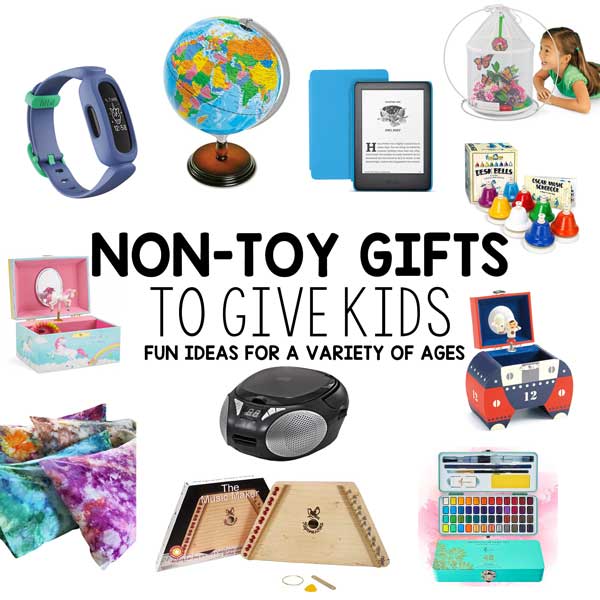
Art supplies can be a wonderful way to encourage creativity. Consider gifting a set of high-quality markers, watercolor paints, or a DIY craft kit. These gifts allow children to explore their artistic side and can be enjoyed alone or with friends and family. Engaging in art and crafts can also improve fine motor skills and hand-eye coordination, which are essential for many everyday tasks. Additionally, creating art can be a therapeutic activity, helping children to relax and express their feelings in a constructive manner.
Experiences and Activities
Gifting experiences can be more memorable than physical items. Consider options like classes: dance, music, or sports classes can help children develop new skills and interests. Memberships to local attractions, such as zoos, aquariums, or science centers, can provide ongoing educational opportunities. Events like tickets to a theater performance, concert, or sporting event can create cherished memories. These experiences not only provide enjoyment but also encourage children to step out of their comfort zones and try new things, fostering resilience and adaptability.
Practical Gifts
Practical gifts can be both useful and appreciated. Items like backpacks, lunch boxes, or even clothing can be thoughtful gifts that children will use regularly. Additionally, consider gifts that promote healthy habits, such as a water bottle or a fitness tracker. Practical gifts can teach children responsibility and the importance of taking care of their belongings. By choosing items that they will use daily, you ensure that your gift remains relevant and appreciated over time.
Subscription Services
Subscription boxes tailored for children can be a delightful surprise. These can include monthly deliveries of books, science experiments, or art projects, providing ongoing engagement and excitement. Subscription services can introduce children to new interests and hobbies, keeping their curiosity alive. Moreover, the anticipation of receiving a new box each month can create a sense of excitement and joy, making the gift feel special and unique.
Benefits of Choosing Non-Toy Gifts
Reducing Clutter
One of the significant advantages of non-toy gifts is that they can help reduce clutter in the home. Many families struggle with an abundance of toys, and opting for non-toy gifts can alleviate this issue while still providing joy and engagement for children. By choosing gifts that are meaningful and useful, you can help parents maintain a more organized living space. This can also teach children the value of quality over quantity, encouraging them to appreciate the gifts they receive.
Promoting Mindfulness
Non-toy gifts often encourage mindfulness and intentionality. When children receive gifts that require thought and engagement, they are more likely to appreciate and value them. This can lead to a deeper understanding of the gift’s purpose and significance. By fostering a sense of gratitude and mindfulness, you can help children develop a positive relationship with material possessions, teaching them to cherish what they have rather than constantly seeking more.
Supporting Developmental Skills
Non-toy gifts can support various developmental skills. For example, puzzles enhance problem-solving abilities, while musical instruments can improve coordination and rhythm. By choosing gifts that promote skill development, parents and caregivers can contribute to a child’s growth in a meaningful way. These gifts can also encourage children to set goals and work towards achieving them, fostering a sense of accomplishment and self-esteem.
Conclusion
In conclusion, while toys are often the go-to gift for children, there is a wealth of non-toy gifts that can provide just as much joy, if not more. From books and art supplies to experiences and practical items, these gifts can foster creativity, encourage learning, and create lasting memories. By considering non-toy gifts, you can offer children opportunities for growth and exploration that will benefit them for years to come. Ultimately, the best gifts are those that inspire, educate, and create meaningful experiences, enriching a child’s life in ways that toys alone cannot.
How to purchase:https://looperbuy.com/search?keywords=children%27s+gifts+not+toys
Related Questions and Answers
1. What are some examples of non-toy gifts for children?
Examples include books, art supplies, educational kits, experiences like classes or memberships, and practical items like clothing or backpacks.
2. Why should I consider non-toy gifts?
Non-toy gifts can foster creativity, encourage learning, reduce clutter, and create lasting memories, making them meaningful alternatives to traditional toys.
3. How can non-toy gifts support a child’s development?
They can enhance various skills such as problem-solving, creativity, and coordination, contributing to a child’s overall growth.
4. Are non-toy gifts more expensive than toys?
Not necessarily. Non-toy gifts can range from inexpensive items like art supplies to more costly experiences, allowing for flexibility in budgeting.
5. How can I choose the right non-toy gift for a child?
Consider the child’s interests, age, and developmental stage. Think about what skills or experiences you want to encourage and select a gift that aligns with those goals.