Muslim clothing, often referred to as Islamic clothing, embodies a rich tapestry of cultural, religious, and personal expressions of modesty. As the global Muslim population continues to grow, so does the diversity and evolution of styles within this fashion sector. This article delves into various types of Muslim clothing, their significance, current trends, and how they reflect the values of modesty while embracing modern aesthetics.
Table of Contents
The Significance of Modesty in Islam
In Islam, modesty is a fundamental principle that governs not only behavior but also attire. The Quran emphasizes the importance of dressing modestly for both men and women, encouraging them to cover their bodies appropriately in public. This concept is rooted in the idea of *haya* (modesty) and is reflected in various styles of clothing worn by Muslims around the world.
The significance of modesty extends beyond mere clothing; it is a reflection of one’s faith and commitment to Islamic teachings. Modesty is seen as a way to maintain dignity and respect in society. For many Muslims, dressing modestly is not just about following religious guidelines; it is also a means of expressing their cultural identity and personal values.
Types of Muslim Clothing
Muslim clothing encompasses a wide range of garments designed to meet the requirements of modesty while allowing for personal expression. Here are some of the most common types:
– Hijab: A headscarf that covers the hair and neck but leaves the face visible. Hijabs come in various styles and colors, allowing for personal flair while adhering to modesty standards.
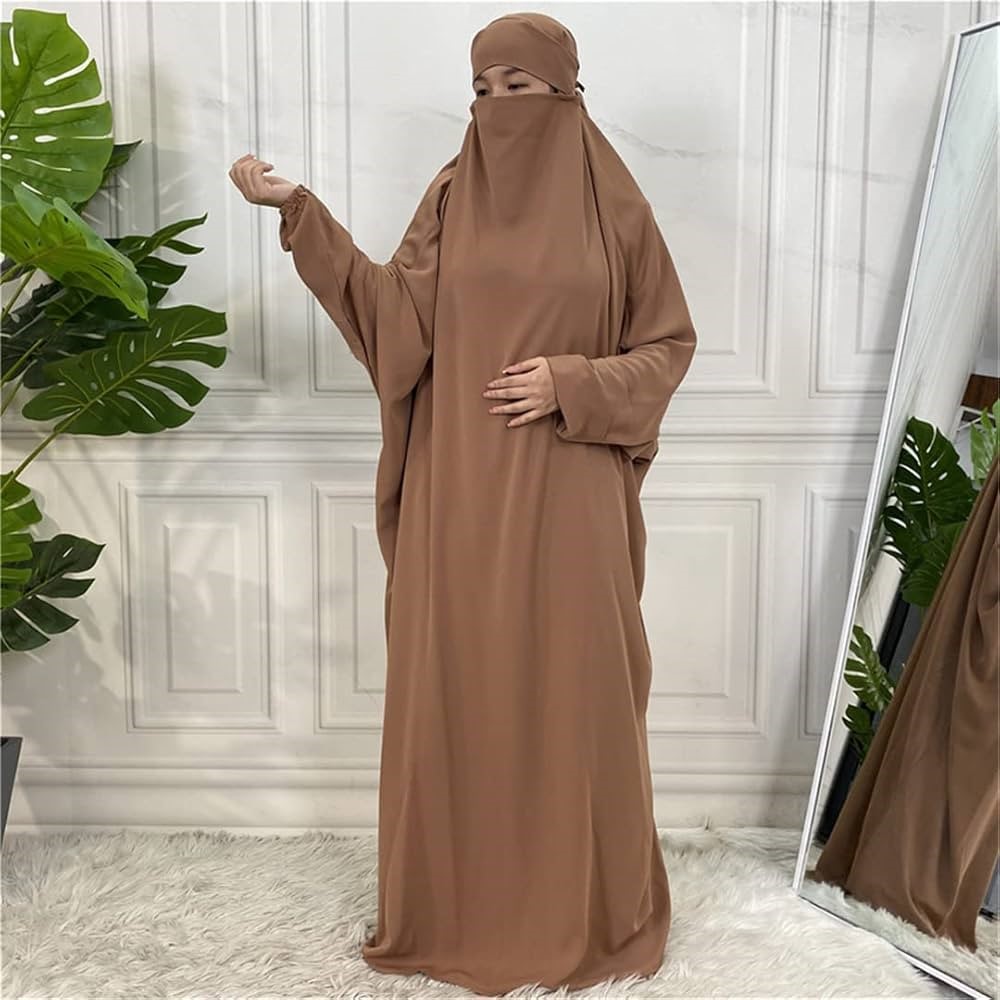
– Abaya: A loose-fitting, floor-length robe traditionally worn by women in many Muslim-majority countries. It is often black but can come in various colors and designs, reflecting personal style.
– Jilbab: Similar to the abaya but typically more structured, jilbabs cover the entire body except for the face and hands. They are popular among women seeking additional coverage.
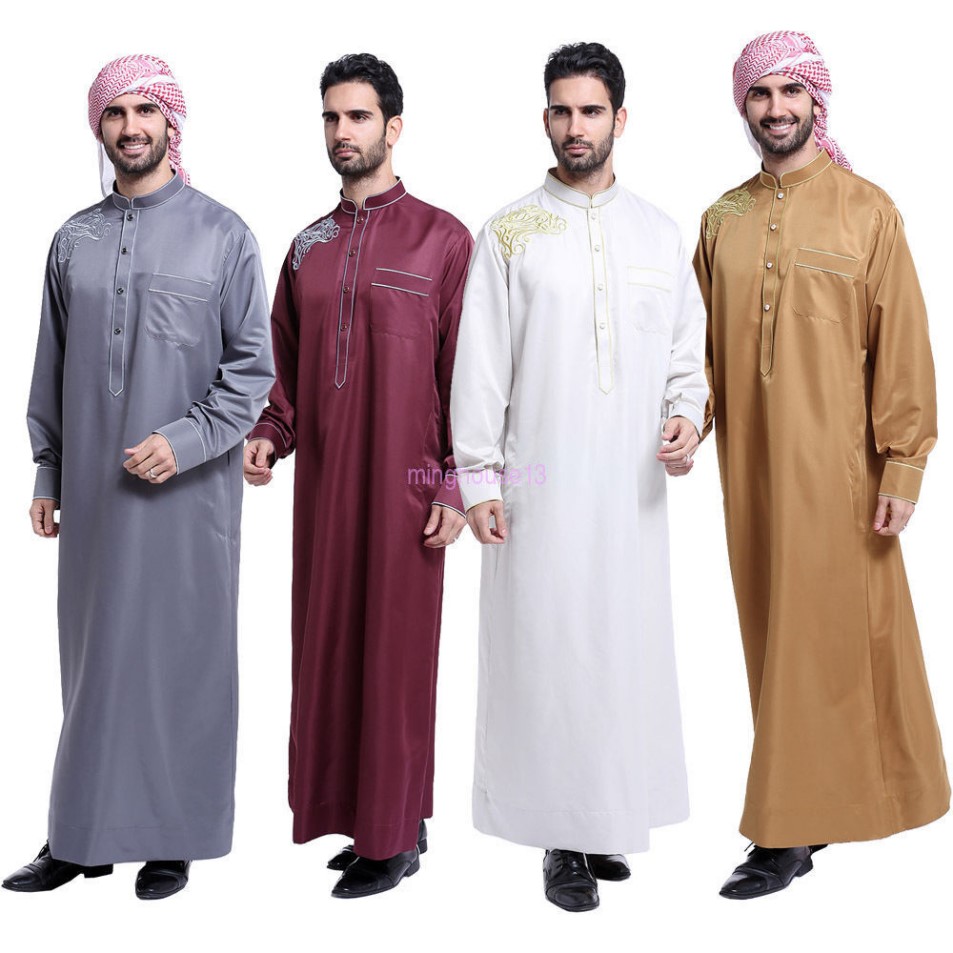
– Thobe: A long garment worn by men that covers from neck to ankles. Thobes are often made from light fabrics suitable for warmer climates and come in various colors.
– Niqab: A face veil that covers everything except the eyes. It represents a higher level of modesty and is worn by some women in specific cultures.
– Kaftan: A flowing garment that can be worn by both men and women. Kaftans are often colorful and can be adorned with intricate patterns or embroidery.
– Salwar Kameez: A traditional outfit consisting of a tunic (kameez) paired with trousers (salwar). This attire is popular in South Asian countries and is known for its comfort and versatility.
These garments not only serve practical purposes but also symbolize cultural identity and religious devotion.
Current Trends in Muslim Fashion
As fashion evolves, so does Muslim clothing. In recent years, there has been a significant shift towards integrating contemporary styles with traditional modest wear. Here are some notable trends:
– Halal Modest Fashion: This movement emphasizes clothing that adheres to Islamic principles while being stylish and modern. Designers are increasingly creating collections that cater to this demographic without compromising on aesthetics.
– Layering Techniques: Many Muslim women are embracing layering as a way to express their style while maintaining modesty. Long cardigans over tunics or dresses create fashionable yet appropriate outfits.
– Trendy Accessories: Accessories such as statement jewelry, stylish handbags, and fashionable shoes have become essential components of Muslim wardrobes, allowing individuals to personalize their outfits further.
– Sustainable Fashion: With growing awareness around environmental issues, many brands are focusing on sustainable practices in their production processes, appealing to ethically-minded consumers.
– Athleisure Wear: The rise of athleisure has led to the creation of sporty yet modest clothing options that cater to active lifestyles while adhering to Islamic dress codes.
Cultural Influences on Muslim Clothing
The diversity within Muslim communities means that clothing styles vary significantly across different cultures and regions. For example:
– In Saudi Arabia, black abayas are prevalent, often embellished with intricate designs.
– In South Asia, colorful salwar kameez sets are favored for both casual wear and formal occasions.
– North African countries may feature kaftans with vibrant patterns reflecting local heritage.
These regional variations highlight how cultural backgrounds influence personal choices within the framework of Islamic principles.
Challenges Facing Modern Muslim Fashion
Despite its growth, the Muslim fashion industry faces several challenges:
– Misrepresentation: Many mainstream fashion brands often misinterpret or oversimplify what modest fashion entails. This can lead to designs that do not resonate with actual consumer needs or preferences.
– Cultural Appropriation: As Islamic fashion gains popularity, concerns about cultural appropriation arise when non-Muslim designers create collections without understanding or respecting their significance.
– Accessibility: While online shopping has made it easier for consumers to find modest clothing options, physical stores offering a variety of styles remain limited in many regions.
The Evolution of Abayas
Abayas have always been a symbol of grace, modesty, and elegance in the Muslim world. Traditionally simple and black, modern abayas now include intricate details such as embroidery and embellishments. For 2024, expect bold colors like deep blues and emerald greens alongside classic black options.
Top Trends in Abaya Fashion for 2024
1. Embroidered Details: Delicate embroidery adds sophistication.
2. Bold Colors: While black remains classic, vibrant hues are gaining popularity.
3. Layered Designs: Asymmetrical cuts offer modern twists on traditional silhouettes.
4. Minimalist Chic: Clean lines with minimal embellishments appeal to those who prefer understated elegance.
The Historical Context of Thobes
The thobe has historical roots tracing back over 1400 years to early Islamic civilization when Prophet Muhammad advocated for modest dress codes. Traditionally worn by men across various cultures within Islam:
– The thobe is characterized by its loose fit and ankle-length design.
– Variants like the jubba (overcoat) and bisht (cape-like coat) reflect regional adaptations.
Fashion Trends for Muslim Brides and Grooms
In 2024, bridal fashion sees hijabs adorned with delicate embroidery or crystals paired with layered gowns that blend tradition with modern elegance. Grooms opt for tailored sherwanis featuring luxurious fabrics inspired by Mughal artistry.
Accessorizing Your Outfit
Accessories play a crucial role in enhancing any outfit:
– Statement jewelry can elevate simple garments into stunning ensembles.
– Stylish handbags complement outfits while providing practicality.
– Footwear choices range from elegant heels to comfortable flats depending on occasion.
Frequently Asked Questions
1. What is the purpose of wearing a hijab?
The hijab serves as a symbol of modesty and faith for many Muslim women. It represents their commitment to Islamic principles while allowing them to express their individuality through different styles.
2. Are abayas only worn by women?
While abayas are primarily associated with women’s fashion in many cultures, similar loose-fitting garments exist for men as well, such as thobes or jubbas.
3. Can non-Muslims wear hijabs?
Yes! Many non-Muslims wear hijabs as a fashion statement or out of respect when visiting places where covering one’s head is customary.
4. Is it compulsory for all Muslim women to wear an abaya?
No, wearing an abaya is not compulsory for all Muslim women; it varies based on individual beliefs and cultural practices within different communities.
5. How can I find stylish yet modest clothing?
Many brands specialize in halal modest fashion that combines modern trends with traditional styles. Online platforms offer a wide range of options catering to various tastes while adhering to modesty standards.
Conclusion
Muslim clothing represents more than just fabric; it embodies cultural identity, religious beliefs, and personal expression. As trends continue to evolve within this space, it is essential for designers and consumers alike to engage with these garments respectfully and thoughtfully. The future of Muslim fashion looks promising as it embraces modernity while staying true to its roots in modesty.
How to purchase:https://looperbuy.com/search?keywords=Muslim+Cloth