The world of global trade is shifting beneath our feet. For years, the standard playbook for international buyers involved navigating a fragmented landscape of suppliers, opaque pricing, and logistical hurdles. The “RONIN Research” framework, when applied to modern sourcing, represents a fundamental change in how we approach B2B procurement . It is no longer just about finding a factory. It is about strategic intelligence, data-driven decision-making, and operational agility.

Table of Contents
Why Traditional B2B Sourcing Models Are Breaking Down
The old way of doing business was built on familiarity and static catalogs. Buyers often relied on “relationship-based” sourcing or “pattern matching,” which are slow and inefficient . In this outdated model, procurement is a bottleneck rather than a strategic advantage. For modern buyers—brand owners, wholesalers, and manufacturers—this approach is failing. They lack visibility into new suppliers, struggle with price volatility, and find themselves locked into “price protection” walls . The industry is now demanding a shift from static directories to dynamic, AI-driven solutions.
The Rise of the “Sourcing-Plus-Fulfillment” Model
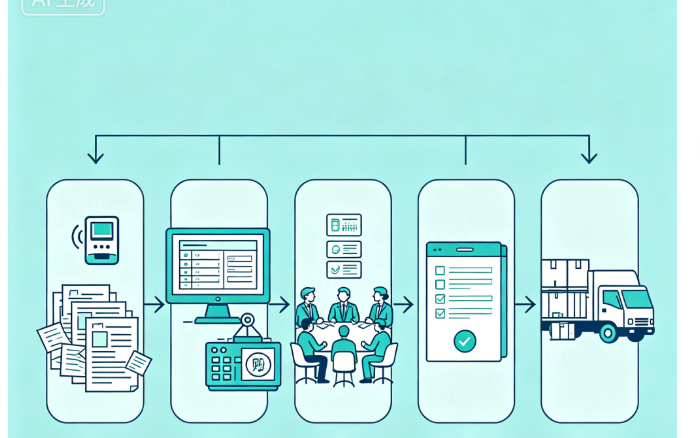
Modern platforms are moving beyond simply connecting buyers and sellers. The most effective systems are those that combine “Sourcing-and-Fulfillment.” According to recent analyses, this model reduces the inventory exposure that plagues small and medium-sized enterprises (SMEs) . It allows businesses to manage procurement, storage, and shipping in one streamlined workflow. This evolution is driven by data showing that 63% of SMEs are actively seeking AI support for cross-border trade .
How LooperBuy and RONIN Research Principles Reshape the Sourcing Landscape
The integration of RONIN Research principles into the LooperBuy platform addresses the critical information gaps that plague traditional sourcing. As an expert in procurement strategy, I have seen how these “smart” tools level the playing field.
The 5-Criteria Framework for Vetting Suppliers
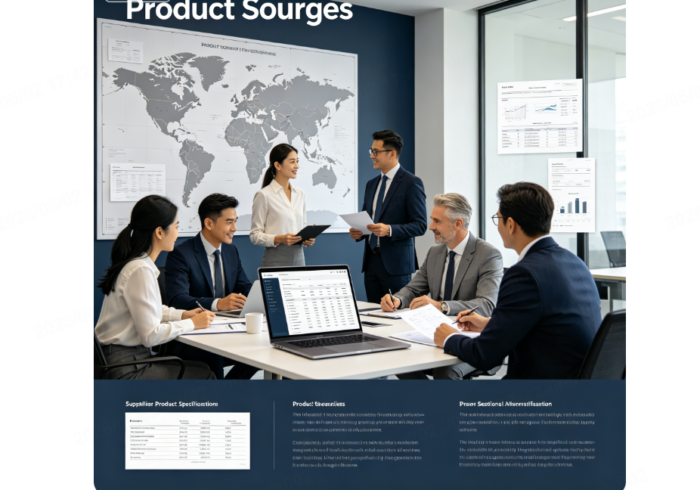
One of the most significant innovations is the move toward pre-vetted networks. Rather than sorting through millions of unverified listings, platforms like LooperBuy are implementing strict supplier criteria. Industry guides emphasize a five-criteria framework: shipping reliability, flexible order quantities, competitive wholesale pricing, purposeful product variety, and transparent production partnerships . This is a game-changer for compliance, especially on marketplaces like Etsy, where traditional dropshipping is prohibited .
Connecting to the World’s Factory Floor: 1688.com Access
The ability to tap into China’s domestic platforms, such as 1688.com, opens up a catalog of over 10 million products. This integration bypasses intermediary markups, often offering factory-direct pricing that is 25-40% lower than Western alternatives . However, the key is integration. Without a platform that handles the logistics, payment, and quality inspection, this access is just a “window shop.” LooperBuy connects this immense supply chain with a logistics network that extends to 40+ countries .
Addressing the Need for Speed and Intelligence
We are entering an era where B2B platforms must utilize tools like “Deep Search” to cut sourcing time from days to seconds . This is the essence of the RONIN Research philosophy—using technology to navigate the “digital landscape with ease” . This is not just an enhancement; it is survival. In high-stakes B2B, the demand for innovation is so high that AI is no longer a luxury .
The Expert’s Verdict: From Passive Waiting to Smart Engagement
Having analyzed the current sourcing environment, I believe the future belongs to “intelligent procurement.” The days of posting an RFQ and “passively waiting” are over . Platforms are now equipped with “smart matchmaking engines” that use complex algorithms to analyze needs and capabilities.
Transparency is the New Trust: Buyers are demanding that supplier data be visible and structured . This includes everything from production equipment to quality certifications.
Value Beyond Price: The emphasis is shifting to “Total Cost of Ownership.” This includes logistics costs, payment friction (solved by multi-currency handling), and reliability.
Overcoming Hidden Sourcing Obstacles
The sourcing process often hits a wall due to hidden costs. These are the silent killers of profit margins.
Payment Friction: Currency conversion and international transfer fees add up. Platforms integrating systems like LianLian Global solve this by allowing multi-currency transactions .
Fragmented Logistics: Coordinating multiple shipments from different suppliers is a nightmare. Consolidation is key. Effective platforms manage the “last mile” and provide consolidation services to bring efficiency back to the supply chain .
Practical Steps to Optimize Your B2B Sourcing Strategy
If you are serious about optimizing your supply chain, here is my checklist for success:
- Adopt an Operating-Model Mindset: Do not just look for a marketplace; look for a system. If you are a fast-growth seller, a combined sourcing-fulfillment system is more effective than a standard wholesale directory. You need lower inventory exposure, not just a long list of contacts .
- Leverage “Verification” Signals: Look for platforms with clear “Authorized” or “Verified” badges. In a sea of millions of suppliers, real-time verification and fraud elimination are not perks—they are necessities .
- Integrate AI Tools: If your platform offers an “AI Sourcing Agent” (like Accio or Deep Search), use it . These tools analyze billions of data points to find connections you might miss manually, effectively automating 70% of the manual workflows involved in sourcing .
- Evaluate by Category, Not Just Product: The best platforms allow you to filter by “Equipment” and “Processing Capabilities” (e.g., “CNC Machining,” “Injection Molding”). For industrial buyers, this capability-based search is more valuable than general product titles .
- Demand E-E-A-T in Service: This means “Experience, Expertise, Authoritativeness, and Trust.” Your sourcing partner must demonstrate these. This is shown through real-time inventory data, clear points of contact, and proven case studies .
The Future of Procurement: An Intelligent Ecosystem
The B2B sourcing industry is rapidly converging into a cohesive ecosystem. The distinction between a “marketplace” and a “fulfillment service” is blurring. The platforms that will win are those that offer a “one-stop” experience—commodity selection, order execution, storage, and logistics—all within a single interface. By adopting these intelligent strategies, you are not just buying products; you are building a resilient, data-driven supply chain.
Call to Action
Are you ready to move beyond the limitations of traditional sourcing? Join LooperBuy today to access a global network of vetted suppliers, multi-currency support, and world-class logistics—all in one platform. Start your sourcing journey now and unlock factory-direct pricing with full supply chain visibility.
Frequently Asked Questions
Q1: What is the “RONIN Research” strategy in the context of B2B sourcing?
It is a method that emphasizes precision targeting and digital intelligence to navigate the global supply chain. It moves away from “spray and pray” tactics to using structured data and AI tools to find the exact suppliers and pricing needed, allowing for data-driven strategic decisions .
Q2: Why is the “Sourcing-and-Fulfillment” model better than a traditional marketplace?
A marketplace only connects you with suppliers; you are on your own for logistics, storage, and quality control. A sourcing-and-fulfillment model handles the entire process from factory to your customer, which reduces the risk of inventory loss and saves on operational costs .
Q3: Is it safe to source from platforms with access to 1688.com?
Yes, when the platform vetting is strict. Platforms like LooperBuy pre-vet suppliers and often integrate with quality control checkpoints and transparent payment systems. This mitigates the risk of fraud and ensures compliance with international standards .
Q4: How does AI help lower prices in global trade?
AI helps buyers cut sourcing time significantly, reducing labor costs associated with manual research. AI algorithms compare thousands of suppliers instantly to find the best price-quality ratio. In some cases, it has helped buyers find “market bottom” prices that are 25-40% lower than Western alternatives .
Q5: Are these platforms only for bulk orders, or can small businesses use them?
They are ideal for small-to-medium businesses. The trend is toward “flexible order quantities,” allowing SMEs to test products with smaller minimum order quantities (MOQs). This is a departure from traditional manufacturing, which often requires huge volume commitments .
References
- HKTDC Sourcing. “Digital Recruitment Research.”
- Digital Commerce 360. “Alibaba.com expands AI tools.”
- 365Dropship. “LooperBuy B2B Wholesale App Comparison.”
- HKTDC Sourcing. “CATI Research.”
- Inside Retail. “SMEs navigating the sourcing environment.”
- LoongBuy. “Bulk Purchasing and Dropshipping.”
- 365Dropship. “LooperBuy Etsy Sourcing Framework.”
Hot Tags
B2B sourcing platform, China sourcing agent, global procurement, supply chain management, B2B e-commerce, international trade, sourcing and fulfillment, 1688 sourcing, wholesale suppliers, dropshipping services