Cooking rice can be a simple task, but achieving the perfect texture and flavor often hinges on one crucial factor: the rice to water ratio. For those using an Aroma rice cooker, understanding this ratio is essential for consistently delicious results. This article will explore the various aspects of using an Aroma rice cooker, including the ideal ratios for different types of rice, tips for perfect cooking, and common questions surrounding this topic.
Table of Contents
Understanding the Aroma Rice Cooker
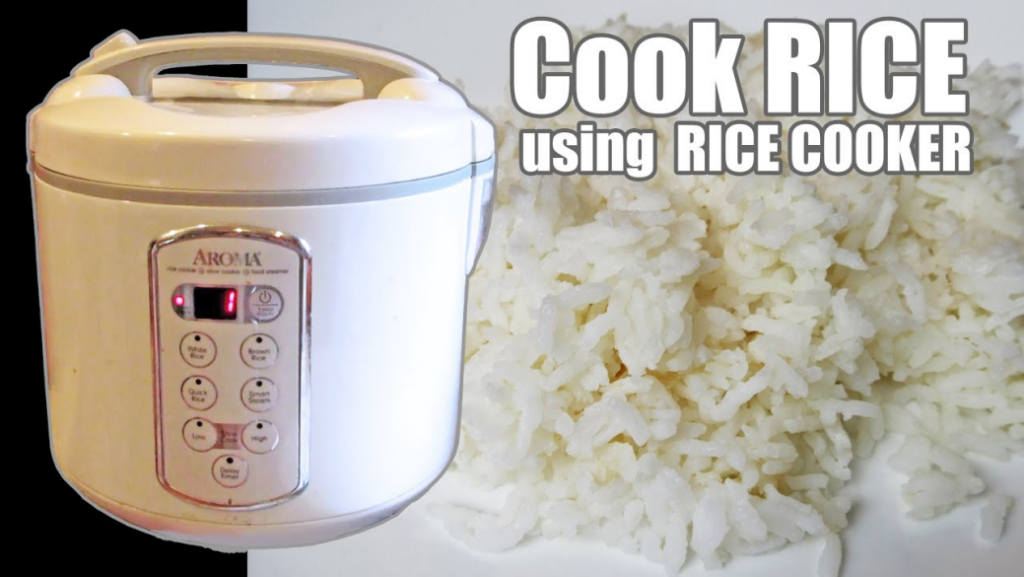
The Aroma rice cooker is a popular kitchen appliance designed to simplify the rice cooking process. It features a one-touch operation, allowing users to prepare rice with minimal effort. This convenience is particularly beneficial for busy individuals or families who want to enjoy home-cooked meals without spending too much time in the kitchen. However, to maximize the potential of this appliance, it is vital to understand the correct rice to water ratios. The Aroma rice cooker is not just a rice cooker; it often comes with additional functions such as steaming and slow cooking, making it a versatile tool in the kitchen.
The Basics of Rice Cooking
Rice cooking involves a simple principle: water is absorbed by the rice grains, causing them to swell and soften. The amount of water needed can vary based on the type of rice, the desired texture, and even the specific model of the rice cooker. Understanding these variables can help you achieve the perfect pot of rice every time. Additionally, the cooking process is influenced by factors such as the age of the rice and the altitude at which you are cooking, which can affect water absorption and cooking times.
Why Ratios Matter
Using the correct rice to water ratio is crucial for achieving the desired texture. Too much water can lead to mushy rice, while too little can result in undercooked grains. Aroma rice cookers are designed to help users achieve the perfect balance, but knowing the right ratios is key. The science behind cooking rice involves the gelatinization of starches, which occurs when rice is heated in water. This process is what transforms hard grains into the soft, fluffy rice we enjoy. Therefore, understanding the ratios not only affects texture but also the overall flavor and quality of the dish.
Ideal Ratios for Different Types of Rice
Different types of rice require different water ratios. Here’s a breakdown of the recommended ratios for various rice types when using an Aroma rice cooker.
White Rice
For standard white rice, the recommended ratio is typically 1:1.33. This means for every cup of rice, you should use 1.33 cups of water. This ratio helps achieve fluffy rice that is neither too dry nor too sticky. White rice is the most commonly used type of rice and is versatile enough to pair with a variety of dishes, from stir-fries to curries. The right ratio ensures that the rice cooks evenly, allowing it to absorb flavors from accompanying dishes.
Jasmine Rice
Jasmine rice, known for its fragrant aroma and slightly sticky texture, generally requires a 1:1.5 ratio. Therefore, for every cup of Jasmine rice, you should use 1.5 cups of water. This ratio enhances the rice’s natural fragrance and flavor, making it a popular choice for Thai and other Southeast Asian cuisines. The unique characteristics of Jasmine rice make it an excellent base for dishes that feature bold flavors, as it can absorb and complement spices and sauces beautifully.
Brown Rice
Brown rice is a whole grain that requires more water due to its outer bran layer. The ideal ratio for brown rice in an Aroma rice cooker is about 1:2. This means for every cup of brown rice, you should use 2 cups of water. This additional water helps soften the tougher grains, resulting in a chewy yet tender texture. Brown rice is often considered a healthier option due to its higher fiber content, making it a great choice for those looking to incorporate more whole grains into their diet.
Basmati Rice
Basmati rice, another popular variety, typically requires a 1:1.5 ratio as well. This ratio allows the long grains to cook evenly while maintaining their distinct texture. Basmati rice is often used in Indian and Middle Eastern dishes, where its nutty flavor and fluffy texture can enhance the overall meal. The right water ratio is essential for achieving the signature long, separate grains that basmati is known for.
Specialty Rice
For specialty rice types, such as sushi rice or arborio rice, the ratios can vary. Sushi rice often requires a 1:1.25 ratio, while arborio rice, used for risotto, may need a 1:1.5 ratio. Adjusting the water based on the specific rice type is essential for achieving the desired results. Specialty rice varieties often have unique cooking requirements due to their specific starch content and intended culinary uses, so understanding these nuances can greatly improve your cooking outcomes.
Tips for Perfect Rice Cooking
Achieving perfect rice in an Aroma rice cooker goes beyond just knowing the ratios. Here are some additional tips to enhance your rice cooking experience.
Rinse the Rice
Rinsing rice before cooking is a crucial step that many overlook. Rinsing removes excess starch, which can lead to sticky rice. For best results, rinse the rice under cold water until the water runs clear. This simple step can significantly improve the texture of your cooked rice, making it fluffier and less clumpy. Additionally, rinsing can help remove any impurities or dust that may be present on the rice grains.
Use the Right Measuring Tools
Aroma rice cookers often come with a measuring cup that is specifically designed for their models. It’s important to use this cup for measuring both rice and water to ensure accurate ratios. Using the correct measuring tools helps maintain consistency in your cooking, allowing you to replicate successful results every time. If you don’t have the specific measuring cup, consider using a standard measuring cup, but be aware that the ratios may need slight adjustments.
Let the Rice Rest
After the rice has finished cooking, allow it to rest for about 10 minutes before opening the lid. This resting period allows the remaining steam to finish cooking the rice and helps improve the texture. During this time, the rice continues to absorb moisture, resulting in a more even and fluffy consistency. This step is often overlooked but can make a significant difference in the final product.
Experiment with Ratios
While the recommended ratios are a great starting point, feel free to experiment based on your personal preferences. If you prefer softer rice, try increasing the water slightly. Conversely, if you like firmer rice, reduce the water a bit. Cooking is an art, and personalizing your rice cooking experience can lead to discovering your perfect texture and flavor profile.
Common Questions About Aroma Rice Cooker Ratios
As with any cooking method, questions often arise regarding the best practices for using an Aroma rice cooker. Here are some frequently asked questions and their answers.
1. What is the best rice to water ratio for white rice in an Aroma rice cooker?
The best rice to water ratio for white rice is typically 1:1.33, meaning for every cup of rice, you should use 1.33 cups of water. This ratio ensures that the rice cooks evenly and achieves the desired fluffy texture.
2. Can I use the same ratio for all types of rice?
No, different types of rice require different water ratios. For example, brown rice usually needs a 1:2 ratio, while Jasmine rice requires a 1:1.5 ratio. Understanding these differences is crucial for achieving the best results.
3. How do I know if my rice is cooked properly?
Properly cooked rice should be fluffy and tender, with no excess water remaining in the cooker. If the rice is too hard or crunchy, it may need more water or cooking time. Observing the texture and taste is the best way to determine doneness.
4. Is it necessary to rinse rice before cooking?
Yes, rinsing rice is recommended as it removes excess starch, which can lead to sticky rice. Rinse until the water runs clear for the best results. This step not only improves texture but also enhances the overall flavor of the rice.
5. What should I do if my rice is too sticky?
If your rice turns out too sticky, it may be due to using too much water or not rinsing the rice beforehand. For future cooking, try reducing the water slightly and ensure to rinse the rice thoroughly. Adjusting these factors can help you achieve the desired texture.
Conclusion
Understanding the rice to water ratio is essential for anyone using an Aroma rice cooker. By following the recommended ratios for different types of rice and implementing the tips provided, you can achieve perfectly cooked rice every time. Whether you are preparing a simple side dish or a main course, mastering these techniques will elevate your cooking and impress your family and friends.
How to Purchase:https://looperbuy.com/search?keywords=aroma+rice+cooker+ratio